Australian Red Cedar: Hardwood or Softwood? (Surprising Answer)
Australian red cedar (Toona ciliata) is botanically a hardwood – a broadleaf tree, not a conifer – even though its timber feels as soft and light as many true softwoods. Confusing softness with the hardwood/softwood split is what trips most people up, since the classification is about how a tree reproduces, not how hard the wood is. This guide covers why it’s a hardwood, its real density and Janka hardness numbers, how it compares to the unrelated Western red cedar, and how to handle its dust safely.
Why Australian Red Cedar Is Classified as a Hardwood
Australian red cedar is a flowering, broad-leafed tree in the mahogany family (Meliaceae) – a classification based on seed and reproductive structure, not on how hard the timber actually is. In the U.S. lumber industry, “hardwood” means the tree is an angiosperm (it flowers and drops broad leaves), while “softwood” means it’s a gymnosperm conifer that grows needles and cones. Density has nothing to do with the label.
That’s why Australian red cedar can be a genuine hardwood while measuring softer than many actual softwoods. Balsa – one of the lightest woods in the world – is classified as a hardwood for the same reason: it comes from a broadleaf, flowering tree. Douglas-fir and Southern yellow pine, both harder and denser than balsa or Australian red cedar, are still softwoods because they’re conifers.
Most of the confusion around this species comes from its name. “Australian red cedar” isn’t a true cedar (genus Cedrus) at all, and it isn’t related to the Western red cedar sold at most U.S. lumberyards either – the two just share a common name and a reddish color.
| Property | Australian Red Cedar (Toona ciliata) | Western Red Cedar (Thuja plicata) |
|---|---|---|
| Botanical classification | Hardwood (broadleaf, mahogany family) | Softwood (conifer, cypress family) |
| Native range | Rainforests of eastern Australia | Pacific Northwest, North America |
| Janka hardness | 700 lbf (3,130 N) | 350 lbf (1,560 N) |
| Main dust concern | Irritant: nose/throat, skin, asthma-like symptoms | Sensitizer: plicatic acid, occupational asthma |
| Typical use | Furniture, cabinetry, guitar tops, boatbuilding | Decking, siding, shingles, outdoor furniture |
Notice that Australian red cedar is actually harder than Western red cedar despite being the “softer-feeling” name in most people’s minds – its 700 lbf Janka rating is roughly double Western red cedar’s. For the unrelated “is cedar a hardwood or softwood” question that usually means Western or Eastern red cedar, see our cedar hardwood or softwood guide – that species is a true softwood, which is the opposite classification from the Australian species covered here.
Working Safely With Australian Red Cedar Dust
Australian red cedar’s dust is a documented irritant, not just a nuisance. The Wood Database lists it as an irritant to the nose and throat, with reported effects including dermatitis, headache, giddiness, stomach cramps, asthma-like symptoms, and bronchitis – though severe reactions are uncommon. If you’ve noticed skin irritation from cedar sawdust before, our cedar skin rash guide covers what’s actually happening and how to prevent it.
📊 Australia’s workplace exposure limit for hardwood dust is 1 mg/m³ – a tighter standard than many general nuisance-dust limits, reflecting hardwood dust’s classification as a health hazard when inhaled in quantity. Source: OSHA, Wood Dust Hazard Recognition
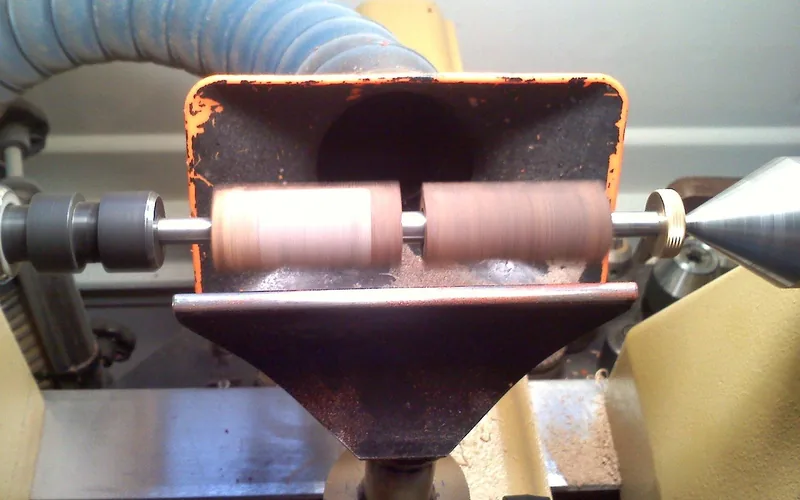
Two things cut real exposure far more than a dust mask alone: capturing dust at the source with a shop vacuum or dust collector fitted directly to your sander or lathe, and wearing a properly rated respirator – not a paper dust mask – for any dry sanding session that runs more than a few minutes.
Best Respirator Pick
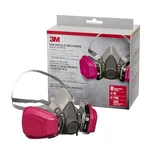 |
3M P100/OV Multi-Purpose Reusable Respirator 65021 – $32.99 Rated for the exact combination of concerns Australian red cedar dust raises – fine particulates plus organic vapor from resin and finish, not just nuisance dust.
|
Australian Red Cedar Wood Properties and Specifications
The numbers explain why this wood feels nothing like oak or hickory despite the hardwood label:
| Property | Value |
|---|---|
| Scientific name | Toona ciliata |
| Family / Genus | Meliaceae (mahogany family) / Toona |
| Janka hardness | 700 lbf (3,130 N) |
| Average dried density | 30 lb/ft³ (485 kg/m³) |
| Grain texture | Fine to medium, straight to slightly interlocked |
| Heartwood color | Pinkish to reddish-brown, darkens with age |
| Conservation status | Not listed on CITES or the IUCN Red List |
“The wood is easy to work with hand and machine tools and glues and finishes well, though quartersawn surfaces with interlocked grain can be difficult to surface cleanly, and the wood can exude resin that gums up cutters.”
The Wood Database, workability notes for Australian Red Cedar
At 700 lbf, Australian red cedar sits well below oak (roughly 1,290 lbf) or hard maple (1,450 lbf), which is exactly why it earned a reputation as an easy wood to hand-plane, carve, and shape – despite technically outranking Western red cedar on the same hardness scale. Its low weight and workability are also why 19th-century Australian builders nicknamed it “red gold”: it cut, nailed, and finished faster than almost anything else available at the time, which drove the overharvesting that later made old-growth red cedar scarce in parts of its native range. The species isn’t currently CITES-listed or on the IUCN Red List, but most red cedar sold today comes from managed plantings rather than remnant old-growth stands.
Finishing Australian Red Cedar
The same resin content that can gum up cutters during machining also affects finishing. Resin pockets absorb stain unevenly, which shows up as blotchy dark patches on an otherwise even board. A sanding sealer or a wash coat of dewaxed shellac before staining evens out absorption and is standard practice on resinous hardwoods generally, not just this species.
Once sealed, Australian red cedar takes oil finishes, varnish, and wax well, and its color typically deepens from pink toward a richer reddish-brown with UV exposure over the first several months – similar to the way cherry ages. If you want to slow that color shift, an interior finish with UV inhibitors will help more than the type of oil or varnish you choose.
Common Uses for Australian Red Cedar
Because it’s light, stable, and easy to shape without sacrificing much strength, Australian red cedar shows up in projects where weight and workability matter more than raw hardness:
- Fine furniture and cabinetry, where its color and grain are shown off rather than hidden under paint
- Interior joinery and paneling
- Boatbuilding, historically one of its most valued uses in Australia
- Musical instrument tops – it’s an established guitar soundboard timber; see our guide to bandsaws for guitar building if you’re resawing your own tops
- Carving and decorative turning, where its softness relative to other hardwoods speeds up hand work
It’s rarely exported in volume today, so expect moderate-to-premium pricing compared to more common imported hardwoods, and check with a specialty hardwood supplier rather than a big-box lumberyard – most general retailers won’t stock it at all.
FAQ
Is Australian red cedar a hardwood or softwood?
It’s a hardwood. Australian red cedar comes from a broadleaf, flowering tree in the mahogany family, and hardwood/softwood classification is based on that botanical structure, not on how hard the timber feels.
Why is it called a hardwood if it feels soft?
“Hardwood” describes the tree type (broadleaf, flowering), not wood density. Australian red cedar’s 700 lbf Janka rating is genuinely soft for a hardwood – well below oak or maple – but it’s still classified as one because of how the tree reproduces.
What does Australian red cedar look like?
It has a pinkish to reddish-brown heartwood that deepens with age, a fine to medium texture, and a straight to slightly interlocked grain. Freshly cut boards often have a mild, cedar-like scent even though the tree isn’t a true cedar.
Where does Australian red cedar grow?
It’s native to the rainforests of eastern Australia, where it needs warm, wet conditions and rich soil near rivers and creeks to reach its full size. Old-growth stands are now uncommon due to 19th-century overharvesting.
Can I use Australian red cedar for furniture?
Yes – it’s one of its most common uses. It cuts and shapes easily, takes stain and finish well, and its reddish color and fine grain make it a popular choice for fine furniture and cabinetry.
Is Australian red cedar strong?
It’s strong enough for furniture, joinery, and boatbuilding, but it isn’t a hard-wearing wood – its 700 lbf Janka rating is far below flooring-grade hardwoods like oak (1,290 lbf) or teak. Choose it for looks and workability, not abrasion resistance.
Does Australian red cedar resist insects?
It has a reputation for natural resistance to rot and insects, which contributed to its historical use in boatbuilding and outdoor joinery, though it’s primarily used indoors today given its scarcity and price.
Bottom line: Australian red cedar (Toona ciliata) is a genuine hardwood by botanical classification, even though its 700 lbf Janka rating and 30 lb/ft³ density make it feel closer to a softwood in the shop. That softness is exactly what makes it a favorite for furniture, cabinetry, and guitar tops – just wear a proper respirator when you’re sanding it, since its dust is a documented irritant.
Sponsored / affiliate links. As an Amazon Associate I earn from qualifying purchases. I may earn additional commission from eligible campaigns.