Cedar Elm Wood: Durable Beauty for Timeless Woodworking Projects
If you’re looking for a wood that combines strength, beauty, and durability, cedar elm wood might be exactly what you need. Whether you’re planning a new furniture project, flooring, or outdoor structures, understanding the unique qualities of cedar elm can help you make the best choice.
Imagine having a material that not only looks great but also stands up to wear and tear over time. Keep reading to discover why cedar elm wood could be the perfect fit for your next project and how it can bring lasting value to your home or workspace.
Cedar Elm Characteristics
Cedar Elm wood is popular for many uses. It has unique traits that make it stand out. This wood offers a mix of beauty and strength. Let’s explore the main characteristics of Cedar Elm wood.
Understanding these traits helps in choosing the right wood for projects. It is known for its texture, color, and durability. Each feature adds value to its use in furniture, flooring, and more.
Grain And Texture
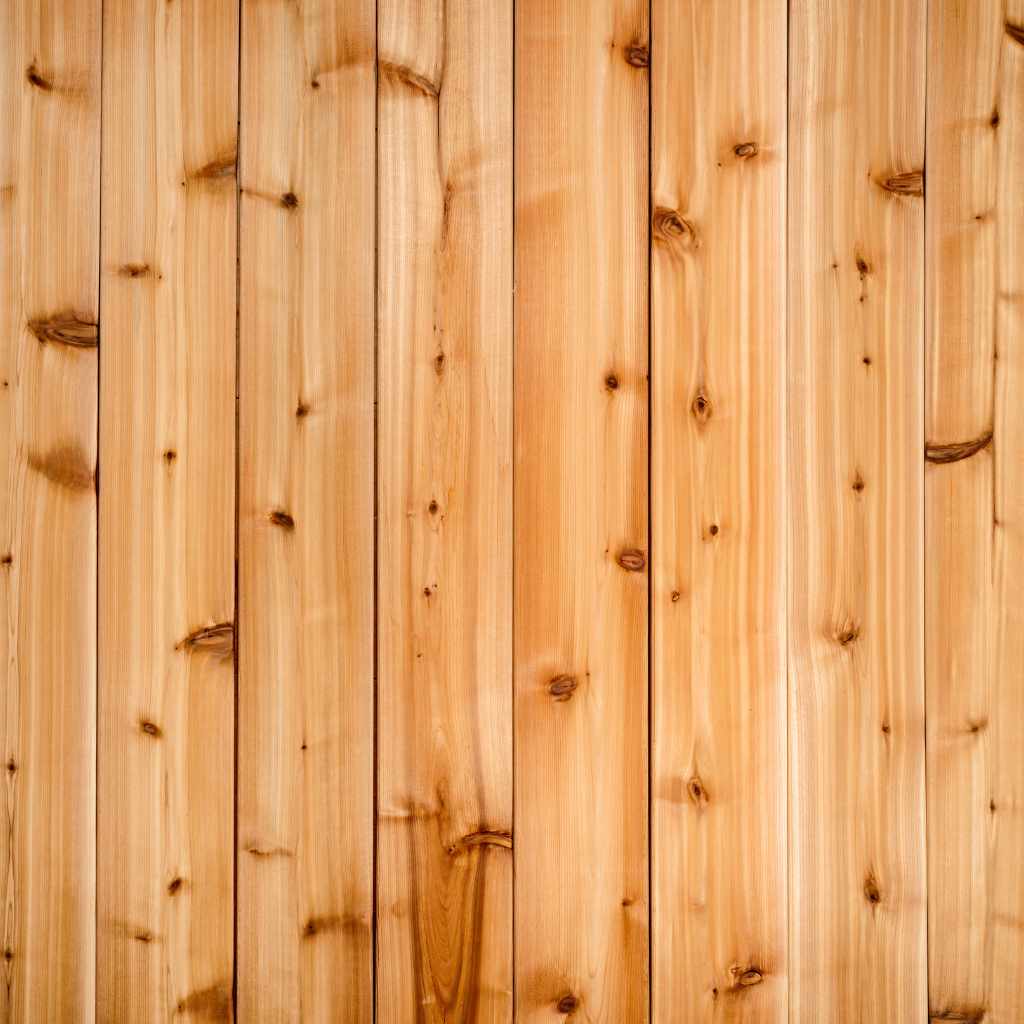
Cedar Elm wood has a fine to medium grain. The texture feels smooth and even to touch. It has a natural, straight grain pattern. Sometimes, you may find slight waves or irregular lines. This makes the wood look more interesting. The texture also helps in easy sanding and finishing.
Color And Appearance
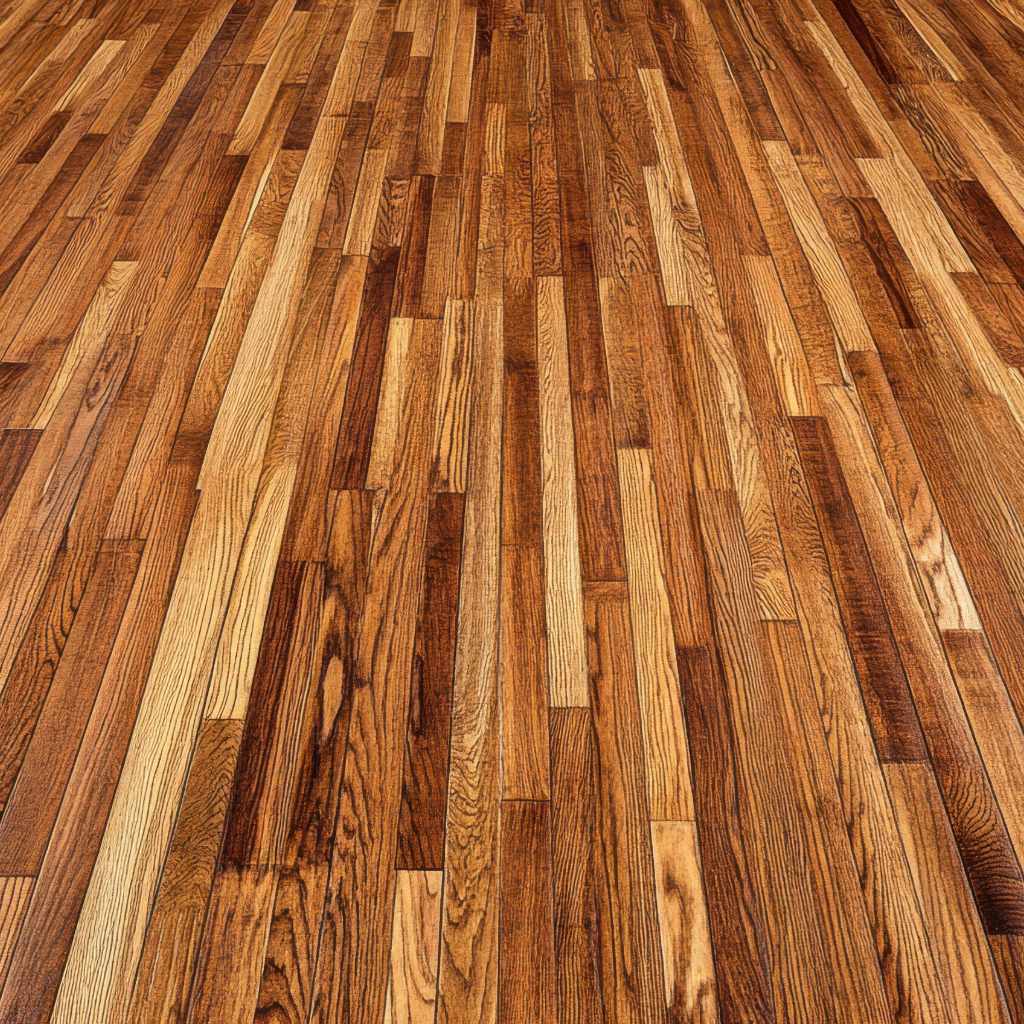
The color of Cedar Elm ranges from light brown to reddish-brown. It often shows darker streaks or patches. This gives the wood a warm and rich look. Over time, the color deepens with exposure to light. Its natural shine adds to the wood’s appeal. These colors fit well with many styles.
Durability And Strength
Cedar Elm is a strong and tough hardwood. It resists wear and damage well. The wood holds up against shocks and pressure. It is also somewhat resistant to decay and insects. This makes it a good choice for long-lasting projects. Its strength allows it to support heavy loads without breaking.
Benefits For Woodworking
Cedar Elm wood offers many benefits for woodworking projects. Its qualities make it a popular choice for craftsmen and hobbyists alike. This wood combines durability with ease of use. It adapts well to various woodworking needs, making it reliable for many tasks.
Workability And Finishing
Cedar Elm is easy to cut and shape. It sands smoothly, allowing for clean edges and surfaces. The wood accepts stains and paints well, giving a polished look. Craftsmen appreciate how it holds nails and screws without splitting. Its grain pattern adds a natural beauty to finished pieces.
Resistance To Decay
This wood resists rot and insect damage better than many hardwoods. It lasts longer in outdoor or damp conditions. Using Cedar Elm means less worry about wood degrading over time. It is a solid choice for projects exposed to the elements. This natural resistance saves time and money on repairs.
Versatility In Projects
Cedar Elm suits a wide range of woodworking projects. It works well for furniture, flooring, and cabinetry. Woodworkers use it for decorative items and structural parts. Its strength supports heavy loads, while its appearance fits both rustic and modern styles. This versatility makes it valuable in any workshop.
Common Uses In Woodworking
Cedar Elm wood is popular in woodworking for many reasons. Its strength and beauty make it a favorite choice. The wood works well in various projects. Craftsmen value its fine grain and durability.
Its versatility allows it to suit different styles and uses. From indoor furniture to outdoor structures, Cedar Elm stands out. Let’s explore the common uses of this wood in woodworking.
Furniture Making
Cedar Elm wood creates strong and attractive furniture pieces. It carves smoothly, making it easy to shape. Tables, chairs, and cabinets benefit from its rich texture. The wood holds nails and screws firmly. Finished furniture often has a warm, natural look.
Flooring And Paneling
This wood offers excellent hardness for floors. It resists dents and scratches over time. Cedar Elm panels add character to walls and ceilings. Its color varies from light to medium brown. The wood ages nicely, gaining more charm.
Outdoor Structures
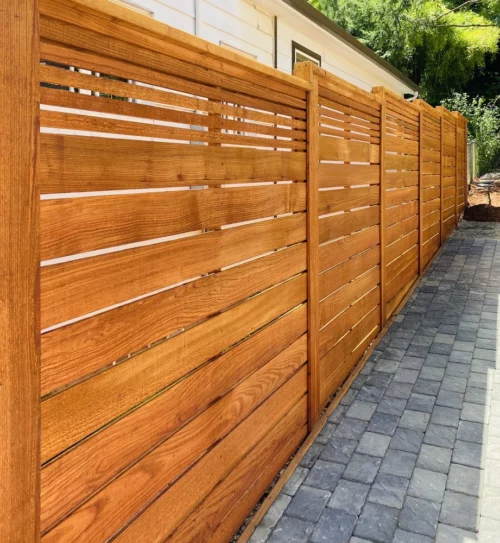
Cedar Elm’s durability suits outdoor use well. It withstands weather better than many hardwoods. Garden benches, pergolas, and fences often use this wood. Proper sealing extends its life outdoors. Its natural resistance helps prevent decay and pests.
Sourcing Cedar Elm Wood
Cedar elm wood is prized for its strength and beauty. Finding good sources matters a lot. The wood’s quality depends on how and where it is harvested.
Understanding the sourcing process helps you choose better lumber. It also supports responsible forestry and good prices.
Sustainable Harvesting
Sustainable harvesting means cutting trees without harming the forest. It keeps the ecosystem healthy for years. Cedar elm trees grow in many parts of the US. Careful harvesting ensures new trees can grow in place.
Buy from suppliers who follow rules and practice forest renewal. This protects wildlife and reduces environmental damage. Sustainable wood is better for nature and your projects.
Availability And Cost
Cedar elm is moderately available in lumber markets. It may be less common than oak or maple. Prices vary depending on location and demand.
Local sources often offer better prices and faster delivery. Imported cedar elm can cost more due to transport fees. Plan your purchase early to avoid delays and high costs.
Selecting Quality Lumber
Good cedar elm wood has a tight grain and few knots. Check for cracks, warping, or signs of insect damage. Fresh lumber should feel solid and smooth.
Ask the supplier about the wood’s origin and drying process. Properly dried wood resists shrinking and splitting. Choosing quality lumber ensures lasting and strong finished products.
Maintenance And Care
Cedar elm wood offers natural beauty and strength. Proper maintenance keeps it looking great for years. Simple care routines prevent damage and wear. Follow these steps to preserve its charm and durability.
Cleaning And Preservation
Clean cedar elm wood regularly with a soft cloth. Use mild soap mixed with water for dirt removal. Avoid harsh chemicals that can harm the wood’s surface. Dry the wood completely after cleaning to prevent moisture damage.
Apply a quality wood preservative to protect the wood. This prevents rot, mold, and insect damage. Reapply preservative every year or as needed. Keep the wood away from standing water to extend its life.
Repairing And Refinishing
Fix small cracks or scratches quickly to stop them from growing. Use wood filler or putty designed for hardwoods. Sand the area gently after the filler dries to smooth the surface. Refinish with a matching stain or sealant for an even look.
For bigger damage, consider professional repair. Refinishing restores the wood’s original color and shine. Sand the entire surface evenly before applying new finish. Use finishes designed for outdoor or indoor use based on your wood’s location.
Protecting Against Elements
Protect cedar elm wood from sun, rain, and extreme weather. Use covers or move furniture indoors during harsh weather. Apply UV-resistant finishes to reduce sun damage and fading. Ensure good ventilation around the wood to avoid moisture buildup.
Place wood furniture on dry surfaces to prevent water exposure. Inspect wood regularly for signs of weather damage. Early care prevents costly repairs and keeps wood strong and beautiful.
Frequently Asked Questions
What Are The Key Characteristics Of Cedar Elm Wood?
Cedar Elm wood is durable and has a coarse texture. It features a light to medium brown color with a subtle grain. This wood is resistant to decay and commonly used in furniture and flooring due to its strength and attractive appearance.
Is Cedar Elm Wood Good For Furniture Making?
Yes, Cedar Elm wood is excellent for furniture. It is strong, durable, and has an appealing texture. Its resistance to wear makes it suitable for both indoor and outdoor furniture projects, ensuring longevity and a beautiful finish.
How Does Cedar Elm Wood Compare To Other Elm Varieties?
Cedar Elm wood is more decay-resistant than other Elm types. It has a coarser texture and slightly darker color. This wood is also more commonly found in the southern United States, making it unique in its regional availability and characteristics.
Can Cedar Elm Wood Be Used For Flooring?
Absolutely, Cedar Elm wood is ideal for flooring. Its hardness and durability withstand heavy foot traffic. Additionally, its natural resistance to decay and insect damage enhances floor longevity, making it a popular choice for homes and commercial spaces.
Conclusion
Cedar elm wood offers strength and beauty for many projects. Its durability suits furniture, flooring, and outdoor use. The wood’s unique grain adds charm to any piece. Easy to work with, it fits both beginners and pros. Choosing cedar elm brings natural warmth to your space.
Its resistance to wear makes it a smart choice. Consider cedar elm for a lasting, attractive wood option. Quality and style come together in this versatile wood. A wise pick for those who value nature and craft.