What Does Cedarwood Smell Like? Scent Profile, Chemistry & Why It Fades
Cedarwood smells warm, dry, and resinous — closer to fresh pencil shavings than to a floral perfume, with a spicy-sweet undertone that comes straight from natural oils locked inside the wood. That scent isn’t perfume-counter marketing; it’s the tree’s own chemical defense system, and how strong or sweet it is depends on which cedar you’re actually smelling.
The Scent Profile: What Cedarwood Actually Smells Like
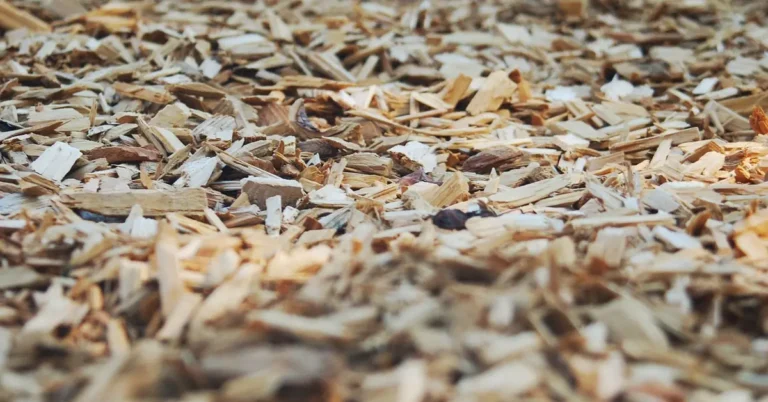
Most people describe cedarwood with the same handful of words — woody, warm, balsamic, slightly spicy — and those words hold up. It’s a dry scent rather than a sweet one, closer to a cedar closet or a freshly sharpened pencil than to cedar-scented candles that lean sweeter and more synthetic. Underneath the woody top note sits a faint resin and smoke character, which is why cedarwood shows up so often as a “base note” in colognes: it lingers instead of fading in the first few minutes.
- Woody — the dominant note, like fresh-cut lumber or pencil shavings
- Warm/dry — no sweetness up front, more like sun-warmed wood than a flower
- Balsamic — a faint resinous depth underneath the woody note
- Spicy — a subtle, peppery edge that some people compare to sandalwood
Best Cedar Blocks For Restoring That Scent
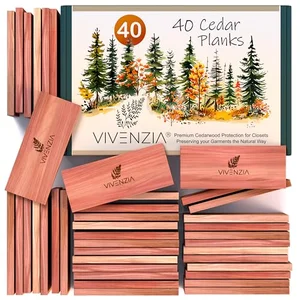 |
Vivenzia Cedar Blocks, 40-Pack – $19.99 Made from genuine Eastern Red Cedar, the same species prized for its scent in this article — a simple way to bring that aroma into a closet, drawer, or shoe rack.
|
The Chemistry Behind the Scent: Cedrol and Thujopsene
Cedarwood’s smell isn’t one compound, it’s a mix of sesquiterpenes — the same broad family of aromatic molecules behind scents like sandalwood and patchouli. Two compounds do most of the work in cedar specifically:
| Compound | What It Contributes |
|---|---|
| Cedrol | The soft, woody-sweet base note; also the compound most associated with cedar’s calming effect in aromatherapy studies |
| Thujopsene | The sharper, slightly camphor-like edge that gives cedar its “fresh pencil” character |
| Sesquiterpenes (general) | Add depth and are largely responsible for why cedar’s scent persists for years in dry, indoor conditions |
These oils sit in the heartwood, not the bark or sapwood, which is why heartwood-heavy cedar chests and closet lining smell so much stronger than a plain cedar 2×4 from a home center.
Eastern Red Cedar vs. Western Red Cedar vs. True Cedars: Do They Smell the Same?
Not all “cedar” smells alike, mostly because most of what’s sold as cedar in North America isn’t a true cedar at all — it’s a mix of unrelated conifers that share a common name. (If you’ve ever wondered why lumberyard “cedar” is technically classified as a softwood no matter which species you buy, the same genus confusion explains both questions.)
- Eastern Red Cedar (Juniperus virginiana, actually a juniper) — the sharpest, most “classic cedar closet” smell; this is what most cedar blocks and chests are made from
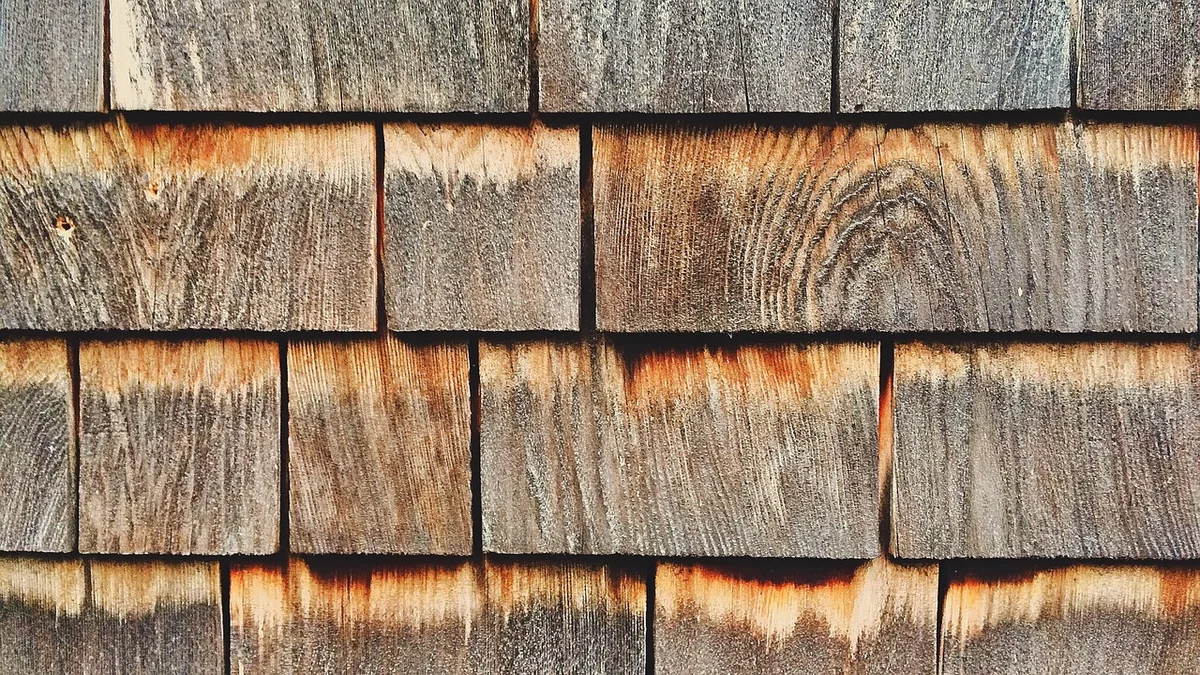
- Western Red Cedar (Thuja plicata) — softer and sweeter, with more vanilla-like undertones; this is the species used for siding, shingles, and decking
- True cedars (genus Cedrus — Atlas, Deodar, Lebanon) — drier and more incense-like, closer to what’s used in high-end perfumery

In practice, if a product is marketed simply as “cedar oil” or “cedar blocks” without naming a species, it’s almost always Eastern Red Cedar — it’s the cheapest to source in bulk and has the strongest, most recognizable scent of the three.
Why Cedar’s Smell Fades — and How to Bring It Back
Cedar’s scent comes from volatile oils evaporating off the wood’s surface, and evaporation is a one-way, self-limiting process. As the outermost layer of oil-saturated wood oxidizes and dries out over a few months, the surface effectively seals itself and the scent fades — even though the wood underneath is still just as aromatic as the day it was cut. This isn’t a sign the wood is “used up,” and it’s the reason cedar chests and closet liners seem to lose their smell within a year or two of installation.
The fix is mechanical, not chemical: a light pass with 120- to 150-grit sandpaper removes that dried, oxidized surface layer and exposes fresh, oil-rich wood underneath. A few strokes is usually enough to noticeably refresh a cedar block, chest lining, or closet panel — there’s no need to replace the wood or add scented oil to get another year or two of life out of it.
A Safety Note for Woodworkers: Cedar Dust and Occupational Asthma
That same appealing scent is a genuine occupational hazard for anyone who works with cedar regularly, and it’s worth knowing about before you spend a weekend sanding a cedar chest or closet. Western Red Cedar contains a compound called plicatic acid, which is a documented cause of occupational asthma in woodworkers and sawmill employees with repeated, heavy dust exposure — well-established enough that the American Conference of Governmental Industrial Hygienists has set a specific occupational exposure limit for Western Red Cedar dust (0.5 mg/m³ inhalable fraction), separate from the general wood dust limit.

This isn’t a reason to avoid cedar — occasional exposure from a cedar block or a small home project is a very different situation from years of daily sawmill dust. But if you’re sanding or cutting cedar regularly in an enclosed shop, it’s a legitimate reason to run dust collection and wear a properly rated respirator rather than a basic paper mask, the same way you would for any wood dust you’re exposed to for extended periods.
Cedarwood’s Everyday Uses
Beyond the workshop, cedarwood’s scent and natural insect-repelling properties show up in a handful of practical places:
- Closet and drawer storage — cedar blocks and chest linings deter moths naturally without the chemical smell of mothballs
- Aromatherapy — cedarwood essential oil is commonly diffused for relaxation; small studies have linked cedrol inhalation to reduced heart rate and a calmer mood, though it isn’t a substitute for medical treatment
- Personal care — a common base note in men’s colognes, plus shampoos, soaps, and beard oils
- DIY blends — cedarwood pairs well with lavender or orange oil in a diffuser (roughly 5 drops cedarwood to 2–3 drops of the second oil is a common starting ratio)
Frequently Asked Questions
What does cedarwood smell like?
Cedarwood smells warm, dry, and woody with a faint spicy-sweet, balsamic undertone — closer to fresh pencil shavings than to a floral or fruity scent.
Does Eastern Red Cedar smell different from Western Red Cedar?
Yes. Eastern Red Cedar has the sharper, more classic “cedar closet” scent, while Western Red Cedar is softer and sweeter with more vanilla-like notes. They’re different genera entirely, despite sharing the common name.
Why does cedar’s smell fade over time?
The scent comes from oils evaporating off the wood’s surface. Once the top layer dries out and oxidizes, it seals in the oils underneath and the scent fades — even though the wood is still just as aromatic beneath the surface.
How do you make cedar smell strong again?
Lightly sand the surface with 120- to 150-grit sandpaper. This removes the dried outer layer and exposes fresh, oil-rich wood, which restores most of the original scent within a few strokes.
Is cedar dust dangerous to breathe?
Occasional exposure is generally not a concern, but Western Red Cedar dust contains plicatic acid, a documented cause of occupational asthma with repeated heavy exposure. Anyone sanding or cutting cedar regularly should use dust collection and a properly rated respirator.
Conclusion
Cedarwood’s warm, dry, slightly spicy scent comes down to two compounds — cedrol and thujopsene — sitting in the wood’s heartwood oils, and exactly how it smells depends on which “cedar” you actually have. The scent isn’t permanent: it fades as the surface oxidizes, but a light sanding brings it right back. And if you work with cedar regularly rather than just enjoying a scented block in a drawer, it’s worth treating the dust with the same respect as any other wood dust you’re exposed to for hours at a time.
Sponsored / affiliate links. As an Amazon Associate I earn from qualifying purchases. I may earn additional commission from eligible campaigns.