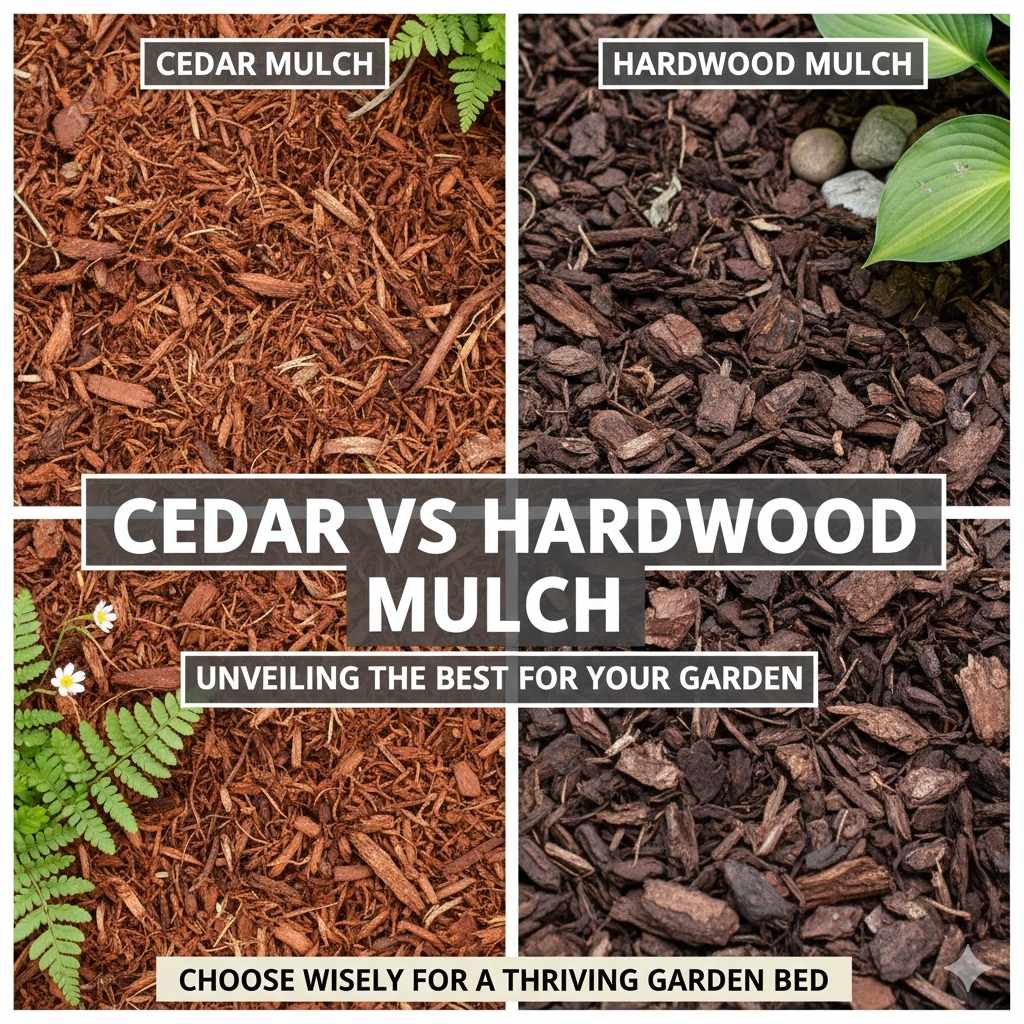
Cedar vs Hardwood Mulch: Unveiling the Best for Your Garden
Choosing the right mulch for your garden can seem tricky at first. With so many options, like Cedar vs Hardwood Mulch: Best Choice for Gardens, it’s easy to feel overwhelmed. But don’t worry! This post breaks down everything you need to know in a simple, step-by-step way. We’ll explore the pros and cons of each type, helping you make the best decision for your plants and your garden’s health. You’ll soon have all the information you need to create a thriving landscape.
Mulch: Defining Your Garden’s Needs
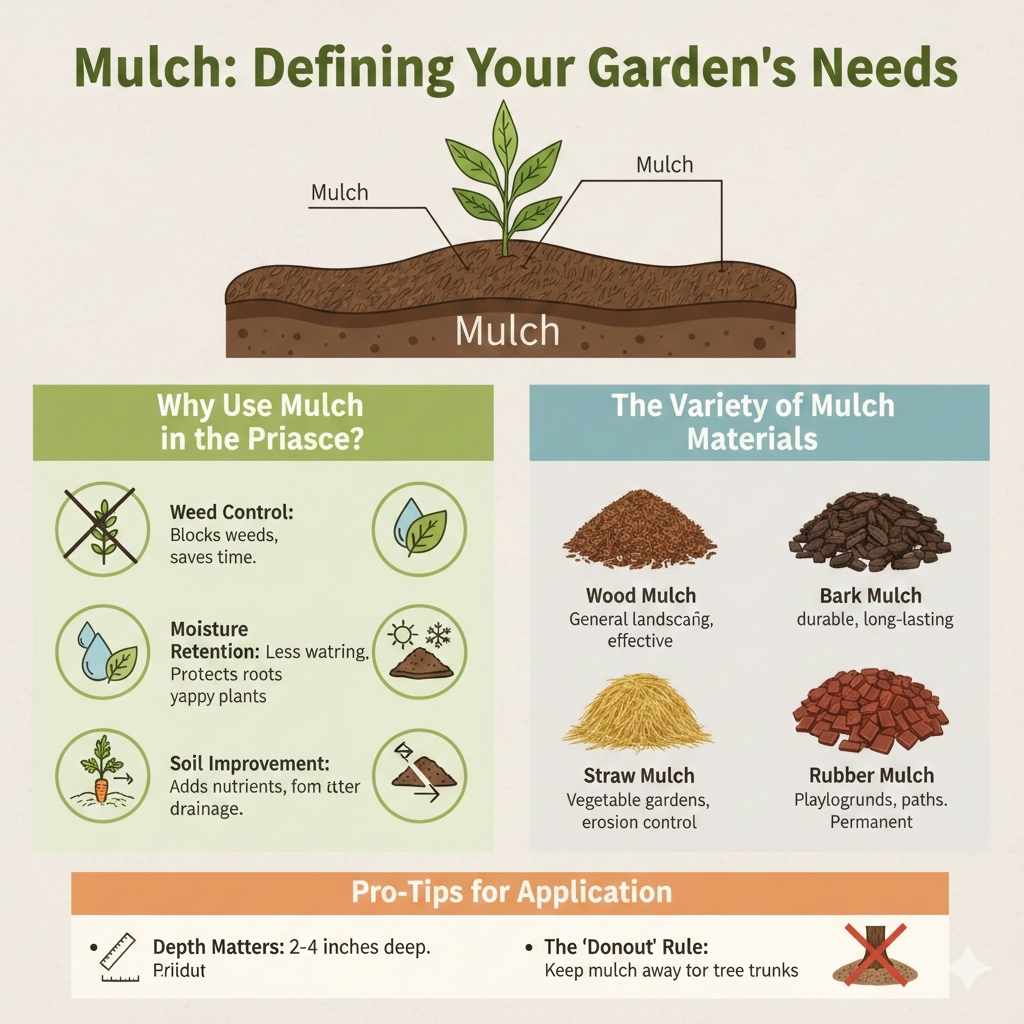
Before exploring the specific choices of Cedar vs Hardwood Mulch: Best Choice for Gardens, it’s helpful to establish a baseline of why mulch is essential. Mulch is like a blanket for your garden soil. It’s a layer of material spread over the ground, often around plants, to provide numerous benefits. It helps to conserve soil moisture, suppress weed growth, regulate soil temperature, and even improve the soil structure over time as it decomposes. Selecting the right type of mulch is important for maximizing these benefits and ensuring a thriving garden.
Why Use Mulch in the First Place?
The main purpose of mulch is to improve the health and appearance of your garden. It’s much more than just a decorative element; it’s a vital part of gardening best practices. By applying mulch, you are building a healthier environment for your plants to flourish. The layers of protection mulch offers are essential for keeping your plants safe and happy.
Weed Control: Mulch acts as a barrier, preventing weed seeds from reaching the soil surface and sprouting. This reduces the amount of time and effort you spend on weeding.
Weeds are unwanted plants that compete with your garden plants for resources like water, sunlight, and nutrients. By suppressing weeds, mulch ensures your plants have everything they need to grow strong and healthy. Different mulch materials offer varying degrees of weed suppression, so choosing the right type can significantly reduce your weeding workload.
Moisture Retention: Mulch helps the soil retain moisture by slowing down evaporation. This means you need to water your plants less often, saving you time and water.
Keeping the soil moist is important for plant health. During hot weather, water can evaporate quickly from the soil. Mulch creates a protective layer that keeps the water in the soil for longer. This is particularly helpful in areas with dry climates or during periods of drought, ensuring your plants do not dry out.
Temperature Regulation: Mulch helps to insulate the soil, keeping it cooler in the summer and warmer in the winter. This protects plant roots from extreme temperature fluctuations.
Plant roots are sensitive to temperature changes. Mulch acts as a buffer, shielding the roots from extreme heat or cold. During hot summer days, mulch keeps the soil cool, preventing stress on your plants. In winter, it helps to prevent the soil from freezing, which can damage the roots. This temperature regulation promotes healthy plant growth.
Soil Improvement: As mulch decomposes, it adds organic matter to the soil, improving its structure, drainage, and fertility.
Over time, mulch breaks down and mixes with the soil. This process adds organic matter, which is like food for the soil. Organic matter improves the soil’s ability to hold water and nutrients. It also improves drainage and aeration, making it easier for plant roots to grow. This is essential for long-term garden health.
The Variety of Mulch Materials
The type of mulch you choose will have different impacts on your garden. Several options are available, each offering unique benefits and drawbacks. Understanding the characteristics of each type is important for selecting the best option for your specific gardening needs and aesthetic preferences. This understanding will provide insight when examining Cedar vs Hardwood Mulch: Best Choice for Gardens.
- Wood Mulch: This is the most common type and includes hardwood and softwood mulches. It provides excellent weed control and moisture retention.
Wood mulch is a popular choice due to its availability, affordability, and effectiveness. Hardwood mulch is made from various tree species and provides a longer-lasting effect. Softwood mulch, often made from pine or cedar, has a distinct aroma and decomposes more quickly. Be mindful of the source when selecting wood mulch to avoid mulches with chemicals or pests.
- Bark Mulch: Made from the bark of trees, this type is very durable and visually appealing. It is excellent at suppressing weeds and retaining moisture.
Bark mulch often comes in shredded or chipped forms and can vary in texture. It’s often favored for its attractive appearance, adding a natural touch to garden beds. It decomposes slowly, lasting for a more extended period than some other mulch types. Bark mulch also provides good insulation for plant roots.
- Rubber Mulch: Made from recycled rubber, this mulch is very durable and long-lasting. It’s great for playgrounds and areas where you need a long-term solution.
Rubber mulch is not an organic material, so it doesn’t decompose and provide nutrients to the soil. It is very effective for areas with high traffic and is often used in playgrounds and other areas where safety is important. Consider the aesthetic impact; it’s often best suited for specific applications.
- Straw Mulch: A great option for vegetable gardens, straw mulch helps to retain moisture and suppress weeds. It’s also a good choice for erosion control.
Straw mulch is typically made from wheat or other grains and is a useful option for vegetable gardens. It decomposes relatively quickly, adding organic matter to the soil. Straw is also a good choice for erosion control in sloped areas. Be aware it can sometimes contain weed seeds, so check the source carefully before use.
Cedar Mulch: A Detailed Examination
When considering Cedar vs Hardwood Mulch: Best Choice for Gardens, cedar mulch stands out as a strong option with unique advantages. It’s important to understand what makes cedar mulch unique to make an informed decision about its suitability for your garden. This part provides an in-depth exploration of cedar mulch, its properties, and how it performs in different garden settings.
Benefits of Cedar Mulch
Cedar mulch provides several advantages that make it a great option. It offers a combination of aesthetics, pest control, and longevity that sets it apart from many other mulch types. Exploring these advantages will shed light on why cedar mulch is a favored choice for many gardens.
Natural Pest Repellent: Cedar wood contains natural oils that repel insects, such as termites, ants, and mosquitoes. This makes it a great choice for areas prone to these pests.
The natural oils in cedar wood are known for their insect-repelling properties. Using cedar mulch can help create a less inviting environment for these unwanted guests. This benefit can be especially useful for gardens located near wooded areas or where insect control is a concern. The oils provide a protective barrier around your plants.
Aesthetic Appeal: Cedar mulch has a pleasant aroma and a warm, reddish-brown color that adds beauty to any garden bed. It can enhance the look of your landscape.
In addition to its practical benefits, cedar mulch is visually appealing. It creates a clean, tidy look and can complement various garden designs. Its natural color and scent add to the overall garden experience. The aesthetic appeal of cedar mulch can create a more inviting outdoor space.
Durability: Cedar mulch is known for its durability and can last for a long time, reducing the need for frequent replacement.
Cedar mulch tends to break down more slowly than some other types of mulch, like pine straw. This reduces the amount of work required to maintain your garden. Because it lasts longer, cedar mulch often ends up being a cost-effective choice in the long run.
Fungal Resistance: Cedar mulch has antifungal properties, which can help to prevent fungal diseases in your plants.
Fungal diseases can damage plants, causing spots, wilting, and even death. The natural antifungal properties of cedar mulch help to create a healthier environment for your plants by suppressing the growth of fungi. This can be especially beneficial in humid or damp climates where fungal diseases are more common.
Drawbacks of Cedar Mulch
While cedar mulch is an excellent option, it’s also essential to be aware of its potential drawbacks. Understanding these disadvantages will help you make a fully informed decision about whether cedar mulch is the right choice for your specific gardening needs and preferences. Knowing these aspects is essential for the Cedar vs Hardwood Mulch: Best Choice for Gardens decision-making process.
Cost: Cedar mulch is typically more expensive than other types of mulch, such as hardwood mulch.
The cost difference is usually due to the harvesting and processing of cedar wood. While the cost is higher upfront, the longer lifespan of cedar mulch can sometimes offset this higher price over time, as you will not need to replace it as often.
Scent: The strong cedar scent may be unpleasant for some people.
The distinctive aroma of cedar can be a positive attribute, especially for those who enjoy the smell of cedar wood. However, it can be overpowering for some. If you are sensitive to strong smells, this is a factor to consider when deciding whether to use cedar mulch.
May Affect Soil pH: Cedar mulch can slightly acidify the soil as it breaks down, which may not be suitable for all plants.
While the change in soil pH is usually minor, it’s important to be aware of its potential impact, especially if you plan to use cedar mulch around plants that prefer neutral or alkaline soil. Regular soil testing can help you monitor the pH levels and make adjustments as needed.
Decomposition Rate: While cedar mulch is durable, it does break down over time. It may decompose slower than other mulches, so it may not add as much organic matter quickly.
This is not necessarily a disadvantage, but it is something to consider. If you are specifically looking to quickly improve your soil’s organic matter content, you may need to supplement your cedar mulch with other materials or amend the soil regularly. The slower decomposition rate also means you might need to replenish the mulch less frequently.
Hardwood Mulch: Exploring the Alternative
The other primary choice for Cedar vs Hardwood Mulch: Best Choice for Gardens is hardwood mulch. This type is a popular and versatile option. It has its unique characteristics, benefits, and drawbacks, which must be considered. Understanding hardwood mulch is essential to provide a balanced comparison with cedar and help you make a final decision.
Benefits of Hardwood Mulch
Hardwood mulch offers several advantages that make it a great choice for many gardens. It provides a range of benefits that can enhance the health and appearance of your plants and landscape. These benefits are key to understanding the value hardwood mulch brings to your garden.
Cost-Effective: Hardwood mulch is generally more affordable than cedar mulch, making it a budget-friendly option for larger areas.
The lower cost is usually due to the wider availability of hardwood and the processing methods. This makes hardwood mulch an economical choice, especially if you have a large garden or need to cover extensive areas.
Soil Enrichment: Hardwood mulch decomposes at a moderate rate, adding organic matter to the soil and improving its structure and fertility.
As hardwood mulch breaks down, it enriches the soil by adding essential nutrients and improving its overall health. This can improve drainage and aeration, benefiting plant roots. The process supports healthier plant growth over time.
Good Weed Control: Hardwood mulch provides effective weed suppression, reducing the need for hand weeding.
The mulch layer blocks sunlight from reaching weed seeds, inhibiting their germination and growth. This makes it easier to keep garden beds tidy and free of unwanted plants. This benefit helps to conserve moisture and nutrients for your desired plants.
Versatility: Hardwood mulch can be used in various garden settings, from flower beds to vegetable gardens.
It is suitable for many types of plants and soil conditions. This versatility makes it an all-around choice. Its adaptability makes it ideal for a wide variety of gardening projects.
Drawbacks of Hardwood Mulch
While hardwood mulch has many benefits, it also has potential drawbacks. Knowing these aspects is vital for a comprehensive comparison in the Cedar vs Hardwood Mulch: Best Choice for Gardens discussion. These points will help you assess whether hardwood mulch suits your specific garden conditions.
Shorter Lifespan: Hardwood mulch tends to decompose more quickly than cedar mulch, requiring more frequent replacement.
The faster decomposition rate means that you will need to replenish the mulch more often. This will involve more labor and cost over time. However, the added organic matter benefits the soil, making this a balanced trade-off.
Can Compact: Over time, hardwood mulch can sometimes compact, reducing air circulation in the soil.
Compaction can affect the health of plant roots. Regular aeration, such as lightly turning the mulch with a garden fork, can help to prevent compaction. Proper installation and maintenance practices can mitigate this issue.
May Contain Weed Seeds: Some hardwood mulches may contain weed seeds, which can lead to unwanted growth in your garden.
The source and processing methods of hardwood mulch can influence the presence of weed seeds. It’s often helpful to source your mulch from a reputable supplier. Consider letting the mulch sit for a few weeks before spreading it to give any weed seeds a chance to sprout and be removed.
May Not Repel Pests: Hardwood mulch does not have natural pest-repelling properties, so it will not help to keep insects away.
Unlike cedar mulch, hardwood mulch does not contain natural oils that repel insects. If you have concerns about pests, you may need to use other methods of pest control alongside hardwood mulch. This includes the implementation of companion planting or the use of natural pest deterrents.
Cedar vs Hardwood Mulch: A Detailed Comparison
The heart of our exploration of Cedar vs Hardwood Mulch: Best Choice for Gardens is in the side-by-side comparison of the two main contenders. This involves comparing the key features of each mulch type to help you make a confident decision. This comparison provides a clear overview of the strengths and weaknesses of each mulch type, so you can choose the best option for your garden.
Key Differences in Features
The main differences between cedar and hardwood mulch relate to their composition, longevity, and impact on the garden. Understanding these differences provides clarity on the best choice for different gardening needs. These points of comparison are central to the Cedar vs Hardwood Mulch: Best Choice for Gardens topic.
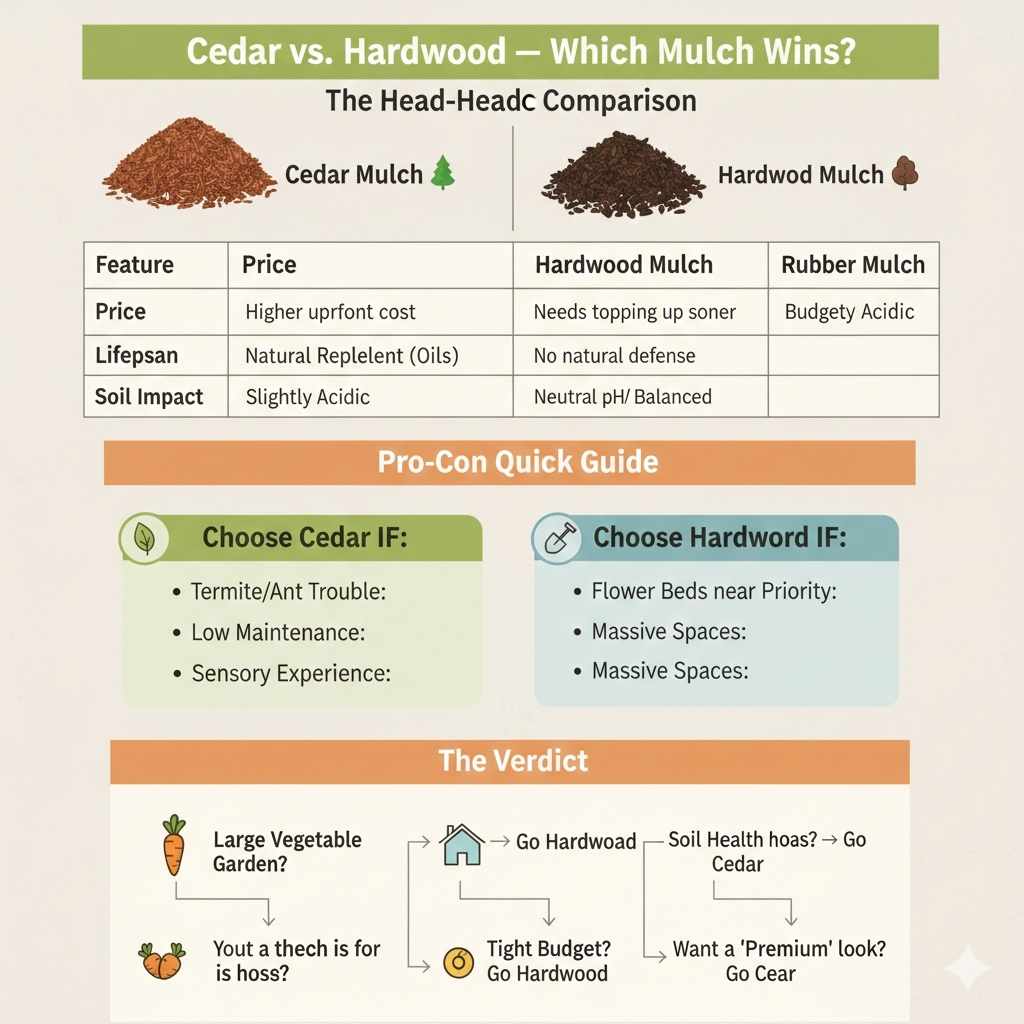
| Feature | Cedar Mulch | Hardwood Mulch |
|---|---|---|
| Cost | Generally More Expensive | Generally Less Expensive |
| Longevity | Longer Lifespan | Shorter Lifespan |
| Pest Repellency | Natural Pest Repellent (Cedar Oils) | No Natural Pest Repellent |
| Soil pH Impact | Slightly Acidic as it Decomposes | Neutral or Slightly Acidic |
| Scent | Strong Cedar Aroma | Generally Neutral Scent |
- Cost: Cedar mulch is usually more expensive than hardwood mulch due to its availability and processing.
This difference can influence your decision if you are on a tight budget or have a large area to cover. Hardwood mulch is a cost-effective choice. Cedar mulch may offer better value over time because of its longer lifespan.
- Lifespan: Cedar mulch lasts longer because it breaks down more slowly.
Hardwood mulch decomposes at a faster rate, which means it will require more frequent
- Pest Control: Cedar mulch naturally repels pests like termites and ants.
Hardwood mulch does not offer pest-repelling properties. If you are dealing with pest issues, cedar mulch can provide an added benefit. If pests are not a major concern, this feature may be less important in your decision-making process.
- Soil pH: Cedar mulch can slightly acidify the soil.
Hardwood mulch has a less significant effect on soil pH. If your plants prefer neutral or alkaline soil, hardwood mulch may be the better option. Consider conducting a soil test to determine your soil’s pH before making a choice.
When to Choose Cedar
Understanding the best conditions to choose cedar mulch can help you decide if it suits your garden. Several factors make cedar mulch an ideal option. These guidelines help to refine the process of selecting the right mulch, particularly in the Cedar vs Hardwood Mulch: Best Choice for Gardens context.
- Pest Infestations: If you live in an area prone to termites, ants, or other pests, cedar mulch can help to repel them.
The natural oils in cedar wood will create a less inviting environment for these insects. This can make cedar mulch a proactive step in protecting your plants. Look for signs of insect damage before applying any mulch.
- Long-Lasting Solution: If you want a mulch that will last a long time, reducing the need for frequent replacement.
Cedar mulch breaks down slower than hardwood mulch, which means you will spend less time and effort on maintenance. This will save you time and money. Consider the long-term benefits in your decision-making.
- Aesthetic Appeal: If you enjoy the look and scent of cedar, it can enhance your garden’s appearance.
Cedar mulch has a warm, reddish-brown color and a pleasant aroma. This makes it a great choice for creating an inviting outdoor space. If you appreciate the aesthetic and sensory aspects of gardening, cedar mulch is a good choice.
When to Choose Hardwood
Knowing the best situations to choose hardwood mulch is important when evaluating Cedar vs Hardwood Mulch: Best Choice for Gardens. Certain conditions make hardwood mulch the ideal option. Identifying these situations makes the decision-making process easier, providing an objective view of when hardwood mulch is the best choice.
- Budget Constraints: If you are looking for a more cost-effective option, hardwood mulch is generally less expensive.
This makes hardwood mulch a practical choice if you have a large garden or have to cover a large area. This is a primary consideration for many gardeners.
- Soil Enrichment: If you want to add organic matter to the soil to improve its structure and fertility.
Hardwood mulch decomposes at a good rate, and the addition of organic matter is beneficial for the long-term health of your plants. It can improve your soil’s ability to retain water and nutrients.
- Versatile Application: If you need a mulch that can be used in a variety of garden settings.
Hardwood mulch is suitable for flower beds, vegetable gardens, and landscaping applications. It is adaptable to many types of plants and soil conditions. This makes it easy to use across your garden.
Frequently Asked Questions
Question: Is cedar mulch safe for pets?
Answer: Yes, cedar mulch is generally safe for pets. However, some pets may be sensitive to the scent, and ingestion of large amounts should be avoided.
Question: How often should I replace mulch?
Answer: This depends on the type of mulch. Cedar mulch can last two to three years, while hardwood mulch may need to be replaced every one to two years.
Question: Can I mix different types of mulch?
Answer: Yes, you can mix different types of mulch, but it is generally recommended to use a consistent type within a specific area for the best results.
Question: Does mulch prevent weeds completely?
Answer: Mulch is effective at suppressing weeds, but it does not eliminate them entirely. Regular maintenance and weeding may still be needed.
Question: What is the best depth for applying mulch?
Answer: A depth of 2-4 inches is generally recommended for most types of mulch. Avoid piling mulch against the stems of plants.
Final Thoughts
Selecting between Cedar vs Hardwood Mulch: Best Choice for Gardens is a decision best informed by your garden’s specific requirements. Cedar mulch offers advantages like natural pest repellency and long-lasting durability, making it an excellent choice for those wanting a low-maintenance, aesthetically pleasing option. However, hardwood mulch provides a cost-effective, soil-enriching solution, suitable for a variety of garden settings. Each type brings different pros and cons, from the aesthetic appeal to the soil impacts of your choices.
Now, reflect on your garden’s needs. Consider the pests you face, your budget, and the kind of soil improvement you seek. Whether you choose cedar or hardwood mulch, applying it correctly ensures a healthier, more beautiful garden. Start by clearing any existing weeds, spreading your chosen mulch at the correct depth, and watching your plants thrive. Happy gardening!