Does Cedar Repel Flies? What the Evidence Actually Shows
Cedar has a real, documented effect on some flying insects, but the evidence is strongest for moths, and much thinner for house flies specifically. The natural compounds in cedar heartwood – mainly cedrol, thujopsene, and related terpenes – are genuinely repellent to a range of insects, but treat cedar as a mild deterrent for a small, enclosed space rather than a reliable fix for an active fly problem.
It’s worth being precise about which compounds are actually doing the work, since this gets misreported often: cedar’s insect-repellent oils are cedrol and thujopsene, not “thujone” – thujone is a different, unrelated compound found in wormwood and sage, and the similar-sounding name gets confused with cedar’s real chemistry in a lot of online articles.
What The Evidence Actually Shows
Best For Indoor, Localized Fly Deterrence
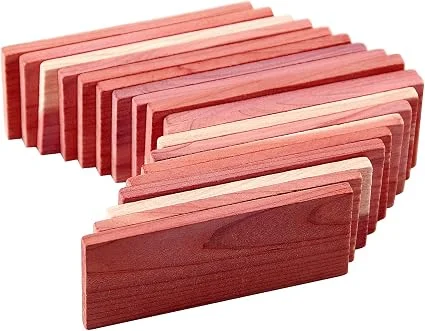 |
Cedar Space Cedar Blocks, 16-Piece Pack – $13.99 Solid aromatic cedar blocks you can set near doors, windowsills, or trash areas – anywhere flies tend to gather indoors.
|
Cedar’s repellent effect is best documented against clothes moths and their larvae, which is the actual historical reason for cedar chests and closets – protecting stored wool fabric, not driving out house flies. The broader claim that cedar repels a range of insects (moths, some cockroaches, silverfish) has more research behind it than the specific claim about house flies, which is largely anecdotal and extrapolated from cedar’s general insect-repellent reputation rather than tested directly.
That doesn’t mean cedar does nothing for flies – the same terpene compounds that bother moths are broadly unpleasant to many insects’ sensory systems – but expect a mild, localized effect rather than a fly-free room. See our full breakdown of which insects cedar actually repels for the wider picture beyond flies specifically.
How To Use Cedar Against Flies, If You Try It
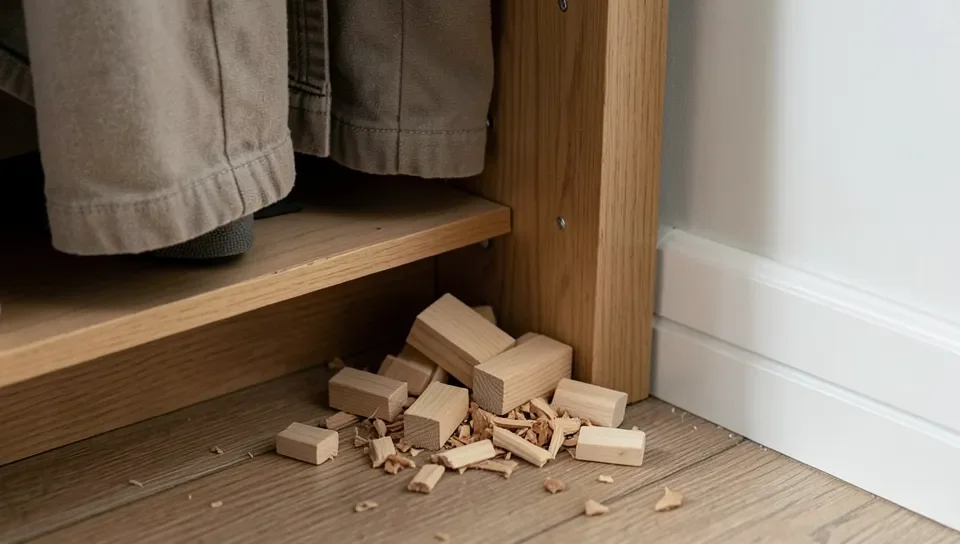
- Place cedar blocks or chips near entry points – windowsills, door thresholds, and near trash cans, where flies most often enter or linger (see how cedar blocks work for more on refreshing their scent)
- Refresh the scent every few weeks with a light sanding – cedar’s volatile oils fade over time, and a dull-smelling block does little
- Combine with actual exclusion methods – screens, sealed trash, and quickly cleaning up food or organic waste – cedar is a supplement, not a replacement, for these
- For outdoor areas, cedar mulch or cedar chips around patios and doorways can add a mild deterrent effect alongside other measures
Cedar Vs. Other Fly Control Methods
| Method | Effectiveness Against Flies | Trade-off |
|---|---|---|
| Cedar blocks/oil | Mild, localized, best evidence is for moths not flies | Safe, pleasant scent, no chemicals, but limited range and fades over time |
| Window/door screens | High – prevents entry entirely | One-time cost, doesn’t address flies already indoors |
| Chemical sprays/traps | High, fast-acting | Effective quickly but needs reapplication and involves chemical exposure |
| Sanitation (sealed trash, cleaning spills) | High – removes the attractant, not just the fly | Requires ongoing habit, not a one-time fix |
Frequently Asked Questions
Does cedar really repel flies?
Cedar has documented repellent effects on several insects, most strongly on clothes moths. The evidence specifically for house flies is thinner and mostly anecdotal – expect a mild, localized effect rather than a complete solution.
What compound in cedar repels insects?
The main compounds are cedrol and thujopsene, terpenes found in cedar heartwood oil. This is often mislabeled as “thujone” online, but thujone is a different, unrelated compound found in wormwood and sage.
Is cedar effective against all types of flies?
No single method is effective against every fly species, and cedar’s effect varies. It’s best treated as one layer of a broader approach rather than a targeted solution for a specific fly type.
Can cedar be used indoors for repelling flies?
Yes – cedar blocks, chips, or oil work best in small, enclosed indoor spaces like closets or near entry points, where the scent can concentrate, rather than in a large open room.
Conclusion
Cedar has a real but modest effect on flies – strongest evidence-wise for moths, weaker and more anecdotal for house flies specifically. Use cedar blocks or chips as one low-effort, chemical-free layer near entry points, but pair it with actual exclusion (screens, sealed trash) and sanitation for a real fly problem rather than expecting cedar alone to solve it.
Sponsored / affiliate links. As an Amazon Associate I earn from qualifying purchases. I may earn additional commission from eligible campaigns.