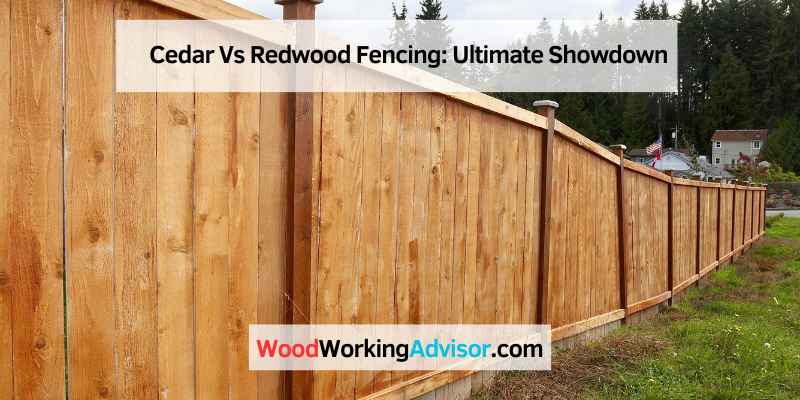
Cedar Vs Redwood Fencing: Ultimate Showdown
Cedar and redwood are both popular choices for fencing, with cedar being more affordable and redwood offering a higher level of durability and longevity. When deciding between cedar and redwood fencing, consider your budget and desired lifespan of the fence.
Both options provide natural beauty and resistance to decay, making them excellent choices for outdoor fencing projects. Cedar fences are known for their distinct aroma and insect-repelling properties, while redwood fences are prized for their rich color and resistance to rot.
Whether you prioritize cost-effectiveness or longevity, both cedar and redwood fencing options offer high-quality solutions for your property.
Introduction To Cedar And Redwood
When it comes to choosing the right material for a fencing project, cedar and redwood are two popular options that homeowners often consider. Both cedar and redwood are known for their durability, natural beauty, and resistance to decay. In this blog post, we will explore the native habitats and characteristics of cedar and redwood, as well as their popular uses in fencing.
Native Habitats And Characteristics
Cedar is a type of softwood that is native to North America, particularly in the Pacific Northwest region. It is known for its distinct reddish-brown color and sweet aroma. Cedar trees can grow to impressive heights, with some species reaching up to 200 feet. The wood of cedar is naturally resistant to rot, decay, and insect damage, making it an excellent choice for outdoor applications such as fencing.
On the other hand, redwood is also a type of softwood that is native to the coastal regions of California. It is known for its rich reddish-brown color, straight grain, and natural resistance to decay and insects. Redwood trees can grow to towering heights, with some species reaching over 300 feet. The wood of redwood is highly durable and can withstand harsh weather conditions, making it a popular choice for outdoor projects like fencing.
Popular Uses In Fencing
Both cedar and redwood are sought after for their natural beauty and versatility in fencing projects. Here are some popular uses for each:
| Cedar | Redwood |
|---|---|
|
|
Both cedar and redwood offer natural beauty, strength, and durability, making them ideal choices for a wide range of fencing styles. Whether you prefer the reddish-brown tones and sweet aroma of cedar or the rich color and straight grain of redwood, both materials will enhance the appearance of your property while providing privacy and security.
Aesthetics And Design Appeal
Cedar and redwood are both popular materials for fencing due to their natural beauty and durability. Both materials offer unique aesthetics and design appeal, with cedar having a lighter color and redwood having a darker, richer hue. Consider your personal preferences and the specific needs of your property when choosing between cedar and redwood fencing.
Color Variations And Weathering
When it comes to the aesthetics of fencing, color variations and weathering play a significant role in the overall design appeal. Both cedar and redwood offer a wide range of natural colors that can enhance the visual appeal of any outdoor space.
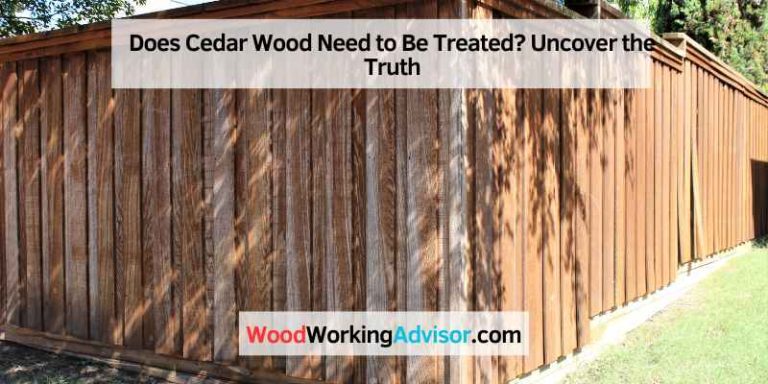
Cedar fencing is known for its warm, reddish-brown hues that can vary from light amber to deep cinnamon tones. The rich color variations of cedar give it a timeless and rustic charm, making it a popular choice for homeowners seeking a natural and welcoming look. Over time, cedar tends to weather to a silvery-gray patina, which can add a touch of elegance to the overall design.
On the other hand, redwood fencing showcases a stunning array of colors that range from light pink to deep reddish-brown. The vibrant and earthy tones of redwood can bring a sense of sophistication and natural beauty to any outdoor setting. Similar to cedar, redwood also weathers gracefully, developing a lovely silver-gray patina that blends seamlessly with its surroundings.
Grain Patterns And Textures
Aside from color, the grain patterns and textures of cedar and redwood fencing also contribute to their design appeal. Each type of wood possesses its own unique characteristics that can add depth and visual interest to the overall look of the fence.
Cedar is known for its distinct grain patterns, which range from tight knots to straight and wavy lines. This natural variation in grain creates a visually appealing texture that can add a touch of rustic charm to any outdoor space. The smooth and consistent texture of cedar also makes it an ideal choice for staining or painting, allowing homeowners to customize the look according to their preferences.
Redwood, on the other hand, offers a straight and even grain pattern that exudes elegance and sophistication. The consistent texture of redwood lends itself well to a sleek and modern design aesthetic. Its smooth surface is also perfect for applying finishes, bringing out the natural beauty of the wood grain and enhancing the overall appeal.
In conclusion, both cedar and redwood fencing offer distinct and visually appealing aesthetics. Cedar’s warm color variations and rustic grain patterns create a welcoming and timeless look, while redwood’s vibrant hues and sleek textures bring sophistication and elegance to any outdoor space. Whether you prefer the natural weathered patina or the fresh look of stained wood, both options provide a range of design possibilities to suit your personal style and enhance the overall appeal of your property.
Durability And Longevity
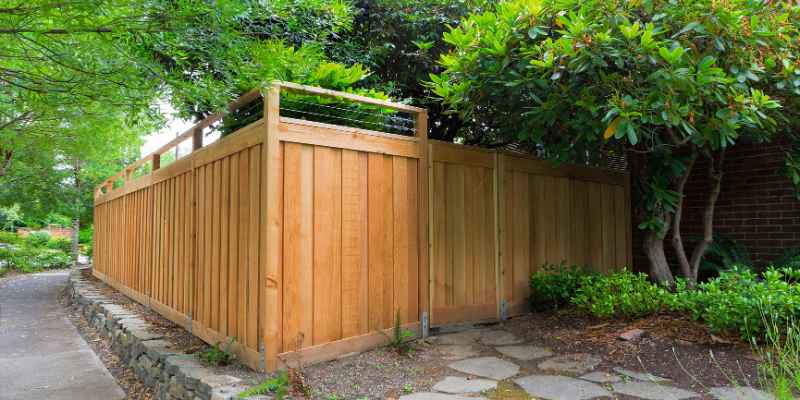
Cedar and Redwood are two popular wood fencing options known for their durability and longevity. Both types of wood have natural oils that make them resistant to decay, pests, and weather damage. However, Redwood is generally considered more durable and long-lasting due to its higher density and natural resistance to fire.
Resistance To Rot And Insects
Cedar has natural oils that make it resistant to rot and insects, extending its lifespan.
Redwood contains tannins that protect it from decay and insect damage, ensuring durability.
Life Expectancy In Different Climates
Cedar lasts up to 15 years in wet climates due to its rot resistance, while redwood can endure up to 20 years.
In drier climates, cedar can survive up to 25 years but redwood can last over 30 years due to its natural durability.
Maintenance Requirements
When it comes to choosing a fencing material, maintenance is a crucial factor to consider. Cedar and redwood are two of the most popular options, and both require certain levels of upkeep to ensure they last long and stay looking great. Here’s what you need to know about the maintenance requirements of cedar vs redwood fencing.
Cleaning And Staining Intervals
Cedar and redwood both require regular cleaning to keep them looking their best. A simple solution of water and mild detergent can be used to remove dirt, debris, and stains. It’s important to rinse the fence thoroughly after cleaning to avoid leaving any residue behind.
Staining is also necessary to protect the wood from weather damage and maintain its color. Cedar typically needs to be stained every 3-5 years, while redwood can go up to 7-10 years between staining. However, the staining interval can vary based on the climate and level of exposure to the elements.
Repair And Replacement Considerations
Despite regular maintenance, fences can still sustain damage over time. Cedar is known to be more susceptible to rot, decay, and insect infestation than redwood. This means that cedar fences may need repairs or replacement more frequently than redwood fences. However, cedar is generally less expensive than redwood, so replacing individual boards or sections may not be as costly.
Redwood, on the other hand, is naturally more resistant to rot, decay, and insects. This means that redwood fences may require less maintenance and have a longer lifespan than cedar fences. However, redwood is typically more expensive than cedar, so the initial cost may be higher.
Environmental Impact And Sustainability
Compare the environmental impact of Cedar vs Redwood fencing for sustainability. Consider factors like sourcing, durability, and eco-friendliness when choosing between the two options. Make an informed decision to support sustainable practices and reduce environmental footprint.
When it comes to selecting a fencing material, environmental impact and sustainability are crucial factors to consider. Cedar and Redwood are popular choices for fencing, but which one is more eco-friendly? In this section, we will compare the harvesting practices and eco-friendly disposal methods of Cedar and Redwood.
Harvesting Practices
Cedar and Redwood are both harvested from sustainable forests, but the harvesting practices differ. Cedar is typically grown in managed forests, where only a small percentage of the trees are harvested at a time. This allows for the forest to regenerate naturally, ensuring a continuous supply of Cedar without harming the environment.
Redwood, on the other hand, is often harvested from old-growth forests, which are mature forests that have not been disturbed by humans. This can lead to deforestation and destruction of natural habitats. However, some companies have started to implement sustainable harvesting practices for Redwood, such as selective logging and reforestation efforts.
Eco-friendly Disposal
Both Cedar and Redwood are biodegradable and can be disposed of in an eco-friendly manner. Cedar is often used for composting, as it decomposes quickly and adds nutrients to the soil. Redwood can also be used for composting, but it takes longer to decompose.
Another eco-friendly disposal method for Cedar and Redwood is recycling. Both materials can be recycled into mulch or other wood products, reducing the amount of waste in landfills.
In conclusion, while both Cedar and Redwood are eco-friendly fencing options, Cedar is the more sustainable choice due to its managed harvesting practices. However, Redwood can also be a sustainable option if harvested using selective logging and reforestation efforts. Regardless of the material chosen, both Cedar and Redwood can be disposed of in an eco-friendly manner through composting or recycling.
Cost Comparison
Cedar and redwood are popular choices for fencing due to their natural beauty, durability, and resistance to decay. When comparing the cost of cedar vs. redwood fencing, several factors need to be considered, including the initial investment and long-term value analysis.
Initial Investment
Cedar fencing typically has a lower initial cost compared to redwood. The price of cedar boards is generally more affordable, making it an attractive option for homeowners looking to save on their fencing project.
Redwood fencing, on the other hand, tends to come with a higher upfront price tag. The cost of redwood lumber is often higher than cedar, which can impact the initial investment required for a redwood fence.
Long-term Value Analysis
Cedar fencing may require more frequent maintenance, including staining or sealing, to preserve its appearance and structural integrity over time. While the initial cost is lower, the long-term value analysis should account for the ongoing maintenance expenses associated with cedar fencing.
Redwood fencing, known for its natural resistance to decay and insects, offers a longer lifespan with minimal maintenance requirements. Despite the higher initial investment, the long-term value analysis of redwood fencing should consider its durability and potential cost savings on maintenance and repairs.
Installation And Workability
When it comes to cedar vs redwood fencing, considering the installation and workability is crucial. Both types of wood have their own characteristics that affect how they can be cut, assembled, and installed.
Ease Of Cutting And Assembly
Cedar is known for its ease of cutting and assembly. Its straight grain and uniform texture make it simpler to work with. Redwood, on the other hand, can be more challenging to cut due to its hardness and density.
Tool And Hardware Compatibility
Both cedar and redwood are compatible with a variety of tools and hardware. However, cedar’s softer nature makes it more forgiving with tools, while redwood may require sharper blades and more precision during assembly.
Consumer And Expert Opinions
The choice between cedar and redwood fencing can be a tough decision for homeowners. Understanding the opinions of both consumers and experts can provide valuable insights into the best option for your needs.
Testimonials And Reviews
Consumer testimonials and reviews play a crucial role in understanding the real-world performance of cedar and redwood fencing. Many homeowners have expressed their satisfaction with the durability and natural beauty of cedar fencing. On the other hand, redwood has also garnered praise for its rich color and resistance to decay. However, it’s important to note that individual experiences may vary.
Professional Recommendations
Professionals in the fencing industry often offer valuable insights into the performance of cedar and redwood. Experts commonly recommend cedar for its affordability and ease of maintenance, making it an attractive option for budget-conscious homeowners. Redwood, on the other hand, is often favored for its exceptional durability and natural resistance to pests and decay. Professional guidance can help homeowners make an informed decision based on their specific requirements.
Final Verdict
After considering the pros and cons of cedar and redwood fencing, it is evident that both options have their merits. While cedar is known for its natural resistance to rot and insects, redwood boasts a striking appearance and exceptional durability. Ultimately, the decision between cedar and redwood fencing comes down to your specific needs and preferences.
Pros And Cons Summary
Before making a decision, it’s crucial to weigh the advantages and disadvantages of each wood type:
| Cedar Fencing | Redwood Fencing | |
|---|---|---|
| Pros |
|
|
| Cons |
|
|
Choosing The Right Wood For Your Project
When determining the most suitable wood for your fencing project, consider factors such as climate, budget, and desired aesthetic. If you prioritize natural resistance and a pleasant aroma, cedar may be the ideal choice. Conversely, if durability and visual appeal are paramount, redwood could be the perfect fit for your needs.
Frequently Asked Questions
Is Cedar Or Redwood Better For Fences?
Cedar and redwood are both great choices for fences. They are durable, resistant to rot and insects, and have natural beauty. Cedar is known for its affordability and versatility, while redwood offers a rich, reddish color and is more resistant to decay.
Ultimately, the best choice depends on your preferences and budget.
What Are The Disadvantages Of A Cedar Fence?
Cedar fences have a few disadvantages. They can be expensive to install and require regular maintenance. Cedar is also susceptible to rot, insect damage, and weathering over time. Additionally, cedar fences may not offer the same level of privacy as other types of fences.
What Kind Of Wood Is Best For Fencing?
The best wood for fencing is typically cedar or redwood due to their natural resistance to decay and insects. These woods also offer a desirable appearance and durability for outdoor use.
How Much More Expensive Is Redwood Than Cedar?
Redwood is generally more expensive than cedar due to its higher quality and durability.
Conclusion
When choosing between cedar and redwood fencing, consider durability, cost, and maintenance needs. Both woods have unique qualities, so pick based on your specific preferences and budget. Ensure longevity by proper installation and regular upkeep. Make an informed decision for a fence that suits your property best.