Why Is Cedar Wood So Expensive? 2026 Price Breakdown by Species
Cedar costs more than most softwoods because “cedar” isn’t one wood – it’s a marketing umbrella covering several unrelated species, and the one doing most of the price-setting (Western Red Cedar) is genuinely a cypress, not a true cedar at all. Add in slow growth, selective harvesting, and kiln-drying, and a board that looks like a $3 pine 2×4 can run $6-$9 per board foot.
That confusion is why price comparisons online are all over the map – one site quotes $3 a board foot, another quotes $12, and neither says which species they mean. This guide breaks the price down by species, grade, and processing, so you know exactly what you’re paying for before you buy.
Cedar Isn’t One Species – That’s Why Prices Vary So Much
Lumber yards use “cedar” for at least five commercially distinct softwoods, and their prices don’t move together:
| Species Sold as “Cedar” | Typical Price/Board Foot | Common Use |
|---|---|---|
| Eastern Red Cedar (aromatic juniper) | $3 – $6 | Closet lining, chests |
| Western Red Cedar | $4 – $9 | Decking, siding, fencing |
| Incense Cedar | $2.50 – $5 | Fence posts, pencils |
| Spanish/Aromatic Cedar (not a true cedar) | $5 – $10 | Humidors, cigar boxes |
| Port Orford Cedar | $8 – $15+ | Boat building, archery, export to Japan |
Western Red Cedar sets the price most homeowners actually see, since it dominates the decking and siding aisle. But even within that one species, price swings 2x or more based on the grade and drying method covered below – so “cedar is $4 a board foot” and “cedar is $9 a board foot” can both be true quotes for the exact same species.
Verify What You’re Paying For
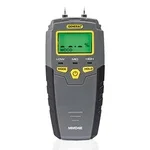 |
General Tools MMD4E Moisture Meter – $39.98 Kiln-dried cedar commands a real premium over air-dried stock – this meter lets you confirm a board is actually as dry as the yard is charging for.
|
What Actually Drives the Price: Grade, Drying, and Milling
Species sets the baseline, but three more factors move the price of that same species up or down before it ever reaches a job site.
Grade Classifications
Cedar is graded by how much clear, knot-free face the board shows. “Clear” or “Select Tight Knot” grades (small, tight knots only) cost the most because a mill has to reject more of the log to get consistent boards. “Construction Common” or “Standard” grade allows larger, looser knots and splits – it’s fine for fencing and rough framing but costs 30-40% less than clear stock of the same species, because the mill wastes less of the log getting there.
Kiln-Drying vs. Air-Drying
Air-dried cedar sits in a yard for months losing moisture on its own; kiln-dried cedar is forced down to roughly 15-19% moisture content in days using energy-fed drying chambers. Kiln-drying costs the mill money in fuel and chamber time, but the payoff is a board that won’t cup, twist, or shrink after installation – so kiln-dried commands a 10-20% premium over air-dried stock of the same grade. That premium is exactly why the moisture meter above earns its keep: a yard charging kiln-dried prices should hand you a board reading in that 15-19% range, not 25%+.
Specialized Milling
Tongue-and-groove paneling, shiplap siding, and beveled lap siding all require extra passes through a molder after the board is cut to rough dimension. Each pass adds labor and machine time, which is why finished siding profiles cost noticeably more per board foot than a plain rough-sawn 2×6 of the same grade and species.
Slow Growth and Regional Supply Keep Cedar Scarce
Western Red Cedar takes roughly 50-80 years to reach a diameter worth milling into clear lumber, and old-growth stands with the widest, most knot-free logs are almost entirely gone from commercial harvest in the Pacific Northwest. What’s left comes from younger second-growth trees, which naturally produce more knots and less clear-grade material per log – shrinking the supply of the higher grades that command top prices.
Geography compounds the scarcity. Western Red Cedar grows commercially in a narrow band of British Columbia, Washington, and Oregon; Port Orford Cedar is confined to an even smaller strip of southern Oregon and northern California. Every board that ships outside that region carries freight costs baked into the price, and mill closures or export demand (Port Orford Cedar is heavily exported to Japan for temple construction) can tighten supply for the entire North American market with little warning.

Cedar vs. Other Woods: Is the Premium Worth It?
Pressure-treated pine is cedar’s closest price competitor, running roughly 30-50% cheaper per board foot. The tradeoff is chemical treatment (copper-based preservatives) versus cedar’s natural oil resistance, and pine’s tendency to warp more as it dries in place after installation. Redwood sits closest to cedar in both price and performance, often running slightly higher than Western Red Cedar for clear grades, with similar rot resistance from its own natural extractives.
Where cedar loses to cheaper options is raw structural strength – Douglas fir and pressure-treated pine both outperform cedar for load-bearing framing, so cedar’s premium buys appearance and weather resistance, not structural capacity. For a full breakdown of whether that premium holds up over the life of an outdoor project, see our guide on whether cedar is actually worth it for outdoor use, which covers lifespan and maintenance cost side by side with pressure-treated wood.
How to Get Cedar Without Overpaying
- Buy construction-grade, not clear, for anything that gets painted or stained solid. Knots disappear under solid-color stain, so there’s no reason to pay the clear-grade premium.
- Ask for kiln-dried only when dimensional stability actually matters – a rough fence board that will move seasonally anyway doesn’t need the kiln-dried premium the way a tight-fitting interior panel does.
- Buy from a local mill near a growing region when possible. Every mile a board travels from British Columbia or Oregon adds freight cost that a regional yard passes straight to you.
- Check off-cuts and shorts bins. Mills sell shorter or slightly imperfect cedar boards at a steep discount – fine for fence pickets, planters, or trim where board length doesn’t matter.
Frequently Asked Questions
Why Is Cedar So Much More Expensive Than Pine?
Cedar grows far slower than plantation pine, comes from a smaller commercial growing region, and contains natural oils that resist rot without chemical treatment – all of which add cost that pressure-treated pine avoids through fast growth and cheap chemical preservation instead.
Is Western Red Cedar Worth the Extra Cost?
It’s worth it if you want a chemical-free board with natural rot resistance and a warmer appearance than pressure-treated pine. If budget is the priority and the wood will be painted anyway, construction-grade pressure-treated pine performs similarly for less money.
Does All Cedar Cost the Same Amount?
No. “Cedar” covers several different species with prices ranging from about $2.50 to over $15 per board foot, and even within one species, grade and drying method can double the price of the same size board.
How Can I Buy Cedar Without Overpaying?
Choose construction-grade over clear grade for anything that will be painted, skip the kiln-dried premium on boards that will move seasonally anyway, and check a mill’s off-cuts or shorts bin for discounted shorter lengths.
Conclusion
Cedar’s price comes down to which species you’re actually buying, what grade and drying method that specific board went through, and how far it traveled from one of a handful of growing regions. Knowing those three levers – species, grade/drying, and sourcing – is what lets you pay for the cedar you actually need instead of a premium you don’t.
Sponsored / affiliate links. As an Amazon Associate I earn from qualifying purchases. I may earn additional commission from eligible campaigns.