Does Cedar Help With Moisture? What It Actually Does vs. the Myth
Cedar helps with moisture in one specific, well-documented way: its natural oils let it resist rot and decay even after repeated wetting, which is why it’s the standard choice for closets, chests, siding, and fences. What cedar does not do is pull humidity out of the air like a dehumidifier or a bag of silica gel. If you’ve read that cedar “absorbs moisture to keep a room dry,” that claim overstates what the wood actually does. Here’s the real distinction between cedar’s genuine rot-resistance and the humidity-control myth, plus where cedar’s moisture properties actually matter and where they don’t.
The Short Answer: Rot-Resistant, Not a Dehumidifier
Cedar earns its reputation the honest way. It holds up in wet, humid environments better than almost any other domestic softwood because of compounds called thujaplicins in its heartwood, which slow the fungi that cause decay. That’s a real, measurable property backed by decades of use in siding, fencing, and closets. What cedar does not do is meaningfully lower the relative humidity of a room the way a mechanical dehumidifier does. A cedar closet liner or a cedar chest can take the edge off small amounts of ambient moisture the same way any wood does, but it will not dry out a genuinely damp basement or a poorly ventilated closet.
Our Pick For Closet Liner Planks
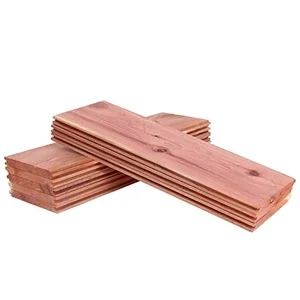 |
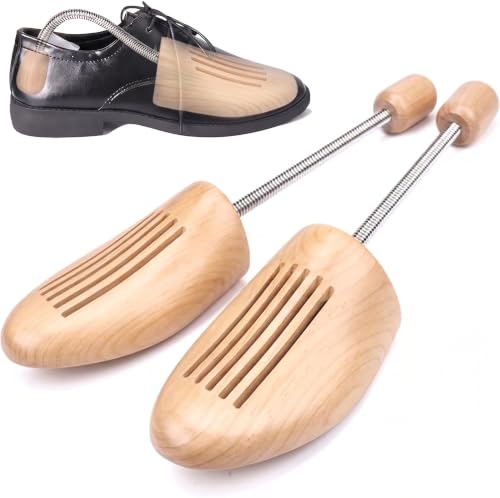
Homode Cedar Closet Liner Planks (Set of 8) – $26.16 Real solid-cedar liner planks for the moth-repellent, mild moisture-shedding benefit this article actually confirms – not a dehumidifier, just genuine aromatic cedar for a closet or drawers.
|
Why Cedar Actually Resists Rot in Damp Conditions
Cedar’s rot resistance comes down to chemistry, not moisture avoidance. Thujaplicins and related extractives in the heartwood act as natural fungicides, interfering with the wood-decay fungi that break down cellulose in wetter, less durable species. Cedar also has a low density and a straight, open grain, so a given board holds relatively little water for its size and dries out faster once conditions improve, instead of staying saturated the way a denser hardwood can. That combination, natural fungicide plus a structure that doesn’t trap water, is why cedar decking, fencing, and siding routinely outlast pressure-treated pine even without a chemical treatment. For the full breakdown of the specific compounds involved and how cedar compares to other rot-resistant species, see our guide on why cedar is rot-resistant.
The “Hygroscopic” Claim: What It Actually Means
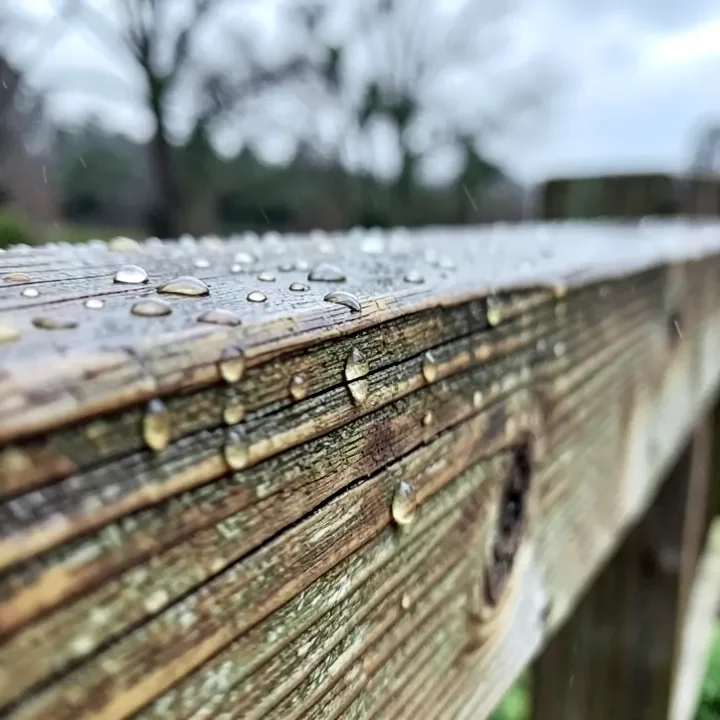
Every species of wood, cedar, pine, oak, all of them, is technically hygroscopic: it absorbs and releases moisture as the surrounding humidity rises and falls, swelling and shrinking slightly along the way. That’s simply how wood works; it is not a special cedar superpower. Indoor wood typically settles into an equilibrium moisture content in the single digits to low teens depending on climate and season, and cedar is no exception to that basic physics. What actually sets cedar apart is that it’s a low-density wood with a straight, open grain, so it takes on comparatively little water for its size and sheds what it does absorb faster than denser woods. In practice, that means a cedar-lined closet or a stack of cedar planks won’t stay damp and musty as long as oak would sitting in the same spot, but that’s a difference of degree, not the desiccant-like “moisture-absorbing” behavior implied by a lot of marketing copy.
Cedar Closets and Chests: What’s Actually Protecting Your Clothes
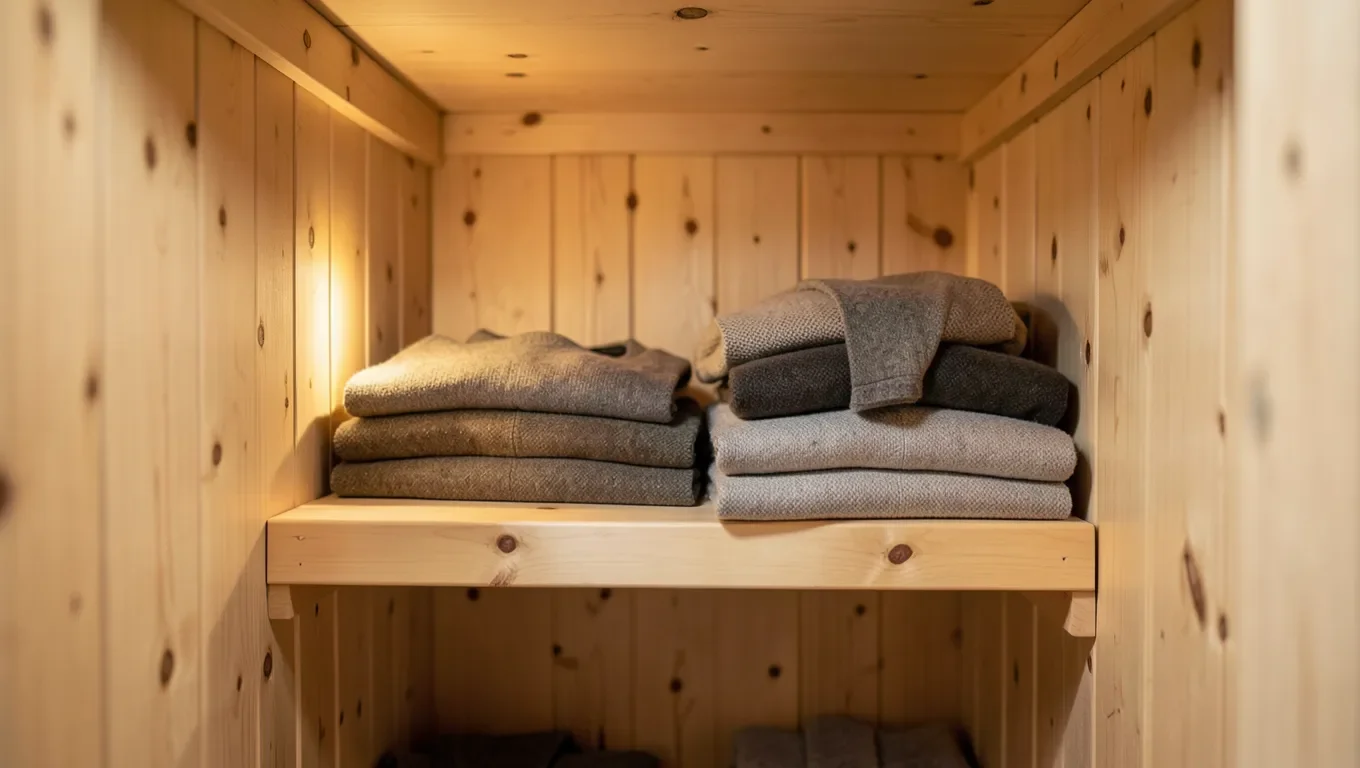
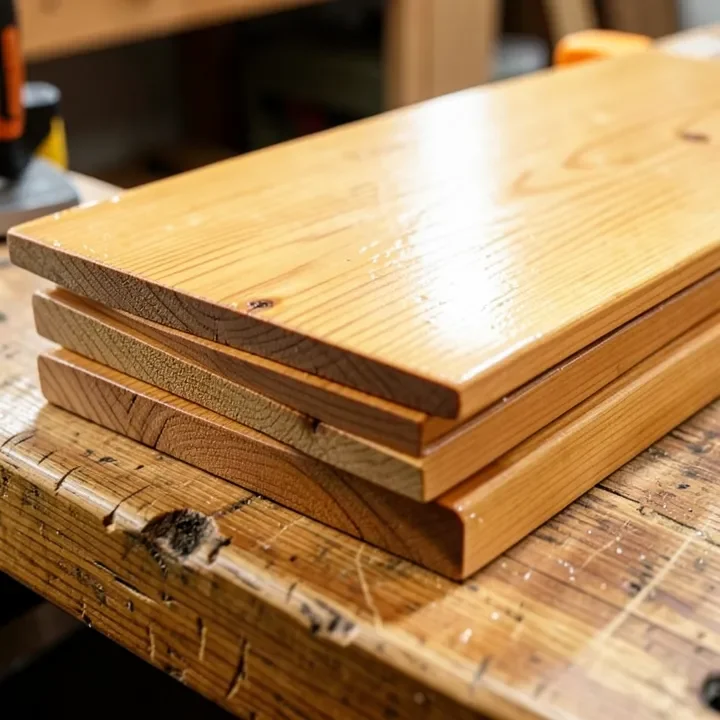
The real value of a cedar-lined closet or chest isn’t humidity control, it’s the aromatic oils, primarily cedrol and related compounds, that make the space inhospitable to clothes moths. That’s a genuinely useful, well-documented benefit for wool, silk, and other moth-vulnerable fabrics, and it’s the actual reason cedar chests have protected clothing for generations. Those oils fade over roughly six to twelve months and need a light sanding to refresh, faster in consistently humid climates. We cover that maintenance reality, along with the real cost-versus-benefit math, in our guide on whether cedar closets are worth it. If your actual problem is a genuinely humid closet, clothes coming out feeling damp, a musty smell cedar oil doesn’t mask, cedar liner alone isn’t the fix; better airflow or a small closet dehumidifier is. If you’re refreshing cedar liner or blocks yourself, our cedarwood oil concentrate guide covers dilution ratios for reviving the scent. It’s also worth separating cedar’s moth-repellent reputation from pest claims that don’t hold up nearly as well, our look at whether cedar actually repels roaches is a useful comparison for how much a “natural repellent” claim can vary by pest.
Cedar Siding and Fences: How It Handles Rain and Humidity Outdoors
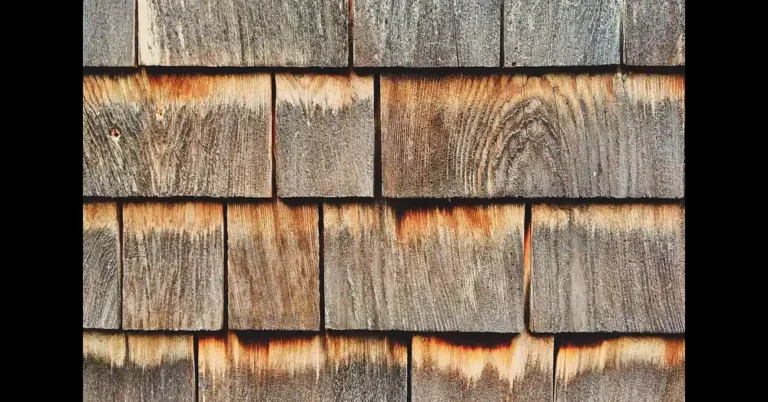
Outdoors is where cedar’s real moisture-related advantage shows up most clearly. Fences, siding, and decking are exposed to direct rain, splash-back, and long stretches of humid air, conditions that rot untreated pine or fir within a handful of years. Cedar’s fungicidal oils and low water retention let it shed that exposure far better, which is why it’s a standard choice in humid coastal and southern climates as much as drier ones. That said, cedar isn’t waterproof or maintenance-free outdoors: end grain still needs sealing, boards should be installed with drainage gaps rather than tight against each other, and a UV-rated finish extends both the look and the lifespan. The rot resistance is real and does most of the heavy lifting; it just isn’t the same thing as the wood being immune to water.
When Cedar Won’t Solve a Real Humidity Problem
If you’re dealing with a genuinely humid space, a basement that smells musty, a closet where clothes never quite feel dry, a chest that fogs up in summer, cedar is not the tool for that job. It doesn’t pull measurable humidity out of the air the way a dehumidifier does, and no amount of cedar lining will compensate for poor ventilation or an actual moisture source like a leak or inadequate vapor barrier. Use cedar for what it’s genuinely good at: resisting rot in wet conditions and repelling moths with its scent. For the underlying humidity problem itself, fix the airflow, add a small dehumidifier, or address the moisture source directly, then let cedar do the job it’s actually suited for.
Cedar and Moisture: Fact vs. Myth at a Glance
Because cedar’s moisture reputation gets stretched in so many different directions across product pages and forum threads, it helps to separate the claims that hold up from the ones that don’t:
- Fact: Cedar resists rot and decay in persistently wet conditions better than most other domestic softwoods, thanks to thujaplicins in its heartwood.
- Fact: Cedar holds less water for its size than denser woods and dries out faster once conditions improve, so it stays drier-feeling in a closet than oak or pine would.
- Fact: Cedar’s aromatic oils genuinely repel clothes moths, which is the real reason it protects stored wool and silk.
- Myth: Cedar actively pulls humidity out of the air like a dehumidifier or silica gel packet.
- Myth: A cedar-lined closet or chest will stay dry on its own in a genuinely humid room with poor airflow.
- Myth: Cedar is waterproof or maintenance-free outdoors; end grain, joints, and finish still need attention.
Whether you’re comparing species for an outdoor build or deciding how to protect stored clothing, that distinction between “resists moisture damage” and “removes moisture from the air” is the one detail most cedar marketing copy glosses over. Once you know which claim actually applies to your situation, it’s much easier to tell whether cedar is the right material or whether the real fix is ventilation, a finish, or a dehumidifier.
Frequently Asked Questions
Does cedar actually absorb moisture from the air?
All wood absorbs some ambient moisture, cedar included, since every species is technically hygroscopic. But cedar does not function like a dehumidifier or silica packet, and it will not meaningfully lower a room’s relative humidity. Its real strength is resisting rot and decay despite that moisture, not eliminating the moisture itself.
Why is cedar rot-resistant if it still absorbs moisture?
Cedar resists rot because of natural fungicidal compounds called thujaplicins in its heartwood, which slow the fungi responsible for decay, combined with a low-density, open, straight grain that sheds water faster than denser woods like oak. It is chemistry and structure at work, not moisture avoidance.
Will a cedar closet keep my clothes from feeling damp?
Not reliably on its own. A cedar closet’s proven benefit is repelling clothes moths through its aromatic oils, which is a real and well-documented effect. For a genuinely humid closet, pair cedar lining with real ventilation or a small dehumidifier rather than relying on the wood alone to dry the air.
Is cedar a good choice for humid, rainy climates outdoors?
Yes, cedar siding and fencing hold up well in humid, rainy climates specifically because of their rot resistance, not because the wood dries the air around it. Proper installation with drainage gaps and occasional refinishing still matters for long-term durability.
Sponsored / affiliate links. As an Amazon Associate I earn from qualifying purchases. I may earn additional commission from eligible campaigns.