12 Cedar Bench Ideas for Your Garden (Avoid This Screw Mistake)
Cedar is one of the few outdoor woods that looks good and holds up without a lot of babysitting, which is why it shows up in more garden bench builds than almost any other species. Western red cedar’s natural oils fight rot and insects on their own, so a cedar bench can go decades with just an occasional coat of sealer — or none at all if you like the way it weathers.
This guide walks through real cedar bench styles worth building or buying — classic park benches, modern chevron builds, space-saving L-shapes, and planter combos — along with the lumber sizes and dimensions people actually use. It also covers one detail most “bench ideas” roundups skip entirely: the wrong screw can leave permanent black streaks in cedar within a single wet season.
Why Cedar Works So Well for an Outdoor Bench
Best Stainless Screws for Cedar
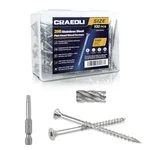 |
Craedli #10 x 3″ 316 Stainless Steel Wood Screws (100-Pack) – $19.99 316 stainless steel won’t react with cedar’s tannins, so you skip the black iron-tannate staining that shows up around ordinary steel or galvanized screws within a season.
|
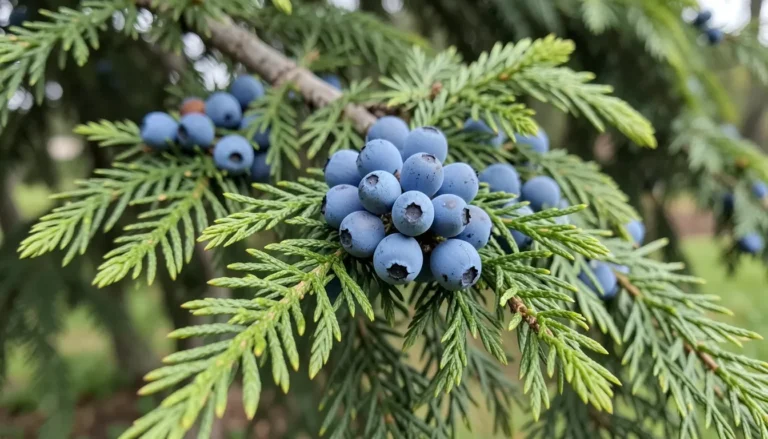
Most cedar furniture in the U.S. is built from Western red cedar (Thuja plicata), not the aromatic cedar used in closet liners and chests. Western red cedar contains natural compounds called thujaplicins, which is the reason it resists rot and wood-boring insects without any chemical treatment. That’s also why it’s the wood behind cedar fencing, siding, and outdoor decking, not just furniture.
Cedar is also light for its size — roughly a third lighter than oak — which matters if you want to drag a bench around the yard to chase shade or move it for mowing. The tradeoff is softness: cedar’s Janka hardness rating is around 350 lbf, well below oak (1,360 lbf) or teak (1,070 lbf), so it dents and scuffs more easily under heavy daily use. For a garden bench that mostly gets sat on rather than stood on, that tradeoff rarely matters in practice.
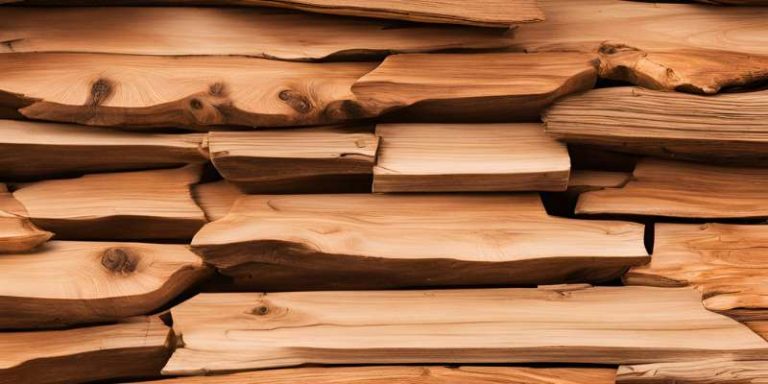
Cedar lumber is also sold in a range of grades, and the grade matters more for a bench than most buyers expect. Construction-grade (knotty) cedar is the cheapest option and fine for a rustic-looking build, but the knots are weak points where a board is more likely to crack under repeated weight. Clear or select-grade cedar costs more per board foot but has few or no knots, which holds up better on seat slats that flex every time someone sits down. See our own cedar wood cost breakdown for current per-board-foot pricing by grade, and our comparison of the best woods for a garden bench if you’re still deciding between cedar and an alternative like teak or black locust.
Classic and Traditional Cedar Bench Styles
The classic park-style bench is still the most-built cedar design, and for good reason. Curved or straight armrests, a slatted backrest, and a slatted seat let rainwater drain through instead of pooling, which keeps the wood drying out faster after a storm. This style is forgiving to build too — most plans use straight cuts and butt joints rather than anything requiring precise angles.
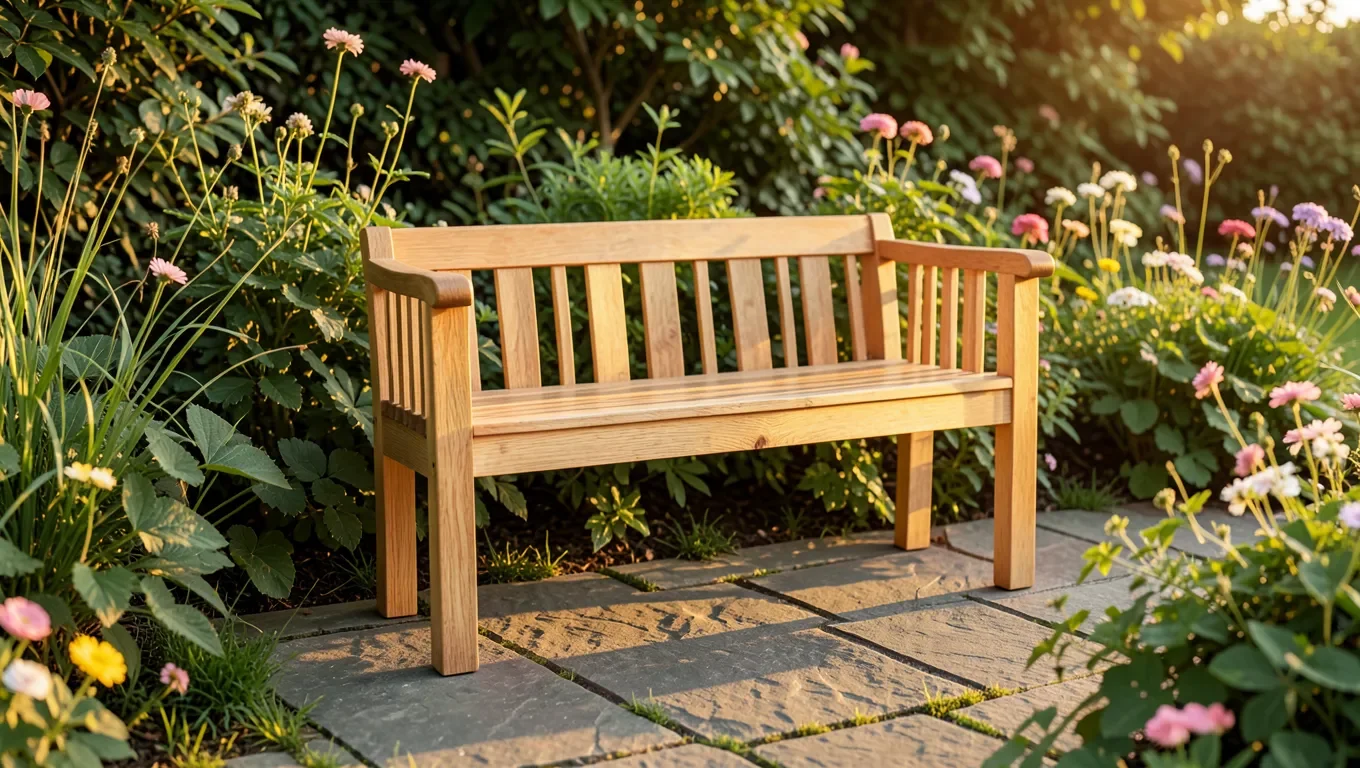
A rustic loveseat version scales the same idea down to a two-person bench, usually 36-42 inches wide instead of the standard 48-60 inches. It’s a good fit for a small reading nook or a spot tucked beside a garden bed, and because it’s smaller, it’s also a more approachable first build for someone who hasn’t worked with cedar before. If you want full step-by-step build instructions rather than design ideas, see our DIY garden bench guide.
Modern Cedar Bench Designs
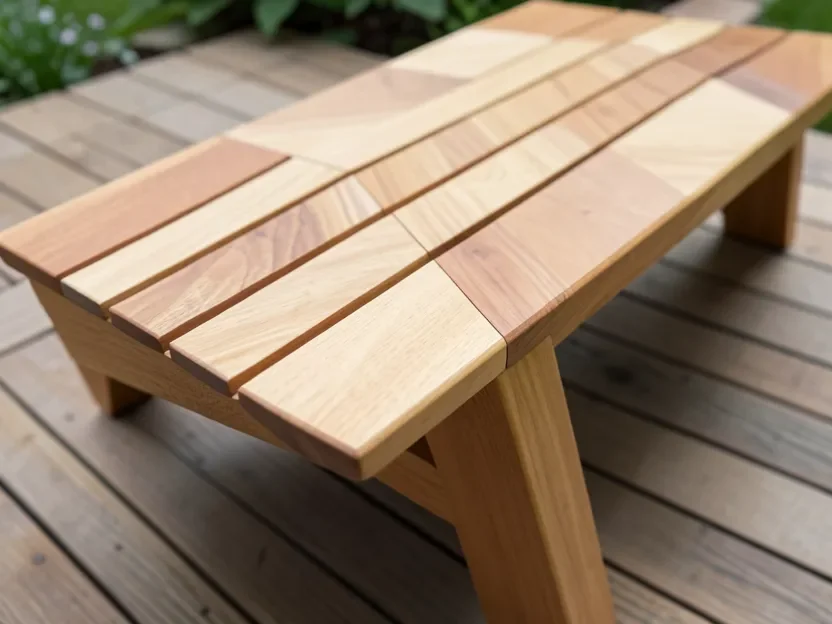
A chevron-pattern bench arranges the seat boards at an angle instead of running them straight, so the joints form a V down the center of the seat. It reads as a much more advanced build than it actually is — the individual cuts are still straight, they’re just mitered at matching angles before assembly. The angular pattern paired with cedar’s warm, straight grain is one of the more distinctive looks available without switching materials.
Minimalist builds strip the design down to clean lines with no applied trim or carving, letting the cedar grain do the visual work. Some builders mix in a second material for contrast — black powder-coated steel legs under a cedar seat, or a cedar seat resting on a stacked-stone base. The mixed-material approach also spreads the load off the softer cedar at the points that take the most wear, since the legs and base see more abrasion than the seat itself.
Space-Saving Designs: L-Shaped and Planter-Combo Benches
An L-shaped bench wraps around a corner of a patio or deck, which fits more seating into the same footprint than a straight bench would. It’s also one of the simpler builds in this list — most versions skip pocket screws and angled joinery entirely, using straight cuts and a mitered corner post where the two runs meet.
A bench-with-planters combo stacks cedar 2x4s into box planters on each end, with 1×6 seat boards spanning the gap between them. It’s a practical option for a small patio because the planters double as armrests, and it uses less total lumber than building a bench and separate planter boxes.
Standard Cedar Bench Dimensions and Lumber to Buy
Most comfortable garden benches land in a fairly narrow range: a seat height of 17-19 inches, a seat depth of 16-18 inches, and a slight backward tilt (about 3-5 degrees) if there’s a backrest. Bench length usually runs 48 inches for two people or 60 inches for three, though anything up to about 72 inches still works without needing a center support leg.
For lumber, most plans call for 2x4s for the legs and frame, 1×6 or 5/4×6 boards for the seat and back slats, spaced about 1/4 inch apart for drainage. Cedar fence pickets (typically 5/8 x 5.5 inches) are a budget alternative for the slats on a casual build, though they’re thinner and won’t hold up as long under regular weight as dimensional 1x or 5/4 stock.
The Screw Mistake That Stains Cedar Black
This is the part most cedar bench roundups leave out entirely, and it’s the one mistake that can ruin an otherwise good build. Cedar’s natural tannins react with iron when the wood gets wet, forming iron tannate — the same blue-black compound historically used to make ink. In practice, that means an ordinary carbon-steel or galvanized screw driven into cedar will eventually bleed a dark, streaky stain down the wood around every fastener, usually within one rainy season.
Galvanized screws don’t solve it — they only delay it. Once the thin zinc coating wears off at the screw head (which happens fast from foot traffic or sitting), the exposed steel underneath reacts the same way. Copper fasteners cause a similar reaction and should also be avoided.
The fix is straightforward: build with stainless steel screws, which don’t react with cedar’s tannins at all. 304 stainless is fine for most inland gardens, but 316 stainless (sometimes labeled “marine grade”) holds up better in coastal or consistently humid climates because it resists pitting corrosion that 304 can develop in salty or wet air.
Finishing and Maintenance
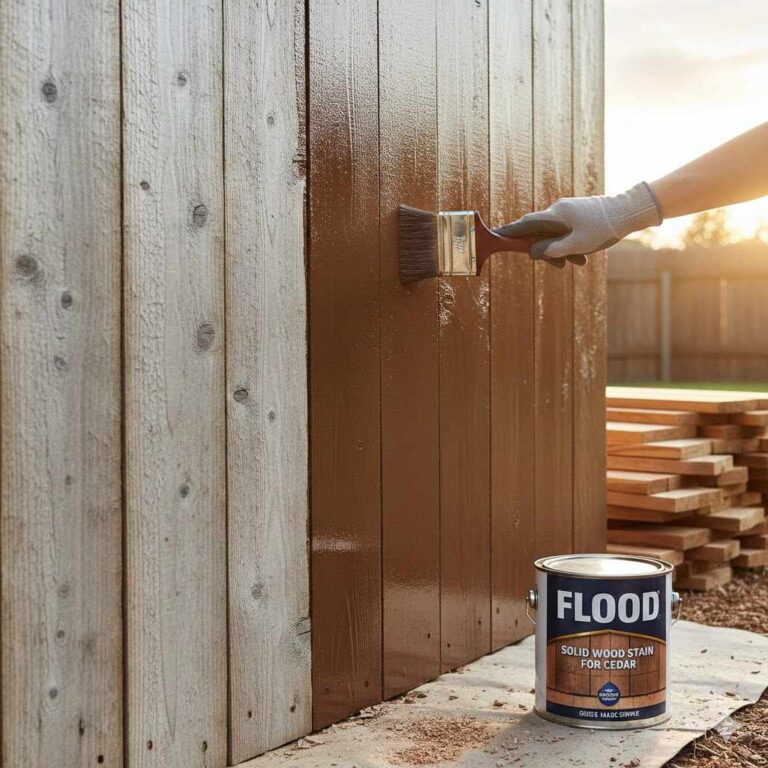
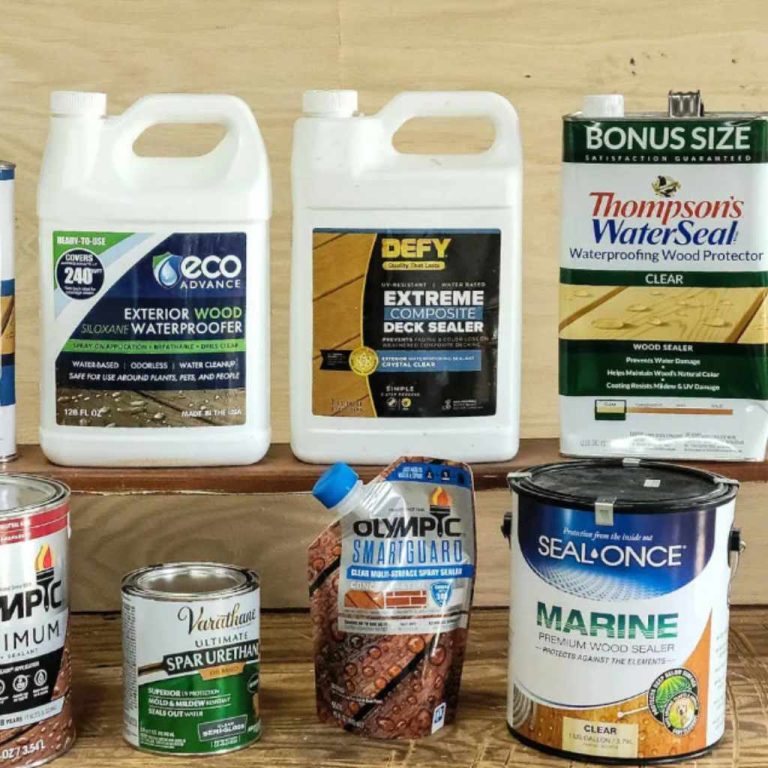
Cedar benches work either finished or bare, and it’s genuinely a style choice rather than a durability requirement. Left unsealed, cedar weathers to a soft silver-gray within a year or two and needs essentially no upkeep beyond an occasional rinse. Sealed with a penetrating oil or semi-transparent stain, it keeps its warm honey-brown color but needs reapplication every 1-2 years — more often in full sun, less if the bench sits in shade.
Either way, clean the bench with a soft brush and mild soap and water rather than a pressure washer held close, which can fuzz up cedar’s soft grain. Keeping the bench’s feet off bare soil — on a paver, gravel pad, or small foot risers — also helps, since direct soil contact keeps the end grain damp longer than it needs to be.
Frequently Asked Questions
Is Cedar a Good Wood for an Outdoor Bench?
Yes. Western red cedar’s natural oils resist rot and insects without chemical treatment, and it’s light enough to move but sturdy enough for regular seating. Its main tradeoff is softness — a 350 lbf Janka rating — so it dents more easily than hardwoods like oak or teak.
What Screws Should You Use for a Cedar Bench?
Stainless steel. Regular steel and galvanized screws react with cedar’s tannins to form dark iron tannate stains, usually within one wet season. Use 304 stainless for most climates, or 316 stainless in coastal or high-humidity areas.
How Long Does a Cedar Bench Last Outdoors?
A well-built cedar bench typically lasts 20-30 years outdoors with basic care. Keeping it off bare soil and reapplying sealer every 1-2 years (if finished) extends its life; left unsealed, it will weather to gray but still holds up structurally for many years.
Should You Seal a Cedar Bench or Let It Weather Naturally?
Both are valid. Sealing with a penetrating oil or semi-transparent stain preserves cedar’s honey-brown color but needs reapplication every 1-2 years. Leaving it bare lets it weather to silver-gray within a year or two and requires little more than occasional cleaning.
Conclusion
Cedar earns its place as one of the most popular garden bench materials because it looks good, resists the elements on its own, and works across styles from a classic slatted park bench to a modern chevron build. Pick a design that fits your space, stick to standard 17-19 inch seat heights for comfort, and use stainless steel fasteners from the start — it’s the one detail that determines whether the bench still looks good in five years or is already streaked with stains.
Sponsored / affiliate links. As an Amazon Associate I earn from qualifying purchases. I may earn additional commission from eligible campaigns.