Cedarwood Oil Pest Control: The Ultimate, Safe Guide
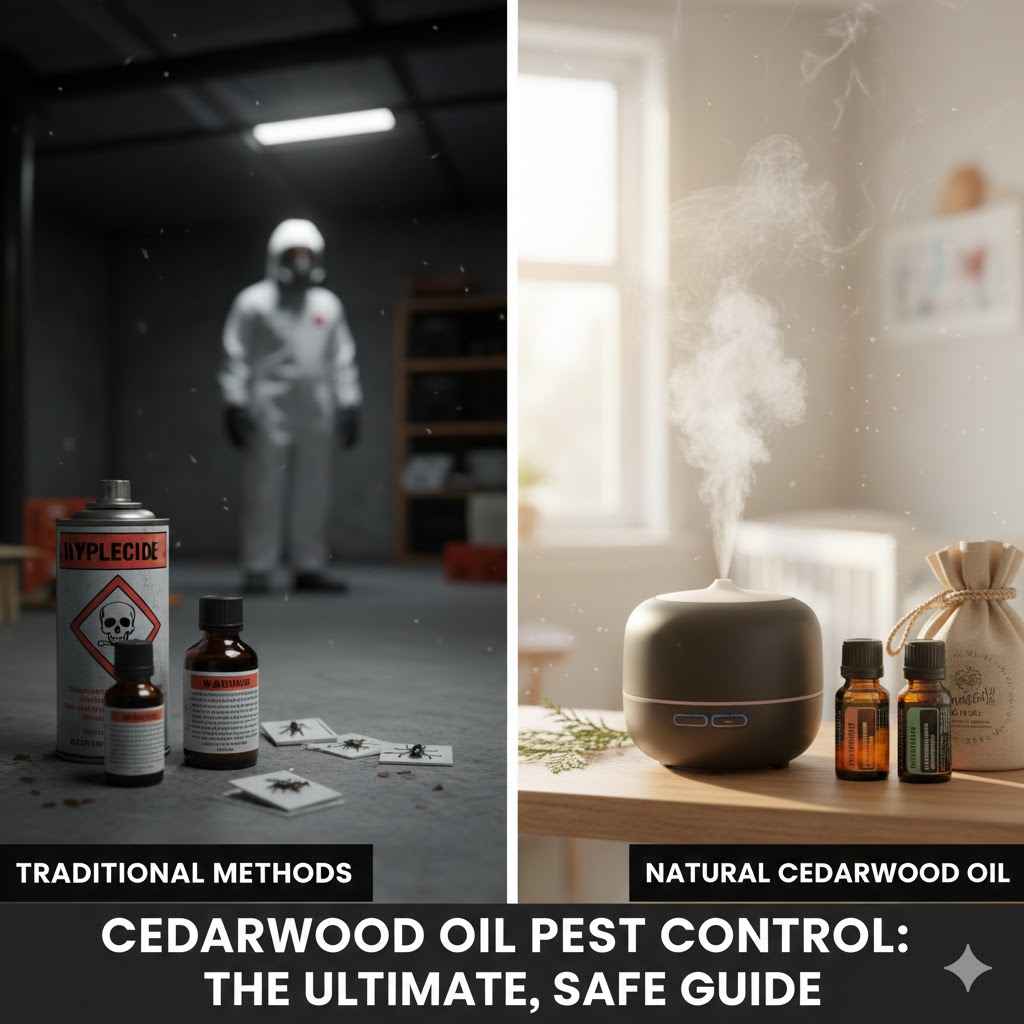
Cedarwood oil pest control is a safe, natural, and effective way to repel common household pests like moths, ants, mosquitoes, and fleas. By mixing the oil with water, you can create a simple DIY spray for use indoors and outdoors, protecting your home, garden, and family without harsh chemicals.
Hello there! Md Meraj here. If you’ve ever opened a closet to find tiny holes in your favorite sweater or watched a line of ants march across your kitchen counter, you know how frustrating pests can be. It’s a common problem for every homeowner. Many of us reach for a chemical spray without a second thought, but then we worry about what we’re spraying around our kids and pets.
I’ve always believed that the best solutions are often the simplest and most natural ones. That’s why I want to talk about one of my favorite workshop secrets that works wonders all over the house: cedarwood oil. It’s a fantastic, non-toxic way to keep pests at bay. Don’t worry, this is easy! I’ll walk you through everything you need to know, step by step, to make your home a pest-free sanctuary, the natural way.
What is Cedarwood Oil and How Does it Work?
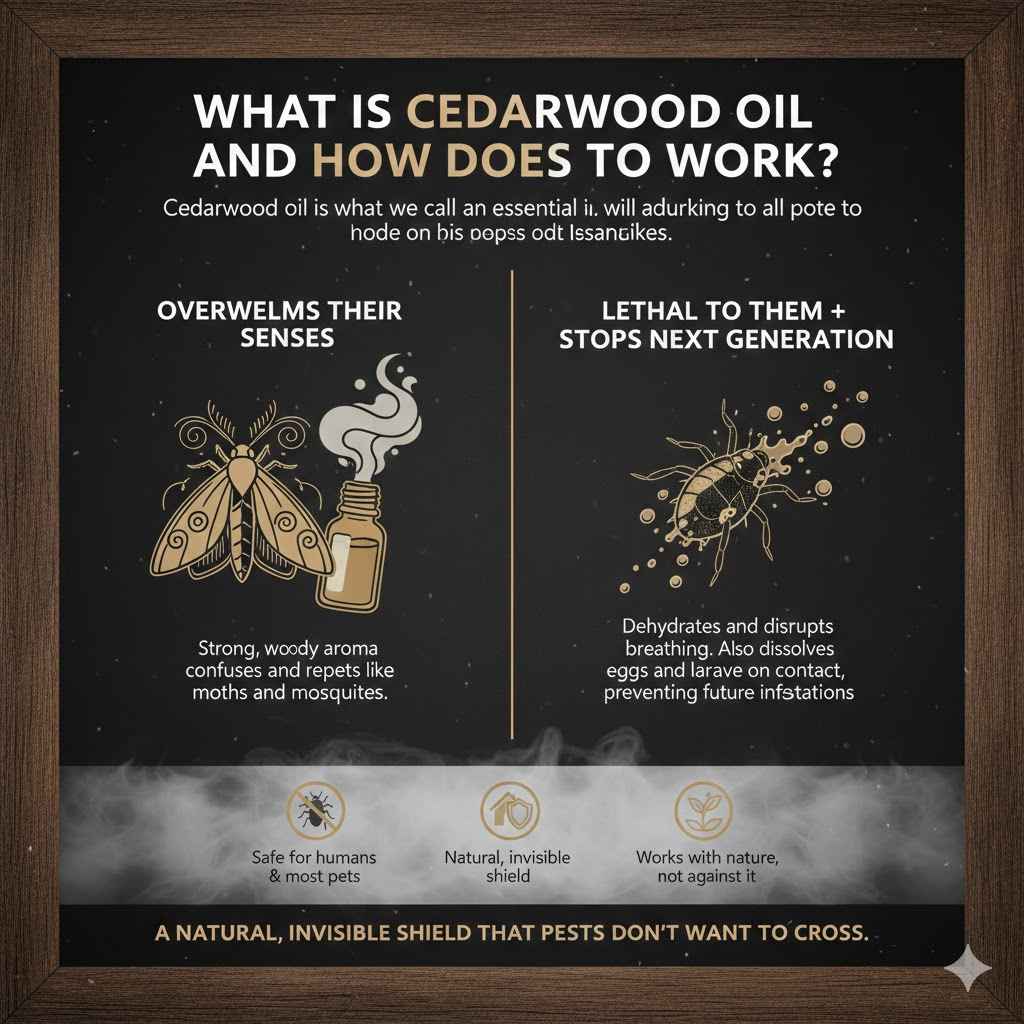
Cedarwood oil is what we call an essential oil. It’s extracted directly from the wood of cedar trees, like the Virginia Cedar or Texas Cedar. For centuries, people have known that cedar chests keep woolens safe from moths. That’s not magic; it’s the power of the oil inside the wood!
So, how does it work? Pests hate the scent and feel of it. Here’s the simple breakdown:
- It Overwhelms Their Senses: Many insects, like moths and mosquitoes, use their sense of smell (through their antennae) to find food or mates. The strong, woody aroma of cedarwood oil confuses and overwhelms them, so they just stay away.
- It Can Be Lethal to Them: For tiny pests like fleas, ticks, and ants, the oil can be more than just a repellent. It can dehydrate them, disrupt their breathing, and break down their shells. But don’t worry, it’s completely safe for us humans and most of our pets when used correctly.
- It Stops the Next Generation: The oil can also disrupt the life cycle of pests. It can dissolve eggs and larvae on contact, preventing new pests from showing up later.
Think of it as creating a natural, invisible shield around your home that pests simply don’t want to cross. It’s an approach that works with nature, not against it.
The Wonderful Benefits of Using Cedarwood Oil
Switching to cedarwood oil for pest control isn’t just about getting rid of bugs. It’s about making a healthier, more pleasant choice for your home. Let’s look at why it’s such a great option.
It’s Safe for Your Family and Pets
This is the number one reason I recommend it. You can spray it around your home without worrying about your children or pets inhaling toxic fumes. It’s a peace-of-mind solution. A quick note on pets: while it’s safe for dogs and most animals, you should be a little more cautious with cats and birds, as they can be sensitive. We’ll cover those safety details a bit later!
It’s Kind to the Environment
Unlike chemical pesticides that can harm beneficial insects like bees and butterflies, cedarwood oil is targeted. It comes from a natural, renewable source and breaks down harmlessly in the environment. The U.S. Environmental Protection Agency (EPA) even classifies cedarwood oil as a minimum-risk pesticide, meaning it’s considered safe enough that it doesn’t require federal registration.
It Has a Great, Natural Smell
Let’s be honest, chemical bug sprays smell awful. Cedarwood oil, on the other hand, leaves behind a warm, woody, and clean scent. It’s like bringing the calming smell of a forest into your home. You’re not just repelling pests; you’re making your home smell wonderful at the same time.
It’s Amazingly Versatile
You’re not just buying a can of ant killer or a box of mothballs. A single bottle of cedarwood oil can be used to handle dozens of different pest problems all over your house, in your garden, and even on your patio furniture. It’s a true multi-tool for the DIY homeowner.
What Pests Can You Control with Cedarwood Oil?
You might be surprised at the long list of uninvited guests that cedarwood oil can help you manage. It’s not a one-trick pony. Here is a handy table showing some of the most common pests it works on and where you might find them.
| Pest | Commonly Found | How Cedarwood Oil Helps |
|---|---|---|
| Clothes Moths | Closets, drawers, storage chests | Repels adults and can kill larvae. |
| Ants | Kitchens, windowsills, doorways | Disrupts their pheromone trails and repels them. |
| Mosquitoes | Patios, yards, near doors/windows | Acts as a powerful scent-based repellent. |
| Fleas & Ticks | Pet bedding, carpets, lawns | Kills them on contact and repels new ones. |
| Cockroaches | Kitchens, bathrooms, basements | A strong repellent they dislike. |
| Silverfish | Damp areas like basements, bathrooms | Repels them from dark, humid spaces. |
| Spiders | Corners, windows, garages | Deters them from building webs in treated areas. |
| Flies | Kitchens, around trash cans | The strong scent keeps them away. |
How to Make Your Own Cedarwood Oil Pest Control Spray
Ready to get hands-on? Making your own all-purpose cedarwood oil spray is incredibly simple. It takes less than five minutes, and you’ll have a powerful, natural pest control tool ready to go. Let’s do this together.
Step 1: Gather Your Simple Materials
You don’t need any fancy equipment. You probably have most of this at home already.
- A Clean Spray Bottle: A 16 oz (about 500 ml) bottle is a great size to start with. Glass is best because essential oils can break down plastic over time, but a high-quality, chemical-resistant plastic bottle (look for PET or HDPE plastic) works well too.
- Cedarwood Essential Oil: Look for 100% pure oil. Texas Cedarwood (Juniperus mexicana) or Virginia Cedarwood (Juniperus virginiana) are both excellent choices for pest control.
- Warm Water: This helps the ingredients mix together more easily.
- A Natural Emulsifier (Optional but Recommended): Oil and water don’t like to mix. An emulsifier helps them blend. You can use a teaspoon of natural liquid soap (like Castile soap) or a high-proof alcohol like rubbing alcohol or vodka.
Step 2: Mix Your Solution
This is the fun part! It’s like a simple science experiment.
- Pour your emulsifier into the empty spray bottle first. If you’re using liquid soap, add about 1 teaspoon. If using rubbing alcohol, add about 2 tablespoons.
- Now, add your cedarwood oil. For a general-purpose spray, a good ratio is about 30-40 drops of cedarwood oil for a 16 oz bottle.
- Fill the rest of the bottle with warm water. Leave a little space at the top so you can shake it well.
- Screw the nozzle on tightly and give it a good, vigorous shake for about 30 seconds. You’ll need to shake it before each use to keep the oil and water mixed.
And that’s it! You’ve just made your very own batch of natural, effective pest repellent. See? I told you it was easy.
Step 3: How and Where to Use Your Spray
Now that you have your spray, let’s put it to work. Before you go spraying everywhere, always test it on a small, hidden spot of any fabric or surface to make sure it doesn’t cause discoloration.
Indoors: Your First Line of Defense
- Entry Points: Lightly mist around windowsills, door frames, and any small cracks where pests might sneak in.
- Kitchen Counters & Cabinets: After cleaning, spray a light mist and wipe down surfaces to deter ants and roaches. The oil is safe, but it’s best to let surfaces dry before preparing food on them.
- In Closets & Drawers: Mist the inside corners of closets and drawers to protect your clothes from moths. Don’t spray directly on delicate fabrics like silk.
- Under Sinks & Behind Appliances: These dark, hidden spots are popular with pests. A quick spray every couple of weeks can keep them out.
- Pet Bedding: Lightly mist your dog’s bed to repel fleas and ticks. Let it dry completely before your pet uses it.
Outdoors: Create a Protective Barrier
- Patios & Decks: Spray your outdoor furniture, railings, and the perimeter of your deck to create a mosquito-free zone for your family gatherings.
- Around the Foundation: Walk around your house and spray the foundation, paying extra attention to vents, faucets, and other entry points.
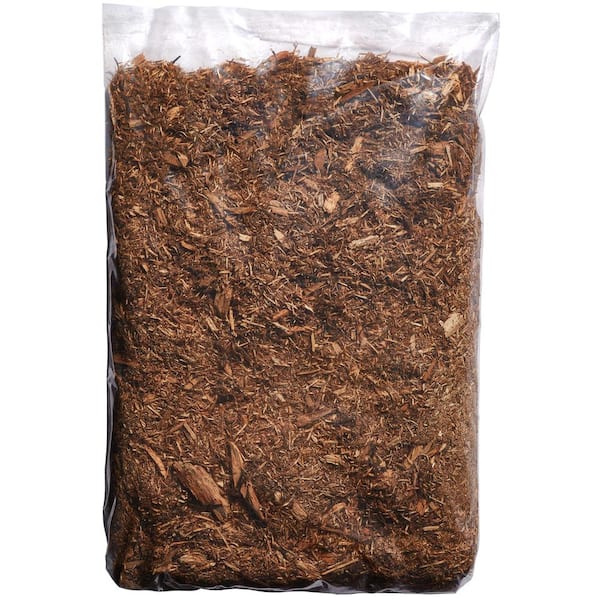
- In the Garden: You can spray the mulch around your plants (not directly on the leaves of edible plants) to deter slugs and other crawling pests.
Reapply your spray every few days for active pest problems, or once a week for general prevention.
More Creative Ways to Use Cedarwood Oil
A spray is fantastic, but it’s not the only way to use this amazing oil. Here are some other simple, set-it-and-forget-it methods I use all the time.
1. Recharge Cedar Blocks and Hangers
If you have cedar blocks, balls, or hangers in your closet, their natural scent fades over time. Don’t throw them out! You can bring them back to life. Lightly sand the surface with a piece of sandpaper to open up the wood pores, then apply a few drops of cedarwood oil and rub it in. They’ll be good as new.
2. The Cotton Ball Trick
This is my favorite trick for small spaces. Put 5-6 drops of cedarwood oil on a few cotton balls. Then, tuck them away in places where pests like to hide:
- In the corners of drawers
- At the back of pantry shelves
- In storage bins with seasonal clothes
- Inside shoes you don’t wear often
- Under furniture cushions
Replace them every month when you notice the scent fading.
3. Use an Essential Oil Diffuser
Running an essential oil diffuser with cedarwood oil for an hour or two can help keep flying insects like mosquitoes and flies out of a room. It also creates a wonderfully relaxing atmosphere. It’s pest control and aromatherapy all in one!
4. Fortify Your Mulch
Pests often find their way into our homes from the garden beds right next to the house. Add about 10 drops of cedarwood oil to a watering can filled with water and sprinkle it over the mulch in the garden beds closest to your foundation. This creates an extra barrier that crawling insects don’t want to cross.
Important Safety Tips Before You Start
Even though cedarwood oil is natural, we always want to be smart and safe. Just like in the workshop, a little bit of preparation goes a long way. Here are a few things to keep in mind.
- Do a Patch Test: If you have sensitive skin, it’s a good idea to dilute the oil with a carrier oil (like coconut or olive oil) before getting it on your skin. Never apply undiluted essential oils directly to your skin.
- Ventilate the Area: The smell is pleasant, but it can be strong if you’re spraying a lot indoors. Open a window to keep the air moving.
- Be Mindful of Cats: This is an important one. According to the ASPCA and veterinary experts, cats lack a liver enzyme that helps them metabolize certain compounds found in essential oils. While cedarwood is often considered one of the safer oils, it’s best to avoid using it in diffusers in rooms where your cat spends a lot of time and ensure they are not in the room when you are actively spraying. Never apply it directly to your cat.
- Store it Safely: Keep your bottle of cedarwood oil in a cool, dark place, out of the reach of children and pets, just as you would with any household product.

Frequently Asked Questions (FAQ)
Is cedarwood oil pest control really safe for kids and dogs?
Yes, when used as directed, it is one of the safest natural pest control options. For the DIY spray, it’s heavily diluted with water. You can safely spray it in living areas. Just be sure to let sprayed surfaces dry and keep the concentrated oil bottle stored out of reach.
How long does the scent and effect of the spray last?
Indoors, the scent and repellent effect can last for a few days. Outdoors, you may need to reapply it every day or two, especially after it rains. For cotton balls in an enclosed drawer, the scent can last for several weeks.
Will cedarwood oil stain my furniture, floors, or clothing?
Because the oil in your spray is very diluted, it’s unlikely to stain. However, it’s always best to test it on a hidden area first. Avoid spraying directly on delicate fabrics like silk or light-colored, porous surfaces without testing first.
Can I use the oil directly on my skin as a mosquito repellent?
You should never apply undiluted cedarwood oil directly to your skin. To use it as a personal repellent, you must dilute it with a carrier oil, such as coconut oil, jojoba oil, or almond oil. A safe ratio is 2-3 drops of cedarwood oil per tablespoon of carrier oil.
Where can I buy good-quality cedarwood oil?
You can find it at most health food stores, natural grocery stores, and online from reputable essential oil brands. Look for a product that is labeled “100% Pure Cedarwood Oil” and specifies the tree species (e.g., Juniperus virginiana).
Does cedarwood oil kill pests or just repel them?
It does both! The powerful scent is primarily a repellent for larger pests like moths and spiders. However, for smaller insects like fleas, ants, and their larvae, direct contact with the oil can be lethal by causing dehydration and suffocation.
Can I use my cedarwood oil spray in a vegetable garden?
It’s best to be cautious here. While it’s great for spraying on mulch around your plants to deter ground-level pests, avoid spraying the mixture directly onto the leaves or fruit of plants you plan to eat. The oil can affect the taste and may harm some delicate plants.
Taking Back Your Home, Naturally
There you have it—a simple, safe, and surprisingly powerful way to protect your home from common pests. By choosing cedarwood oil, you’re not just getting rid of bugs; you’re creating a healthier environment for the people and pets you love. It’s an approach that feels good because it’s smart, effective, and works in harmony with nature.
So next time you see a spider setting up shop in a corner or ants exploring your kitchen, don’t reach for the harsh chemicals. Grab your homemade cedarwood oil spray instead. You’ll have the confidence of knowing you’re handling the problem like a pro, with a tool that’s as gentle on your home as it is tough on pests. Give it a try—I think you’ll be delighted with the results.