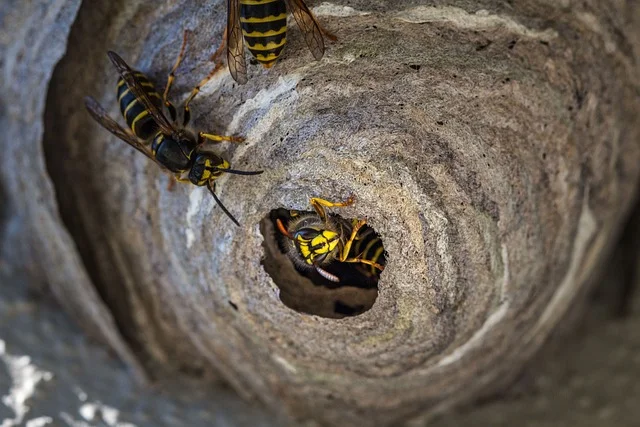
Does Cedar Repel Wasps? The Honest Answer
Cedar’s reputation as an insect repellent is well-documented for moths, where its natural oils (especially thujone and cedrol) have real, tested repellent effects. For wasps specifically, the evidence is much thinner – mostly anecdotal reports rather than controlled studies. Cedar may help as one layer of wasp deterrence, but it shouldn’t be your only line of defense, especially once a nest is already established.
What the Evidence Actually Shows
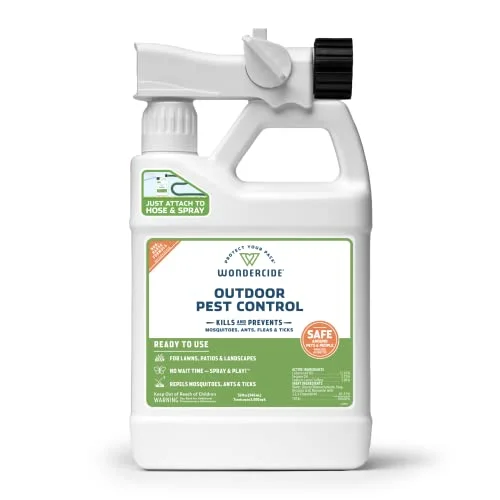 |
Wondercide Outdoor Pest Control Spray A natural essential-oil formula covering a broader range of pests than cedar alone, for when cedar isn’t enough by itself.
|
Cedar’s genuine insect-repelling track record comes primarily from moth research – cedar closets and chests have been a legitimate, tested moth deterrent for over a century, since cedar’s natural oils are genuinely toxic to moth larvae in enclosed spaces. Wasps are a different insect entirely, with different sensory biology, and the claim that cedar repels them specifically is mostly extrapolated from cedar’s general insect-repellent reputation rather than wasp-specific research. That doesn’t mean cedar does nothing for wasps – some beekeepers and pest control anecdotes report wasps avoiding heavily cedar-scented areas – but treat it as a possible mild deterrent, not a proven solution.
Why Wasps Might Avoid Cedar Anyway
Wasps build nests from chewed wood fiber mixed with saliva, and they generally prefer softer, easier-to-chew wood for this. Cedar’s density and strong-smelling oils may make it a less appealing building material compared to softer, unscented woods, which could explain some of the anecdotal reports of wasps avoiding cedar structures – not necessarily because the smell itself repels foraging wasps, but because cedar is a worse construction material for their nests. This is a meaningfully different mechanism than “cedar oil repels wasps outright,” and it matters for how you actually use cedar around your home.

How to Actually Use Cedar Against Wasps
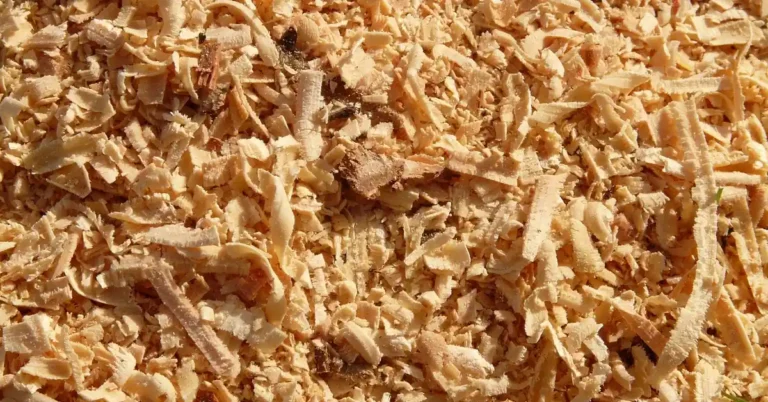
- Cedar chips or mulch around patio areas and entry points, refreshed periodically as the scent fades.
- Cedar oil spray (mixed with water in a spray bottle) applied to areas wasps frequent – reapply every few days, since the scent dissipates outdoors.
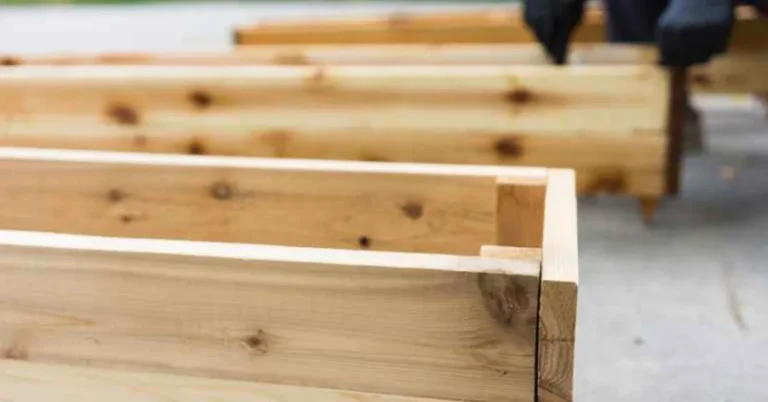
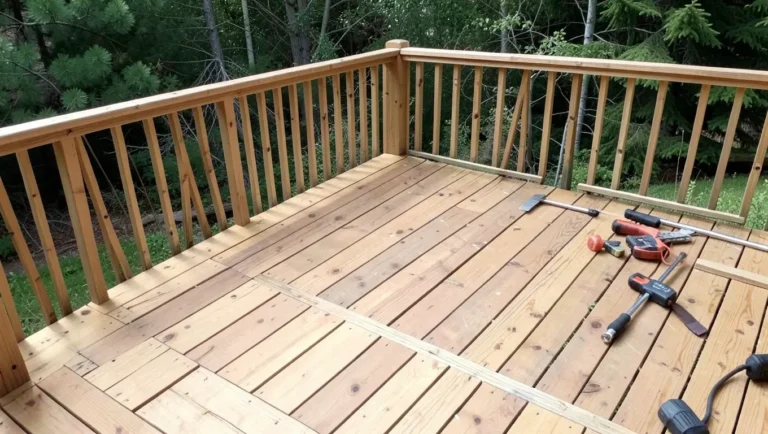
- Cedar siding or trim on structures where wasps commonly build (eaves, sheds) as a possible passive deterrent, though this is a much slower, less certain approach than active methods.
What Actually Works Better Than Cedar Alone
| Method | Evidence Level | Best Used For |
|---|---|---|
| Cedar (chips, oil, wood) | Weak/anecdotal for wasps specifically | Mild, low-cost supplementary deterrence |
| Sealing entry points and gaps | Strong (removes nesting sites) | Preventing new nests in structures |
| Decoy nests | Moderate (wasps are territorial) | Discouraging new nests near existing structures |
| Professional removal | Strong (for active nests) | Any established nest, especially near high-traffic areas |
Other Natural Options Worth Combining With Cedar
Peppermint oil and clove oil have somewhat more anecdotal support specifically for wasps than cedar does, and combining multiple scent deterrents in rotation may be more effective than relying on cedar alone, since wasps can potentially acclimate to a single, constant scent over time. None of these natural options have strong controlled research behind them for wasps specifically – they’re reasonable low-risk things to try, not guaranteed solutions. Essential oil intensity also fades faster outdoors than indoors due to sun and wind exposure, so whichever scent you choose, plan on reapplying roughly every 3-5 days during active wasp season rather than a single one-time application.
Safety Notes
- Wear gloves when handling concentrated cedar oil – it can irritate skin.
- Keep cedar oil away from eyes and out of reach of children and pets; it’s an irritant, not something to be ingested.
- Never attempt to remove an active, established wasp nest yourself if you have any allergy concerns – call a professional. Even without a known allergy, a first-ever wasp sting reaction is unpredictable, so caution costs little compared to the risk.
- Cedar-based deterrents are prevention, not nest removal – don’t rely on cedar alone once a nest already exists.
Does the Type of Cedar Matter?
Eastern red cedar (actually a juniper species, not a true cedar) is the wood most commonly used in cedar closets and pest-repellent products, and it’s also the species behind most of the moth-repellent research. Western red cedar, more common in outdoor construction and siding, has a different oil composition and a somewhat milder scent. If you’re specifically trying to maximize any insect-deterrent effect, eastern red cedar products are the better-tested choice, though neither species has dedicated wasp research behind it specifically. Aromatic cedar oil sold for pest-control use is nearly always distilled from eastern red cedar for this reason, so checking a product’s label for species can tell you something about how seriously the manufacturer approached the insect-deterrent claim in the first place. Fresh-cut cedar also has a much stronger scent than cedar that’s been sitting for months, so freshness matters more than most people realize when buying cedar chips or blocks for this purpose.
A Realistic Wasp Prevention Checklist
- Inspect eaves, soffits, and shed corners in early spring, before queens establish new nests for the season.
- Seal visible gaps and holes in siding, roofline, and vents where wasps could enter wall cavities.
- Add cedar chips or a cedar oil spray around patios and entry points as a low-cost supplementary measure.
- Remove food and sugary drink sources outdoors promptly, since wasps are drawn to these far more strongly than they’re repelled by any scent.
- Check monthly through summer for new nest starts, which are much easier to remove when small than once established. – a nest the size of a golf ball is a five-minute job; the same nest a month later can be a genuine hazard.
Why You Might Not Want to Eliminate Every Wasp
Most wasps that people encounter around homes are predatory species that actually hunt garden pests like caterpillars, aphids, and other insects that damage plants, making them a genuinely useful part of a garden ecosystem when they’re not nesting somewhere problematic. Complete elimination isn’t usually necessary or even desirable – the practical goal for most homeowners is keeping wasps away from high-traffic areas like doorways, patios, and children’s play spaces, not eradicating every wasp on the property, since a totally wasp-free yard is neither realistic nor, from a pest-control standpoint, actually the most useful outcome for your garden’s health. This is worth keeping in mind before reaching for stronger chemical treatments when a nest is in a low-traffic corner of the yard that doesn’t actually pose a real risk to anyone.
When to Call a Professional Instead of DIY
- Anyone in the household has a known wasp or bee sting allergy. Professional removal with proper protective equipment is worth the cost when anaphylaxis risk is on the table.
- The nest is large or in a hard-to-reach location like a high eave, chimney, or inside a wall cavity, where DIY removal risks disturbing far more wasps than you can safely handle at once.
- You’ve already tried natural deterrents without success and the nest keeps growing – at that point, further DIY attempts mostly just delay proper treatment.
- The species is aggressive (some yellowjacket and hornet species are considerably more defensive than typical paper wasps) – if you’re not confident identifying what you’re dealing with, that uncertainty itself is a reason to call a professional.
A professional pest control service can also apply treatments and identify entry points more thoroughly than most homeowners can on their own, which matters for preventing the same spot from attracting a new nest the following season. Many pest control companies also offer a follow-up treatment or guarantee period, which a one-time DIY cedar or oil application simply cannot match for a genuinely problematic nest location.
Frequently Asked Questions
Does cedar wood keep wasps away?
Possibly, as a mild deterrent, but the evidence is mostly anecdotal rather than proven research, unlike cedar’s well-documented effect on moths.
How effective is cedar at repelling wasps?
Modestly at best. It works better as one part of a broader prevention strategy than as a standalone solution, especially against an established nest.
Can cedar mulch deter wasps?
It may help somewhat, likely more because cedar is a less appealing nest-building material than because the scent actively repels foraging wasps.
Do cedar chips prevent wasps from nesting?
They may reduce the odds somewhat, but sealing entry points and removing existing nests are far more reliable prevention methods than cedar alone.
Conclusion
Cedar’s real, tested insect-repelling reputation is for moths, not wasps specifically – treat cedar as a reasonable, low-risk supplementary deterrent rather than a proven wasp solution. For an established nest, skip the natural remedies entirely and call a professional. Treat every wasp-repelling product claim, cedar included, with the same healthy skepticism until you’ve seen it actually work on your own property.
Sponsored / affiliate links. As an Amazon Associate I earn from qualifying purchases. I may earn additional commission from eligible campaigns.