How to Repair Rotted Wooden Door Frame: Quick Fixes!
You can often repair a rotted wooden door frame without replacing it: cut out the soft wood, dry the area, stabilize what is left with a hardener, and rebuild the profile with two-part epoxy. The catch is that the repair only lasts if you also fix the water source, and in an older house the paint you are about to scrape may contain lead. This guide covers the repair for exterior frames, bottom-of-frame rot and so-called dry rot, plus the checks that tell you when to stop and call a carpenter instead.
Probe the frame, cut out all soft wood, and let the area dry (epoxy penetrates best below about 12% moisture content). Brush on wood hardener, fill the voids with two-part epoxy paste, sand, prime, paint and caulk the seams. If the house was built before 1978, test or assume lead paint before you scrape or sand. If the rot runs through the full thickness of the frame or into the wall framing, replace the section instead.
Identifying The Rotted Areas
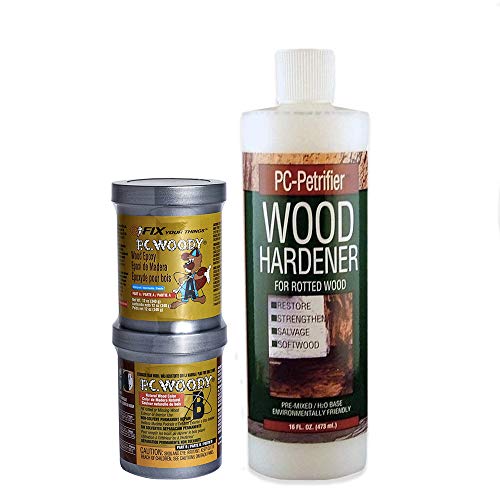
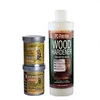
Best Rot Repair Kit Pick
|
PC-Products PC-Woody Epoxy Paste (12 oz) + PC-Petrifier Wood Hardener (16 oz) Kit
|
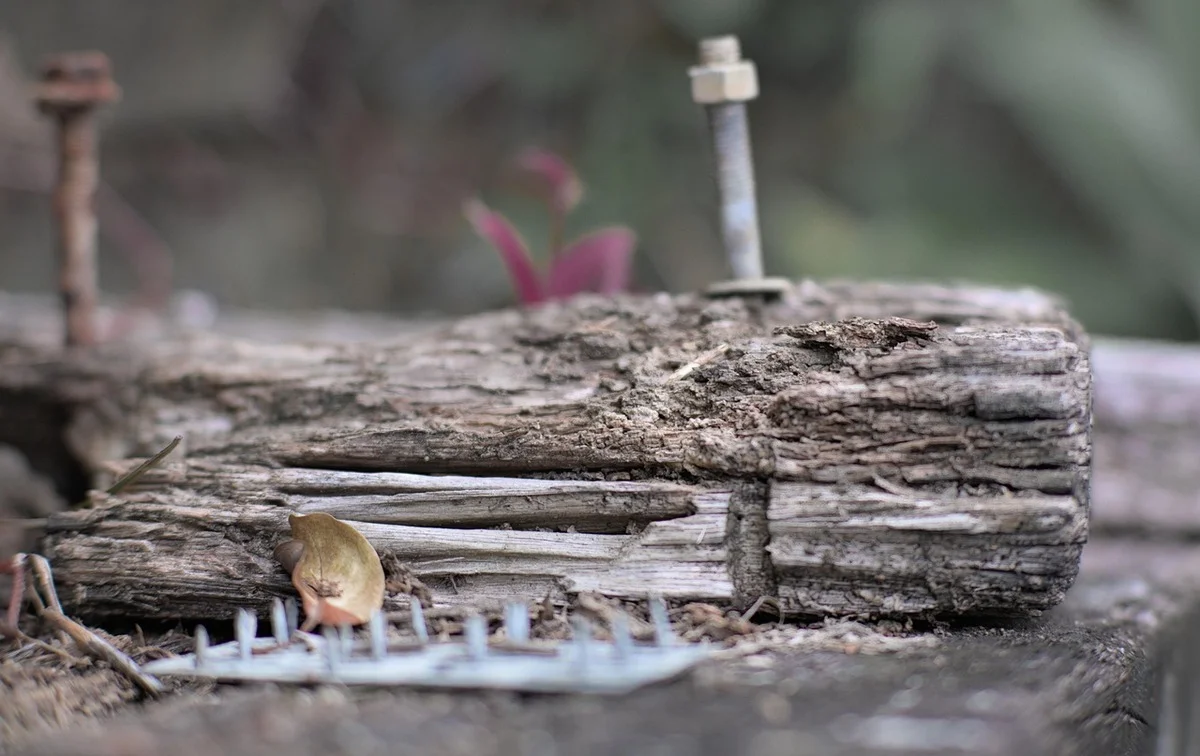
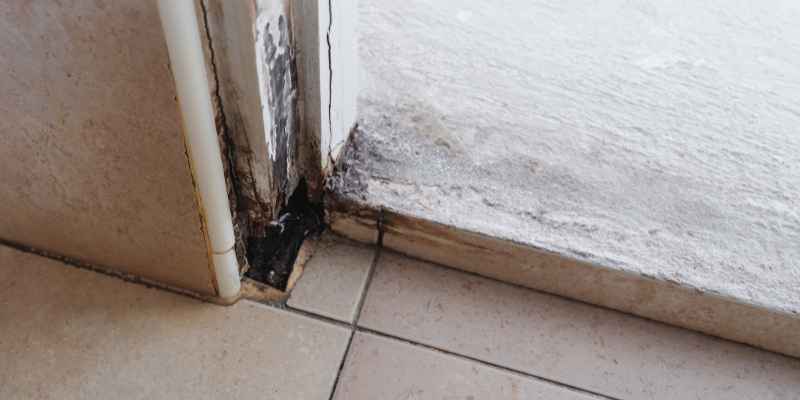
Find all of the rot before you start. Miss a patch and it will keep spreading under your repair. If the wood tests solid with a screwdriver but the door still binds, the problem is more likely a loose door frame than rot. Look for these four signs:
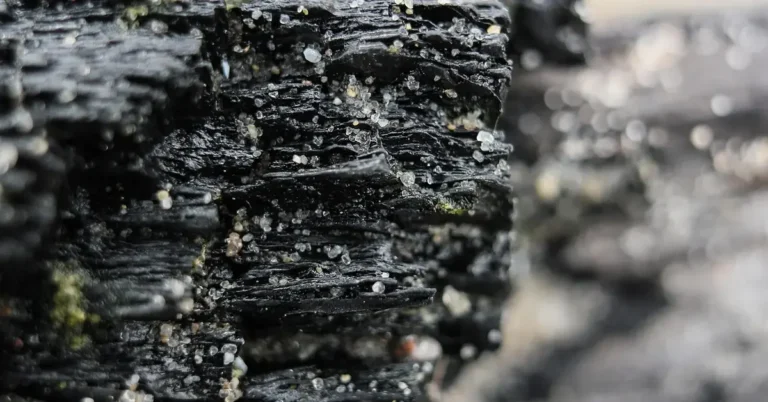
- Discoloration: dark staining, graying or black streaks along the grain point to moisture damage.
- Soft spots: press a screwdriver or awl into suspect areas. Sound wood resists, rotted wood compresses or crumbles.
- Crumbling texture: wood that breaks apart in chunks or powder has advanced decay and has to come out.
- Bubbling or peeling paint: blistered paint over the frame often means moisture is trapped underneath, and it is frequently the first visible sign.
A moisture meter turns guesswork into numbers. According to the USDA Forest Products Laboratory, as summarized from its wood biodeterioration chapter, decay fungi need roughly 20% moisture content to keep growing, and higher levels (around 29% to 30%, the fiber saturation point) to start. Air-dried wood generally sits at or below 20%.
| Reading on the meter | What it means for your frame |
|---|---|
| Under 12% | Target before epoxy goes on. West System says its rot repair epoxy penetrates best below about 12%. |
| 12% to 20% | Wood is dry enough that fungi should not sustain growth, but epoxy penetration is reduced. Let it dry longer if you can. |
| Above 20% | Fungi can keep growing. Find and stop the leak before repairing anything. |
| About 30% or more | Fiber saturation. Wood is wet enough for decay to start, so expect more rot than you can see. |
Repair Or Replace: How To Decide
Epoxy is a patch, not a structural member. Use this table before you commit to a repair. If any row in the right-hand column describes your frame, treat the repair as a job for a carpenter.
| Situation | Repair it yourself | Replace the section or call a pro |
|---|---|---|
| Depth of rot | Surface or pocket rot, with solid wood all around the damaged area | Rot runs through the full thickness of the jamb or casing |
| Location | Casing, jamb face, lower trim | Rot has reached the sill, subfloor, header or wall studs behind the frame |
| Hardware | Hinge and strike screws still bite into firm wood | Hinge or strike screws spin free or pull out |
| Cause | Fixed leak, missing caulk or paint, splash zone | Water source is ongoing or not found |
Door frames also matter for security and fire ratings in some buildings. If the frame holds a lock strike or hinge plate and the surrounding wood is compromised, a filler patch is not a safe substitute for sound wood. Have a professional look at it.
Lead Paint Warning Before You Scrape Or Sand
Door frames are often the oldest painted surface in a house, and that matters for the first step. The EPA’s Renovation, Repair and Painting program covers homes built before 1978 and says any project that disturbs paint there can easily create dangerous lead dust. The certification rule applies to people paid to do the work, but the dust hazard is the same if you do it yourself.
- Treat paint on any pre-1978 frame as lead paint until a test says otherwise.
- Do not dry-scrape or power-sand it. The EPA prohibits open-flame burning, heat guns above 1,100 degrees F, and power sanders or grinders without a shroud and HEPA vacuum on regulated jobs.
- Keep the area wet-wiped, use plastic sheeting under the work area, and clean up with a HEPA vacuum and damp cloths, not a broom.
- Keep children and pregnant people out of the room until cleanup is complete.
Removing The Rotted Wood
Wear gloves, eye protection and a P100 or N95 dust mask. Rotted wood and old paint both make hazardous dust. Remove all damaged wood, not just the visible surface, because decay left behind will undermine the new filler.
- Cut away soft, crumbling sections with a sharp chisel or utility knife. Work back until the tool meets firm wood.
- Use a wire brush or oscillating tool to clear irregular pockets, using wet methods or a HEPA vacuum if lead paint is possible.
- Vacuum out all dust and debris. Loose particles stop hardener and epoxy from soaking in.
Drying, Hardening And Filling
Do not rush the drying. Epoxy will cure on damp wood, but West System notes that moisture limits penetration, so aim for under 12% on the meter. In a cool, damp doorway a fan or a few days of dry weather can make the difference between a repair that bonds and one that peels out.
Once the wood is dry, brush wood hardener into every exposed surface until it stops absorbing, following the product label for soak and dry time. The hardener stabilizes the remaining soft fibers and gives the epoxy something solid to grip.
Epoxy rules from the manufacturer worth following, per West System’s rot repair kit guide:
- Mix at the stated ratio (2:1 by volume for their kit) and use separate sticks so you do not contaminate the resin side.
- Working time is about 30 to 40 minutes at 72 degrees F, so mix only what you can place quickly.
- Keep each application under 1/2 inch thick to avoid excessive heat buildup from the exotherm. Build deep repairs in layers.
- It cures down to 50 degrees F, but around 70 degrees F gives the best balance of flow and working time.
- Wash the cured surface with a Scotch-Brite pad and water to remove amine blush before sanding.
Other brands, including paste-style fillers, have their own ratios and cure times, so always follow the label on the product you actually buy.
Choosing The Right Filler
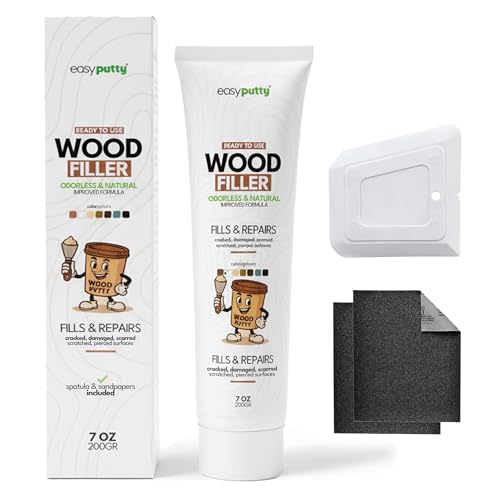
For exterior frames, use a two-part epoxy product rated for outdoor use. Water-based fillers and interior wood putty absorb moisture and fail in the first freeze-thaw season on an exposed frame.
| Filler type | Best use | Exterior frame? |
|---|---|---|
| Two-part epoxy paste or putty | Rebuilding corners and profiles after hardener | Yes |
| Penetrating epoxy (liquid) | Stabilizing punky wood before filling | Yes |
| Polyester body filler | Deep holes that need fast set | Only if the label says exterior wood; check before using |
| Latex or water-based filler | Small interior gaps | No |
| Wood putty | Interior finishing | No |
Repairing a Rotted Exterior Door Frame
Exterior frames face rain, UV and seasonal moisture swings. The steps are the same as for interior rot, with extra attention to what let the water in:
- Fix the water path first. Look for a missing or bent drip cap above the door, failed caulk, clogged gutters above the entry, or ground sloping toward the threshold.
- Use exterior-rated products only. Epoxy for the repair, exterior primer and exterior paint on top.
- Prime before painting. Bare epoxy takes paint unevenly, so prime the patch and the surrounding bare wood.
- Seal the edges. After painting, run a bead of paintable exterior caulk along the joint between the patch and the old wood, where water most often gets back in.
For the general method on posts, siding and trim, see our guides on how to fix wood rot and repairing wood rot with epoxy. This page focuses on the door-frame specifics.
Door Frame Rotting at the Bottom
The bottom of the frame is the most common failure point because rain splash, standing water and threshold moisture all collect there. Match the repair to the depth:
- Surface rot (shallow, solid wood behind it): remove, dry, harden and fill as described above.
- Rot through the full thickness of the jamb or casing: cut out the damaged section and splice in a new piece of rot-resistant material, such as cedar or cellular PVC trim, then prime all faces before installing.
- Rot reaching the sill or subfloor: this is a structural water problem. Filler will not carry load, so the sill needs replacement. See our guide to replacing rotted exterior wood.
After any bottom repair, add a door sweep and make sure water drains away from the threshold rather than toward it.
Sanding, Priming And Painting
Once the epoxy is fully cured, sand it flush with 80-grit, then 120-grit, then 220-grit for a paint-ready surface. If the house may have lead paint, sand only the patch itself and use wet methods or a HEPA-vacuum sander. Epoxy should feel as hard as the surrounding wood. If your fingernail dents it, it has not cured.
Prime the repair and any bare wood, let it dry fully, then apply two coats of exterior paint. Finish by caulking every seam where the patch meets original wood. This is the step most people skip, and it is where most repairs fail.
Preventing Future Rot
- Inspect door frames every spring and probe any soft-looking spots early.
- Keep paint and caulk intact. Cracked paint lets wood take up moisture.
- Make sure grade, mulch and walkways slope away from the threshold.
- Install or replace a missing drip cap above the door.
- Keep gutters and downspouts clear above entries.
Frequently Asked Questions
How do you fix wood rot in a door frame?
Cut out all rotted wood until you reach firm material and let the area dry. Brush on wood hardener, fill the voids with two-part epoxy, sand smooth, then prime, paint and caulk the seams. Fix the water source or the rot will return.
Can you fix rotted wood without replacing the frame?
Yes, if the rot is shallow and the wood around it is sound. If the rot runs through the full thickness of the frame, reaches the sill or wall framing, or hinge screws no longer hold, replace that section instead.
What is the best filler for a rotted door frame?
A two-part epoxy paste or putty rated for exterior use, applied after a wood hardener. Epoxy bonds to hardened wood and resists moisture. Avoid latex or water-based fillers and wood putty outdoors.
How do you repair a door frame rotting at the bottom?
For shallow rot, remove it, dry the wood, harden it and fill with epoxy. For rot through the full thickness, cut out that section and splice in rot-resistant material. Then add a door sweep and seal all edges with exterior caulk.
How do you fix dry rot on a door frame?
Dry rot is a misleading name, because decay fungi need moisture to grow even if the wood looks dry later. Find and fix the moisture source, cut out the damaged wood past the visible edge, then dry, harden and fill as for any other rot.
How long does a door frame rot repair last?
There is no reliable manufacturer figure, since it depends on exposure and upkeep. A repair lasts as long as the paint and caulk over it stay intact and the water source stays fixed. Inspect and re-caulk seams every year or two.
Conclusion
Repairing a rotted door frame is a good DIY job when the damage is shallow: remove the soft wood, get the area dry, harden and fill it, then paint and caulk. The steps that decide whether it lasts are drying the wood to the right moisture level and fixing the water source. In older homes, handle lead paint safely, and replace rather than patch any section where the rot goes all the way through. For a similar repair on posts, see our guide on repairing a rotting wood post.
Sponsored / affiliate links. As an Amazon Associate I earn from qualifying purchases. I may earn additional commission from eligible campaigns.