Cheapest Cedar Siding Affordable Buying Guide
Finding the best deal on cedar siding can feel tricky sometimes. Many people wonder if they can get beautiful, natural cedar without spending a fortune. This guide makes it super simple.
We will walk you through each step so you know exactly what to do to get the most bang for your buck. Get ready to learn how to find affordable options easily.
Cheapest Cedar Siding Affordable Buying Guide
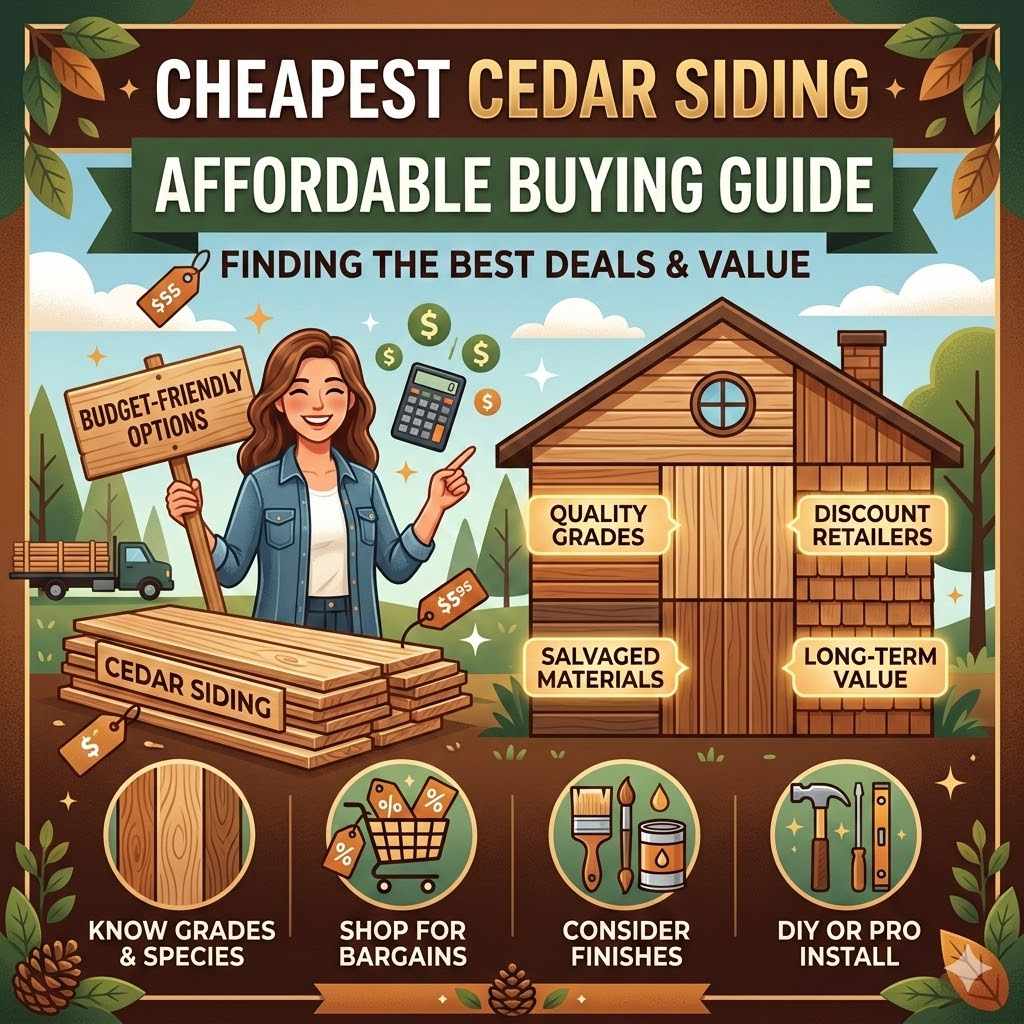
This section is all about helping you find the most budget-friendly cedar siding options available. We will explore what makes cedar siding a great choice for homes and look at the different types of cedar siding that can fit a tighter budget. You will learn about where to look for deals and what to watch out for to ensure you get quality even when saving money.
This will set you up to make smart choices for your home’s exterior.
Understanding Cedar Siding Value
Cedar siding is loved because it looks great and lasts a long time. It’s a natural wood that adds a lot of charm and beauty to any house. Plus, cedar is known for being strong and resisting rot and insects.
This means it can stand up to weather for many years. When you choose cedar, you’re investing in something that boosts your home’s curb appeal and its value.
The main reason cedar siding costs more than some other materials is its natural beauty and durability. It’s a premium product. However, with careful planning, you can find ways to make it more affordable.
This doesn’t mean you have to settle for less quality. It’s about being a smart shopper and knowing the market.

Types of Cedar Siding
There are several ways cedar siding is prepared and sold. Each type can affect the price. Knowing these differences helps you make the best choice for your project and budget.
Natural Cedar Shingles and Shakes
Shingles and shakes are made from cedar logs split or sawn into pieces. Shakes are usually thicker and more rustic than shingles. They give a very traditional and natural look to a house.
Because they are made from solid wood and often hand-split, they can be more expensive. This is because they use more raw material and sometimes more labor.
Cedar Lap Siding
Lap siding, also called clapboard, is made of long, flat boards that overlap each other. This is a very popular style. It can be made from solid cedar planks.
These planks are precisely cut. They create a smooth, clean look. Solid cedar lap siding is beautiful but can be on the higher end of the price range due to the quality of the wood and the machining.
Cedar Plywood Siding
Another option is cedar plywood siding. This is made by layering thin sheets of cedar veneer over a core material. It’s more affordable than solid cedar because it uses less premium cedar wood.
The front layer is still real cedar, so it offers that natural look. It’s a good choice for people who want the cedar appearance without the full cost of solid planks.
Engineered Cedar Siding
Engineered cedar siding is made from wood fibers mixed with other materials and resins. A cedar veneer is then applied to the surface. This product is designed to be durable and resistant to moisture and insects.
It often comes at a lower price point than solid cedar. It offers a consistent look and is easier to maintain for many homeowners.
Where to Find Affordable Cedar Siding
Smart shopping can lead you to great deals on cedar siding. It’s not just about the big box stores; sometimes, local suppliers or even online marketplaces have the best prices.
Local Lumber Yards
Local lumber yards are great places to check. They often have good relationships with sawmills and can offer competitive pricing, especially if you buy in bulk. Sometimes, they carry different grades of cedar, including options that are more budget-friendly.
For example, a local yard might have “utility grade” cedar siding. This grade might have more knots or slight imperfections. However, for many parts of a home’s exterior, especially areas less visible, these minor flaws are perfectly acceptable.
A homeowner in Oregon found that his local lumber yard sold him a slightly imperfect batch of cedar lap siding for 20% less than a national chain. He used the less perfect boards for the back of his garage and still had plenty of beautiful cedar for his main house.
Building Material Liquidators
Liquidators buy excess inventory from manufacturers or stores. This can mean finding cedar siding at a steep discount. You might find discontinued styles or overstock.
It’s a good idea to check their stock regularly. The selection can vary greatly, but the savings can be significant.
Online Retailers and Wholesalers
Many online stores sell building materials. Some specialize in wood products and can offer wholesale prices direct to consumers. Shipping costs are a factor to consider here.
Always compare the total price, including delivery. Some online companies have excellent deals if you are willing to do a bit of research.
One homeowner in Colorado was able to get engineered cedar siding for his cabin for 15% less than local stores by ordering directly from a manufacturer’s online outlet. He saved money on shipping by coordinating a delivery with a neighbor who was also renovating.
Used or Reclaimed Cedar
For a unique look and potentially lower cost, consider reclaimed cedar. This is wood salvaged from old buildings. It has a history and character that new wood can’t replicate.
You can find it through architectural salvage yards or specialized reclaimed wood suppliers. This is a very eco-friendly option too.
Factors Affecting Cedar Siding Costs
The price you pay for cedar siding isn’t just about the material itself. Several other things can make the cost go up or down. Understanding these will help you find the Cheapest Cedar Siding: Affordable Buying Guide.
Grade of Cedar
Cedar is graded based on its appearance and the number of knots or imperfections. Higher grades, like “Clear” cedar, have very few or no knots and are more expensive. Lower grades, such as “Knotty” or “Utility” grades, have more visible knots and may be less expensive.
For many projects, knotty cedar offers a beautiful, rustic look at a better price.
For instance, “Clear” grade cedar can cost upwards of $10-$15 per square foot, while “Knotty” grade might be in the $5-$8 per square foot range. The difference is significant for large projects.
Wood Thickness and Width
Thicker cedar boards generally cost more than thinner ones. Wider planks also tend to be more expensive because they use larger, more select pieces of wood. If you’re looking for the cheapest option, consider standard widths and thicknesses.
Siding Profile and Style
Different styles of cedar siding have different prices. For example, cedar shakes or shingles can be more labor-intensive to install than simple lap siding. Some intricate profiles also require more machining, adding to the cost.
Simple lap siding profiles are often the most economical.
Finish and Treatment
Cedar siding can come pre-finished or unfinished. Unfinished siding is usually cheaper upfront but will require staining or sealing upon installation. Pre-finished siding costs more but saves you labor and time later.
Some cedar siding also comes treated for enhanced fire resistance or preservation, which adds to the cost.
Quantity Purchased
Buying in larger quantities often leads to lower per-square-foot prices. Contractors and large suppliers can negotiate better rates. If you have a very small project, you might pay a bit more per board.
However, if you can find a supplier that offers good rates even for smaller orders, that’s a win.
Tips for Buying Smart
To truly get the best price without sacrificing quality, a little strategy goes a long way. These tips are designed to help you make informed decisions.
Compare Prices Widely
Do not settle for the first quote you get. Shop around at different lumber yards, online stores, and even check with contractors who might have bulk discounts they can pass on. Even a 10% difference can save you a lot of money on a large job.
Buy in Bulk When Possible
If you have the storage space, buying more siding than you need for the immediate project can be cost-effective. You often get a better price per square foot when you buy in larger quantities. Plus, having extra on hand for future repairs is always a good idea.
Consider Seconds or Discounted Lots
Keep an eye out for “seconds” or discounted lots. These are often perfectly good materials with minor cosmetic flaws that don’t affect their performance. You might find a contractor’s surplus or a supplier clearing out older stock.
These are prime opportunities for savings.
Factor in Installation Costs
The cost of the siding itself is only part of the expense. Installation can add significantly to the total project cost. If you are doing the installation yourself, make sure you have the skills and tools.
If hiring a professional, get multiple quotes. Sometimes, slightly more expensive siding that is easier to install can save you money overall.
A homeowner in North Carolina got three quotes for installing cedar lap siding. One quote was for a higher-end brand that was $2,000 more for the materials. However, the installer said the slightly cheaper siding he recommended would take two days less to install, saving him $800 in labor.
In the end, the total cost was very close, and he got a beautiful finished product.
Ask About Warranties and Return Policies
Even when buying the cheapest option, make sure you understand the warranty. Also, be aware of the return policy. This protects you if there are any issues with the material upon delivery.
A good warranty gives peace of mind.
Maintaining Your Cedar Siding
Once you have your affordable cedar siding, taking care of it will ensure it looks great and lasts for years. Proper maintenance is key to getting the most value.
Cleaning Your Siding
Regular cleaning removes dirt, mildew, and other build-up that can degrade the wood. Use a mild detergent and water. Avoid high-pressure washing, as this can damage the wood.
A soft brush or a garden hose is usually sufficient for most cleaning needs.
For example, a homeowner in Washington state noticed some mildew on his cedar siding after a particularly damp spring. He mixed a solution of one cup of bleach with one gallon of water and gently scrubbed the affected areas with a soft brush. After rinsing thoroughly, the mildew was gone, and his siding looked fresh again.
He made sure to do this in the early morning to avoid direct sunlight on the damp wood.
Sealing and Staining
Cedar siding, especially if it’s unfinished, needs protection from the elements. Staining and sealing help preserve the wood, prevent fading, and resist moisture damage. Choose a high-quality exterior stain or sealant.
Reapply as needed, typically every 3-5 years, depending on your climate and the product used.
A popular choice for many homeowners is a semi-transparent stain. This type allows the natural grain of the cedar to show through while providing protection. Solid stains offer more color coverage but can hide the wood’s natural beauty.
Statistics show that properly maintained cedar siding can last 40 years or more. Unmaintained siding may only last 15-20 years. This highlights the importance of regular care.
Inspecting for Damage
Periodically inspect your siding for any signs of damage, such as cracks, rot, or insect infestation. Addressing minor issues early can prevent them from becoming major, costly problems. Look for areas where water might be pooling or where paint is peeling.
Regular inspections also help you catch any loose boards or nails that could cause further damage or pose a safety hazard. A quick walk around your house a couple of times a year can save you a lot of headaches and money down the line.
Cheapest Cedar Siding Affordable Buying Guide: Making It Work
This guide has walked you through finding the Cheapest Cedar Siding: Affordable Buying Guide. We’ve looked at different types of cedar siding, where to find good deals, and what factors influence cost. We also covered essential tips for buying smart and maintaining your new siding.
You now have a clear path to getting beautiful cedar siding without breaking your budget.
Your Action Plan for Savings
Start by researching local lumber yards and online suppliers. Get at least three price quotes for the type of cedar siding you like. Don’t be afraid to ask about “seconds” or contractor-grade options.
Compare the total cost, including any delivery fees.
When you find a good price, double-check the quality. Look for minimal defects that won’t affect the look or performance of your home. Remember that proper installation and ongoing maintenance are crucial for maximizing the lifespan and beauty of your investment.
You can achieve a stunning home exterior with cedar siding by being a savvy shopper.

Frequently Asked Questions
Question: What is the difference between cedar shingles and shakes
Answer: Cedar shingles are thinner and have a smoother, more uniform look. Cedar shakes are thicker, more rustic, and often have a split surface for a natural appearance.
Question: Can I paint cedar siding
Answer: Yes, you can paint cedar siding, but staining is often preferred to maintain its natural beauty. If painting, use a high-quality exterior primer and paint designed for wood.
Question: How often should I reseal my cedar siding
Answer: You should reseal or restain your cedar siding every 3-5 years, depending on your climate and the product used. It’s important to reapply protection to keep the wood from weathering.
Question: Is engineered cedar siding as good as real cedar
Answer: Engineered cedar siding offers a cedar look with enhanced durability and lower maintenance. It’s a good, often more affordable, alternative to solid cedar but doesn’t have the same natural, unique character.
Question: Where can I find reclaimed cedar siding
Answer: You can find reclaimed cedar siding at architectural salvage yards, specialized reclaimed wood suppliers, or sometimes through online marketplaces listing used building materials.
Wrap Up
You now have the knowledge to find affordable cedar siding. By comparing prices, understanding grades, and shopping smart, you can get that natural beauty. Remember to factor in installation and maintenance for long-term value.
Enjoy your beautiful, budget-friendly cedar siding!