Red Cedar vs White Cedar: 4 Species, Janka and Rot Ratings
Red cedar vs white cedar has no single answer, because each name covers two different species. Western red cedar (350 lbf Janka) and Northern white cedar (320 lbf) are both rated durable to very durable against rot, while Eastern red cedar is a 900 lbf juniper. This guide sorts out which pair you mean, then compares hardness, weight, rot rating, cost and the best project for each.
Which Cedar Do You Mean? Four Species Behind Two Names
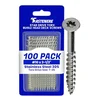 |
Best Cedar Fastener Pick Fastenere 305 Stainless Deck Screws, #10 x 2-1/2 in. (100 Pack) – $38.78 Whichever cedar you pick, iron-based fasteners can stain the wood in damp conditions, and the softest cedars hold screws poorly. A stainless Torx screw with a type 17 cutting tip is the safe default for fence rails, siding and trim.
|
As an Amazon Associate we earn from qualifying purchases.
Search results for this question mix up four different woods, which is why advice online contradicts itself. “Red cedar” can mean Western red cedar (Thuja plicata) from the Pacific Northwest, or Eastern red cedar (Juniperus virginiana), a juniper that is not a true cedar. “White cedar” can mean Northern white cedar (Thuja occidentalis) or Atlantic white cedar (Chamaecyparis thyoides).
| Common name | Botanical name | Where it grows | Good to know |
|---|---|---|---|
| Western red cedar | Thuja plicata | Pacific Northwest, US and Canada | The red cedar behind most shingles, siding and exterior lumber |
| Eastern red cedar (aromatic red cedar) | Juniperus virginiana | Eastern North America | A juniper, not a true cedar; the closet and chest wood |
| Northern white cedar | Thuja occidentalis | Northeastern North America | The tree is also called eastern arborvitae |
| Atlantic white cedar | Chamaecyparis thyoides | Coastal plain of the eastern US | Limited range and small trees, so supply is tight |
Western red and Northern white are both in the genus Thuja, which is why their numbers sit so close together below. Eastern red cedar is the odd one out. We assume most people comparing “red vs white” are choosing between Western red and Northern white for a fence, shingles or siding, so those two get the most attention here, with Atlantic white and Eastern red as reference points. For a deeper look at the two red cedars, see our Eastern vs Western red cedar guide, and for the juniper question read cedar vs juniper.
Red Cedar vs White Cedar Compared: Janka, Weight and Rot Ratings
| Species | Janka hardness | Dried weight | Specific gravity (12% MC) | Decay resistance | Heartwood color |
|---|---|---|---|---|---|
| Western red cedar | 350 lbf | 23.0 lb/ft3 | 0.37 | Durable to very durable | Reddish to pinkish brown |
| Northern white cedar | 320 lbf | 22.0 lb/ft3 | 0.35 | Durable to very durable | Light reddish brown (sapwood nearly white) |
| Atlantic white cedar | 350 lbf | 24 lb/ft3 | 0.38 | Durable to very durable | Light reddish brown |
| Eastern red cedar | 900 lbf | 33 lb/ft3 | 0.53 | Excellent | Reddish or violet-brown |
📊 Western red cedar and Northern white cedar differ by only 30 lbf on the Janka scale (350 vs 320). Source: The Wood Database, Western red cedar, Northern white cedar and Eastern red cedar species pages; Atlantic white cedar figures from the same site.
The pattern is easy to read. The three Thuja and Chamaecyparis woods sit within 30 lbf and 2 lb/ft3 of each other, so none is meaningfully stronger. Eastern red cedar is about 2.6 times harder than Western red cedar (900 vs 350 lbf) and roughly 43 percent heavier per cubic foot (33 vs 23). All of the true cedars are very soft, which matters for dents and fasteners, and our cedar hardness explainer covers what that means in practice.
Which Cedar Resists Rot Better? Less Difference Than Most Guides Claim
The common claim is that red cedar beats white cedar on rot. The Wood Database ratings do not show it. Western red cedar and Northern white cedar both carry the same decay rating, durable to very durable, and Northern white cedar is also listed as resistant to termites and powder post beetles. Western red cedar, by contrast, is listed with mixed resistance to insect attack. Eastern red cedar is the one rated excellent against both decay and insects.
So if a seller tells you Western red cedar will outlast Northern white cedar because of its color or its aroma, ask for a source. What changes lifespan far more than species is how the board is used: heartwood versus sapwood, ground contact, drainage and finish. Our guides on why cedar resists rot, preventing cedar rot and how long cedar lasts outside go through those details.
Strength, Screw Holding and Fasteners
Northern white cedar is soft and weak, and the Wood Database notes it has poor screw-holding ability. Western red cedar works easily with hand or machine tools but dents and scratches very easily. For a fence that means pre-drilling near board ends, using nails or screws with real thread engagement, and not expecting the wood to carry structural loads.
Fastener choice matters as much as species. The Wood Database warns that iron-based fasteners can stain and discolor Western red cedar, especially when it is wet. That is why bare steel screws leave black streaks on cedar trellises, as we show in our cedar trellis ideas. Stainless steel or similarly corrosion-resistant fasteners are the usual fix, and the screw in the box above is one example of that type.
Color, Aroma and Workability
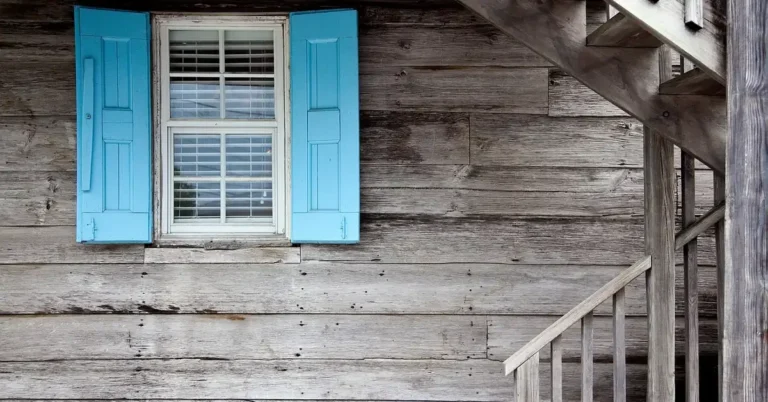
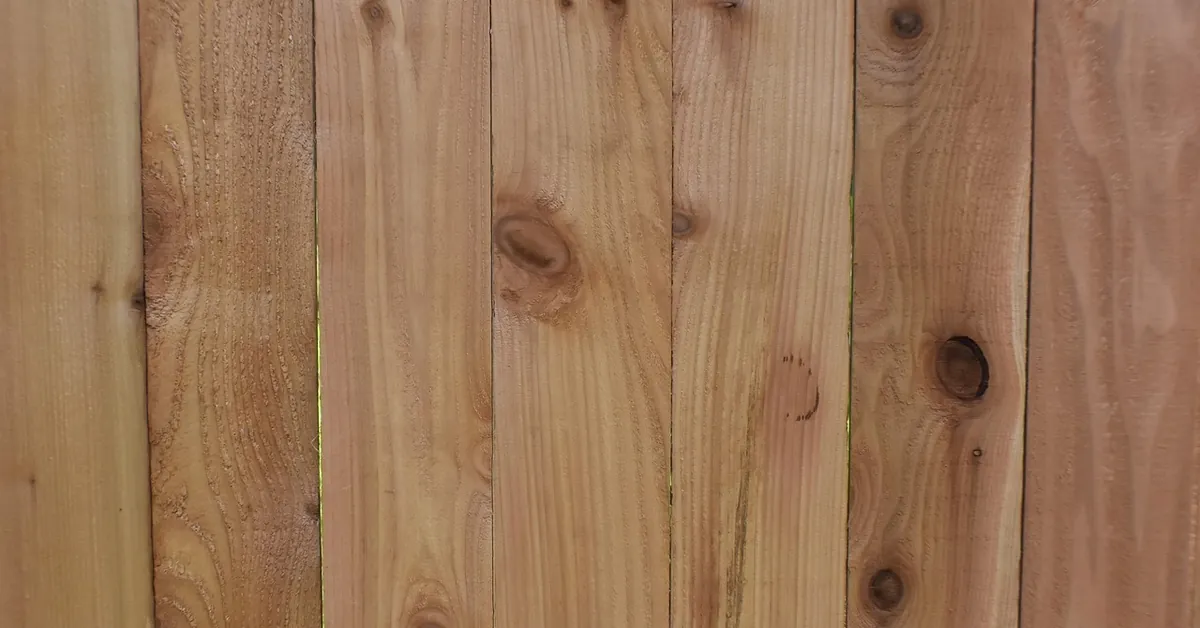
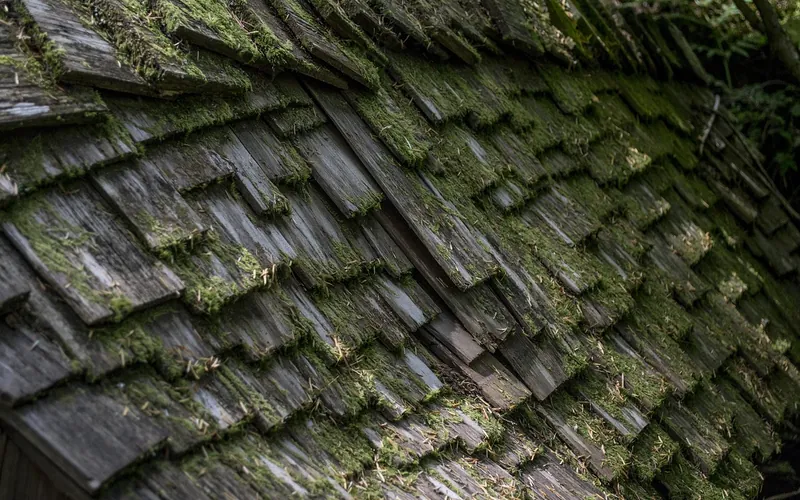
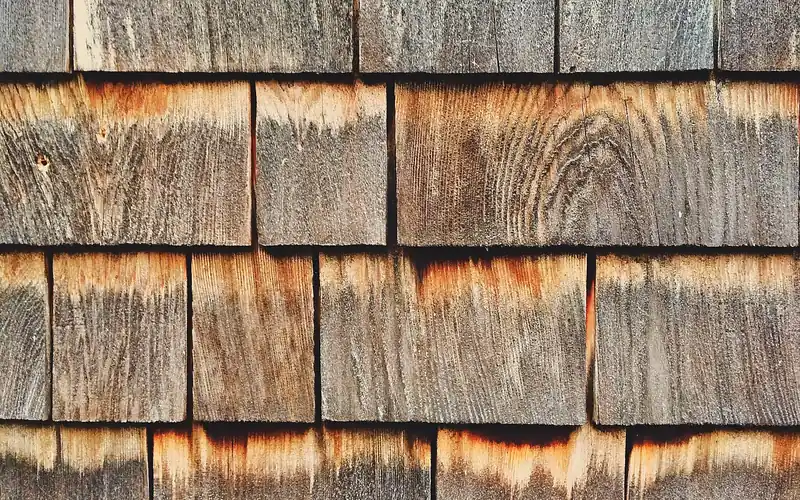
Western red cedar runs reddish to pinkish brown with darker streaks, Northern white cedar is a lighter reddish brown with nearly white sapwood, and Atlantic white cedar is light reddish brown with pale yellow-brown sapwood. Eastern red cedar is reddish or violet-brown with pale sapwood streaks. Once outdoors, unsealed cedar weathers toward grey, much like the shingles below.
Aroma is where the species really separate. Western red cedar gives off a strong, lingering scent while being worked, Northern white cedar a distinct but comparatively mild one, and Eastern red cedar the unmistakable aroma that makes it the standard wood for closet and chest linings, where it is used to repel moths. If scent is your reason for buying, see what cedar wood smells like, fragrant woods and the best cedar for closets.
On the bench, Atlantic white cedar is easy to work and holds paint, stain, glue and finish well. Eastern red cedar is easy to work but reportedly has a high silica content that can dull cutters. One safety note: Western red cedar contains plicatic acid, linked to allergic reactions and occupational asthma, so wear a dust mask when sanding or sawing it and read can you be allergic to cedar wood.
Cost and Availability by Region
The Wood Database gives price tiers rather than dollar figures, and they differ by species. Construction-grade Western red cedar is moderately inexpensive, with clear higher grades costing a premium. Northern white cedar is priced in the middle range for a domestic softwood and is mostly sold in smaller sizes. Atlantic white cedar sits at medium to high because the tree is small and its range is limited. Eastern red cedar is cheap in small knotty boards but large clear sections are scarce.
Geography decides what you can actually buy. Western red cedar is a Pacific Northwest species, Northern white cedar comes from the Northeast, Atlantic white cedar from the eastern coastal plain, and Eastern red cedar from across the east. Yards far from a species’ range often stock only one of them, so get local quotes, and see cedar 2×4 sizes and pricing and cedar vs pressure treated fencing for cost context.
Which Cedar to Pick, by Project
| Project | Best match | Why (per Wood Database use lists) |
|---|---|---|
| Fence boards and posts | Western red or Northern white | Western red is sold as exterior lumber; Northern white lists fences and posts, and Eastern red is also used for fence posts |
| Shingles and siding | Western red or Atlantic white | Both list shingles and siding among their main uses; Northern white also lists shingles |
| Canoes and boats | Northern white, Atlantic white or Western red | Northern white lists canoes; Atlantic white and Western red list boatbuilding |
| Closet and chest lining | Eastern red | Strong aroma, used to repel moths |
| Outdoor furniture | Northern white or Eastern red | Both list outdoor furniture among their uses |
| Boxes, crates and instruments | Western red | Listed uses include boxes, crates and musical instruments |
For project-specific rankings, jump to the best cedar for a fence, cedar for decking or cedar for outdoor furniture. If your real question is shingles, our white cedar vs red cedar shingles page goes further, and for other comparisons see cedar vs red cedar and cedar vs redwood. To keep the color rather than let it grey, read how to protect cedar outdoors.
Frequently Asked Questions
Is red cedar or white cedar better for outdoor use?
Neither wins outright. The Wood Database rates both Western red cedar and Northern white cedar as durable to very durable against decay, so rot is close to a tie. Western red cedar is easier to find in long clear boards and siding, while Northern white cedar usually comes in smaller sizes for fence posts and shingles. Pick by availability and project.
Is Eastern red cedar a real cedar?
No. Eastern red cedar (Juniperus virginiana) is a juniper, which is why it is much harder (900 lbf) and denser than the true Thuja cedars. It is the wood used for closet and chest linings because of its strong aroma. If you want a fence or siding wood, check which species the yard is actually selling.
Is Northern white cedar the same as arborvitae?
Yes, in tree form. Northern white cedar (Thuja occidentalis) is commonly called eastern arborvitae, the evergreen often planted as a privacy hedge. The lumber is cut from the same species, usually in smaller sizes, and sold mostly for fence posts, shingles and canoe building.
Which is harder, red cedar or white cedar?
It depends on which red cedar. Western red cedar rates 350 lbf on the Janka scale and Northern white cedar 320 lbf, so they are nearly the same and both dent easily. Eastern red cedar rates 900 lbf, roughly 2.6 times harder than Western red cedar, because it is a juniper rather than a true cedar.
Bottom Line: Match the Species to the Job
Rot is close to a tie between Western red and Northern white cedar, so choose on availability, board size and finish rather than the red-versus-white label. Pick Eastern red cedar only when you want a hard, aromatic juniper for chests, closets or posts, and use stainless fasteners on any of them.
Sponsored / affiliate links. As an Amazon Associate I earn from qualifying purchases. I may earn additional commission from eligible campaigns.