Can Cedar Post Be Buried in the Ground: Expert Tips & Insights
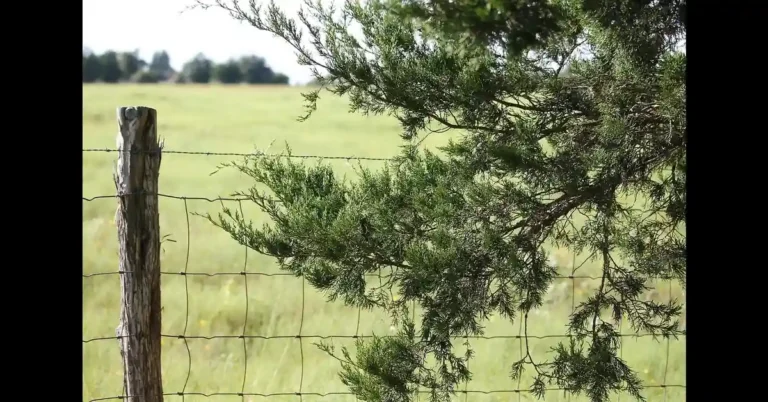
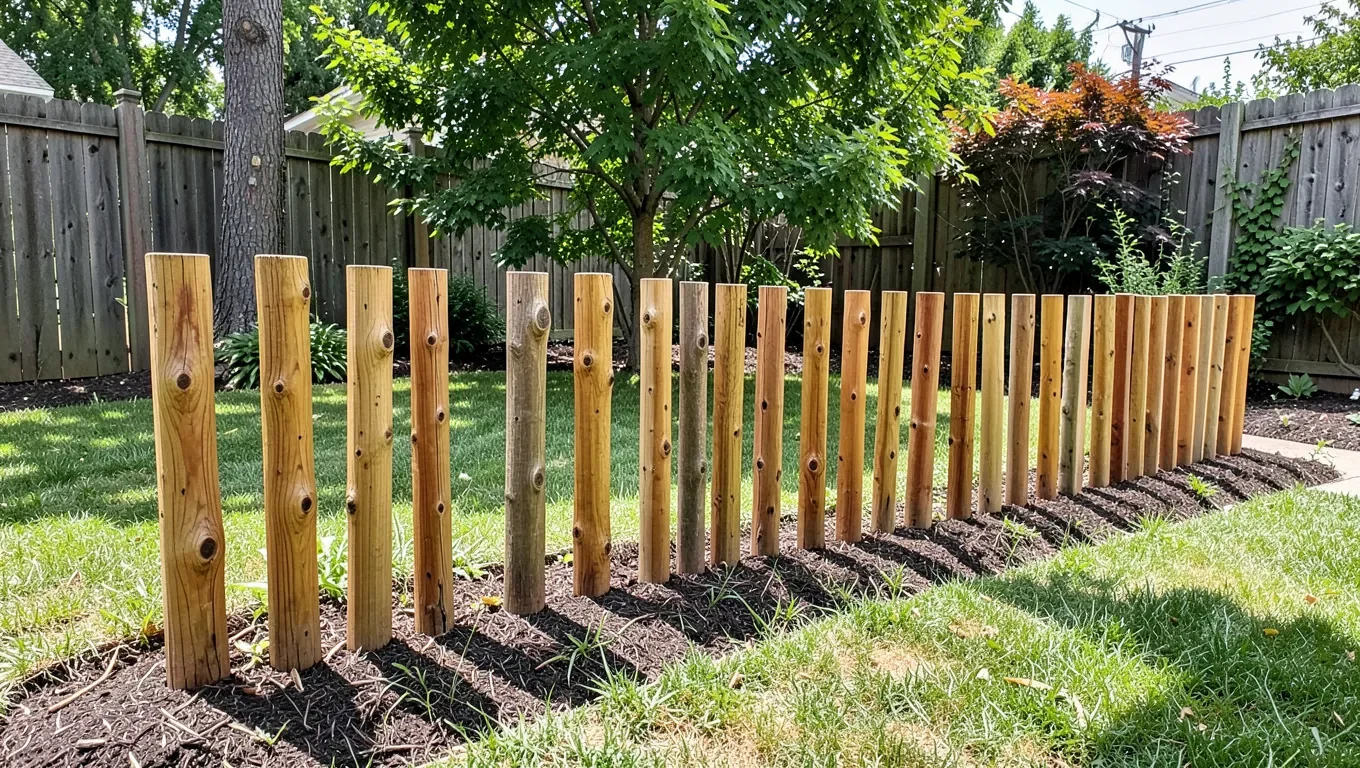
Yes, cedar posts can be buried in the ground – cedar heartwood contains natural oils that resist rot and insects better than most woods. That resistance isn’t unlimited, though: cedar in constant ground contact typically lasts somewhere in the 15-25 year range depending on soil moisture and species, and treating the buried portion (especially the cut bottom end) with a preservative extends that significantly. Cedar doesn’t strictly require treatment to go in the ground, but skipping it leaves real years of lifespan on the table.
Why Cedar Holds Up Better Than Most Woods
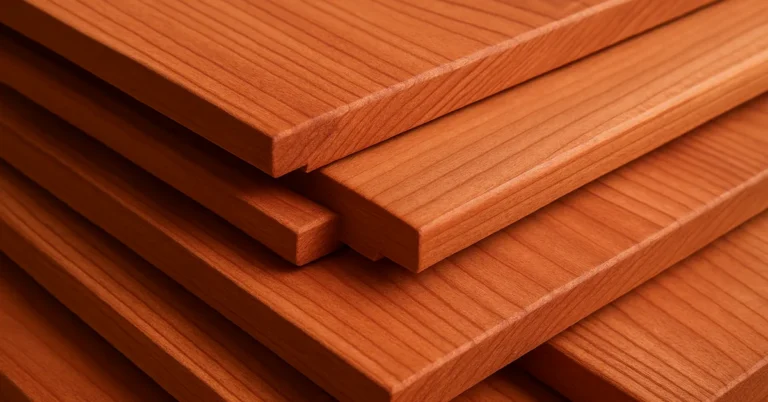
Cedar heartwood contains natural oils and compounds (thujaplicins, in Western Red Cedar) that resist decay fungi and repel insects – this is a real, measurable property, not just folklore, and it’s why cedar is a standard choice for fence posts and outdoor structures. That resistance is strongest in the heartwood (the darker, inner wood); the lighter sapwood has little of it, so a post cut mostly from sapwood won’t perform the same as a heartwood post even though both are “cedar.”
Best For Treating The Buried End
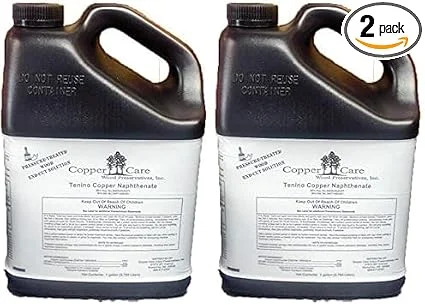 |
Tenino Copper Naphthenate Wood Preservative (2x 1-Gallon) – $133.88 This is the same treatment building codes require on the cut ends of pressure-treated lumber – brushing it on a cedar post’s buried end and any fresh cuts closes off the spot where ground contact does the most damage.
|
What Actually Shortens a Buried Cedar Post’s Life
- Wet, poorly-drained soil: constant moisture is what feeds decay fungi – clay soil that holds water shortens a post’s life far more than dry, sandy soil.
- The cut end going untreated: cutting a post to length exposes fresh wood with none of the surface weathering/oils intact – this is the single most vulnerable point and the one place a preservative matters most.
- Direct soil-to-wood contact at the surface: the zone right at grade level, where the post is wet from rain then dries in air repeatedly, decays faster than wood fully submerged in soil.
- Sapwood content: a post with more sapwood than heartwood loses much of cedar’s natural advantage.
Installing a Cedar Post for Maximum Lifespan
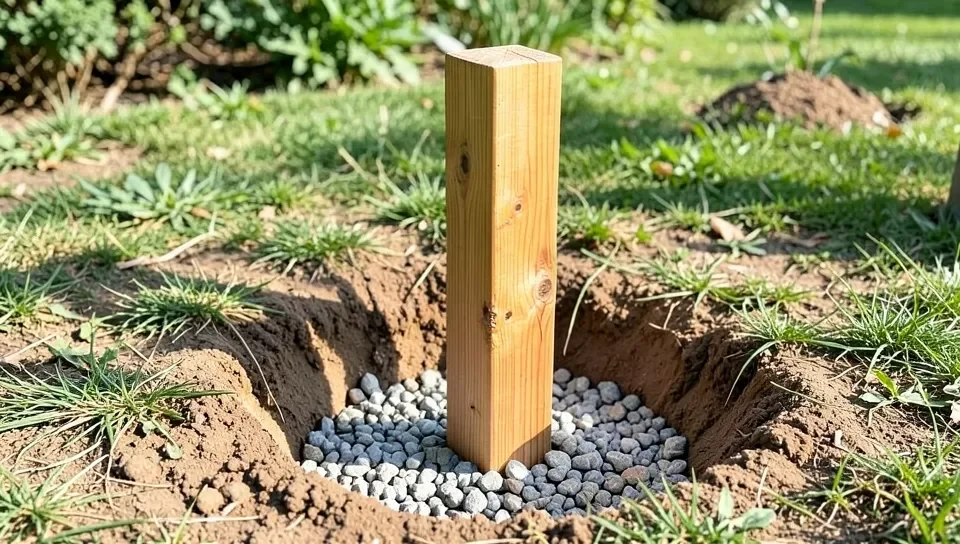
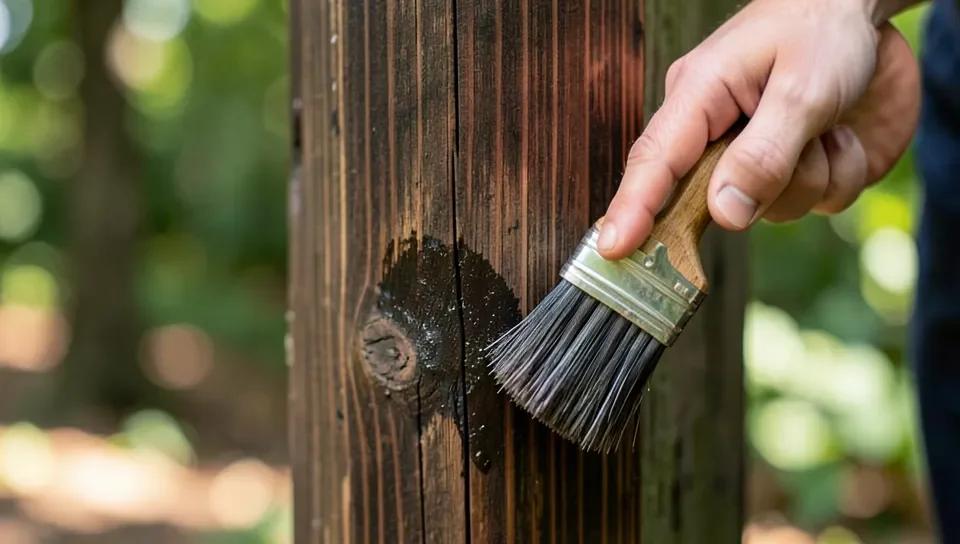
- Treat the cut end with a copper-based preservative before it goes in the ground – this is the highest-value step and the one most often skipped.
- Dig the hole deep enough – roughly one-third of the post’s total length below grade for a freestanding post – and below the local frost line in cold climates, so frost heave doesn’t push the post out of the ground.
- Add 4-6 inches of gravel at the bottom of the hole so the post end sits on drainage, not directly on soil that holds water.
- Backfill with soil or concrete – concrete gives more rigidity but can trap moisture against the post if it isn’t sloped to shed water away from the top of the footing; soil backfill with good drainage is often the lower-maintenance choice for a fence post.
- Slope the ground away from the post at the surface so rain doesn’t pool right where the post meets grade.
Maintenance
Check buried cedar posts every year or two, focusing on the grade-level zone where wet/dry cycling is worst – probe gently with an awl or screwdriver; wood that’s noticeably softer than the surrounding post indicates decay starting. Reapply a preservative to any exposed or damaged spot, and replace a post once decay has compromised its structural strength rather than trying to patch a load-bearing post.
Conclusion
Cedar posts can go directly in the ground thanks to real natural rot and insect resistance, typically lasting 15-25 years depending on soil and climate. Treating the cut end with a preservative, setting the post on a gravel base, and keeping water moving away from grade level are what actually extend that lifespan – cedar’s natural resistance is real, but it’s not a substitute for good installation practice.
Frequently Asked Questions
Can cedar posts be buried in the ground?
Yes. Cedar heartwood’s natural oils resist decay and insects, making it a suitable ground-contact wood, though treating the cut end significantly extends its lifespan.
How long do cedar posts last in the ground?
Typically 15-25 years, depending on soil moisture, climate, and whether the cut end was treated. Wet, poorly-drained soil shortens this; a treated end and good drainage extend it.
Do cedar posts need to be treated before burying?
Not strictly – cedar’s natural resistance is real. But treating the cut end with a copper-based preservative protects the most vulnerable, freshly-exposed wood and meaningfully extends how long the post lasts.
What is the best way to bury cedar posts?
Treat the cut end, set the post on 4-6 inches of gravel for drainage, dig below the frost line in cold climates, and slope the ground away from the post at grade level so water doesn’t pool there.
Sponsored / affiliate links. As an Amazon Associate I earn from qualifying purchases. I may earn additional commission from eligible campaigns.