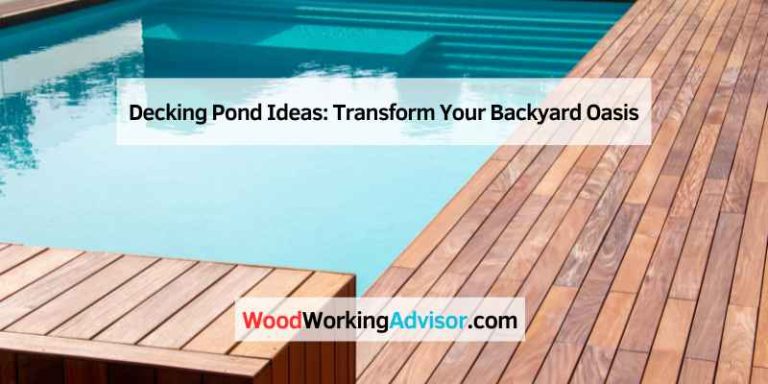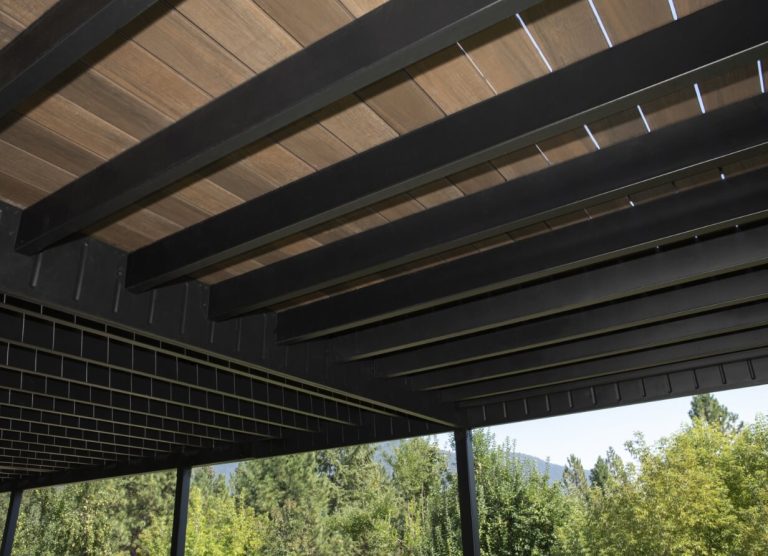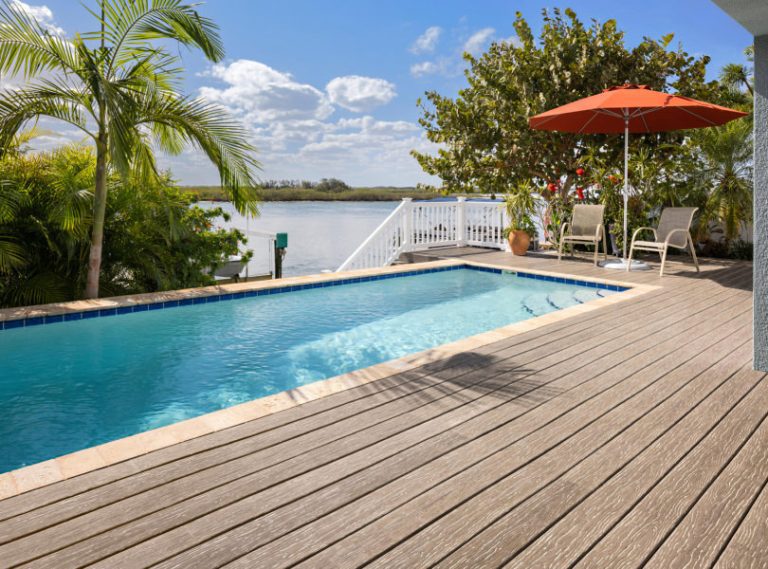
Coastline Decking: Transform Your Waterfront Oasis
Coastline Decking specializes in high-quality decking solutions for residential and commercial properties. Their products combine durability with aesthetic appeal, ensuring long-lasting outdoor spaces.
Creating the perfect outdoor space enhances your home’s beauty and functionality. Coastline Decking offers a range of materials and styles to suit any design preference. Whether you want a cozy patio or a spacious deck, quality materials make all the difference.
Their expert team ensures precise installation, providing peace of mind. With a focus on sustainability, Coastline uses eco-friendly options that don’t compromise on style. Transform your backyard into an inviting retreat with their customizable solutions. Enjoy the outdoors year-round with a beautifully designed deck that complements your lifestyle and adds value to your property. Choose Coastline Decking for both quality and craftsmanship.
Introduction To Coastal Decking
Coastal decking transforms outdoor spaces into beautiful retreats. It enhances homes near water. This type of decking offers style, comfort, and durability. Homeowners love the blend of nature and relaxation.
The Allure Of Waterfront Living
Waterfront living captivates many people. Imagine sitting on your deck, enjoying the view. Coastal decking makes this dream a reality.
- Natural Beauty: Decks highlight stunning water views.
- Outdoor Fun: Perfect for gatherings with family and friends.
- Relaxation: Create a serene space to unwind.
Coastal decking materials resist moisture and weather. This ensures a long-lasting outdoor space. Many choose composite or hardwood options for added strength.
Impact Of Decking On Property Value
Investing in coastal decking boosts property value. It attracts buyers looking for waterfront homes.
| Benefit | Impact on Value |
|---|---|
| Enhanced Aesthetics | Increases appeal |
| Increased Usable Space | Offers more entertaining options |
| Low Maintenance | Attracts busy homeowners |
Potential buyers see value in outdoor spaces. A well-designed deck can increase offers. Coastal decking makes properties stand out in the market.
Choosing The Right Materials
Choosing the right materials for your Coastline Decking is essential. The right choice can enhance beauty and longevity. Each material has unique benefits. Understanding these benefits helps in making an informed decision.
Comparing Wood And Composite Decking
Wood and composite decking are popular choices. Each has distinct features and advantages.
| Feature | Wood Decking | Composite Decking |
|---|---|---|
| Appearance | Natural, traditional look | Variety of styles and colors |
| Maintenance | Requires regular sealing and staining | Low maintenance, no staining needed |
| Cost | Generally lower initial cost | Higher upfront cost, longer lifespan |
Wood decking offers a classic look. It needs regular care. Composite decking requires less maintenance. It lasts longer than wood.
Durability Against Weather And Water
Weather and water resistance are crucial for decking materials. Different materials respond differently to these elements.
- Wood Decking: Prone to warping and rotting.
- Composite Decking: Highly resistant to moisture and insects.
- Wood decks need sealing to protect against weather.
- Composite decks resist fading and staining.
- Choose materials based on local climate conditions.
Investing in the right materials ensures a beautiful and durable deck. Choose wisely for long-lasting enjoyment.
Design Principles For Coastal Decks
Creating a coastal deck involves unique design principles. These principles enhance both aesthetics and functionality. A well-designed deck maximizes views and reflects the coastal environment.
Maximizing Views And Accessibility
Coastal decks should offer stunning views. Here are some key points:
- Use low-profile railings to avoid obstructing views.
- Position seating areas towards the ocean.
- Ensure easy access to the beach.
Consider these design elements:
| Element | Description |
|---|---|
| Flooring | Choose slip-resistant materials for safety. |
| Lighting | Use soft lighting to enhance evening views. |
| Shade Structures | Incorporate pergolas or awnings for comfort. |
Incorporating Nautical Themes
Nautical themes bring charm to coastal decks. Use these ideas:
- Choose blue and white color palettes.
- Incorporate rope and wood elements.
- Add marine-inspired decor like lanterns.
Popular nautical design features include:
- Furniture: Opt for weather-resistant materials.
- Accessories: Use nets or shells for decor.
- Artwork: Hang coastal paintings or photographs.
These design principles create inviting and functional coastal decks.
Sustainable Decking Options
Sustainable decking options are essential for eco-conscious homeowners. They use materials that are good for the planet. This section explores eco-friendly materials and ways to reduce environmental impact.
Eco-friendly Materials
Choosing eco-friendly materials is key for sustainable decking. Here are some popular options:
- Recycled Wood: Made from old wood products.
- Bamboo: Fast-growing and renewable.
- Composite Decking: Blends wood fibers and plastics.
- Aluminum: Durable and recyclable.
These materials help reduce deforestation. They also minimize waste in landfills.
Reducing Environmental Impact
Reducing environmental impact is crucial for decking choices. Here are some strategies:
- Choose local materials to cut transportation emissions.
- Opt for finishes that are low in volatile organic compounds (VOCs).
- Plan for proper drainage to protect local waterways.
- Maintain your deck to extend its lifespan.
These actions help protect nature. They also promote a healthier environment.
| Material | Benefits | Environmental Impact |
|---|---|---|
| Recycled Wood | Reduces waste | Low |
| Bamboo | Fast growth | Very Low |
| Composite Decking | Durable | Moderate |
| Aluminum | Recyclable | Low |
Choosing the right materials and methods makes a big difference. Sustainable decking options contribute to a better future.
Construction Considerations
Building a deck along the coastline requires careful planning. The unique environment presents challenges that must be addressed. Proper construction ensures durability and safety.
Foundation And Support
The foundation of your coastline deck is crucial. It must withstand various forces. Consider these factors:
- Soil Type: Assess soil stability before starting.
- Load Capacity: Plan for heavy loads from furniture and people.
- Height Above Water: Ensure proper elevation to avoid flooding.
Use strong materials for support beams and posts. Here is a quick comparison of common materials:
| Material | Durability | Cost |
|---|---|---|
| Pressure-treated wood | Moderate | Low |
| Composite materials | High | Medium |
| Steel supports | Very high | High |
Dealing With Saltwater And Corrosion
Saltwater can damage materials. Choose corrosion-resistant options. Consider these tips:
- Stainless Steel Fasteners: Use these for all connections.
- Coated Hardware: Select hardware with protective coatings.
- Regular Maintenance: Inspect for signs of wear and tear.
Proper sealing can also help. Use marine-grade sealants. They protect against moisture and salt damage.
Deck Maintenance And Upkeep
Keeping your Coastline Decking in top shape requires regular care. Proper maintenance enhances its beauty and extends its lifespan. A few simple steps can make a big difference.
Routine Cleaning Tips
Regular cleaning is essential for your deck’s health. Here are some effective tips:
- Sweep regularly: Remove dirt and debris weekly.
- Use a mild soap: Mix soap with water for cleaning.
- Scrub with a brush: Use a soft-bristled brush for tough spots.
- Rinse thoroughly: Always rinse off soap to avoid residue.
- Check for mold: Inspect for mold growth and clean it immediately.
Long-term Preservation Techniques
Protecting your deck from wear is crucial. Here are some long-term preservation methods:
- Seal the deck: Apply a water-resistant sealant every couple of years.
- Stain regularly: Choose a good quality stain to prevent fading.
- Inspect for damage: Check for cracks or splinters each season.
- Repair promptly: Fix any issues to prevent further damage.
- Store furniture safely: Use furniture pads to avoid scratches.
| Maintenance Task | Frequency |
|---|---|
| Sweep | Weekly |
| Wash with soap | Monthly |
| Seal | Every 2 years |
| Inspect for damage | Seasonally |
Safety Measures For Waterfront Decks
Waterfront decks offer stunning views and relaxation. Safety must be a priority. Proper measures ensure enjoyment without accidents. Here are key safety tips for your deck.
Railing Selection And Installation
Selecting the right railing is crucial. Railing prevents falls and provides support. Consider the following factors:
- Height: Rails should be at least 36 inches high.
- Material: Choose durable materials like aluminum or vinyl.
- Spacing: Keep spaces between balusters less than 4 inches.
Installation is equally important. Follow these steps:
- Check local building codes.
- Use sturdy brackets for attachment.
- Ensure railings are secure before use.
Regularly inspect railings for damage. Replace any weak or broken parts immediately.
Slip-resistant Surfaces
Slip-resistant surfaces are vital for safety. Wet conditions can lead to falls. Use these materials for your deck:
| Material | Benefits |
|---|---|
| Composite Decking | Low maintenance and slip-resistant. |
| Textured Wood | Natural grip, especially when wet. |
| Rubber Tiles | Great for cushioning and slip resistance. |
Apply non-slip coatings to existing surfaces. Regular cleaning prevents algae and mold. Keep surfaces clear of debris. This reduces slip hazards.
Enhancing Your Deck With Accessories
Transform your deck into a welcoming oasis. Accessories add style and functionality. They make your outdoor space enjoyable for everyone. Choose the right accessories to enhance your deck.
Outdoor Furniture Selection
Selecting the right furniture is key. Focus on comfort and durability. Consider these popular options:
- Chairs: Choose lounge chairs or rocking chairs.
- Tables: Opt for dining or coffee tables.
- Sofas: Look for weather-resistant outdoor sofas.
- Benches: Perfect for extra seating.
Use materials that withstand the elements. Look for:
| Material | Durability | Maintenance |
|---|---|---|
| Teak | Very durable | Low maintenance |
| Aluminum | Rust-resistant | Easy to clean |
| Wicker | Weather-resistant | Moderate maintenance |
Comfortable cushions add extra coziness. Choose fade-resistant fabrics for longer life.
Lighting For Ambiance And Safety
Proper lighting enhances the atmosphere. It also ensures safety at night. Consider these lighting options:
- String Lights: Create a cozy vibe.
- Post Lights: Illuminate pathways.
- Lanterns: Add charm and portability.
- Spotlights: Highlight plants or features.
Use energy-efficient LED lights. They save energy and last longer. Install lights at different heights for an appealing look.
Safety is crucial. Ensure paths and steps are well-lit. Use motion-sensor lights for added security.
Building coastline decking involves understanding legal and environmental rules. These regulations protect natural resources. Knowing them ensures responsible development and compliance.
Permitting Process
The permitting process is crucial for coastline decking projects. It involves several steps:
- Identify local regulations.
- Submit a project proposal.
- Complete environmental assessments.
- Obtain necessary permits.
Check local government websites for specific requirements. Each area may have different rules and fees.
Common permits include:
- Building permits
- Environmental impact assessments
- Coastal zone management permits
Protecting Coastal Ecosystems
Coastal ecosystems are vital for the environment. They provide habitat for wildlife. They also protect shorelines from erosion. Sustainable decking practices help preserve these ecosystems.
Key practices include:
- Using eco-friendly materials
- Minimizing land disturbance
- Implementing proper drainage systems
Engage with local environmental groups. They can provide guidance on best practices. Understanding these regulations benefits both nature and your project.
Real-life Coastal Deck Transformations
Transforming coastal decks can change outdoor spaces dramatically. These projects enhance beauty and functionality. Homeowners enjoy improved views and relaxation spots. Let’s explore some inspiring before and after transformations.
Before And After Deck Projects
| Project | Before | After |
|---|---|---|
| Beachfront Retreat | Old, weathered wood with peeling paint. | New composite decking, bright colors, modern railing. |
| Seaside Oasis | Small, cramped space with no privacy. | Spacious deck, added privacy screens, lush plants. |
| Coastal Cottage | Uninviting, dull gray wood. | Vibrant colors, built-in seating, decorative lights. |
Testimonials From Homeowners
- Emma T.: “Our new deck is stunning! It feels like a vacation at home.”
- James K.: “The transformation was incredible. We love hosting friends here!”
- Sara P.: “The deck changed our outdoor experience. It’s now our favorite spot.”
- Michael R.: “We enjoy sunsets more than ever. Best investment ever made!”
Frequently Asked Questions
What Is Coastline Decking Made Of?
Coastline Decking typically consists of composite materials, wood, or PVC. These materials are designed to withstand harsh weather conditions. They provide durability and low maintenance, making them an ideal choice for outdoor spaces. Coastline Decking is also resistant to moisture, preventing warping and rotting.
How Long Does Coastline Decking Last?
Coastline Decking generally lasts between 25 to 30 years with proper care. Its durability depends on the materials used and maintenance practices. Regular cleaning and sealing can extend its lifespan. Choosing high-quality materials also contributes to its longevity, ensuring your investment remains worthwhile.
Is Coastline Decking Environmentally Friendly?
Yes, Coastline Decking can be environmentally friendly. Many brands use recycled materials in their products. This helps reduce waste and conserves natural resources. Additionally, some decking options are made from sustainably sourced wood, minimizing the ecological impact of your outdoor space.
Can I Install Coastline Decking Myself?
Yes, many homeowners choose to install Coastline Decking themselves. However, it requires basic carpentry skills and proper tools. Clear instructions are usually provided by manufacturers. If you’re unsure, hiring a professional can ensure a flawless installation and save time.
Conclusion
Coastline decking offers a perfect blend of durability and style for any outdoor space. Its resistance to weathering ensures longevity, making it an ideal choice for homeowners. With various designs available, you can create a stunning deck that complements your lifestyle.
Invest in coastline decking for a beautiful and functional outdoor area.