How to Remove Paint from a Wood Deck: 5 Methods That Work
To remove paint from a wood deck, spread a gel stripper in a thick coat, give it time to soften the paint, then scrape it off with a plastic scraper and rinse. Sanding finishes the surface, but it makes dust, so test for lead first on any deck built before 1978. This guide compares stripper, heat, sanding and power washing by deck material, safety and cost, and explains why paint was probably the wrong finish for the deck.
Quick Answer: How to Remove Paint from a Wood Deck
Pre-1978 deck? Check for lead first. Then apply a gel stripper thickly, let it work (Citristrip says up to 24 hours on multiple layers), scrape with a plastic scraper, and rinse. Sand lightly with 60 to 80 grit, then 120. Use a power washer only to rinse, on a wide fan tip, and skip stripper entirely on composite decking. Finish with a penetrating stain, not more paint.
Which Method Should You Use To Remove Paint From a Wood Deck?
Best Deck Paint Stripper Pick
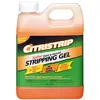 |
Citristrip Paint and Varnish Stripping Gel, 1-Quart ($38.98) A gel clings to boards instead of running off, which matters when you are stripping several paint layers from a deck in one pass, and it contains no methylene chloride.
|
As an Amazon Associate we earn from qualifying purchases.
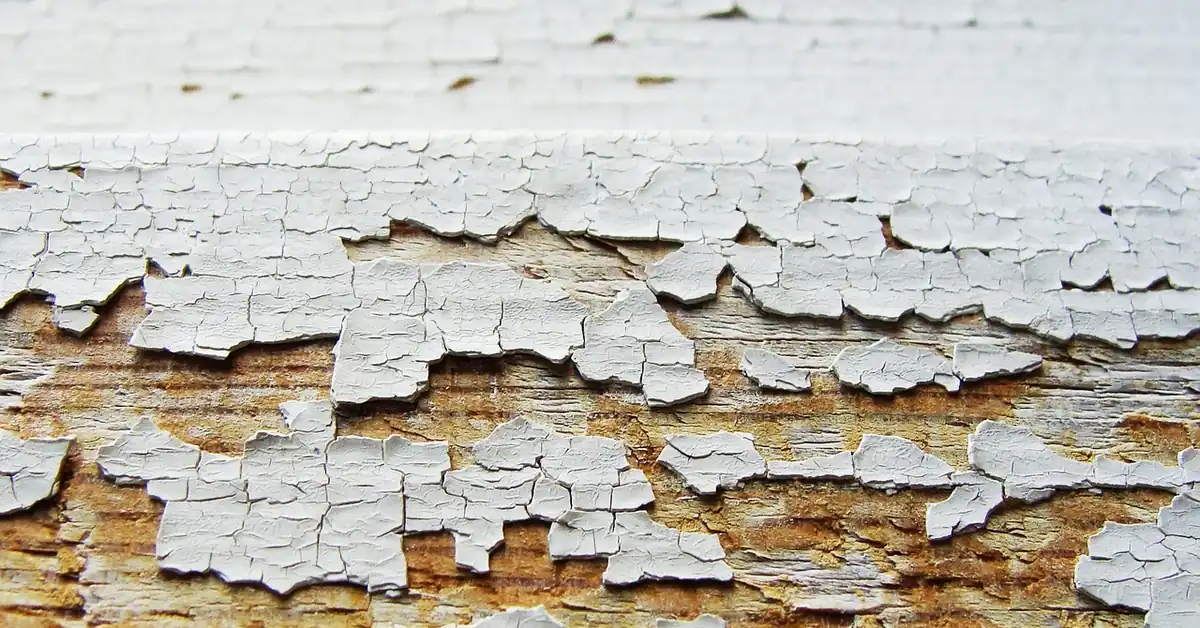
Paint removal from a wood deck means stripping old, peeling or failed paint from the boards so a new finish can bond to bare wood. The best method depends on what the deck is made of, how many layers of paint are on it, and whether the paint might contain lead.
| Method | Best when | Main risk on a deck | Lead-paint note |
|---|---|---|---|
| Gel chemical stripper | Several paint layers, railings, spindles and shaded areas | Fumes and runoff; not for composite decking | Wet method that does not sand the paint into dust |
| Low-temperature heat gun | Small stubborn patches | Scorching the board; fire risk in gaps between boards | EPA: keep it under 1,100 degrees Fahrenheit |
| Sanding | Smoothing after stripping, or thin, flaking paint | Dust, and gouged soft wood | EPA: wet-dry sandpaper or a sanding sponge, and mist the area |
| Pressure washing | Rinsing off loose paint and stripper residue | Removing wood from soft species, fuzzed grain | Washes chips into the soil, so catch them |
| Low-toxicity gel (citrus or soy based) | Tight spaces, less odor | Slower; follow the label | Still a wet strip; same lead rules apply |
Most refinishers combine methods: a gel stripper to break the bond, a plastic scraper for the bulk, then a light sanding pass so the new finish has clean wood to soak into. For general stripping technique, including how gel strippers behave on other wood, see our guide to removing varnish from wood.
Check For Lead Before You Scrape Or Sand
Paint on a deck built before 1978 may contain lead, and scraping or sanding it makes dust and chips you do not want in your lungs or your soil. The EPA’s DIY renovation advice says it recommends homeowners hire lead-safe certified contractors for renovation work in pre-1978 homes, and suggests having a certified lead inspector or risk assessor test first. Read the full guidance on the EPA lead-safe renovation page for DIYers.
If lead is possible and you proceed anyway, the EPA’s safer-practice list includes:
- Wet-dry sandpaper or a sanding sponge, with the surface misted before sanding or scraping to keep dust down.
- A heat gun kept under 1,100 degrees Fahrenheit.
- A disposable N-100 respirator, disposable coveralls and shoe covers.
- Heavy plastic sheeting under and around the work area, and a HEPA vacuum plus wet cleanup afterward.
Choose your stripper carefully too. The EPA banned consumer sales of methylene chloride paint removers because the fumes can cause dizziness, loss of consciousness and death. Do not use an old can of it. Our guide to removing old varnish from wood covers the lead test and fume rules in more detail.
The EPA caps heat guns at 1,100 degrees Fahrenheit when lead paint is possible. Source: EPA, lead-safe renovations for DIYers
What Your Deck Is Made Of Changes The Method
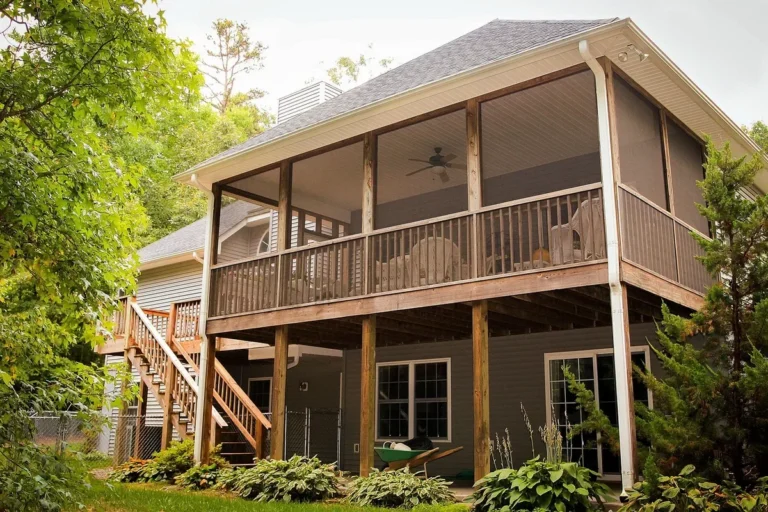
The Forest Products Laboratory notes that deck lumber is usually pressure treated with a preservative, or a naturally durable wood such as redwood or western redcedar. Those materials do not all tolerate the same treatment.
| Deck material | What to know before stripping |
|---|---|
| Western redcedar and redwood | Softer wood. The Forest Products Laboratory warns power washing and aggressive scrubbing with caustic cleaners can remove wood from the surface, particularly on softer wood such as western redcedar. Strip with gel and scrape instead of blasting. |
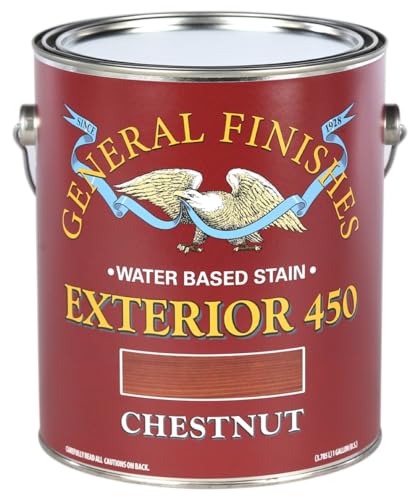
| Pressure-treated lumber | The most common deck material. Gel stripping and light sanding work, but let the boards dry out after rinsing. Our deck drying guide covers the wait. |
| Composite decking | Check with the deck maker first. Citristrip states its gel cannot be used on composite decking and tells owners to contact the manufacturer for alternatives. |
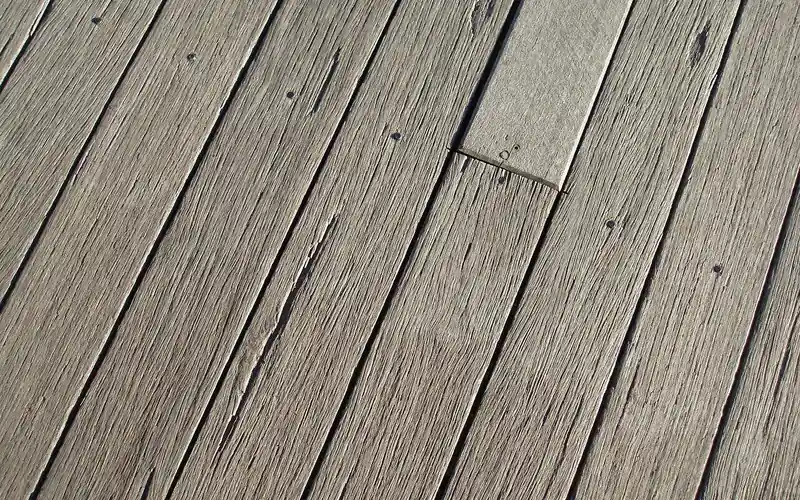
Weathered wood deserves a caution of its own: the Forest Products Laboratory says the silvery surface of a weathered deck comes from empty wood fibers that should not be removed because they absorb stain well. Strip the paint, but do not sand or blast deeper than you need to.
Chemical Paint Strippers: When And How To Use
A gel stripper is the most forgiving way to remove paint from a wood deck because it needs no heat and little force. Citristrip’s directions say to apply it in layers several times thicker than the paint film so it can soften and liquefy the paint.
Choosing The Right Chemical Stripper
Look for a gel rather than a thin liquid, since a gel stays on the board and works longer. Gels sold as citrus or soy based avoid methylene chloride, but the Citristrip listing still carries a California Proposition 65 warning for N-Methyl-2-pyrrolidone, so low-toxicity does not mean no gloves or ventilation.
Application Techniques And Tips
- Sweep the deck and scrape off any loose, flaking paint first, with plastic sheeting laid under the deck if lead is possible.
- Brush on a thick, even coat in sections of a few boards, and avoid brushing it back and forth once it is laid on.
- Leave it until the paint wrinkles and lifts. Citristrip says its gel stays active for up to 24 hours, so thick buildup may need longer than a quick pass.
- Lift the softened paint with a plastic scraper or brush, then clean off residue with an abrasive pad and the cleaner named on the label, such as odorless mineral spirits for Citristrip.
- Repeat on any layer that is left, then rinse the deck.
Heat Gun Method: A Controlled Approach
A heat gun softens paint so you can scrape it off without chemicals, but it is the slowest method over a whole deck and the riskiest near board gaps. Use it for stubborn patches rather than the entire surface, with an adjustable-temperature model; if lead is possible, the EPA says to stay under 1,100 degrees Fahrenheit.
Step-by-step Heat Application
- Start on the lowest setting to avoid scorching the wood.
- Hold the gun a few inches from the paint and keep it moving.
- Stop as soon as the paint bubbles and scrape it with a scraper held flat.
- Never aim the heat into the gaps between boards, where debris can smolder.
- Repeat patch by patch until the paint is gone.
A wire brush helps with paint left in the grain; see using a wire brush to remove paint from wood.
Sanding: Getting Down To The Grain
Sanding is the finishing step after stripping, and the main method only when the paint is thin or already flaking. It also levels raised grain so the new finish goes on evenly.
Types Of Sanders And Sandpaper
| Sander Type | Best for |
|---|---|
| Belt sander | Large surface areas and heavy-duty sanding, but it can gouge softwood |
| Orbital sander | General sanding and smoothing |
| Random orbital sander | Faster sanding with less risk of swirl marks |
Start with a coarse grit such as 40 or 60 to cut through remaining paint, then move to 80 and 120 to smooth the boards. Our guide to sandpaper grit for wood explains how grits step up.
The Sanding Process
- If lead is possible, mist the boards and use wet-dry sandpaper or a sanding sponge, as the EPA advises.
- Sand with the grain using even pressure, starting with coarse grit.
- Switch to finer grit once the paint is gone.
- Sweep or vacuum the dust and rinse the deck.
Wear a good dust mask or respirator and safety goggles; dust from old paint is something to keep out of your lungs.
Power Washing: Fast And Messy
Power washing is a good way to rinse a deck after stripping, but it is not a reliable way to remove paint that is still bonded to the wood. It works on loose, failing paint and can damage the boards if you push it.
Effective Power Washing Techniques
- Fit a wide fan tip, 25 or 40 degrees, never a narrow jet.
- Start well back from the surface and move closer only if needed.
- Sweep in smooth, overlapping strokes along the grain.
- Keep pressure low. Deck-cleaning guides commonly say to stay near or below about 1,000 PSI on wood, and lower on softwoods like cedar. We could not find a maker or extension spec for this number, so treat it as a rule of thumb and stop if the grain fuzzes.
- Let the deck dry fully before sanding or finishing.
Natural Solutions: Eco-friendly Alternatives
The gentlest real option is a gel stripper sold as citrus or soy based, which the makers position as lower in odor and free of methylene chloride. It works slowly, so plan to let it sit and test it on a hidden board first.
We have removed the older advice about vinegar and baking soda. We could not find any source showing that household vinegar and baking soda soften cured exterior paint, so they are not a method we can stand behind for a deck.
Finishing Touches: Post-paint Removal Care
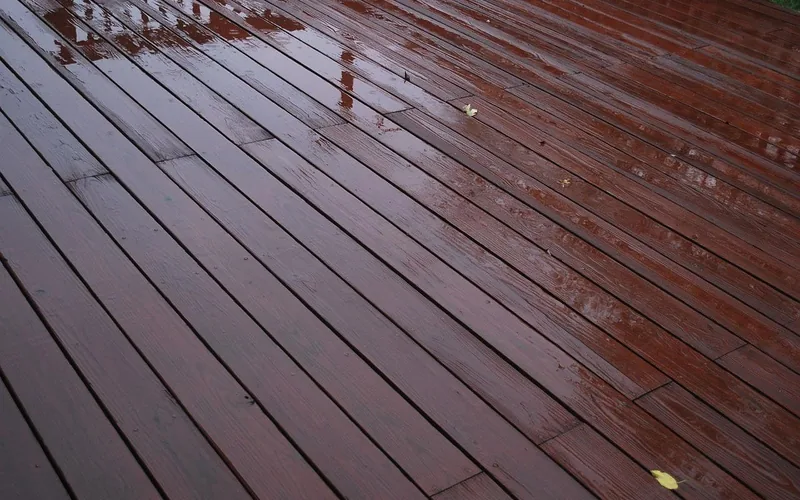
Once the paint is off, clean the deck, let it dry, and choose the finish carefully. This is where most deck paint problems start.
Film-forming finishes such as paints and solid-color stains are prone to trap moisture and fail by peeling on decks. Source: USDA Forest Products Laboratory, Finishes for Wood Decks (2013)
That is the myth to correct: peeling is not always a bad paint job. The Forest Products Laboratory recommends penetrating finishes, such as water-repellent preservatives and semitransparent stains, over paint on wood decks, because they do not form a film that can blister or peel. If you would rather repaint, our guide to painting a treated wood deck covers how to do it as well as it can be done.
Cleaning And Neutralizing The Wood Deck
Sweep up dust and chips, then use a wood deck cleaner or brightener to clear leftover stripper and dirt, following the label. The Forest Products Laboratory says brighteners restore the wood’s natural color by removing mildew and dirt without adding color. Rinse thoroughly. It says that if the deck is to be finished after cleaning, allow at least 2 warm, windy days to dry.
Sealing And Protecting The Wood
Apply a penetrating finish evenly and keep a wet edge to avoid lap marks. If you are choosing a stain type or planning the next coat, our guide to how to restain a deck walks through it, and how long a deck should dry before staining covers the wait in detail.
Common Mistakes To Avoid
- Skipping the lead check. On a deck built before 1978, test first; dry sanding and scraping can create lead dust.
- Using stripper on composite decking. Citristrip says its gel cannot be used on composite decking.
- Blasting softwood. Power washing can remove wood from softer species like western redcedar.
- Letting stripper dry out. Dried stripper stops working. Apply it thickly and keep it wet until you scrape.
- Holding a heat gun in one place. Keep it moving, and keep it out of the gaps between boards.
- Repainting with the same film-forming finish. Use a penetrating stain next time.
Frequently Asked Questions
How Do I Remove Paint From A Wood Deck?
Spread a gel stripper in a coat several times thicker than the paint, let it soften the paint, then lift it off with a plastic scraper. Rinse gently, sand the surface smooth, and let the deck dry before you finish it. On a deck built before 1978, test for lead before you scrape or sand.
Can I Use A Power Washer To Remove Paint From My Wood Deck?
A power washer is better at rinsing off loose paint and stripper residue than at stripping paint that is still bonded to the wood. Use a wide fan tip, start at low pressure, and test a hidden board first. The Forest Products Laboratory warns that power washing can remove wood from the surface, especially on softer species such as western redcedar.
What Are Some Alternative Methods To Remove Paint From A Wood Deck?
Sanding, a low-temperature heat gun and gel strippers marketed as citrus or soy based are the realistic alternatives to a standard stripper. We found no source showing that household vinegar and baking soda soften cured exterior paint, so we do not recommend them for a deck.
How Long Does Paint Stripper Take To Work On A Deck?
It depends on the product and the number of paint layers, so follow the label. Citristrip says its gel stays wet and active for up to 24 hours so it can strip multiple layers in one step. Apply it thickly and do not let it dry out before you scrape.
What PSI Should I Use To Power Wash Paint Off A Deck?
No maker or extension source we found gives a single safe PSI for decks. Deck-cleaning guides commonly keep wood decks near or below about 1,000 PSI with a 25 or 40 degree fan tip, and softwoods like cedar at the low end. Test a hidden board first and stop if the surface fuzzes.
Do I Need To Sand After Using Chemical Paint Stripper On A Deck?
Usually yes, lightly. Stripping and scraping leave rough patches, stripper residue and stubborn paint in the grain. Sand with 60 to 80 grit, then 120 grit, and rinse off the dust before finishing. Do not sand away the silvered surface fibers on weathered wood, since they absorb stain well.
Can You Use Paint Stripper On Composite Decking?
Not without checking with the maker. Citristrip states its Paint and Varnish Stripping Gel cannot be used on composite decking and tells owners of composite decks to contact the deck manufacturer for alternatives.
Conclusion
Removing paint from a wood deck is mostly a matter of choosing the gentlest method that works for your deck material: a gel stripper and plastic scraper for most boards, light sanding to finish, and power washing only to rinse. Check for lead on any pre-1978 deck first, and finish with a penetrating stain so the next coat does not peel.
Sponsored / affiliate links. As an Amazon Associate I earn from qualifying purchases. I may earn additional commission from eligible campaigns.