How to Make Composite Decking Less Slippery: DCOF Ratings + Fixes
Composite decking can meet ANSI A326.3’s 0.42 wet DCOF slip-resistance threshold when it’s clean and dry — but a thin film of algae, pollen, or worn factory finish drops that number fast. Losing grip on stairs or a shaded, pool-adjacent stretch is how most composite-deck falls happen, not the material itself. This guide covers the six fixes that actually restore traction: cleaning, anti-slip additives, grit strips, and drainage.
Quick Answer
Composite decking gets slippery mainly from a film of algae, pollen, or wear on the factory cap finish — not the board material itself. Clean it every 4–6 weeks with a composite-safe cleaner, apply a clear anti-slip additive on stairs and shaded zones, and add grit-tape nosing on step edges. If a section tests below the 0.42 wet DCOF safety threshold, a textured coating outperforms a rubber mat alone.
Why Does Composite Decking Get Slippery?
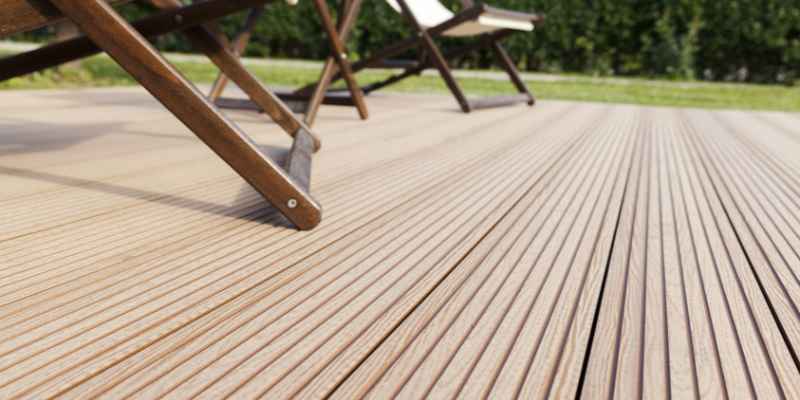
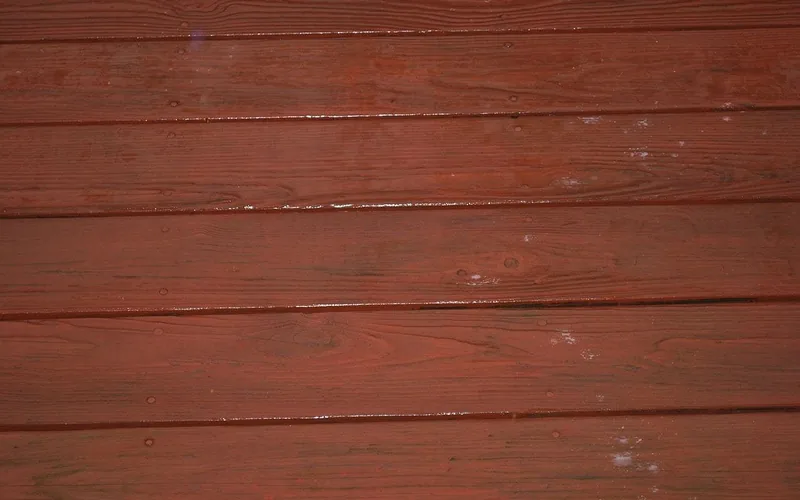
Composite decking gets slippery when a thin biofilm of algae, pollen, or dirt builds up on the board surface, or when the factory-applied cap finish wears smooth from years of foot traffic and UV exposure — not because the composite material is inherently slick. Our companion guide on whether composite decking is slippery by the numbers breaks down how different brands’ factory finishes compare, but the short version is that a well-maintained deck from any major brand starts well above the danger zone.
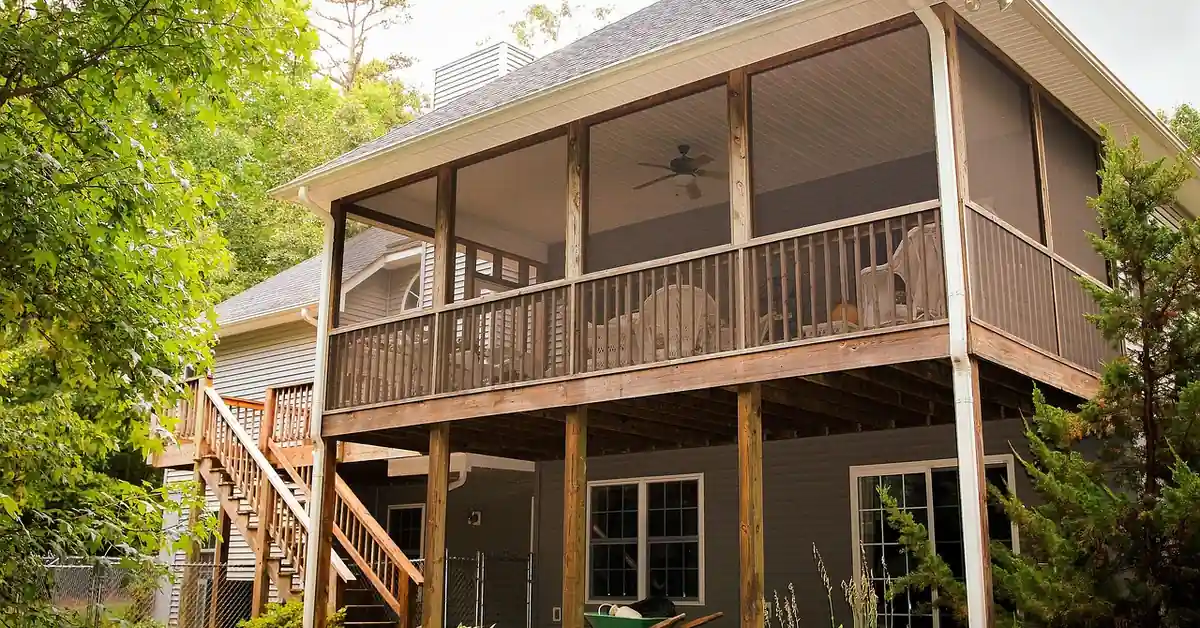
Shaded areas under a covered porch or near tall fencing stay damp longest, so they build up biofilm faster than sun-exposed boards. Standing water on a poorly pitched deck compounds the problem — it doesn’t just sit on top of the film, it keeps re-wetting it between rains, which is why the same three or four boards are usually the repeat offenders on any given deck.
|
Best Composite Deck Anti-Slip Pick |
|
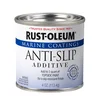 |
Rust-Oleum Marine Clear Anti-Slip Additive Mixes into any clear sealer or topside paint to create a lightly gritty, non-slip texture without changing the color of your composite or wood decking.
|
As an Amazon Associate we earn from qualifying purchases.
How to Make Composite Decking Less Slippery: 6 Steps
Most slip complaints on composite decking trace back to maintenance, not the material. Work through these in order — steps 1 and 2 alone fix the majority of slick decks:
- Clean the surface on a schedule: Sweep debris weekly and wash the deck with a composite-safe cleaner every 4–6 weeks to strip the biofilm before it’s visibly slick.
- Treat algae and mildew immediately: Use an oxygen-bleach composite deck cleaner at the first sign of green or black staining — standard chlorine bleach can strip the cap finish and make future biofilm stick faster.
- Apply a clear anti-slip additive or textured coating: Mix an additive into a compatible clear sealer for shaded zones and stair treads, or use a dedicated textured anti-slip coating on high-traffic poolside boards (expect to recoat within about 24 months in heavy-use areas).
- Add grit-tape or nosing strips on stair edges: Stair nosings carry more slip risk than flat deck boards because your foot lands at an angle — a $10–20 grit-tape strip on each tread edge closes most of that gap.
- Improve drainage: Pitch the deck surface 1–2% away from the house if you’re building or resurfacing, and clear debris from board gaps so water doesn’t pool and re-wet the film between cleanings.
- Choose slip-resistant footwear outside: Smooth-soled sandals and dress shoes are a bigger factor in most reported deck slips than the decking material itself — a rubber-soled shoe adds more real-world grip than most coatings.
DCOF and ANSI Slip-Resistance Ratings, Explained
DCOF (Dynamic Coefficient of Friction) is the industry measurement for how much resistance a surface offers to a foot in motion — the higher the number, the less likely a slip. ANSI A326.3 sets 0.42 DCOF as the safety threshold for interior level floors; for exterior, wet-use surfaces like decking, there’s no single mandatory number — slip performance has to be manufacturer-declared and tested for real site conditions. Some commercial facilities require 0.50 DCOF or higher on all exterior walking surfaces under ADA-related guidance, which is a reasonable target to aim for on a residential deck used barefoot or in wet weather.
Reputable composite decking brands publish DCOF or equivalent slip-test results for their capped boards, and most textured composite boards test above 0.42 when clean and dry. The number drops once biofilm or standing water is added — which is exactly why the maintenance and coating steps above matter more, day to day, than which brand of composite you started with.
Not every fix costs or lasts the same. Here’s how the main anti-slip options compare:
| Treatment | Approx. Cost | How Long It Lasts | Best For |
|---|---|---|---|
| Composite-safe deck cleaner | $15–25/gallon | Reapply every 4–6 weeks | Routine biofilm removal, whole deck |
| Clear anti-slip additive | $12–15 | 12–18 months | Shaded zones and stair treads without hiding board color |
| Textured anti-slip coating | $40–175/gallon | Up to ~24 months in high-traffic areas | Poolside decks and heavy foot traffic |
| Grit-tape or nosing strips | $10–20/pack | 1–2 years outdoors | Stair edges specifically |
| Rubber-backed traction mats | $20–40 | Until worn | Grill, hot tub, and pool-entry zones |
Long-Term Prevention: Drainage and Stair Safety
A deck that drains well stays safer longer than one that just gets cleaned often. If you’re building new or resurfacing, pitch the deck surface 1–2% away from the house so rainwater sheets off instead of pooling between boards. On an existing deck, clear leaves and dirt from the board gaps after every storm — clogged gaps trap water against the surface and extend how long each section stays wet and slick.
Stairs deserve extra attention because a slip on a step is far more likely to become a fall than a slip on a flat deck surface. Add grit nosing to every tread edge, keep a secure handrail installed on any run of three or more steps, and check that stair lighting is adequate for evening use — a step you can’t see clearly is a step you can’t catch yourself on. For general backyard deck safety beyond slip resistance, see our backyard deck planning guide.
Common Mistakes That Make Slipping Worse
- Pressure washing too aggressively: A high-pressure tip held too close can etch the cap finish, creating a rougher surface that actually holds more dirt and biofilm afterward. Use a fan tip and moderate pressure, or switch to a soft wash.
- Using plain chlorine bleach: It kills algae on the surface but doesn’t remove the oily biofilm residue underneath, and repeated use can dull or strip the factory finish over time. An oxygen-bleach, composite-specific cleaner works better and is gentler on the cap.
- Only treating the flat deck, not the stairs: Stair treads see more concentrated foot pressure at an angle, so they need grit nosing or additive treatment even if the main deck feels fine.
- Ignoring the same shaded spot every season: If one stretch of deck stays damp longer than the rest, treat it as a distinct problem area — a whole-deck cleaner schedule won’t fix a spot-specific drainage or shade issue.
On my own covered porch, the boards farthest from direct sun are always the first to grow a slick film — no amount of afternoon sun ever reaches that corner to dry the mildew out between rains. A twice-a-season scrub with an oxygen-bleach cleaner, plus a clear anti-slip additive worked into that one shaded stretch, has kept it grippy for three seasons running without recoating the rest of the deck.
Frequently Asked Questions
How can I reduce slipperiness on composite decking?
Clean the surface every 4–6 weeks with a composite-safe cleaner to remove the biofilm that causes most slipping, then apply a clear anti-slip additive or textured coating to stairs and shaded areas. Adding grit-tape nosing to stair edges and rubber-backed mats near grills or hot tubs closes most of the remaining risk.
Is composite decking slippery when wet?
Yes, composite decking can get slippery when wet, especially older or budget composite with a smooth, uncapped surface, or any deck with a film of algae or pollen built up between cleanings. Our guide to composite decking and rain-specific slip risk covers drainage and shade fixes in more depth.
What DCOF rating is considered safe for a deck?
ANSI A326.3 sets 0.42 DCOF as the safety threshold for interior level floors, and many facilities target 0.50 or higher for exterior, wet-use walking surfaces under ADA-related guidance. There’s no single mandatory number for residential decking, but a textured composite board tested above 0.50 DCOF when wet is a reasonable safety target for stairs and pool-adjacent areas.
Is it safe to use soap on composite decking?
Using a mild soap on composite decking is generally safe, but avoid harsh chemicals or straight chlorine bleach, which can damage the cap finish over repeated use. Always rinse thoroughly to remove soap residue, since leftover film can attract dirt and actually make the surface slicker.
How often should I clean composite decking to prevent slipping?
Clean composite decking every 4–6 weeks during the growing season, and at least twice a year overall. Shaded areas and spots near sprinklers or pools may need cleaning more often since they stay damp longer and build up biofilm faster.
Composite decking is not inherently slippery — a clean, well-drained deck from any major brand tests well above the 0.42 DCOF safety threshold. The slip risk builds gradually from algae, pollen, and worn finish, which means the fix is almost always maintenance and targeted anti-slip treatment rather than replacing the decking itself. Start with a cleaning schedule, treat your stairs and shaded zones specifically, and check drainage before assuming you need a full recoat.
Sponsored / affiliate links. As an Amazon Associate I earn from qualifying purchases. I may earn additional commission from eligible campaigns.
 SuperStructuring Plugs for Decking - 1/4" Trex Composite Decking Wood Plugs, Weather-Resistant, UV Protection, Hole Covers for Outdoor Home Improvement & Repair - Enhance Naturals Foggy Wharf, 100-PcSuperStructuring Plugs for Decking - 1/4" Trex Composite Decking Wood Plugs, Weather-Resistant, UV Protection, Hole Covers for Outdoor Home Improvement & Repair - Transcend Tiki Torch, 100-Pc