How to Dispose of Composite Decking (Real Recycling Options Are Limited)
Here’s the honest reality: standard curbside recycling won’t take composite decking, and true board-to-board recycling programs are genuinely rare. The wood fibers and plastic in composite decking are fused together during manufacturing, and most recycling facilities aren’t equipped to separate them back out. That doesn’t mean you’re stuck — reuse, manufacturer take-back programs, and (when nothing else works) responsible landfill disposal are all real options, just not the “drop it at any recycling center” story often repeated online.
Why “Just Recycle It” Isn’t The Whole Story
For Removing The Boards Intact
 |
Duckbill Deck Wrecker Board Removal Tool – $124.90 Removing boards without cracking them matters more with composite than wood, since intact boards are the ones with real repurposing or resale value.
|
Composite decking is made by fusing wood fibers with recycled plastic (usually polyethylene) under heat and pressure — a process that makes the material durable and low-maintenance, but also makes it genuinely difficult to un-fuse at end of life. Standard curbside recycling programs sort by material type (paper, glass, specific plastics), and a mixed wood-plastic composite doesn’t fit any of those bins. Most municipal recycling centers will turn away whole deck boards for exactly this reason, regardless of what a general “recycle your old decking” article might suggest.
What Manufacturer Programs Actually Accept
Trex’s NexTrex program, the best-known initiative in this space, is real and does divert plastic from landfills — but it’s primarily built to collect plastic film (shopping bags, shrink wrap, stretch wrap) as raw material for manufacturing new decking, not to take back old composite deck boards from a teardown. Some manufacturers do list drop-off locations for installation offcuts and scrap, which is worth checking directly with your decking’s specific brand, but a full deck’s worth of removed boards usually isn’t what these programs are built to process. Check your decking brand’s own sustainability or recycling page for what they actually accept before assuming a program will take your old boards.
Reuse Is The Most Realistic “Green” Option
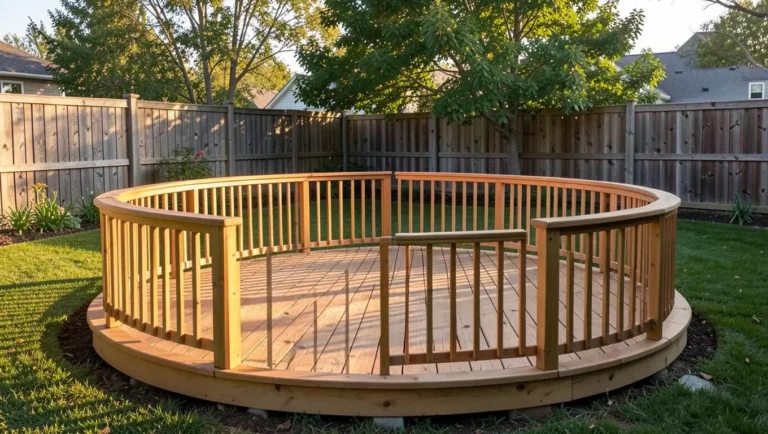
Since true recycling is limited, repurposing intact boards is genuinely the most practical way to keep composite decking out of a landfill. Its actual advantages for this — moisture and rot resistance, no risk of decay once cut into new shapes — make it well-suited to smaller secondary projects:
- Raised garden beds or planter boxes, where the material’s moisture resistance is a real asset
- Shelving or a storage bench for a garage or shed
- Siding or trim for a small structure like a doghouse or playhouse
- Selling or giving away intact boards locally to someone doing a smaller project

Selling Or Giving Away Intact Boards
A deck’s worth of removed boards, even in fair-to-good condition, often has real value to someone doing a smaller project — a garden bed, a shed floor, outdoor shelving — who doesn’t need matching, pristine material. Local classifieds, community buy-nothing groups, and construction-material reuse organizations (Habitat for Humanity ReStore locations accept usable building materials in many areas) are realistic places to find someone who’ll take boards off your hands, sometimes for free pickup that saves you the disposal trip entirely. This works best when boards come off in one piece, which is the real argument for careful removal over just prying them free as fast as possible.
Removing Boards Without Destroying Their Reuse Value
Since reuse is the realistic goal, removing boards carefully matters more than it would for lumber headed straight to the dump. Work from the outer edges inward, back screws or hidden fasteners out rather than prying boards free with force, and use a deck-board-specific pry tool rather than a standard flat bar to reduce cracking. Stack removed boards flat as you go rather than leaning them, which reduces the chance of warping before you decide their next use.
Hauling A Full Deck’s Worth Of Material
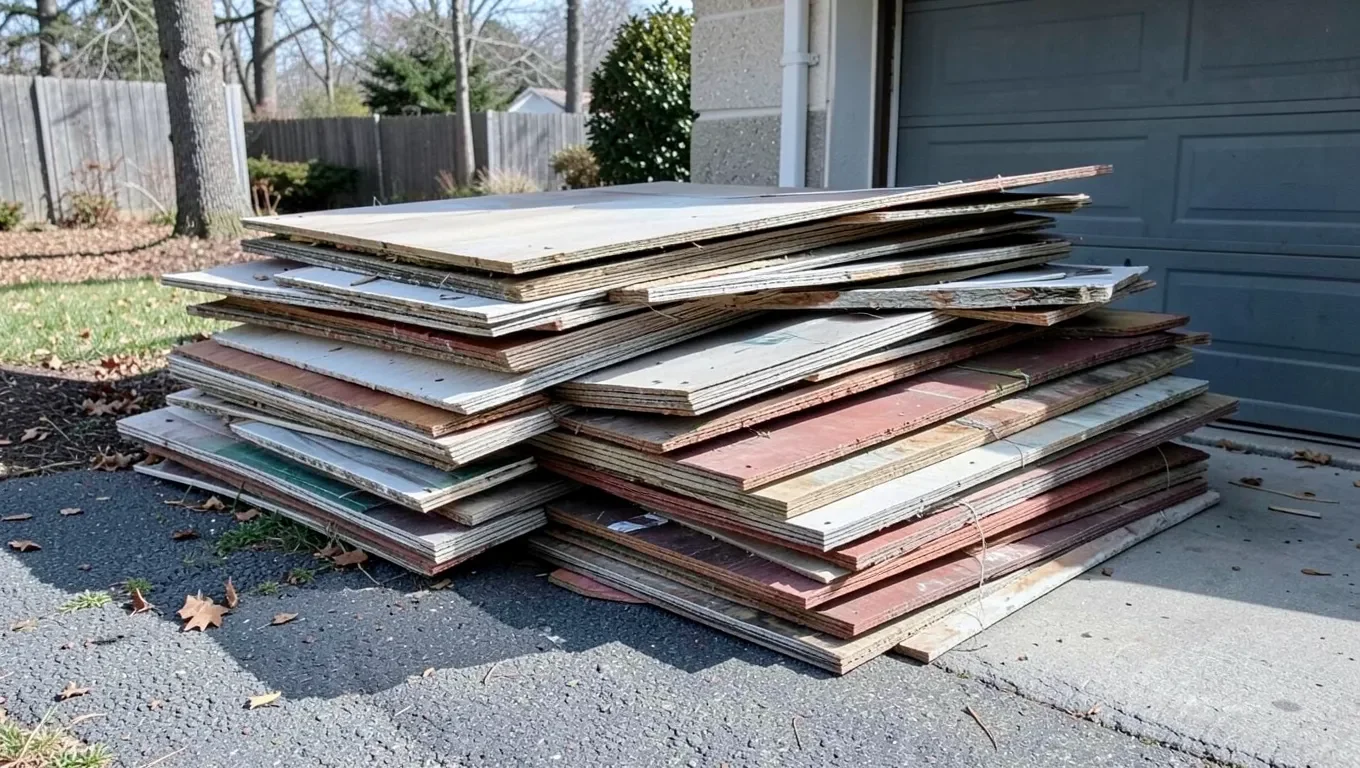
For a full deck teardown rather than a few leftover boards, the practical logistics matter as much as the disposal method. A standard pickup-truck load handles a small deck; anything larger typically means either multiple truck trips to a landfill or transfer station, or renting a dumpster for the duration of the project — genuinely more cost-effective than repeated trips once the deck is more than a couple hundred square feet. Call ahead to your local landfill or transfer station either way, since some facilities have specific rules or fees for construction debris versus standard household waste, and showing up unprepared can mean turning around and coming back another day.
If Nothing Else Works: Landfill Disposal
When reuse and manufacturer programs aren’t practical options, landfill disposal is the realistic fallback — and it’s worth knowing that composite decking doesn’t leach the chemicals that pressure-treated wood can, so it isn’t a hazardous-waste situation. The real downside is simply that it doesn’t break down, so it occupies landfill space indefinitely rather than decomposing. Check with your local waste management facility for construction debris guidelines, since some require separate handling from standard household trash.
One thing that’s accurate in most disposal guides: never burn composite decking. The plastic component releases toxic fumes when it melts and combusts, a genuine health and environmental hazard regardless of how small the scrap piece is.
Frequently Asked Questions
Is composite decking recyclable?
Not through standard curbside recycling — the fused wood-plastic material can’t be sorted with typical recyclables. Manufacturer programs like Trex’s NexTrex exist but primarily collect plastic film as manufacturing input, not old deck boards. Reuse and, as a last resort, landfill disposal are the realistic options for removed boards.
What to do with old Trex decking?
Check Trex’s own site for current drop-off or take-back options, but don’t assume they’ll accept full boards from a teardown. Repurposing intact boards for planters, shelving, or a small structure is usually the more realistic path, with landfill disposal as the fallback.
Can you burn composite decking scraps?
No. Burning releases toxic fumes as the plastic component melts and combusts, a real health and environmental hazard. This is accurate across all composite decking, regardless of scrap size.
Conclusion
The honest answer to disposing of composite decking is that true recycling is limited, so reuse is where the real environmental win is — keep boards intact during removal, repurpose what you can, check your specific brand’s program for what they genuinely accept, and treat landfill as the responsible fallback rather than a failure.
Sponsored / affiliate links. As an Amazon Associate I earn from qualifying purchases. I may earn additional commission from eligible campaigns.