Comparison between MDF and Plywood: Ultimate Guide
Are you in the middle of a home renovation or a DIY project? Choosing the right materials can feel overwhelming, especially when you’re deciding between MDF and plywood.
These two popular options each have their own pros and cons, and the choice you make can significantly impact the outcome of your project. Imagine the satisfaction of knowing you’ve made the best decision for your needs and budget. We’ll break down the key differences between MDF and plywood in simple terms.
You’ll discover which material is better for strength, aesthetics, and cost, ensuring you make an informed choice. Stick around to find out which option is the perfect match for your next project!
Material Composition
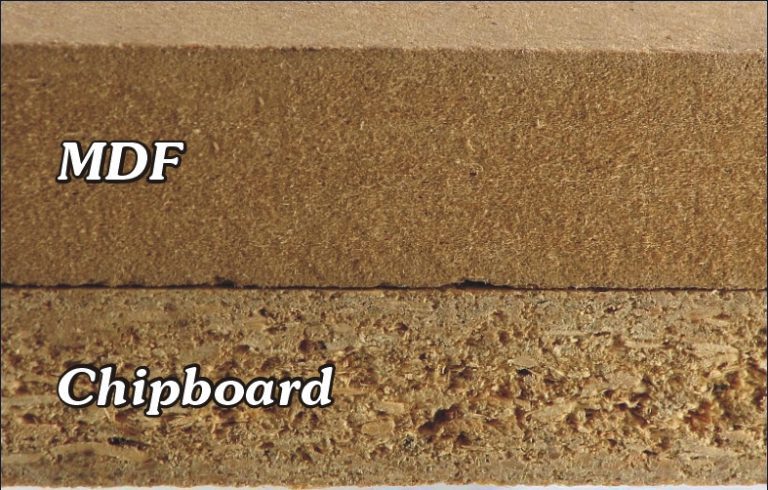
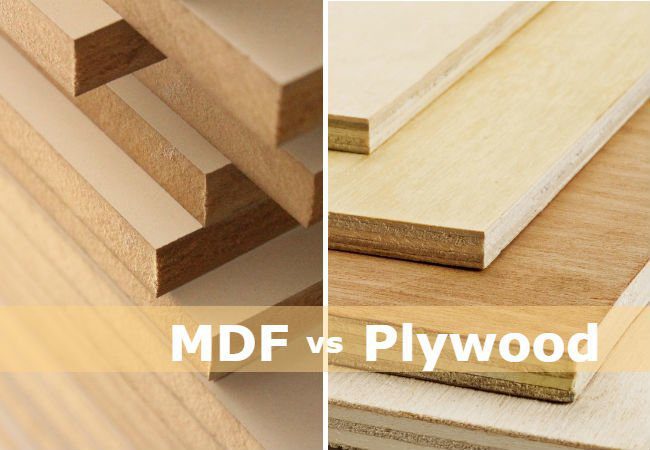
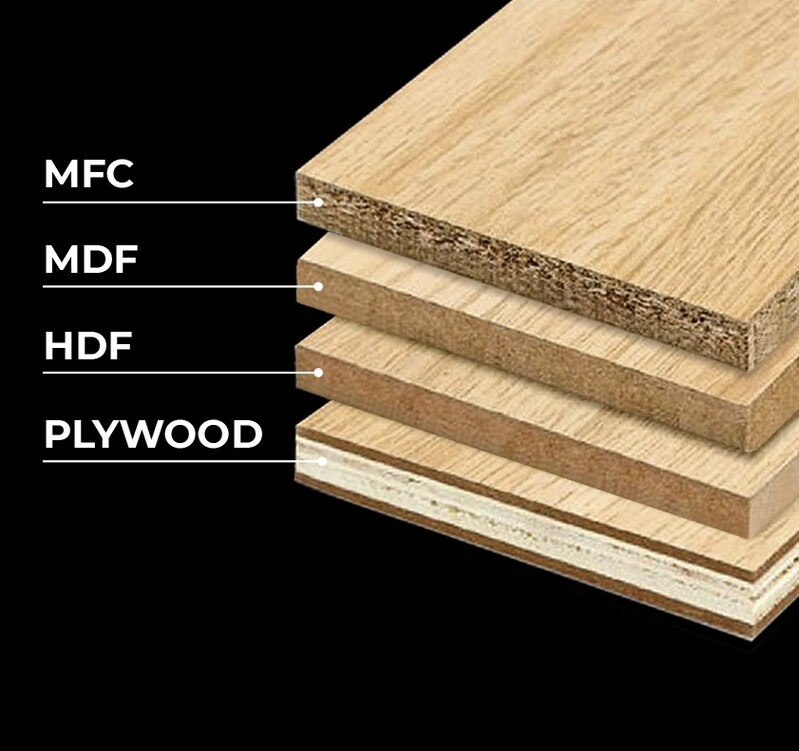
MDF stands for Medium Density Fiberboard. It is made from wood fibers. These fibers are mixed with wax and resin. Then, they are pressed together. This makes MDF smooth and uniform. MDF does not have natural wood grains.
Plywood is made from thin sheets of wood. These sheets are called plies. Plies are glued together. They are placed in layers. Each layer is at a right angle. This gives plywood strength. Plywood has natural wood grains.
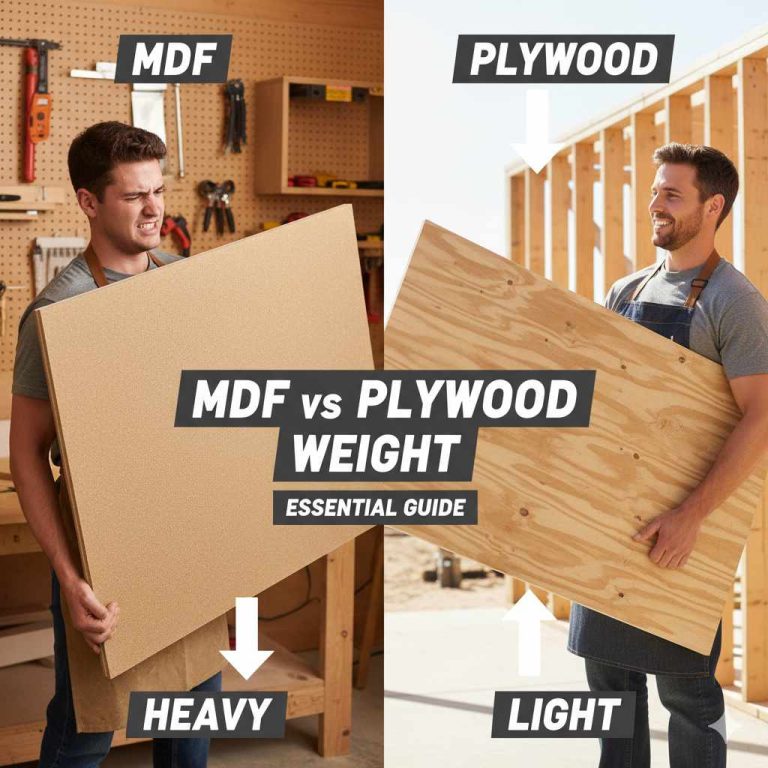
MDF is heavier than plywood. It can be easily shaped. Plywood is lighter. It is strong and durable. It is often used for building. MDF is used for furniture. It is best for painting. MDF and plywood have different uses.
Manufacturing Process
MDF, or Medium Density Fiberboard, is made from wood fibers. These fibers are combined with resin and then heated. The mixture is pressed into sheets. This process makes MDF very smooth and uniform.
Plywood is made from thin layers of wood. These layers are called veneers. Veneers are glued together with the grain in different directions. This makes plywood strong and durable. The process gives plywood a natural wood look.
Both materials have their unique benefits. MDF is perfect for painting. Plywood is great for strength. Choose wisely!
Physical Properties
MDF is denser than plywood. This makes it heavier. It is often used for smooth surfaces. Plywood is lighter. It has layers of wood glued together. This makes plywood strong yet easy to carry. Both materials are used in furniture making. Choose wisely based on the need.
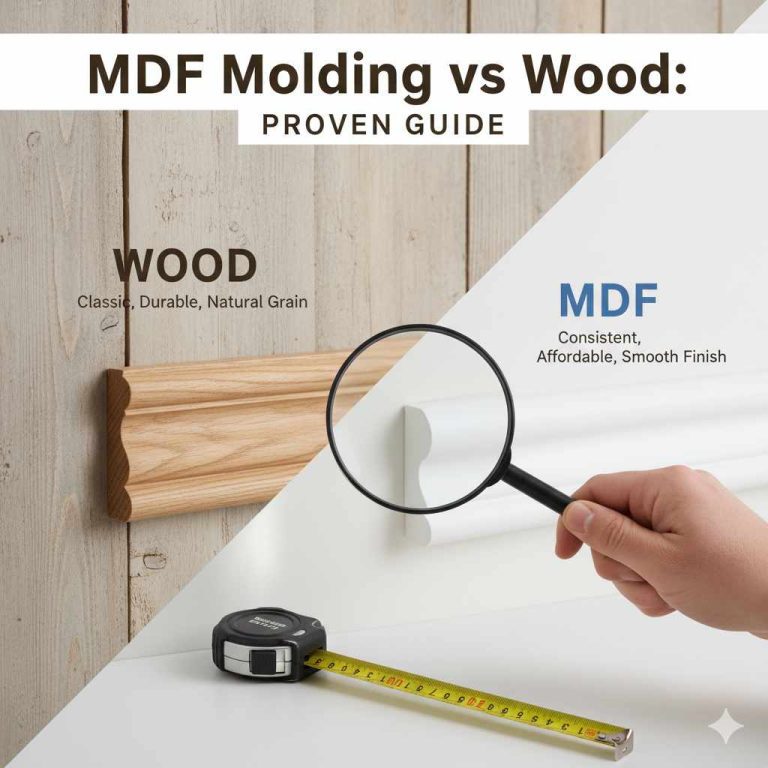
MDF has a smooth surface. Perfect for painting or laminating. There are no visible wood grains. Plywood has a more natural look. You can see the wood layers. Some people like this natural texture. Others prefer a smooth finish.
Plywood is often stronger than MDF. It can hold more weight. It is also better in wet places. MDF can swell if it gets wet. But MDF is less likely to crack. Each has its strengths. Think about where you will use them.
Credit: castacabinetry.com
Cost Considerations
Comparing cost is key when choosing between MDF and plywood. MDF is often cheaper. It is made from recycled wood fibers. This makes it a budget-friendly option for many. Plywood is usually more expensive. It is made from thin layers of wood. These layers are glued together. Plywood is stronger than MDF. This strength can justify the higher price.
MDF is ideal for budget projects. It is perfect for furniture that needs painting. Plywood is better for heavy-duty uses. It is great for cabinets and floors. Consider your project’s needs. Choose the material that fits your budget and purpose.
Environmental Impact
MDF and Plywood are popular materials. MDF uses recycled wood fibers. This helps to reduce waste. Plywood is made from thin wood layers. These layers are glued together. Both materials can impact forests. MDF production needs more chemicals. These chemicals can harm the environment. Plywood uses less glue. This means less chemical use. MDF is harder to recycle. Plywood is easier to recycle. Choosing between them affects nature. MDF is good for smooth surfaces. Plywood is strong and durable. Consider the impact on trees. Choose wisely for the planet.
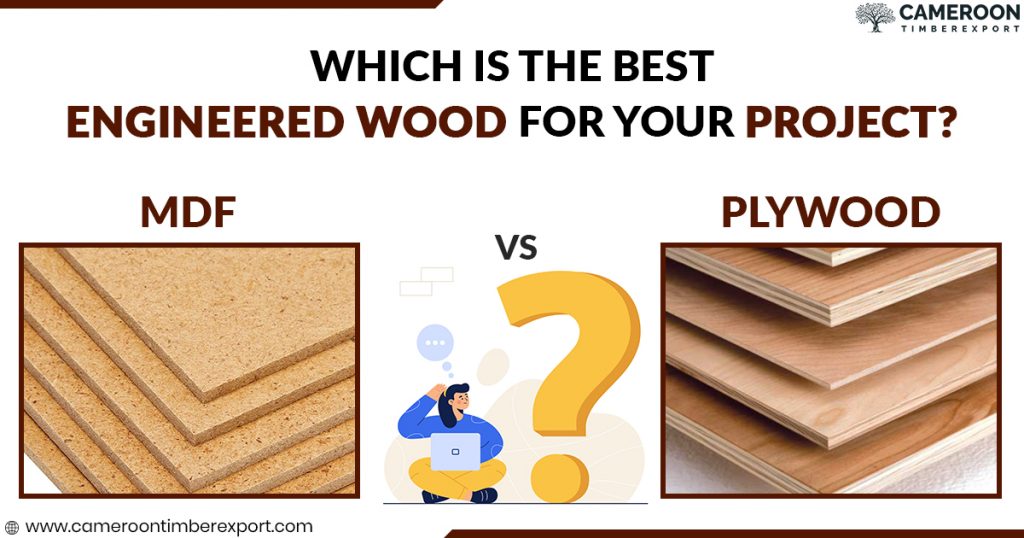
Credit: cameroontimberexport.com
Applications In Woodworking
MDF and Plywood are used for making furniture. MDF is smooth and easy to paint. It’s perfect for indoor furniture. Plywood is strong and durable. It is ideal for outdoor furniture. Both materials are affordable and easy to work with.
Cabinets are made using MDF and Plywood. MDF is great for cabinet doors. It gives a clean and smooth finish. Plywood is used for cabinet frames. It provides strength and stability. Both materials are popular in modern kitchens.
MDF is not used for floors. It is not water-resistant. Plywood is used for subfloors. It is strong and holds nails well. Plywood is perfect for strong floor bases. Choose plywood for lasting results.
Finishing Techniques
MDF has a smooth surface. It is great for painting. Colors look bright on it. Plywood has a natural wood look. It is good for staining. You can see wood patterns. MDF is easy to cut. Shapes come out clean. Plywood needs more care. Edges can chip.
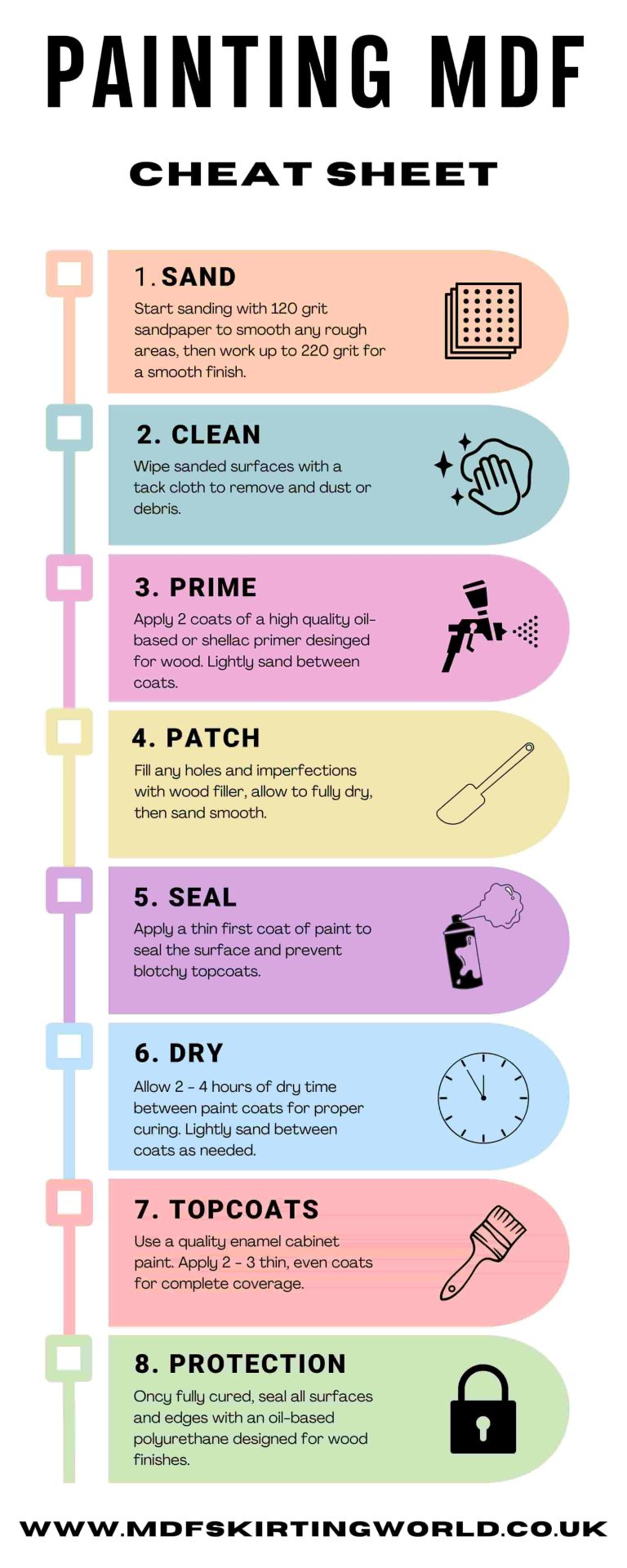
MDF absorbs paint well. It needs sealing before painting. Plywood may need more coats. This helps colors stay bright. MDF handles sanding better. It becomes very smooth. Plywood needs gentle sanding. It keeps the surface even.
Maintenance And Longevity
MDF needs more care than plywood. It can swell with water. Painting or sealing MDF helps. Regular check-ups are important. They prevent damage.
Plywood is strong and lasts long. It handles moisture better. Less maintenance is needed. Cleaning it is easy. Dust and wipe often.
Both materials need protection. Keep them dry. Avoid scratches. Use covers if needed. Check for signs of wear.
Pros And Cons
MDF is smooth and easy to paint. It has a uniform surface. No knots or grain patterns. It’s cheaper than plywood. It can be heavy. Not as strong as plywood. It may swell in wet places. Best for indoor use.
Plywood is strong and durable. It handles weight well. Great for outdoor use. It does not swell with water. More expensive than MDF. It shows wood grain. Plywood can have knots. Not as smooth as MDF. Easy to cut and shape.
| Feature | MDF | Plywood |
|---|---|---|
| Cost | Less expensive | More expensive |
| Strength | Less strong | Very strong |
| Water Resistance | Poor | Good |
| Surface | Smooth | Shows grain |
Choosing The Right Material
MDF is great for indoor projects. It is smooth and easy to paint. Plywood is strong and good for outdoor use. It handles moisture better. Think about what your project needs. Is it for inside or outside? Is it for a shelf or a cabinet? Make sure to pick the right one.
MDF is usually cheaper than plywood. Plywood can be costly but lasts longer. Consider how much you want to spend. If the budget is tight, MDF might be a better choice. If you need durability, consider spending more on plywood.
Some people like the look of plywood. It has a natural wood grain. MDF is smooth and looks modern when painted. Decide what looks best for your project. If you want a wood look, choose plywood. For a clean, painted look, choose MDF.

Credit: pakitchencabinets.com
Frequently Asked Questions
Which Is Better, Mdf Or Plywood?
MDF offers a smooth surface, ideal for painting and indoor use. Plywood is stronger, suitable for outdoor and structural projects. Choose MDF for furniture and plywood for durability in construction. Consider project needs and budget to decide.
What Are The Disadvantages Of Mdf?
MDF easily absorbs water, causing damage and swelling. It lacks the strength of solid wood, leading to breakage. MDF contains formaldehyde, which can release harmful fumes. It is difficult to repair once damaged. MDF’s dense composition makes it heavier and harder to handle.
When Should You Not Use Mdf?
Avoid MDF in high moisture areas like bathrooms or kitchens. It swells and deteriorates when exposed to water. It’s unsuitable for outdoor use due to weather damage. MDF isn’t ideal for heavy loads, as it lacks strength compared to solid wood.
Use caution with MDF around strong chemicals or heat.
Does Mdf Sag More Than Plywood?
Yes, MDF tends to sag more than plywood. MDF lacks the structural strength of plywood. Plywood’s layered construction offers greater durability and resistance to bending. For projects needing load-bearing capacity, plywood is often the better choice. MDF is best for decorative applications where strength isn’t a priority.
Conclusion
Choosing between MDF and plywood depends on your project needs. MDF suits indoor furniture. It’s smooth and easy to paint. Plywood is stronger. It’s ideal for outdoor use and heavy-duty tasks. Consider moisture exposure. Plywood handles it better. Think about budget.
MDF usually costs less. Consider durability. Plywood lasts longer in tough conditions. Each material has unique benefits. Decide based on your specific requirements. Evaluate factors like strength, cost, and usage. Both materials offer versatility. Make informed choices for successful projects.