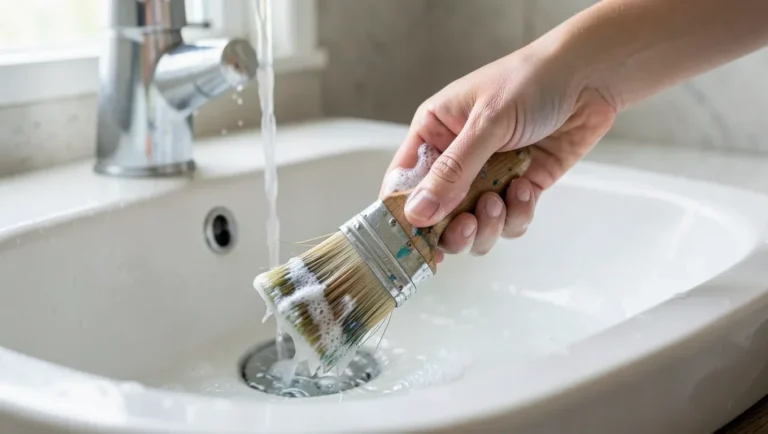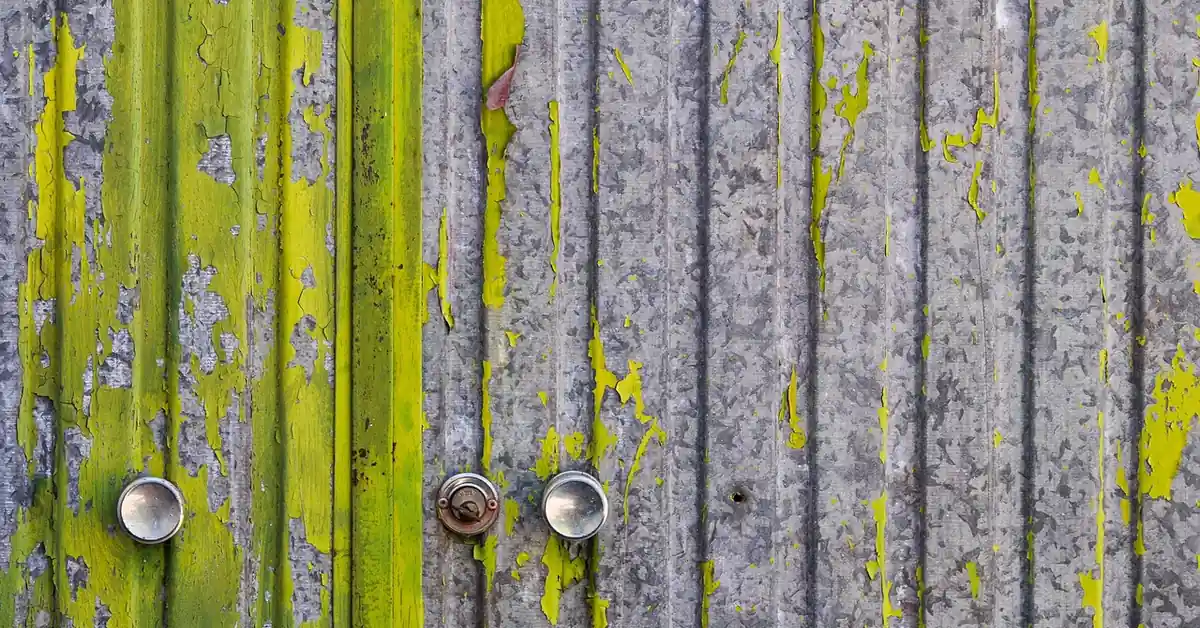
Can You Use Latex Paint on Metal? (Yes, With the Right Primer)
Latex paint works on metal, but only if the primer matches the metal type: bare steel and iron need an oil-based, rust-inhibiting primer first, or the water in the paint speeds up rust underneath it. Skip that step and the finish bubbles, peels, or rusts through within a season outdoors. This guide covers which metals take latex paint directly, how to prime the rest, and how long it takes to dry and cure.
Quick Answer
Yes, latex paint can go on metal. Aluminum and galvanized metal take latex paint directly with light sanding and cleaning. Bare steel, iron, and anything showing rust need an oil-based rust-inhibiting primer first — applying latex straight to bare steel traps moisture against the metal and accelerates rust under the topcoat.
Which Metals Take Latex Paint Without a Primer?
Best Metal Primer Pick
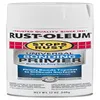
Rust-Oleum Stops Rust Clean Metal Primer Spray – $7.48
An oil-based primer built for exactly the bare-steel case this guide flags — it dries to the touch in 15 minutes so you can still get a latex topcoat on the same day.
- Best for: clean, bare steel or iron before a latex topcoat
- Why we picked it: oil-based formula seals out moisture, matching the primer type this guide recommends for bare metal
- Main drawback: oil-based means mineral spirits for tool cleanup, not soap and water
Compare more metal primer options
 Option 1 Rust-Oleum Rusty Metal Primer – $6.47
|
 Option 2 Rust-Oleum Universal Bonding Primer – $9.88
|
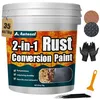 Option 3 2-in-1 Rust Converter & Primer – $21.57
|
As an Amazon Associate we earn from qualifying purchases.
Not every metal needs the same prep. Aluminum and galvanized metal are naturally corrosion-resistant, so a high-quality acrylic latex paint bonds to them after cleaning and light scuff-sanding — no primer required, though one improves adhesion on chalky or weathered galvanized surfaces. Bare steel and iron are a different story: they have no protective coating, so any moisture trapped between the metal and a water-based topcoat encourages rust from underneath, even if the surface looked dry when you painted it.
| Metal Type | Primer Needed? | Best For |
|---|---|---|
| Aluminum | Optional | Screen doors, gutters, trim |
| Galvanized steel | Recommended | Railings, fencing, HVAC ducts |
| Bare or rusted steel/iron | Required (oil-based) | Doors, filing cabinets, tools |
| Stainless steel | Required (bonding) | Appliances, fixtures |
This is also why the advice you find online can sound contradictory: someone painting an aluminum gutter with no primer and someone painting a bare steel door with no primer will get very different results, even though both used “latex paint on metal.”
The Versatility Of Latex Paint
Latex paint is a popular choice for wood, drywall, and masonry, and it can extend to metal when the surface is prepped correctly. Here’s what it’s made of and where it typically gets used.
Latex Paint Composition
Latex paint is water, synthetic polymers, and pigment. The polymers are usually acrylic, vinyl, or a blend of both, which is what gives dried latex paint its flexibility. That flexibility matters on metal specifically: metal expands and contracts more than wood as temperatures swing, and a flexible acrylic latex is less likely to crack than a brittle finish.
Common Uses For Latex Paint
Interior walls, trim, and furniture are the usual jobs, but latex also shows up on mailboxes, fences, metal filing cabinets, and porch railings once they’re primed. Metal filing cabinets are one of the most common “does this actually work” questions, and the short answer is yes, as long as you clean off any wax or oil residue first.
Latex Paint On Metal: Pros And Cons
Weigh these before you commit a whole afternoon to a metal painting project.
Pros Of Using Latex Paint On Metal
- Easy application: brush, roller, or spray gun all work, and cleanup is soap and water instead of solvent.
- Fast turnaround: dries to the touch in 15–30 minutes, so a multi-coat job can finish in one day.
- Wide color range: tintable at any paint counter, unlike most specialty metal enamels.
- Low odor: practical for indoor pieces like a filing cabinet or radiator cover.
Cons To Consider
- Less durable than oil-based enamel on high-contact surfaces — expect earlier chipping on door handles or tool edges.
- Not heat-resistant: standard latex isn’t rated for grills, engine parts, or exhaust components.
- Limited rust protection on its own: the paint film alone doesn’t stop rust; that’s the primer’s job.
- Surface prep is non-negotiable: skipping cleaning, sanding, or priming is the single biggest cause of early peeling.
When Not To Use Latex Paint On Metal
Latex is versatile, but three situations call for a different product entirely.
High-Heat Surfaces
Engine parts, grills, and exhaust pipes get hot enough to blister and discolor standard latex paint. Use a high-temperature engine or grill enamel rated for the surface instead.
Constant Water Immersion
Boat hulls, pond fixtures, and pipes that stay wet need a marine-grade or epoxy coating. Latex isn’t formulated to resist constant submersion and will blister or delaminate.
Heavy Abrasion Or Impact
Workshop tools, industrial equipment, and high-traffic metal flooring take constant scraping and impact. An epoxy or industrial enamel holds up longer than latex in these spots.
Outside those three cases, a properly primed latex system on metal holds up fine for the fences, furniture, and fixtures most homeowners are actually painting. See our full paints category for primer and topcoat comparisons by project type.
Preparation Steps For Metal Painting
Proper prep is what separates a finish that lasts years from one that peels in months.
Surface Cleaning
Scrub the metal with a mild detergent or degreaser and a stiff brush to remove dirt, dust, and grease. Rinse with clean water and let it dry completely — painting over even slightly damp metal is a common cause of adhesion failure.
Rust Removal And Treatment
If there’s any rust on the metal, remove it with a wire brush, sandpaper, or a chemical rust remover before you do anything else. Once the rust is gone, apply a rust-inhibiting primer the same day — bare steel starts oxidizing again within hours of exposure to air.
Priming: The Step That Determines Whether It Lasts
Choosing The Right Primer
For bare or rusted steel and iron, use an oil-based, rust-inhibiting metal primer — it seals out moisture in a way water-based primers can’t match. For aluminum, galvanized steel, or other slick surfaces, a bonding primer formulated for those metals improves adhesion even though it isn’t always strictly required. Let the primer cure fully per the label before topcoating; painting over a primer that hasn’t cured is one of the most common reasons a “properly primed” job still peels.
Applying Latex Paint On Metal
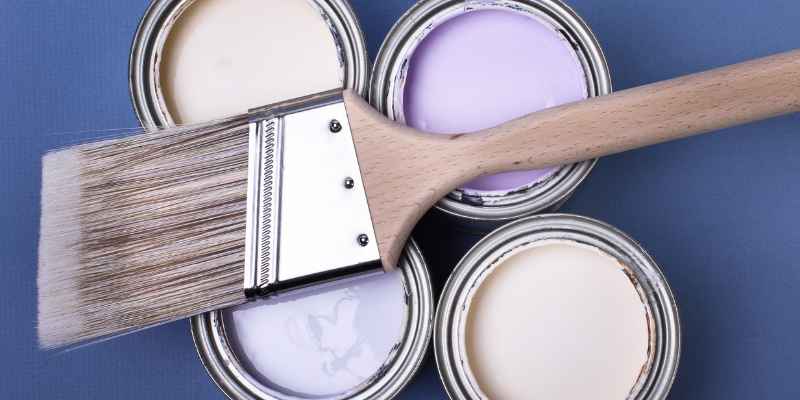
Once the metal is clean, dry, and primed, applying the latex topcoat is the easy part. The main decision is brush-and-roller versus spray, and that depends more on the shape of what you’re painting than personal preference.
Brush Vs. Spray Application
Brush application gives more control on flat panels, filing cabinets, and anything with tight corners. Spray application covers railings, fencing, and other open, irregular shapes faster and more evenly, but it requires a sprayer rated for latex paint’s thicker viscosity, not a fine-finish sprayer built for stains.
Drying Times And Conditions
Let each coat dry fully before adding the next — recoating too soon is a common cause of a soft, easily-marred finish. Aim for 50–85°F (10–29°C) with low humidity and decent airflow; cold, damp, or still air all slow drying and can leave the finish tacky longer than expected.
📊 Latex paint dries to the touch in 15–30 minutes and fully cures in about 4 hours, versus 4–6 hours to the touch and roughly 24 hours to cure for oil-based paint. — Source: Sherwin-Williams, paint-to-surface matching guide
Quick Steps: Priming And Painting Metal With Latex
- Clean the metal: scrub with a degreaser and stiff brush, then rinse and let it dry fully.
- Remove rust: wire-brush, sand, or use a chemical rust remover on any rusted spots.
- Sand slick surfaces: scuff-sand aluminum, galvanized, or glossy metal so the primer has something to grip.
- Prime bare or rusted steel: apply an oil-based, rust-inhibiting primer and let it cure fully per the label.
- Apply the latex topcoat: brush or spray two thin coats, letting each dry fully before the next.
- Add a clear topcoat outdoors: a clear acrylic sealer adds UV and moisture protection for exterior pieces.
Durability And Maintenance
Once cured, a properly primed latex finish on metal holds up well to normal handling and weather. A clear acrylic topcoat adds extra protection outdoors, and cleaning painted metal with mild soap and water — instead of harsh solvents or abrasive pads — keeps the finish from dulling or scratching early. Touch up chips as soon as you notice them; a small bare spot on steel can start rusting under the paint film before it’s visible on the surface.
Innovative Projects With Latex Paint On Metal
Once you’ve got the prep and priming down, latex opens up a lot of small projects that don’t justify buying specialty metal enamel.
Creative DIY Ideas
- Upcycling old metal furniture instead of replacing it
- Custom metal planters for a garden display
- Personalized metal house-number or address signs
Professional Applications
- Industrial machinery coatings for durability and aesthetics
- Architectural metal finishes for a modern look
- Refinishing metal storage and workshop furniture
Troubleshooting Common Issues
Most latex-on-metal problems trace back to skipped prep, not the paint itself.
Peeling And Flaking
Peeling almost always means the metal wasn’t sanded or primed before painting. Strip the loose paint, sand the exposed metal, prime it properly, and repaint.
Staining And Discoloration
Rust bleeding through the topcoat is the usual cause. Sand back to the affected area, treat with a rust-inhibiting primer, and repaint that section.
Environmental Considerations
Latex is already one of the lower-VOC paint options, and choosing a low- or zero-VOC formula cuts fumes further — a real consideration on an indoor piece like a filing cabinet or radiator cover.
Disposal Of Latex Paint
Dry out leftover latex paint by mixing it with an absorbent material like clay-based cat litter or sawdust before putting it in household trash — most municipalities don’t allow liquid paint in curbside bins. Check for a local paint recycling or hazardous-waste program first; many will take small quantities of leftover latex for free.
Frequently Asked Questions
Can Latex Paint Be Used On Metal Surfaces?
Yes. Aluminum and galvanized metal take latex paint directly after cleaning and light sanding. Bare steel and iron need an oil-based, rust-inhibiting primer first, or trapped moisture will rust the metal under the paint.
Is Primer Necessary Before Applying Latex Paint On Metal?
It depends on the metal. Bare or rusted steel and iron need an oil-based rust-inhibiting primer. Aluminum and galvanized metal can often skip it, though a bonding primer still improves adhesion on chalky or weathered surfaces.
Does Latex Caulk Stick To Metal The Same Way Latex Paint Does?
No — they’re different products with different adhesion rules. Standard acrylic latex caulk has weak adhesion to metal, while some latex paints bond well once primed. If you need a sealant on metal, check the product label for metal adhesion specifically, or use a silicone caulk, which bonds to non-porous surfaces like metal more reliably than standard latex caulk.
Can You Use Latex Paint On An Aluminum Door?
Yes. Clean the door, scuff-sand any glossy factory finish, and apply an exterior acrylic latex paint. A bonding primer isn’t strictly required on aluminum, but it improves adhesion and evens out color changes if you’re going from a dark door to a light one.
Can Latex Paint Be Used On Steel?
Yes, but only after priming. Bare steel has no corrosion resistance of its own, so skipping the oil-based primer lets moisture from the water-based topcoat encourage rust underneath — the paint can look fine on the surface while the steel rusts beneath it.
How Long Does Latex Paint Take To Dry And Cure On Metal?
Latex paint is dry to the touch in 15–30 minutes and fully cured in about 4 hours under normal conditions (50–85°F, low humidity). Full cure is what matters for durability — avoid heavy handling or cleaning until the cure window has passed, even though the surface feels dry much sooner.
Conclusion
Latex paint works on metal when the primer matches the metal: skip it on aluminum and galvanized surfaces if you want, but never skip it on bare or rusted steel. Clean, treat any rust, prime accordingly, and let each coat cure fully, and a latex finish on metal will hold up as well as most homeowners need it to.
Sponsored / affiliate links. As an Amazon Associate I earn from qualifying purchases. I may earn additional commission from eligible campaigns.