Keep Your Hardwood Floors Safe with Cord Covers
Keep Your Hardwood Floors Safe with Cord CoversI tripped over a loose cable in my living room last week. It was annoying, and I worried about my shiny hardwood floors getting scratched. That’s when I discovered cord covers for hardwood floors. They hide messy wires and keep your floors safe. In this article, I’ll share easy tips, simple steps, and fun ideas to use cord covers. Whether you’re new to this or a home improvement pro, you’ll find clear advice to make your space tidy and safe.
What Are Cord Covers for Hardwood Floors?
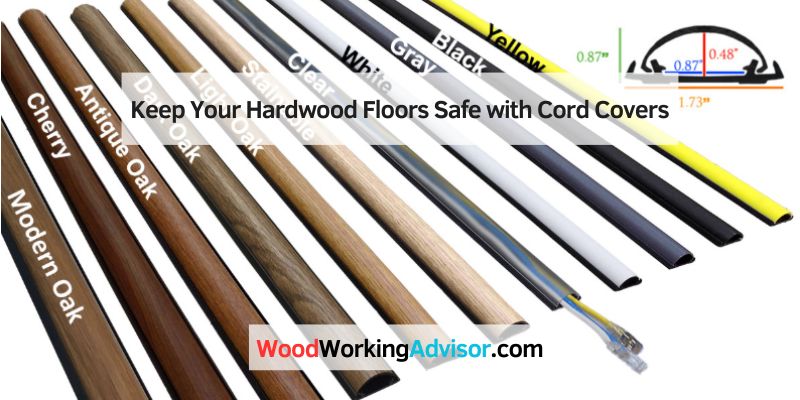
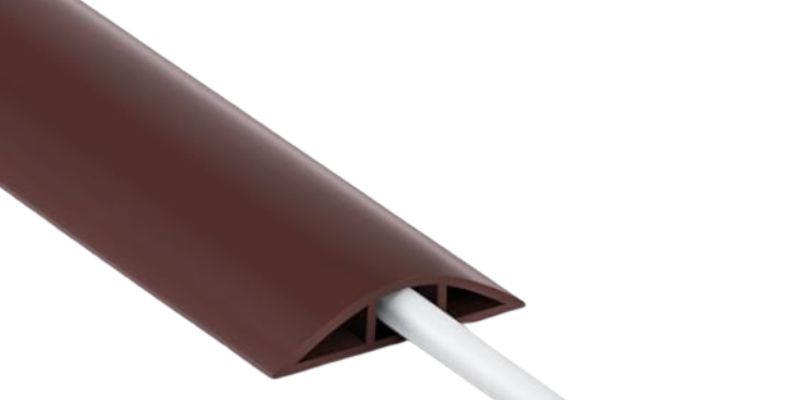
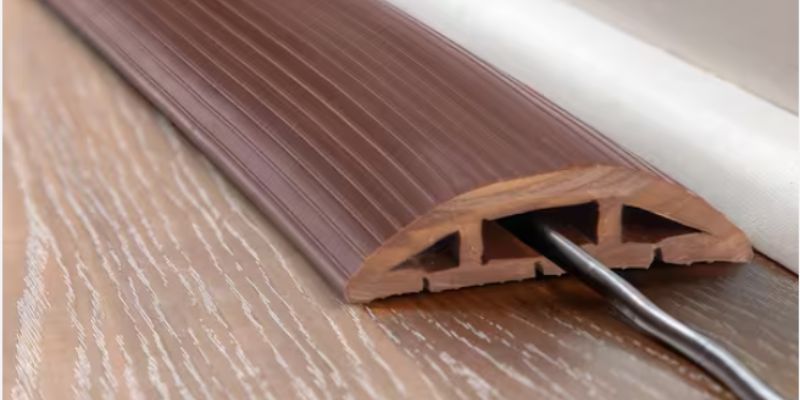
Cord covers are like little tunnels for your cables. They sit on the floor and hide wires so you don’t trip. They also protect your hardwood floors from scratches. I love how they make my home look neat. You can find them in colors like wood grain to match your floors. Some stick to the floor, while others just sit there. They’re perfect for homes, offices, or anywhere with cords.
Why Use Cord Covers?
Cords can be dangerous. They cause trips and can ruin your floors. Cord covers fix this. They keep cables in place and blend with your decor. I used one in my living room to hide TV cables. It made the space look clean and safe. Plus, they’re easy to install. You don’t need fancy tools. They’re also great for kids or pets who might play with loose wires.
Types of Cord Covers for Hardwood Floors
There are many cord covers to choose from. Here are the main types:
- Rubber Covers: Soft and flexible. They stick to floors with tape.
- PVC Covers: Hard and sturdy. They often look like wood.
- Silicone Covers: Bendy and safe. Great for kids’ rooms.
I tried a PVC cover that looked like my oak floor. It blended perfectly! Pick one that matches your style and needs.
Comparing Cord Cover Materials
Here’s a table to help you choose:
| Material | Pros | Cons | Best For |
|---|---|---|---|
| Rubber | Flexible, cheap | May not match floors | High-traffic areas |
| PVC | Looks like wood, durable | Can be pricey | Living rooms, offices |
| Silicone | Soft, non-toxic | Less sturdy | Kids’ rooms, pets |
Caption: This table compares cord cover materials to help you pick the best one.
How to Install Cord Covers: A Simple Guide
Installing cord covers is easy. I did it in my home in ten minutes. Follow these steps:
- Measure Your Space: Check how long your cable is.
- Choose a Cover: Pick one that fits your cable size.
- Clean the Floor: Wipe the area to remove dust.
- Place the Cables: Lay them in the cover’s channel.
- Secure the Cover: Stick it down or let it sit.
I used a sticky-backed silicone cover for my office. It stayed put!
Tools You’ll Need
You don’t need much to install cord covers:
- Scissors: To cut the cover to size.
- Tape Measure: To check cable length.
- Cleaning Cloth: To wipe the floor.
I already had these at home, so it was free!
Benefits of Cord Covers
Cord covers make life better. They stop trips and keep floors pretty. They also organize cables, so your home looks tidy. I love how my living room feels open now. They’re cheap too—some cost as little as $10. Plus, they work on all floors, not just hardwood. You can use them in kitchens or offices.
Drawbacks to Watch For
Cord covers aren’t perfect. Some are too tall, so vacuums can’t go over them. Others don’t stick well. I had one that peeled up after a week. Check reviews before buying. Also, pick a color that matches your floor. A bright cover on dark wood looks odd.
Alternatives to Cord Covers
Not sure about cord covers? Try these:
- Cable Clips: Stick cables to walls or furniture.
- Rugs: Hide cords under a rug.
- Baseboard Channels: Run wires along walls.
I used clips in my bedroom, but they didn’t work for open floors. Cord covers were better for my living room.
Cost Comparison of Cable Management Options
Here’s a table to compare costs:
| Option | Cost | Ease of Use | Looks |
|---|---|---|---|
| Cord Covers | $10-$30 | Easy | Matches floors |
| Cable Clips | $5-$15 | Medium | Less visible |
| Rugs | $20-$100 | Easy | Hides cords |
Caption: This table shows how cord covers compare to other options.
My Top Tips for Using Cord Covers
I’ve learned a lot from using cord covers. Here are my best tips:
- Match the Color: Pick a cover that blends with your floor.
- Check the Fit: Make sure it holds all your cables.
- Test the Adhesive: Try a small piece first to avoid floor damage.
These tips saved me time and money. I wish I’d known them sooner!
Common Mistakes to Avoid
Don’t make these mistakes:
- Wrong Size: A small cover won’t hold big cables.
- Bad Adhesive: Some tapes can hurt hardwood floors.
- Ignoring Traffic: High-traffic areas need sturdy covers.
I once bought a cheap cover that broke fast. Measure twice, buy once!
Visual Ideas for Cord Covers
Pictures help a lot. Here are ideas for visuals (not included):
- Diagram: Show a cord cover hiding TV cables.
- Setup Photo: Display a living room with a wood-grain cover.
- Comparison Chart: Show rubber vs. PVC covers on floors.
These would make it easier to understand cord covers.
Where to Buy Cord Covers
You can find cord covers at many stores. I like these:
- Home Depot for sturdy PVC covers.
- Amazon for cheap silicone options.
- Wiremold for pro-grade covers.
Check local stores too. They often have good deals.
Frequently Asked Questions
What Are Cord Covers for Hardwood Floors?
Cord covers are tools that hide cables on your floor. They keep you from tripping and protect your hardwood from scratches. They come in materials like rubber or PVC. I use them to keep my home safe and tidy. They’re easy to install and look nice.
How Do I Choose the Right Cord Cover?
Pick a cover that matches your floor’s color and holds your cables. Measure your cables first. Check if it sticks well but won’t hurt your floor. I chose a wood-grain PVC cover for my oak floors. It blends perfectly!
Can Cord Covers Damage Hardwood Floors?
Some adhesives can harm floors. Use covers with gentle tape or no tape at all. I tested a small piece first to be safe. Clean the floor before sticking anything down. This keeps your hardwood shiny.
Are Cord Covers Safe for Kids and Pets?
Yes, silicone covers are soft and non-toxic. They’re great for kids and pets. I use them in my son’s room to hide lamp cords. They stop him from pulling wires. Always check for sharp edges.
How Do I Clean Cord Covers?
Wipe them with a damp cloth. Don’t use harsh cleaners—they can ruin the finish. I clean mine weekly to keep them dust-free. If they’re sticky, mild soap works. Dry them well to avoid slips.
Can Vacuums Go Over Cord Covers?
Low-profile covers work best with vacuums. Some tall ones block robot vacuums. I picked a flat silicone cover for my Roomba. Check the height before buying. It saves hassle later.
Are There Cord Covers for Corners?
Yes, some covers bend for corners. Silicone ones are flexible. I used one in my hallway where cables turn. Look for “corner” or “flexible” in the product name. They keep things neat.
Conclusion
Cord covers for hardwood floors are a game-changer. They hide messy cables, protect your floors, and make your home safer. I love how they made my living room look clean. Try one in your home—it’s easy! Pick a cover, measure your cables, and install it in minutes. Share your setup in the comments or ask me for tips. Let’s make our homes tidy and safe together!