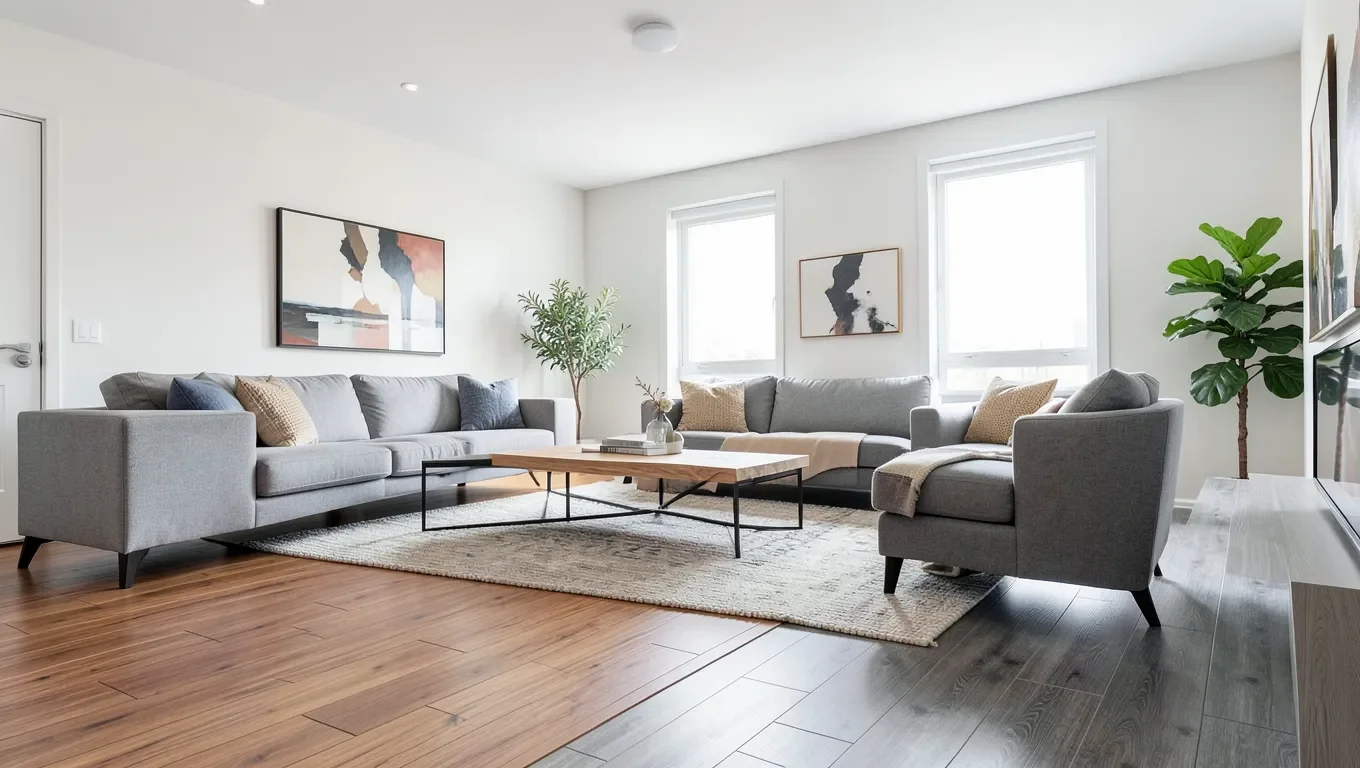
LVP vs. Engineered Hardwood: The Real Difference Explained
LVP and engineered hardwood can look nearly identical in a showroom, but they’re built from completely different materials and age in very different ways. LVP is a 100% synthetic plank with a printed wood-look photo layer over a waterproof core – no real wood anywhere in it. Engineered hardwood is genuine wood: a real hardwood veneer bonded to a plywood or HDF core. That single construction difference is what drives every practical tradeoff below, from how each one handles water to whether it can be refinished and how it’s perceived at resale.
Picking the right flooring can feel like a puzzle, especially when you’re aiming for that beautiful wood look. Two popular choices that often get compared are Luxury Vinyl Plank (LVP) and engineered hardwood. They look similar, but they’re quite different under the surface. This guide breaks down those differences so you can choose the right floor for your home, your budget, and your lifestyle.
What Exactly Are LVP and Engineered Hardwood?
Works Safely On Both LVP And Hardwood
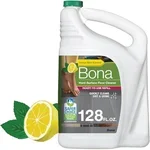 |
Bona Multi-Surface Floor Cleaner Refill, 128 fl oz – $19.97 A lot of homes mix LVP in wet areas with engineered hardwood elsewhere, so a cleaner labeled safe for both saves you from stocking two separate bottles.
|
Before we dive into the nitty-gritty, let’s get a clear picture of what each flooring type is made of. This will help us understand why they perform so differently.
Luxury Vinyl Plank (LVP) Explained
Think of LVP as a high-tech flooring material. It’s not like the old vinyl sheets your grandparents might have had – it’s constructed in layers, and its top layer is designed to mimic the look and feel of natural materials, most commonly wood. Here’s a quick breakdown of its construction:
- Wear Layer: This is the protective top coating that resists scratches, stains, and everyday wear and tear. A thicker wear layer (measured in mils) generally means better durability.
- Design Layer: This is the high-definition printed image that gives LVP its realistic wood (or stone) appearance.
- Core Layer: This is the heart of the plank. LVP typically has a solid polymer core (SPC) or a more flexible core (WPC – Wood Plastic Composite or PVC). SPC is known for its rigidity and dent resistance, while WPC offers a bit more cushion and warmth.
- Backing Layer: This provides stability and sometimes an attached underlayment for sound dampening and moisture resistance.
Because of its layered, synthetic construction, LVP is remarkably resilient and versatile – and 100% man-made from top to bottom, with no wood fiber anywhere in it.
Engineered Hardwood Explained
Engineered hardwood is a more natural product. It’s made by bonding together three or more layers of wood or wood composite materials, topped with a thin layer of real hardwood veneer. The layers are cross-grained, which makes the plank more stable than solid hardwood, especially when exposed to changes in humidity and temperature. Here’s how it’s typically built:
- Veneer Layer: This is the visible top layer, made from genuine hardwood species like oak, maple, or walnut. Its thickness can vary, affecting how many times it can be sanded and refinished.
- Stabilizing Layers: These are made from plywood, high-density fiberboard (HDF), or other composite materials. They are arranged in opposing directions (cross-grained) to resist expansion and contraction.
- Base Layer: This is usually a layer of wood or composite to complete the construction.
The key difference here is the actual wood veneer on top. This gives engineered hardwood the authentic look, feel, and even scent of real wood. For a deeper look at exactly what’s inside that veneer-and-core construction and how it compares to fully synthetic products like laminate, see our guide on whether engineered hardwood is actually real wood.
Key Differences: LVP vs. Engineered Hardwood
Now that we know what they are, let’s compare them side-by-side on the factors that matter most for your home.
1. Water and Moisture Resistance
This is often the biggest deciding factor for many homeowners. If you’re flooring a kitchen, a small bathroom, laundry room, or basement, moisture is a major concern.
- LVP: Is exceptionally water-resistant, with many LVP products being completely waterproof. The synthetic materials used in its construction don’t absorb moisture like wood does. This makes it an excellent choice for areas prone to spills, splashes, and high humidity. Even spills that sit for a while are usually no match for LVP, and cleaning is a breeze.
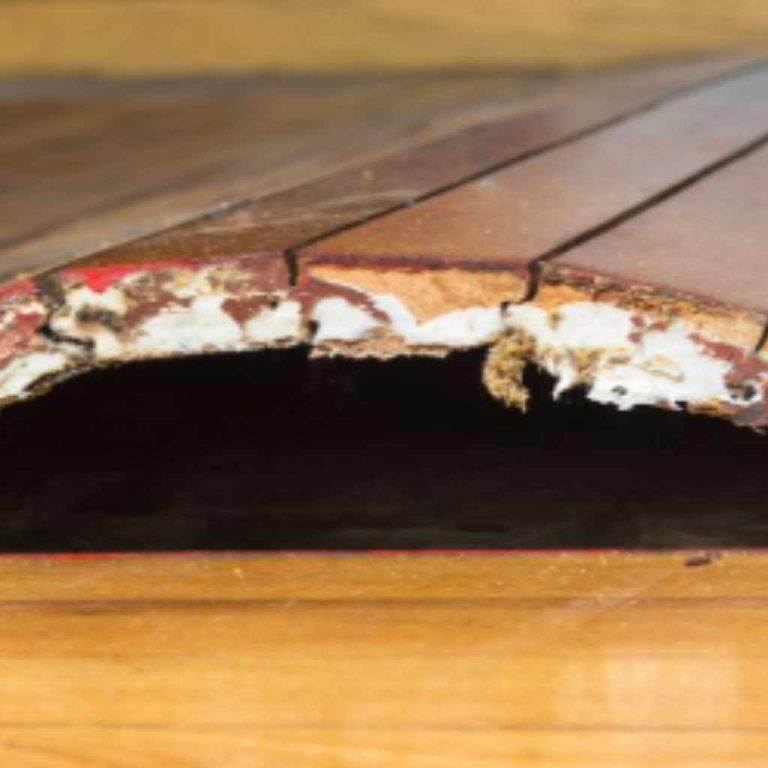
- Engineered Hardwood: While more stable than solid hardwood, engineered hardwood is still made with real wood components. The wood veneer can swell, warp, or get damaged if exposed to excessive moisture or standing water. It’s generally not recommended for full bathrooms or areas where water spills are very common. Minor spills should be wiped up immediately.
Wondering exactly why hardwood (solid or engineered) can never match that true waterproof rating? See our deep dive on whether hardwood flooring is really waterproof for the full explanation of water-resistant finishes vs. a truly waterproof material.
2. Durability and Wear
Both LVP and engineered hardwood are known for their durability, but they handle wear and tear in different ways.
- LVP: Is highly durable and resistant to scratches, dents, and fading. The thick wear layer on quality LVP can withstand heavy foot traffic, pets, and kids’ play. It’s a workhorse flooring that’s designed to hold up to daily life.
- Engineered Hardwood: The durability of engineered hardwood largely depends on the thickness of its real wood veneer and the quality of its construction. The veneer can be scratched or dented, especially by sharp objects or high heels. However, the underlying layers provide excellent stability, preventing warping that can plague solid wood.
3. Appearance and Feel
This is where personal preference really comes into play. Both can mimic wood beautifully, but the authenticity differs.
- LVP: Advances in printing technology mean LVP can look incredibly realistic. The planks can feature detailed wood grain patterns, knots, and textures. However, a keen eye might still detect that it’s not real wood, especially in its overall feel and subtle variations.
- Engineered Hardwood: Offers genuine wood. The top veneer is real hardwood, so it has the natural warmth, unique grain patterns, and subtle imperfections that only real wood can provide. It feels warmer underfoot and often has a more premium, natural aesthetic.
4. Maintenance and Cleaning
Keeping your floors looking great is important, and how easy that is can vary.
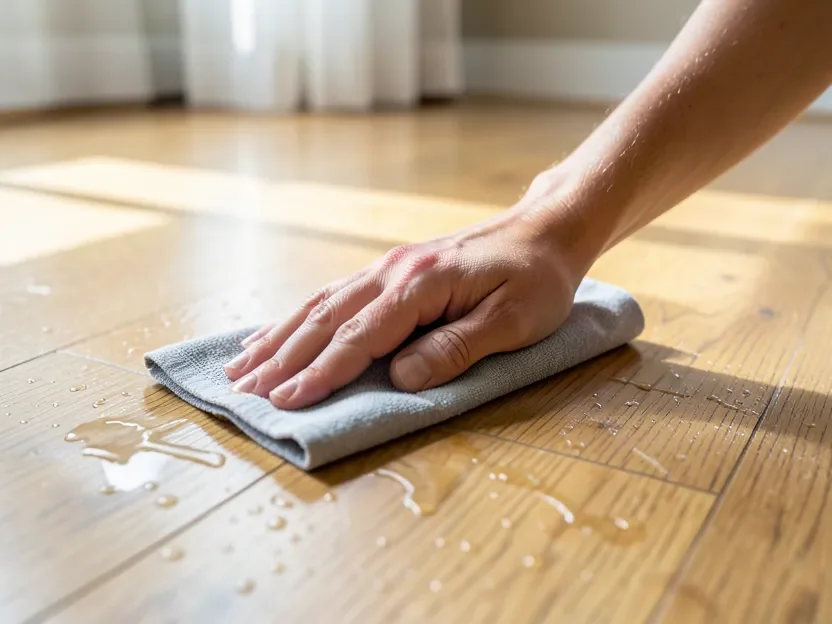
- LVP: Is incredibly low-maintenance. Regular sweeping or vacuuming and occasional damp mopping are usually all that’s needed. Its waterproof nature means you don’t have to worry about water seeping into seams and causing problems. Minor stains are typically easy to wipe away.
- Engineered Hardwood: Requires more careful maintenance. You’ll need to sweep or vacuum regularly and clean with a wood-floor-specific cleaner. Avoid excessive water or steam mops, as they can damage the wood veneer and the core layers underneath. Spills must be cleaned up promptly.
5. Cost Comparison
When planning a project, budget is always a key consideration.
- LVP: Generally more affordable than engineered hardwood. The price can range from budget-friendly options to higher-end luxury products, but it typically offers a lower cost per square foot. Installation can also be simpler and less expensive, especially for click-lock systems that homeowners can often install themselves.
- Engineered Hardwood: Tends to be more expensive, reflecting the cost of real wood veneer and its manufacturing process. Prices can vary widely depending on the wood species, veneer thickness, and brand. Professional installation is often recommended, adding to the overall cost.
6. Installation
How easy is it to get these floors installed?
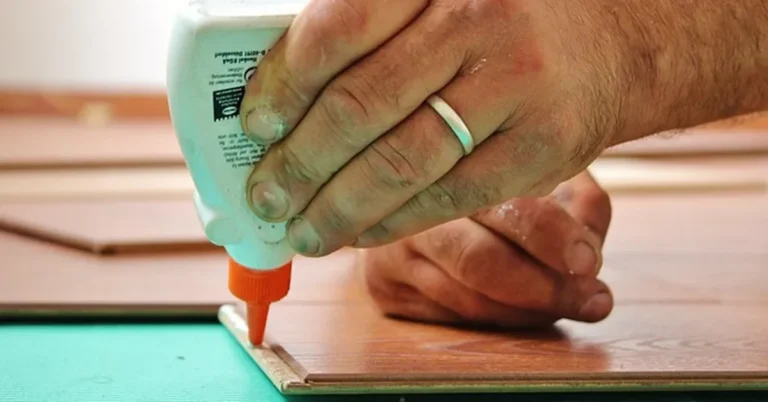
- LVP: Is often designed for DIY-friendly installation. Many LVP products feature a click-lock system where planks simply snap together. It can often be installed as a floating floor, meaning it doesn’t need to be glued or nailed down, making it ideal for renters or quick overhauls. Some types can also be glued down.
- Engineered Hardwood: Can be installed in several ways: glued down, nailed down, or as a floating floor. While some homeowners might tackle a floating installation, many prefer professional help, especially for glued or nailed installations, to ensure the best adhesion and finish.
7. Subfloor Requirements
The surface underneath your flooring matters.
- LVP: Is quite forgiving with subfloor imperfections. Many LVP products can be installed over existing smooth, clean, and dry flooring, or a slightly uneven subfloor, especially if using an attached underlayment or a separate underlayment pad.
- Engineered Hardwood: Requires a more level and smoother subfloor. Even minor imperfections can potentially show through or cause issues with the planks over time.
8. Refinishing Capabilities
Can you refresh the look down the line?
- LVP: Cannot be refinished at all. Once its printed design layer or wear layer is worn through or damaged, that plank has to be replaced – there’s no wood underneath to sand.
- Engineered Hardwood: Can sometimes be sanded and refinished, but this capability depends heavily on the thickness of the actual wood veneer. Thin veneers may not tolerate any sanding, while thicker veneers can typically be lightly sanded and refinished one or two times to refresh their look and repair minor damage – a real advantage LVP simply cannot offer, since LVP has no veneer to sand in the first place.
9. Resale Value and Buyer Perception
Real estate listings and buyers consistently treat “hardwood floors” as a premium selling point, and engineered hardwood qualifies because its surface is genuine wood veneer – agents typically group it with solid hardwood as a value-adding feature, especially in main living areas, dining rooms, and bedrooms. LVP, even a high-end waterproof version, usually gets described in listings as “durable” or “low-maintenance” rather than a luxury upgrade, since it’s a synthetic product and buyers researching the listing can tell. That perception gap matters most in the main-floor spaces buyers judge at a showing; it matters far less in a basement, mudroom, or laundry room, where practicality outweighs prestige and LVP’s water resistance is the bigger selling point anyway.
LVP vs. Engineered Hardwood: Which is Right for You?
Let’s put it all together to help you decide. Think about your lifestyle, the rooms you’re flooring, and what’s most important to you.
Choose LVP If:
- You need flooring for high-moisture areas like kitchens, bathrooms, laundry rooms, or basements.
- You have pets and young children and need a floor that can withstand scratches, spills, and heavy traffic.
- You’re on a tighter budget but want a durable and attractive wood-look floor.
- You’re looking for a DIY-friendly installation that can save on labor costs.
- Low maintenance and easy cleaning are top priorities.
- You appreciate modern technology that delivers realistic looks with high performance.
Choose Engineered Hardwood If:
- You desire the authentic look, feel, and warmth of real wood in living areas, dining rooms, or bedrooms.
- You want to add natural elegance and potentially strengthen resale perception with a genuine premium material.
- Moisture is not a significant concern in the areas you’re flooring.
- You’re prepared for a higher budget and more careful maintenance requirements.
- You like the idea of potentially being able to refinish the floor in the future (depending on veneer thickness).
- You prefer natural materials and a classic, timeless aesthetic.
Quick Comparison Table
Here’s a quick snapshot to help you see the main differences at a glance.
| Feature | Luxury Vinyl Plank (LVP) | Engineered Hardwood |
|---|---|---|
| Material | Synthetic (PVC, polymer core) with printed design | Real wood veneer over plywood/composite core |
| Water Resistance | Excellent to Waterproof | Limited; susceptible to damage from moisture |
| Durability | High; resistant to scratches, dents, fading | Good; depends on veneer thickness; can scratch/dent |
| Appearance | Realistic wood-look (printed) | Authentic real wood |
| Maintenance | Very Low; easy to clean | Moderate; requires specific wood floor cleaners, careful of water |
| Cost | Generally more affordable | Generally more expensive |
| Installation | Often DIY-friendly (click-lock) | Can be DIY (floating), but often professionally installed |
| Refinishing | Cannot be refinished | Possible, depending on veneer thickness (1-2 times) |
| Resale Perception | Seen as durable/practical, not a luxury feature | Grouped with hardwood as a value-adding feature |
| Best For | High-moisture areas, busy households, budget-conscious projects | Living areas, bedrooms, spaces where real wood is desired, higher-end finishes |
Installation Tips for Both Flooring Types
No matter which you choose, proper installation is crucial for longevity and appearance. Always make sure your subfloor is clean, dry, and level. For LVP, especially click-lock systems, following the manufacturer’s instructions for expansion gaps around the perimeter of the room is vital. This allows the flooring to expand and contract naturally without buckling.
For engineered hardwood, if you’re nailing or gluing it down, using the correct fasteners or adhesive is key. This ensures the planks are securely attached and won’t shift. If you’re unsure about any part of the installation process, it’s always a good idea to consult with a flooring professional or a trusted DIY resource.
For more detailed guidance on subfloor preparation, you can refer to resources like the National Association of Home Builders (NAHB) guidance on subfloor preparation, which emphasizes its importance for any flooring type.
Frequently Asked Questions
Here are some common questions beginners have about LVP and engineered hardwood.
Can LVP really look like real wood?
Yes. Modern LVP uses high-definition printing and embossing to create incredibly realistic wood grain patterns, textures, and even beveled edges. You might notice a difference up close or by touch if you’re comparing side-by-side, but LVP can offer a very convincing wood look from a normal viewing distance.
Is engineered hardwood a good choice for kitchens?
It can work, but it’s not the most ideal choice if your kitchen is prone to frequent spills or high humidity. If you love the look of real wood and want it in your kitchen, choose engineered hardwood with a thicker veneer and be diligent about wiping up any spills immediately. For ultimate peace of mind in a kitchen, waterproof LVP is often a safer bet.
What does “wear layer” on LVP mean?
The wear layer is LVP’s protective top coating. It’s measured in mils (a thousandth of an inch). A thicker wear layer – typically 20 mils or higher for residential use and 30 mils or more for commercial – means better resistance to scratches, scuffs, stains, and general wear and tear. It’s a great indicator of LVP’s durability.
Can you install engineered hardwood in a basement?
Engineered hardwood can be installed in a basement, especially if the basement is known to be dry and has good humidity control. Many modern engineered wood floors also have enhanced stability. However, because basements can be prone to moisture issues (even from plumbing leaks or condensation), LVP or other waterproof options are often considered a more foolproof choice for basements.
Which is better for pets: LVP or engineered hardwood?
LVP is generally better for pet owners. Its durable, waterproof surface is highly resistant to scratches and stains from pet accidents. Engineered hardwood can be scratched by pet claws, and accidents need immediate cleanup, so LVP can handle more abuse from furry friends.
Can I install LVP or engineered hardwood myself?
Many LVP products, especially click-lock types, are designed for DIY installation. Engineered hardwood can also be installed as a floating floor, which is more DIY-friendly. However, nailing or gluing down engineered hardwood often requires more skill and specialized tools, so many people opt for professional installation for these methods.
Conclusion
Choosing between LVP and engineered hardwood comes down to understanding their strengths and weaknesses relative to your needs. LVP shines in its unbeatable water resistance, extreme durability, low maintenance, and affordability, making it a practical choice for busy homes and moisture-prone areas. Engineered hardwood offers the genuine beauty of real wood, natural elegance, and a resale perception LVP can’t fully match – as long as you can manage its moisture sensitivities and higher budget.
By weighing these differences against the specific rooms you’re flooring, you can confidently pick the material that will hold up, look right, and serve your household for years to come.
Sponsored / affiliate links. As an Amazon Associate I earn from qualifying purchases. I may earn additional commission from eligible campaigns.