Corded Vs Cordless Miter Saw: Which Reigns Supreme?
Are you trying to decide between a corded and a cordless miter saw for your next woodworking project? You’re not alone.
Choosing the right tool can make or break the efficiency and quality of your work. Imagine having a saw that fits perfectly with your needs, making every cut precise and every project seamless. The question is: which one will give you that edge?
We will dive into the pros and cons of each type, ensuring you have all the information you need to make the best decision. Don’t let uncertainty hold you back from achieving perfect cuts and flawless finishes. Let’s explore what each option has to offer and find out which miter saw is the right fit for you!
Corded Miter Saws
Corded miter saws offer consistent powerthick materials easily. The motor runs strong and steady. This provides great precision with each cut. Many professionals prefer corded saws for tough tasks.
Corded saws are highly reliable. No worries about battery life. They perform consistently every time. Users know they won’t face sudden stops. This makes corded saws trustworthy for long projects.
Corded miter saws are best for workshops. Places with easy access to power outlets. They are not suited for remote locations. In a workshop, they can work for hours without interruption. This makes them ideal for professional settings.
Cordless Miter Saws
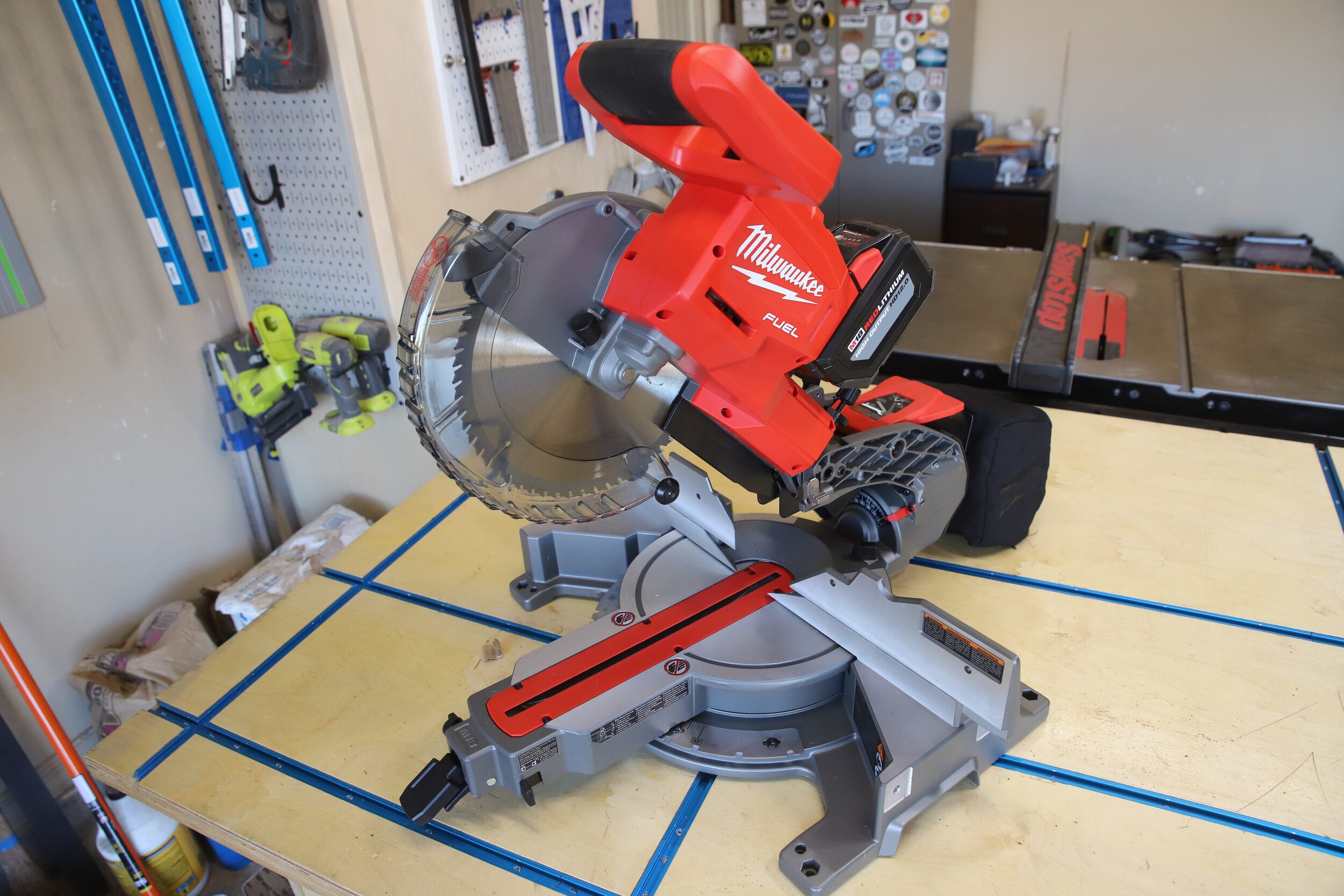
Cordless miter saws are easy to carry. You can use them anywhere. No need for power outlets. They are lightweight and compact. This makes them perfect for moving around. Ideal for small spaces or outdoor projects.
Battery life varies. Some batteries last longer. You may need extra batteries. Quick recharge is vital. Some chargers are fast. Choose wisely. Look for a saw with a strong battery.
Cordless miter saws cut wood. They are great for DIY projects. Perfect for small tasks. Suitable for trimming or cutting boards. Not for heavy-duty work. Use them for home repairs. Handy for small workshops.
Comparing Cutting Power
Corded miter saws have a stronger motor. They can handle heavy work. Cordless saws use a battery. Their power is limited. Corded saws are best for long jobs. Cordless saws are good for small tasks.
Corded saws have a fast blade speed. This helps in quick cuts. Cordless saws have a slower speed. They save battery life. Fast blades make clean cuts. Slow blades are good for precise work.
Corded saws cut thick wood easily. They can also cut metal. Cordless saws are better for soft wood. They struggle with metal. Choose corded for tough jobs. Cordless is best for light tasks.
Ease Of Use
Setting up a corded miter saw is simple. Plug it in and start. Cordless saws need charging before use. Maintenance for both types is easy. Check and clean them often. Cordless saws need battery checks too. Keep them dust-free for best performance. Regular checks can help them last longer.
Cordless miter saws are light. Easy to carry around. Corded ones need a power source. They can be a bit heavier. Cordless models offer more freedom. Move them anywhere you need. Corded ones limit your range. They need a plug nearby.
Users like cordless miter saws for their freedom. No cords in the way. Corded miter saws offer steady power. Good for long jobs. Both have their uses. Choose based on your need. Each has strengths in different tasks.
Cost Considerations
Initial Investment in a miter saw can vary. Corded miter saws usually cost less upfront. Cordless models might be more expensive due to their batteries. Batteries can add to the initial price. But they offer greater mobility.
Long-term Expenses for corded saws are less. They don’t need battery replacements. Cordless saws require new batteries over time. This adds to overall cost. Consider the expense of charging stations too.
Value for Money is crucial. Corded saws deliver consistent power. They are reliable for long tasks. Cordless saws are handy for moving around. They are better for short projects. Think about your work needs. Choose the saw that fits your budget and tasks.

Credit: www.protoolreviews.com
Safety Features
Protective mechanisms are vital in miter saws. A blade guard prevents contact with the blade. It covers the blade when not in use. Dust collection systems reduce airborne particles. This keeps the workspace clean and safe. Kickback brakes stop the blade if it gets stuck. They protect against sudden movements.
Design affects safety. Ergonomic design reduces user fatigue. Handles must be comfortable to grip. Easy-to-reach controls enhance safety. A balanced weight distribution helps control. It prevents tipping or wobbling.
User safety is important. Safety switches prevent accidental starts. Locking mechanisms secure the saw during use. Anti-slip bases keep the saw steady. Proper training and awareness are crucial. Always wear safety gear like goggles and gloves.
Environmental Impact
Corded miter saws often consume more electricity, impacting energy resources and carbon emissions. Cordless models reduce dependence on power sources, potentially lowering environmental footprints. Choosing between the two involves considering energy efficiency and sustainability.
Energy Consumption
Miter saws need power to work. Corded saws plug into walls. Cordless saws use batteries. Corded saws can use energy all the time. Cordless saws use energy when charging. Energy use depends on how long the saw runs. Corded saws might use less energy if used for short tasks. Cordless saws might save energy if charging is managed well.
Sustainability
Both saws have good and bad points for the planet. Cordless saws need batteries. Batteries can hurt the environment. Corded saws last longer. They don’t need batteries. Cordless saws can be more eco-friendly if batteries are recycled. Corded saws can be sustainable with good care.
Noise Levels
Miter saws can be loud. Corded saws often have steady noise levels. Cordless saws might be quieter. Noise can depend on battery power. Cordless saws can change noise with different settings. Corded saws have constant noise levels.
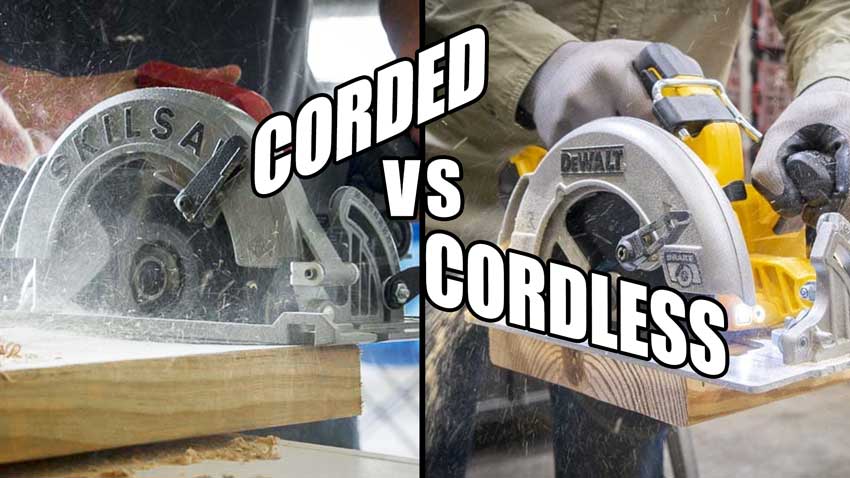
Credit: toolsliving.com
Choosing The Right Saw
Think about what you need. Do you have a power source nearby? Corded saws need a plug. Cordless saws use batteries. They are good for places with no electricity. Decide which one fits your work best.
Corded saws are great for big jobs. They have more power. Cordless saws are good for quick fixes. They are easy to carry. Choose based on the size of your projects.
Experts like corded saws for long tasks. They cut without stopping. Cordless saws are liked for their ease. They are light and portable. Listen to advice but pick what suits you.
Frequently Asked Questions
What Is The Best Mitre Saw For A DIY?
The DEWALT DWS779 is ideal for DIY enthusiasts. It offers precision cuts and easy adjustments. Its 12-inch blade ensures versatility for various projects. With a powerful motor and durable construction, it’s a top choice for home improvement tasks. User-friendly features make it suitable for beginners.
Why Is Dewalt Recalling Miter Saws?
DeWalt is recalling miter saws due to a safety hazard. The rear safety guard can detach, posing an injury risk. Users should stop using affected models and contact DeWalt for a free repair kit. This recall aims to ensure customer safety and prevent potential accidents.
Why Cordless Mitre Saw?
Cordless mitre saws offer enhanced portability and flexibility, ideal for job sites without power outlets. They provide convenience and ease of movement, reducing setup time. With advancements in battery technology, they deliver powerful performance similar to corded models. Perfect for quick jobs and remote locations.
Is It Better To Push Or Pull A Sliding Miter Saw?
Push a sliding miter saw for precision and control. Pushing ensures stability, preventing kickback and enhancing safety. Pulling risks uneven cuts and potential blade damage. Always maintain a firm grip and keep the workpiece secure. This method leads to cleaner, more accurate cuts every time.
Conclusion
Choosing between corded and cordless miter saws depends on your needs. Corded saws offer constant power. Ideal for heavy, continuous tasks. Cordless models provide flexibility. Perfect for mobility and quick jobs. Consider your workspace and project type. Think about budget and convenience.
Each type has its own benefits. Evaluate your requirements carefully. Make an informed decision. The right tool makes your work easier and efficient.