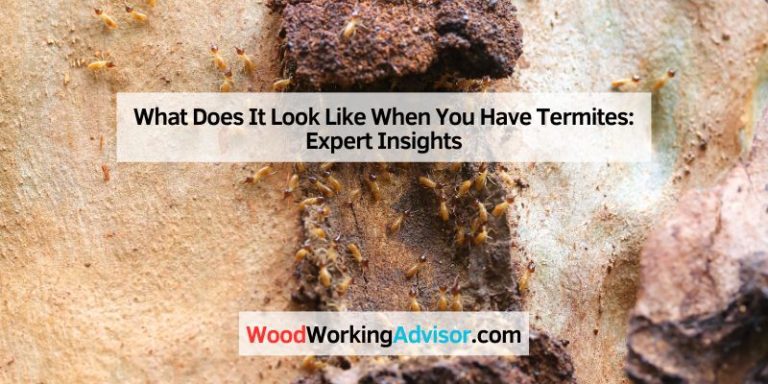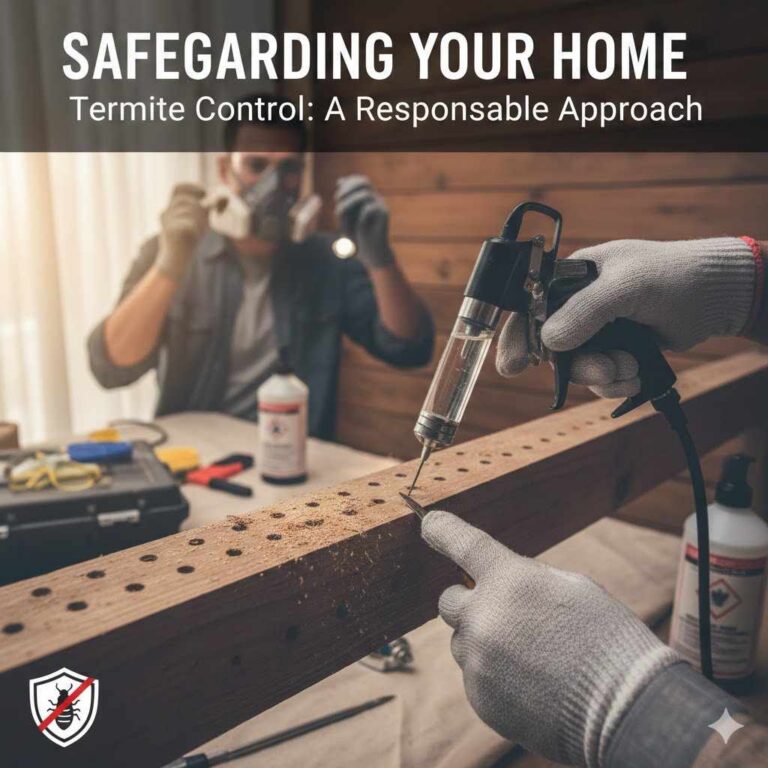
Dead Termites in House: Causes, Risks, and Solutions
Finding dead termites in your house can be alarming. You may wonder what it means and what you should do next.
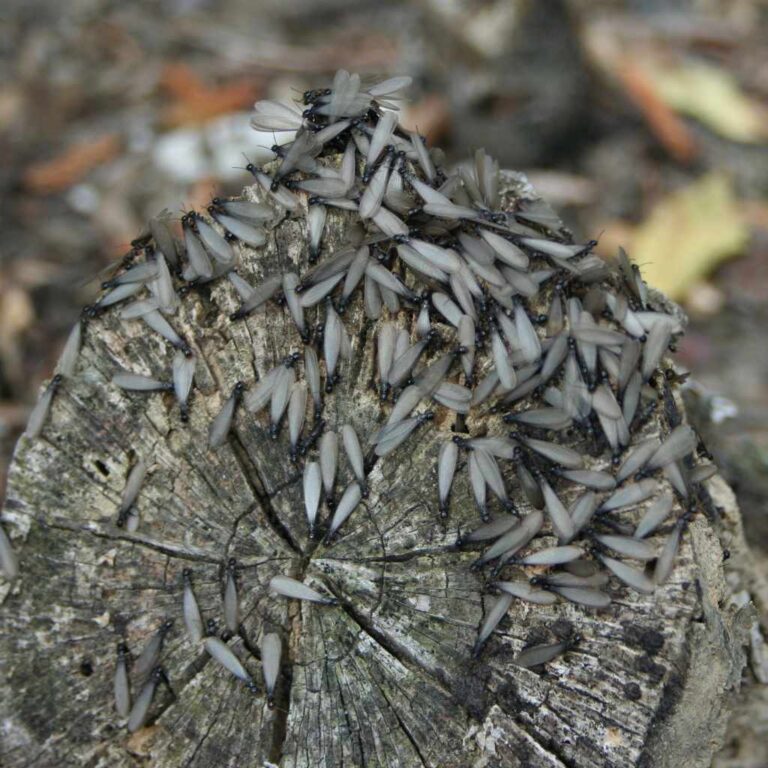
Termites are silent destroyers. They can cause significant damage to your home before you even realize they are there. Dead termites can indicate a larger problem. They may mean there is an active infestation. Or, it could be a sign of a previous issue.
Understanding the reasons behind their presence is crucial. This knowledge can help you take the right steps to protect your home. In this post, we will explore what dead termites in your house mean. We will also discuss how to handle the situation effectively.
Credit: www.abchomeandcommercial.com
Common Causes
Discovering dead termites in your house can be unsettling. Understanding the common causes can help manage and prevent future infestations. Here are some reasons why you might find dead termites in your home.
Natural Death
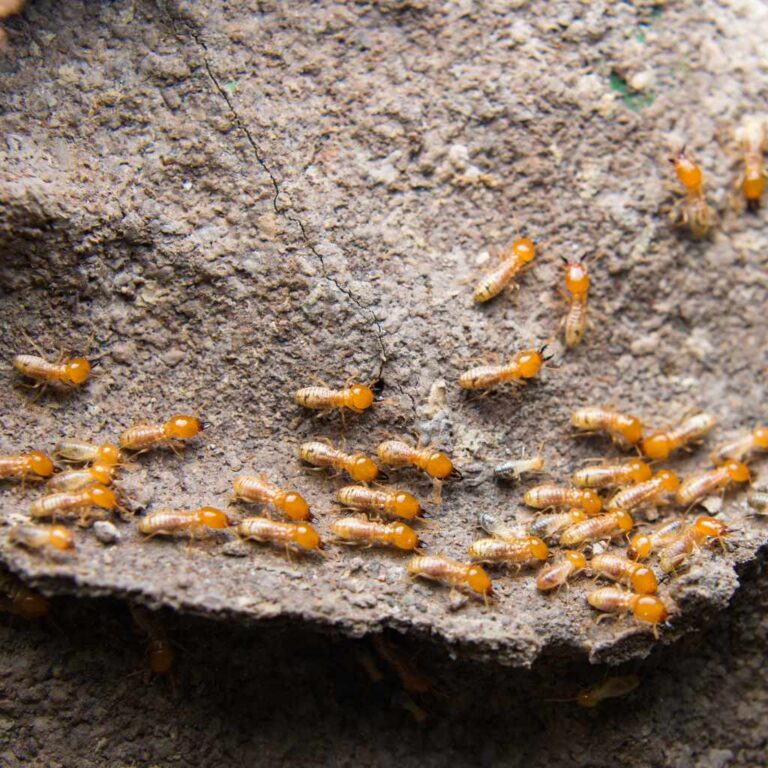
Termites, like any living creatures, have a natural lifespan. Worker termites usually live for about one to two years. When they die, their bodies often remain in or near their colonies. If you find dead termites, it could simply mean they have reached the end of their natural life cycle.
Pest Control Treatments
Another common cause of dead termites is pest control treatments. Professional exterminators use various methods to eradicate termites. These treatments are effective in killing termites and preventing future infestations. If you have recently had pest control services, you may notice dead termites around your home.
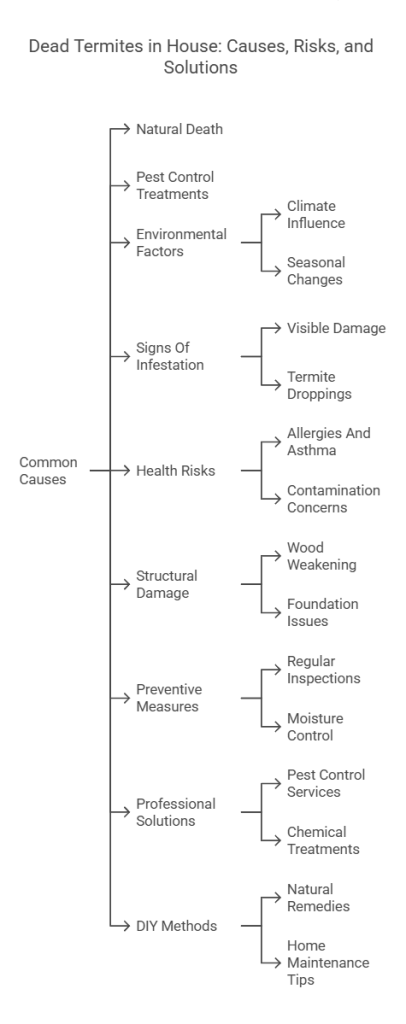
Environmental Factors
Environmental factors play a crucial role in the presence of dead termites in your house. Different weather conditions and seasonal changes can influence termite activities. Understanding these factors helps in managing termite infestations better.
Climate Influence
Climate can significantly affect termite colonies. Warm and humid weather creates ideal conditions for termites. These pests thrive in moisture-rich environments. Rainy seasons often lead to an increase in termite activity. Excessive moisture makes wood softer and easier for termites to consume. This can result in more termites entering your home.
In contrast, dry climates can limit termite activity. Lack of moisture makes it difficult for termites to survive. Termites need water to live and build their colonies. Dry conditions can cause termites to die or move away in search of better habitats. Therefore, understanding the climate in your area is essential for termite control.
Seasonal Changes
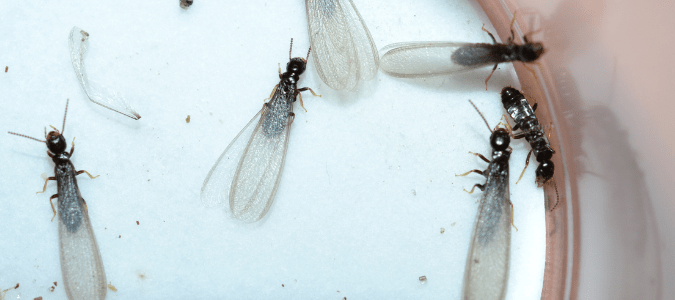
Seasonal changes also impact termite behavior. Termites are more active in certain seasons. Spring and summer are peak times for termite swarms. Warm temperatures and increased humidity encourage mating and colony expansion. During these seasons, you might find dead termites near windows and lights.
Fall and winter can see a decline in termite activity. Cold weather slows down their metabolism and movements. Termites often retreat to deeper parts of their nests to stay warm. This period might see fewer dead termites in your house. Monitoring seasonal patterns can help in planning effective termite prevention strategies.
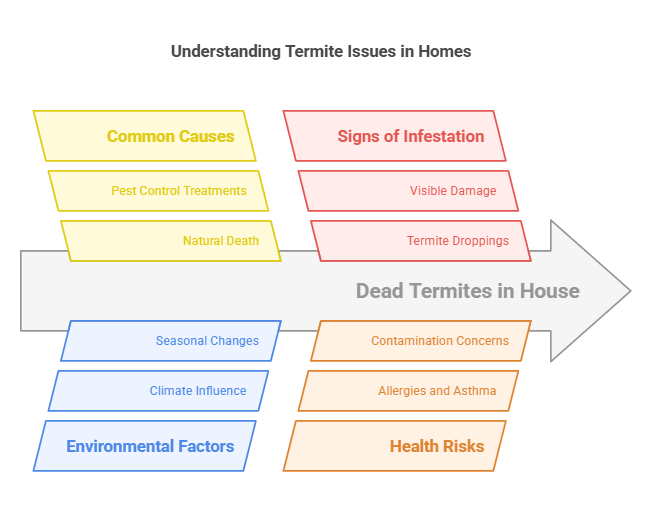
Signs Of Infestation
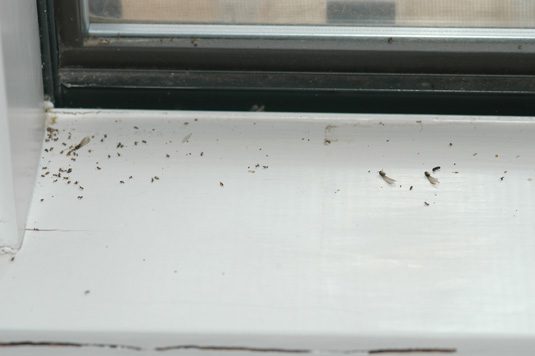
Dead termites in the house could indicate an infestation. Check for small piles of wings or droppings. Look for damaged wood and mud tubes.
Discovering dead termites in your house can be alarming. It’s often a sign of a larger problem. Knowing the signs of infestation can help you act quickly. Below are some key indicators to watch for.
Visible Damage
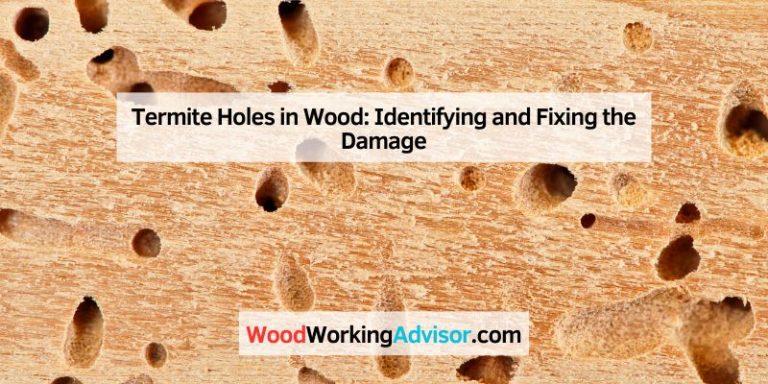
Termites eat wood from the inside out. This causes structural damage. Look for hollow-sounding wood. Tap on it. If it sounds empty, termites may be present. Also, check for buckling wood. This can signal an infestation. Paint that looks blistered or peeling is another sign. Termites often cause this by tunneling close to the surface.
Termite Droppings
Termite droppings are another clear sign. These look like small, wood-colored pellets. You may find them near entry points or in piles. The droppings often resemble sawdust. Seeing them means termites are active. Check around windowsills and baseboards. These areas are common drop zones.
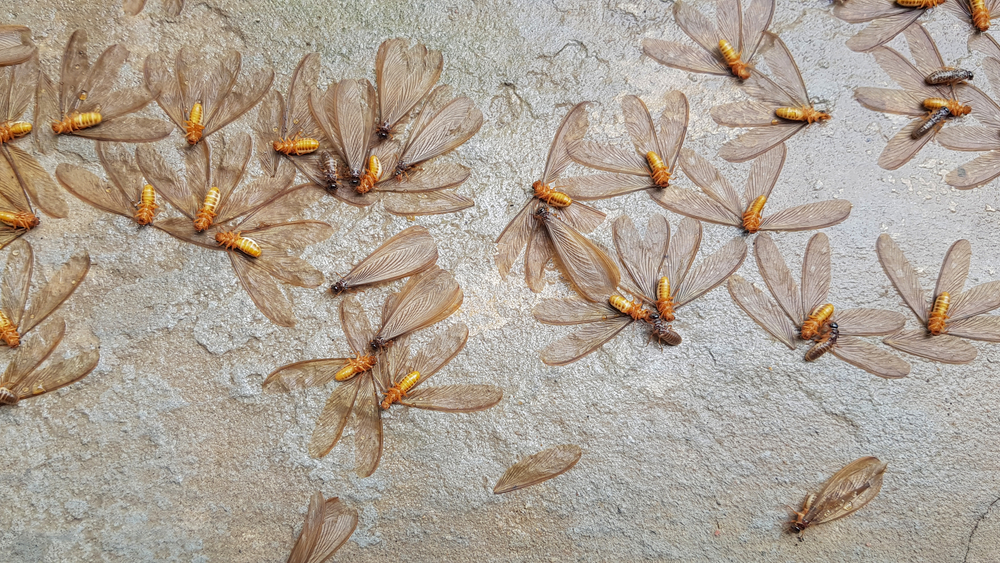
Credit: nozzlenolen.com
Health Risks
Dead termites in your house can pose several health risks. These risks can affect the quality of your indoor environment. Understanding these risks is important for your health and wellbeing.
Allergies And Asthma
Termite bodies can break down into small particles. These particles can mix with the air. People with allergies may react to these particles. Symptoms can include sneezing, itchy eyes, and runny nose. Individuals with asthma may experience more severe reactions. Breathing in these particles can trigger asthma attacks. Keeping your home clean can reduce these risks.
Contamination Concerns
Dead termites can also contaminate your home. They can carry bacteria and fungi. These can spread to other parts of your house. Contaminated surfaces can pose health risks to your family. It is important to clean areas where dead termites are found. Use disinfectants to kill any bacteria or fungi.
Structural Damage
Dead termites in your house can indicate a larger problem. Structural damage is a significant concern. Understanding the specific areas impacted can help. Let’s explore the effects on wood and foundations.
Wood Weakening
Termites feed on wood. They eat it from the inside out. This weakens the wood structure. You might notice sagging floors or hollow sounds when tapping wood. These are signs of weakened wood.
Common areas affected:
- Floorboards
- Beams
- Joists
- Walls
Regular inspections can help identify the damage early. Prompt repairs are crucial to prevent further deterioration.
Foundation Issues
Termites can also affect your foundation. They target wooden supports and other materials in contact with the ground. Damage to these areas compromises the home’s stability.
Signs of foundation issues:
- Cracks in walls or floors
- Doors and windows that stick
- Uneven floors
Fixing foundation issues can be costly. Early detection and treatment are key. Regular checks and preventative measures can save money and stress.
| Damage Type | Signs | Common Areas |
|---|---|---|
| Wood Weakening | Sagging floors, hollow wood | Floorboards, beams, joists, walls |
| Foundation Issues | Cracks, sticky doors/windows, uneven floors | Foundation supports, ground-level materials |
Preventive Measures
Dead termites in the house can be a troubling sight. To avoid this, taking preventive measures is essential. These steps help keep your home safe from termite damage. They also save you from costly repairs and stress.
Regular Inspections
Regular inspections are key to preventing termite infestations. Hire a professional to check your home at least once a year. They can spot early signs of termites. This allows for quick action before an infestation grows.
In between professional inspections, do your own checks. Look for mud tubes, damaged wood, and termite droppings. Catching these signs early can prevent a full-blown infestation.
Moisture Control
Termites thrive in moist environments. Controlling moisture in your home is crucial. Fix any leaky pipes or faucets. Ensure your home has proper ventilation. This reduces the chances of attracting termites.
Keep gutters clean and direct water away from the house. This prevents moisture buildup around the foundation. Use a dehumidifier in damp areas like basements and crawl spaces. Reducing humidity levels makes these areas less appealing to termites.
Professional Solutions
Finding dead termites in your house can be alarming. Professional solutions ensure that these pests don’t make a comeback. Seeking expert help is vital for lasting results. Let’s explore some effective professional solutions.
Pest Control Services
Professional pest control services offer comprehensive solutions. Experts assess the termite infestation’s extent. They use various methods to eliminate termites. Regular inspections ensure your home remains termite-free. Professionals have the right tools and knowledge. They provide customized plans for your situation.
Chemical Treatments
Chemical treatments are effective in killing termites. Professionals use termiticides to treat affected areas. These chemicals create barriers that termites cannot cross. They work quickly and provide long-term protection. Experts ensure the safe application of these treatments. They follow guidelines to protect your family and pets.
DIY Methods
Discovering dead termites in your house can be alarming. Yet, you can address this issue with some simple DIY methods. These methods are both effective and easy to implement. Below, we explore natural remedies and home maintenance tips to keep your home termite-free.
Natural Remedies
Natural remedies are a great first step. They are safe for your family and pets. One popular method is using essential oils. Oils like orange and neem oil are very effective. Mix these oils with water and spray on affected areas. The strong scent repels termites.
Another natural remedy is diatomaceous earth. It is a fine powder made from fossilized algae. Sprinkle it around the house. The powder dehydrates and kills termites on contact.
Boric acid is another option. This substance is toxic to termites. Mix boric acid with water and apply it to wood surfaces. The termites will ingest it and die.
Home Maintenance Tips
Maintaining your home can prevent termite infestations. Start by reducing moisture around your home. Termites thrive in damp environments. Fix any leaks in your plumbing. Ensure your gutters are clean and functioning well.
Keep wood away from the ground. Store firewood at least 20 feet away from your house. Use treated lumber for any outdoor structures. This wood is less attractive to termites.
Seal any cracks in your home’s foundation. Termites can enter through small gaps. Inspect your home regularly. Look for signs of termite activity. Regular inspections can catch infestations early.
Trim trees and bushes near your home. Plants can provide a pathway for termites. Keep a gap between plants and your house. This reduces the risk of termites entering your home.
Credit: www.reddit.com
Frequently Asked Questions
Is It Bad To Find Dead Termites In Your House?
Finding dead termites in your house may indicate a termite infestation. Act quickly to prevent further damage.
Why Am I Seeing Dead Termites?
You may see dead termites because of recent pest control treatments or natural colony die-off. Ensure proper home maintenance.
Why Are There Suddenly Termites In My House?
Termites might invade your house due to moisture, wood in contact with soil, or nearby infestations. Seal cracks and fix leaks.
Should I Be Worried If I See A Few Termites?
Yes, you should be concerned if you see a few termites. They can indicate a larger infestation. Contact a pest control professional for an inspection immediately.
Conclusion
To sum up, dealing with dead termites in your house is crucial. They can signal a bigger problem. Regular inspections help catch infestations early. Clean up dead termites promptly to avoid attracting other pests. Use professional pest control if needed.
Prevention is key. Keep your home termite-free by addressing moisture and wood issues. Your home will stay safe and sound. Remember, a little effort now saves big trouble later. Stay vigilant and protect your home from termites.