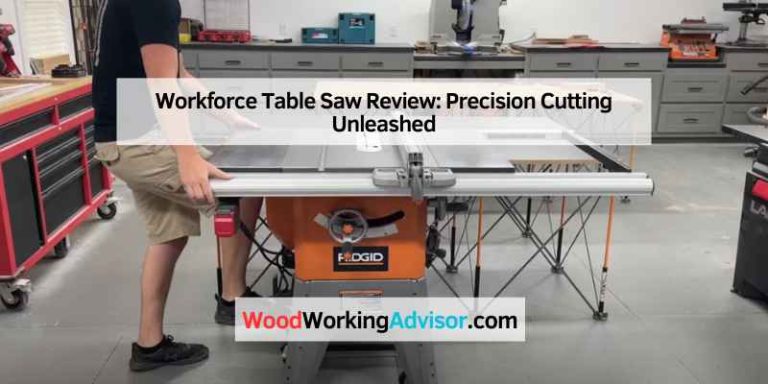
The Ultimate Guide to the DeWalt 10-Inch Jobsite Table Saw: My Hands-On Experience
Hey there, fellow woodworker! If you’re on the hunt for a reliable, portable, and powerful table saw, let me introduce you to the DeWalt 10-Inch Jobsite Table Saw, specifically the DWE7491RS model. As someone who’s spent countless hours in the workshop, from crafting picture frames to ripping plywood for home projects, I can tell you this saw has been a game-changer for me. It’s compact, sturdy, and packed with features that make it a favorite among DIYers, hobbyists, and even pros. In this guide, I’m sharing my personal experience with this tool, diving deep into its features, performance, and why it’s worth considering for your next project. Whether you’re setting up a small garage workshop or hauling tools to a jobsite, stick with me—I’ll walk you through everything you need to know.
Why I Chose the DeWalt 10-Inch Jobsite Table Saw
When I first started woodworking, I was overwhelmed by the number of table saws out there. I needed something portable yet powerful enough to handle a variety of cuts. After researching and testing several models, I landed on the DeWalt 10-Inch Jobsite Table Saw. Why? It’s a perfect blend of portability, precision, and durability. The DWE7491RS comes with a 15-amp motor and a 32-1/2-inch rip capacity, which is impressive for a jobsite saw. Plus, the rolling stand makes it easy to move around, whether I’m working in my garage or at a friend’s house. It’s not just a tool; it’s a reliable partner that’s helped me tackle everything from small crafts to large home renovations.
This saw stands out because it’s designed for real-world use. It’s built to handle the demands of a busy jobsite while being user-friendly enough for beginners like I was a few years ago. The rack-and-pinion fence system, solid build quality, and thoughtful safety features made it an easy choice. Let me break down what makes this saw so special.
Unboxing and First Impressions
The first time I unboxed my DeWalt DWE7491RS, I was impressed by how well everything was packaged. The saw comes with a 24-tooth carbide blade, a miter gauge, a push stick, a blade guard assembly, and a rolling stand. The stand took me about 15 minutes to assemble, but it was straightforward—no complicated instructions or missing parts. The saw itself weighs about 90 pounds, which gives it a sturdy feel without being impossible to move. The cast aluminum table is smooth, and the bright yellow DeWalt branding screams durability.
One thing I noticed right away was the attention to detail. The fence glides smoothly, and the onboard storage for accessories like the push stick and blade wrenches is a lifesaver. I also appreciated the dust port, which connects easily to my shop vac. My first thought was, “This is a tool built for someone who actually uses it.” But before I could start cutting, I had to set it up properly, which brings me to my next point.
Setting Up the DeWalt 10-Inch Jobsite Table Saw
Setting up a table saw can feel intimidating, especially if you’re new to woodworking. I remember my first time, worrying I’d mess something up. But the DeWalt makes it easy. The key is ensuring the blade is square to the table for accurate cuts. When I first took it out of the box, I checked the blade alignment using a square. It was slightly off, which is common for new saws. Don’t panic if this happens to you—it’s an easy fix.
To square the blade, I adjusted the bevel lock screw behind the blade wheel. This screw moves a stop cam, which fine-tunes the blade’s angle. It took me a few minutes to get it perfect, but once I did, the cuts were spot-on. The throat plate also needed a quick adjustment using the four screws to sit flush with the table. If you plan to make dado cuts, you’ll need an optional dado throat plate, which I’ll talk about later. Overall, the setup process was simple, and the manual was clear enough for a beginner like me at the time.
Key Features That Make It Stand Out
Let’s talk about what makes this saw shine. I’ve used it for over two years now, and these features have consistently impressed me:
Powerful 15-Amp Motor
The 15-amp motor is a beast. It spins the 10-inch blade at 4,800 RPM, which is more than enough to slice through hardwoods like oak or maple. I’ve ripped 2-inch-thick lumber and 4×8 plywood sheets without the motor bogging down. For a jobsite saw, this power is impressive. It’s not as beefy as a full-size cabinet saw, but for most DIY and professional tasks, it gets the job done.
Impressive 32-1/2-Inch Rip Capacity
The 32-1/2-inch rip capacity is a standout feature. It’s one of the largest in its class, letting me cut full sheets of plywood or MDF without needing a larger shop saw. The rack-and-pinion fence system is a dream—it’s easy to adjust, locks securely, and stays parallel to the blade. I’ve never had to nudge it back into place mid-cut, which is a common issue with cheaper saws.
Portable Rolling Stand
The rolling stand is a game-changer for portability. It’s sturdy, with a four-point base that keeps the saw stable during cuts. Folding and unfolding the stand takes a bit of practice, but once you get the hang of it, you can set up or pack up in under a minute. I’ve hauled this saw to jobsites, and the wheels make it easy to maneuver over uneven surfaces.
Safety Features
Safety is a big deal with table saws, and DeWalt doesn’t skimp here. The saw comes with a blade guard, anti-kickback pawls, and a riving knife to reduce the risk of accidents. The blade guard is a bit bulky, but I keep it on for safety. The riving knife is easy to remove or adjust without tools, which is handy when switching between through-cuts and non-through cuts. There’s also a large paddle switch you can bump with your knee to turn the saw off quickly.
Dust Collection
Wood dust is the bane of every woodworker’s existence. The DeWalt’s 2-1/2-inch dust port connects to a shop vac, and it does a decent job of keeping the mess under control. It’s not perfect—some dust still escapes—but it’s better than most jobsite saws I’ve used. If you’re working indoors, pair it with a good vacuum for cleaner air.
Onboard Storage
I love how everything has its place. The push stick, miter gauge, blade wrenches, and even the blade guard have dedicated storage spots on the saw. It keeps my workspace tidy and ensures I don’t lose small parts when moving the saw around.
Here’s a quick overview of the key specs:
| Feature | Details |
|---|---|
| Motor | 15 Amp, 4,800 RPM |
| Blade Size | 10 inches |
| Rip Capacity | 32-1/2 inches |
| Max Cut Depth | 3-1/8 inches at 0°, 2-1/4 inches at 45° |
| Weight | 90 pounds |
| Warranty | 3 years |
| Included Accessories | Blade, miter gauge, push stick, blade guard, rolling stand |
Performance in Action: My Real-World Experience
I’ve put this saw through its paces, from small projects like building picture frames to larger ones like constructing a deck. One of my favorite projects was a custom bookshelf for my living room. I used the saw to rip 3/4-inch plywood and make precise crosscuts for the shelves. The fence stayed true, and the cuts were clean, with no tear-out when I used a high-quality blade.
For bigger jobs, like ripping 2×12 lumber for a pergola, the saw’s power impressed me. The motor didn’t hesitate, even with dense wood. The 32-1/2-inch rip capacity meant I could handle wide boards without needing to borrow a friend’s shop saw. I also tried dado cuts using an optional dado throat plate and a stacked dado set. The saw handled 3/8-inch-wide dadoes like a champ, though you’re limited to smaller dado blades (up to 8 inches).
One minor gripe is the stock 24-tooth blade. It’s fine for rough cuts, but for smoother finishes, I upgraded to a 50-tooth thin-kerf combination blade. The difference was night and day—cleaner cuts and less sanding afterward. If you buy this saw, budget for a better blade to get the most out of it.
Pros and Cons: What I Love and What Could Be Better
No tool is perfect, and after using the DeWalt for years, I’ve got a clear picture of its strengths and weaknesses.
What I Love
- Portability: The rolling stand makes it easy to move, whether I’m in my garage or at a jobsite.
- Precision: The rack-and-pinion fence is accurate and stays locked in place.
- Power: The 15-amp motor handles tough materials without slowing down.
- Durability: The steel frame and cast aluminum table hold up to heavy use.
- Safety: The blade guard, riving knife, and paddle switch give me peace of mind.
What Could Be Better
- Stock Blade: The included 24-tooth blade is okay but not great for fine woodworking.
- Fence Wobble: At full extension, the fence has a slight wobble, though it doesn’t affect accuracy.
- Weight: At 90 pounds, it’s not the lightest jobsite saw, but the stand helps with mobility.
- Dust Collection: It’s good but not perfect—expect some cleanup.
Tips for Getting the Most Out of Your DeWalt Table Saw
After years of using this saw, I’ve picked up a few tricks to make it even better:
- Upgrade the Blade: Invest in a high-quality thin-kerf blade for smoother cuts. I use a 50-tooth Freud combination blade, and it’s worth every penny.
- Make a Zero-Clearance Insert: The stock throat plate has a wide gap, which can cause tear-out on narrow cuts. I made a zero-clearance insert from plywood, and it improved cut quality.
- Check Alignment Regularly: Even a well-built saw can drift slightly over time. Check the blade and fence alignment every few months.
- Use a Shop Vac: Connect a powerful shop vac to the dust port to keep your workspace cleaner.
- Add Accessories: Consider aftermarket upgrades like a TSO rip fence or JessEm stock guides for even more precision.
Who Should Buy This Saw?
This saw isn’t for everyone, but it’s a great fit for specific users. If you’re a DIYer like me, working on home projects like furniture or decking, this saw has the power and precision you need. It’s also perfect for contractors who need a portable saw for jobsites. Hobbyists who want to step up from a basic saw will appreciate the features and build quality.
However, if you’re doing industrial-scale woodworking with massive lumber or need a saw for a permanent shop setup, a cabinet saw might be a better choice. The DeWalt is designed for portability and versatility, not for replacing a heavy-duty shop saw.
Maintenance and Care
To keep my saw running smoothly, I follow a simple maintenance routine. After every project, I clean the table with a damp cloth to remove dust and resin. I check the blade for pitch buildup and clean it with a blade cleaner if needed. Every few months, I lubricate the rack-and-pinion fence system with a dry lubricant to keep it gliding smoothly. I also inspect the power cord for wear, especially since I use an extension cord on jobsites.
DeWalt backs the saw with a three-year warranty, which gives me confidence in its longevity. In my experience, with proper care, this saw can last for years of heavy use.
Comparing the DeWalt 10-Inch to Other Jobsite Saws
I’ve used a few other jobsite saws, like the Bosch GTS15-10 and the Craftsman 10-Inch Jobsite Saw, so I can offer some perspective. The Bosch is lighter and has a great stand, but its rip capacity is smaller (25 inches), which limits its versatility. The Craftsman is a budget-friendly option, but its fence isn’t as precise, and it lacks the DeWalt’s power. For me, the DeWalt strikes the best balance of features, performance, and price (around $600-$700, depending on where you buy).
If you’re torn between the DeWalt 10-Inch (DWE7491RS) and the DeWalt 8-1/4-Inch (DWE7485), it depends on your needs. The 8-1/4-inch model is lighter and cheaper, but it can’t handle dado stacks, and its smaller blade limits cutting depth. For most woodworkers, the 10-inch model is worth the extra cost.
Why It’s Worth the Investment
At around $600-$700, the DeWalt 10-Inch Jobsite Table Saw isn’t the cheapest option, but I believe it’s worth every penny. The combination of power, portability, and precision makes it a tool that grows with you. Whether you’re a beginner cutting your first 2×4 or a seasoned pro building custom furniture, this saw delivers. It’s saved me time, improved my cut quality, and made woodworking more enjoyable.
Conclusion: My Go-To Tool for Woodworking
After years of using the DeWalt 10-Inch Jobsite Table Saw, I can say it’s one of the best investments I’ve made for my workshop. It’s reliable, versatile, and built to last. The powerful motor, large rip capacity, and user-friendly features make it a joy to use, whether I’m in my garage or on a jobsite. Sure, it has a few quirks—like the stock blade and minor fence wobble—but those are easy to work around with the right upgrades and maintenance.
If you’re looking for a table saw that can handle a wide range of projects without taking up too much space, I can’t recommend the DeWalt DWE7491RS enough. It’s been my trusty companion through countless projects, and I’m confident it can be yours too. So, grab your safety glasses, fire up that saw, and let’s make some sawdust together!
Frequently Asked Questions
Is the DeWalt 10-Inch Jobsite Table Saw good for beginners?
Yes, it’s great for beginners! The saw is user-friendly, with a clear manual and easy-to-adjust features like the rack-and-pinion fence. The safety features, like the blade guard and riving knife, also make it safer for new woodworkers. Just take time to learn proper table saw safety and start with simple projects.
Can the DeWalt DWE7491RS handle large projects like furniture or decking?
Absolutely. I’ve used it to build bookshelves, tables, and even a deck. The 32-1/2-inch rip capacity lets you cut large sheets of plywood, and the 15-amp motor powers through thick lumber. For furniture, pair it with a good blade for clean cuts.
Does the saw come with a stand, and is it easy to move?
Yes, the DWE7491RS comes with a rolling stand. It’s sturdy and folds up for storage. The wheels make it easy to move, even on uneven surfaces, though the saw’s 90-pound weight means it’s not as light as some smaller models.
Can I use a dado stack with this saw?
Yes, the saw supports dado stacks up to 8 inches in diameter and 3/8 inches wide. You’ll need an optional dado throat plate (like the DeWalt DW7444). I’ve used it for dado cuts on cabinetry projects, and it works well.
How effective is the dust collection on this saw?
The dust collection is decent but not perfect. The 2-1/2-inch dust port connects to a shop vac, which catches most of the sawdust. Some dust still escapes, especially during heavy cuts, so I recommend using a powerful vacuum and working in a well-ventilated area.
Is it worth upgrading the stock blade?
Definitely. The included 24-tooth blade is okay for rough cuts, but for smoother results, I upgraded to a 50-tooth thin-kerf combination blade. It reduces tear-out and saves time on sanding, especially for fine woodworking.