Shop Fox Table Saw: W1837 vs W1819 Specs Compared (2026)
Shop Fox’s W1837 draws 2 HP off a dual-voltage 120V/240V motor and spins its 10-inch blade at 3,450 RPM — enough for a 3-1/4" depth of cut at 90°, but only on a hybrid-class saw, not a full cabinet saw. Buy the wrong model and you either overpay for cabinet-saw power you don’t need or run out of rip capacity on sheet goods. This guide covers the W1837 vs. W1819 spec difference, real safety features, setup steps, and where the W1837 is the better buy.
Our Pick: Shop Fox W1837 Hybrid Table Saw
OUR PICK FOR HOBBYIST SHOPS
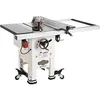 |
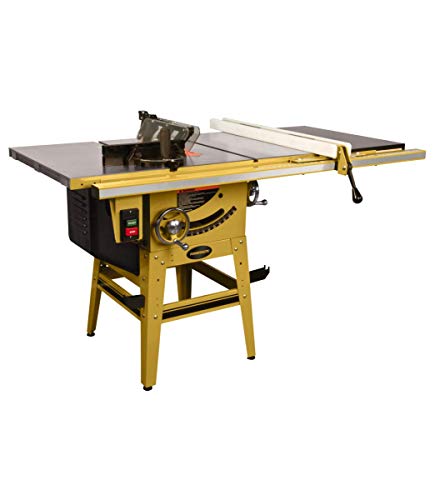
Shop Fox W1837 10" 2 HP Hybrid Table Saw – $1,649.00 A 2 HP, dual-voltage (120V/240V) hybrid saw with a cast-iron table, Biesemeyer-style T-fence, and a built-in foot-pedal mobile base — the easiest Shop Fox model to run on a standard 120V circuit.
|
As an Amazon Associate we earn from qualifying purchases.
Shop Fox W1837 vs. W1819: Which Model Fits Your Shop?
Shop Fox sells two very different table saws under the same brand name, and mixing up their specs is the most common buying mistake. The W1837 is a 120V/240V hybrid saw built for garages and small shops; the W1819 is a 230V-only 3 HP cabinet saw built for a dedicated shop circuit. Specs below are pulled from Grizzly Industrial’s own product pages (Shop Fox is a Grizzly brand) rather than repeated from other review sites.
| Spec | W1837 (Hybrid) | W1819 (Cabinet) |
|---|---|---|
| Motor | 2 HP, 120V/240V dual-voltage | 3 HP, 230V only |
| Arbor speed | 3,450 RPM | 4,300 RPM (triple-belt drive) |
| Max depth of cut (90°) | 3-1/4" | 3-1/8" |
| Right rip capacity | 30" | 29-1/2" |
| Shipping weight | ~260 lbs | ~539 lbs |
| Mobility | Built-in foot-pedal mobile base | Fixed cabinet base |
| Dust port | 4" | 4" |
If your shop only has a standard 120V outlet, or you need to roll the saw out of the way between projects, the W1837 is the only one of the two that works. If you have a dedicated 230V circuit and floor space for a saw that won’t move again, the W1819’s extra HP and heavier cast iron reduce vibration on thick hardwood rips. Source: Grizzly Industrial’s W1837 product page.

Key Features That Set Shop Fox Apart
Both Shop Fox models share the same core engineering: precision-ground cast-iron tables, a T-style rip fence that locks square to the blade, and tilt-adjustable arbors for bevel cuts up to 45°.
Precision Cutting Technology
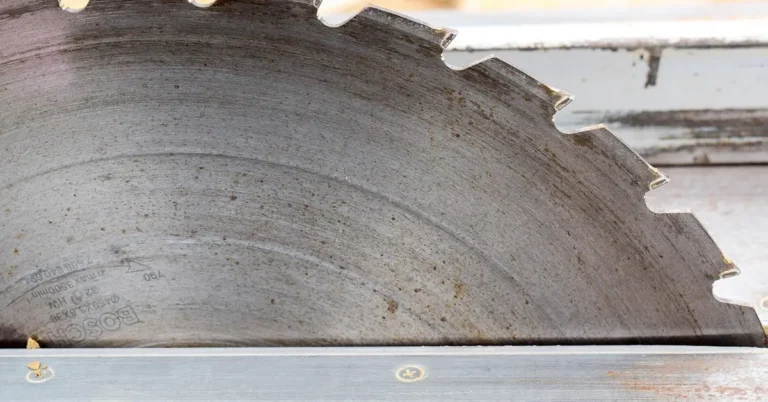
- Cast-iron table and wings: hold flatness better than stamped-steel tables over years of use.
- T-style rip fence: based on the Biesemeyer design, glides on steel rails and locks parallel to the blade without re-calibration each use.
- Left-tilt arbor: tilts away from the fence, which keeps a bevel cut from wedging stock between the blade and fence.
Durable Build
Cast-iron construction is the main reason Shop Fox saws run 260-540 lbs — that mass damps vibration during a rip cut far more than a benchtop saw’s stamped-aluminum table can.
Safety Features You Should Actually Check
Every current Shop Fox table saw ships with a riving knife, blade guard, and anti-kickback pawls as standard equipment — not optional add-ons. Before the first cut, confirm all three are installed and the riving knife is aligned flush with the blade.
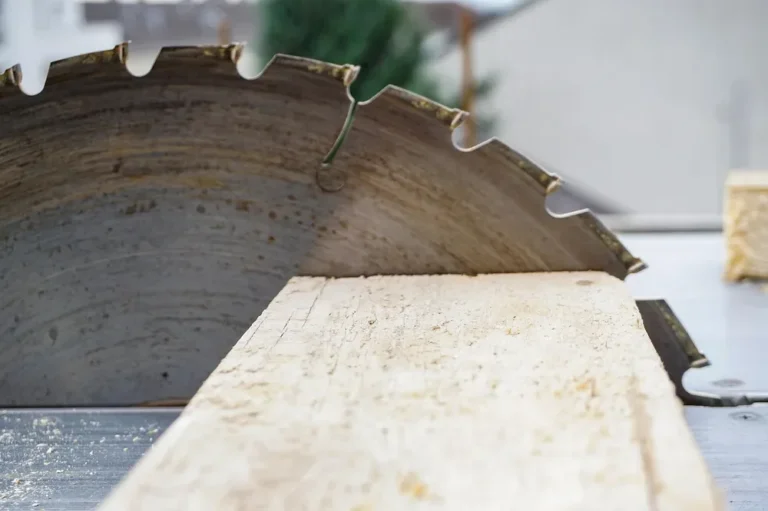
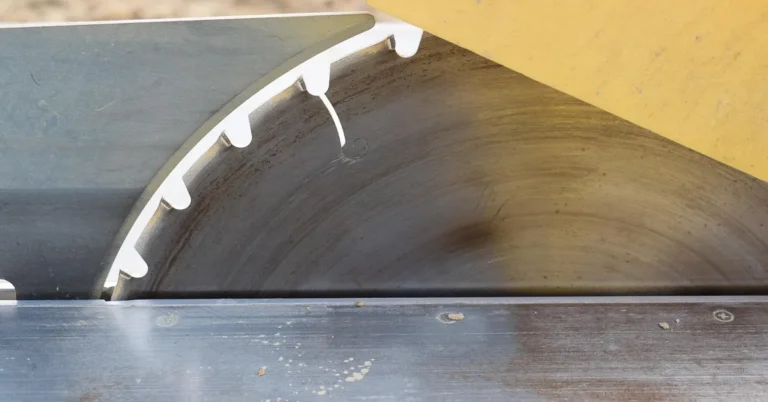
- Riving knife: rides directly behind the blade at the same height and thickness, keeping the kerf open so the workpiece can’t pinch and kick back.
- Anti-kickback pawls: spring-loaded teeth that bite into the wood if it starts moving backward toward you.
- Blade guard: a clear polycarbonate shield over the exposed blade — removing it for anything other than a non-through cut (like a dado) is the single most common cause of table-saw injuries per OSHA woodworking safety guidance.
- Magnetic switch with paddle shutoff: cuts power instantly and won’t restart automatically after a power outage.
Setup and Maintenance
Plan on 3-5 hours for first assembly on either model — most of that time goes to aligning the cast-iron wings to the main table and squaring the fence rails, not bolting the base together.
- Unpack and inventory all parts against the manual’s hardware list before assembling anything.
- Bolt the base/stand together first, then mount the main table.
- Attach the cast-iron wings and shim until they sit flush with the main table — check with a straightedge, not by eye.
- Mount the fence rails and square the fence to the miter slot using a dial indicator or combination square.
- Install the blade, riving knife, and blade guard, then check blade-to-miter-slot parallelism.
| Maintenance task | Frequency |
|---|---|
| Clean table and apply paste wax | After each use / monthly |
| Check blade sharpness, swap if burning wood | Every 15-20 hours of cutting |
| Lubricate elevation and tilt gears | Every 3 months |
| Re-check fence-to-blade parallelism | Every 6 months |
| Inspect power cord and switch | Monthly |
Where to Buy and What the Warranty Covers
Shop Fox saws sell through Grizzly Industrial directly, Amazon, and select woodworking retailers — prices and stock change often enough that it’s worth checking current Amazon pricing before ordering from a smaller retailer. Grizzly backs current Shop Fox table saws with a standard warranty against manufacturing defects; register the saw with your serial number after assembly so the warranty clock and any recall notices are tied to your unit.
Frequently Asked Questions
What is the difference between the Shop Fox W1837 and W1819?
The W1837 is a 2 HP hybrid saw that runs on either 120V or 240V and includes a built-in mobile base, weighing about 260 lbs. The W1819 is a 3 HP cabinet saw that requires a dedicated 230V circuit, weighs about 539 lbs, and spins the blade faster at 4,300 RPM for smoother cuts in thick hardwood.
Can I run a Shop Fox table saw on a standard 120V household outlet?
Only the W1837 and other dual-voltage hybrid models can — they draw about 15 amps at 120V, which is close to a standard 15-amp circuit’s limit, so a dedicated 20-amp circuit is safer. The W1819 cabinet saw requires 230V and won’t run on household 120V power at all.
What safety features does a Shop Fox table saw include?
Every current model ships standard with a riving knife, a polycarbonate blade guard, and anti-kickback pawls, plus a magnetic paddle switch that won’t auto-restart after a power outage. None of these are optional upgrades — they come installed from the factory.
How long does it take to assemble a Shop Fox table saw?
Budget 3-5 hours for first assembly. Bolting the base together is quick; most of the time goes to shimming the cast-iron wings flush with the main table and squaring the fence rails with a straightedge or dial indicator.
Conclusion
Pick the W1837 if you need 120V flexibility and a saw you can roll out of the way; pick the W1819 if you have a dedicated 230V circuit and want cabinet-saw stability for daily hardwood ripping. Either way, verify the riving knife and blade guard are installed and aligned before the first cut — that’s the single detail owners skip most often after assembly.
Sponsored / affiliate links. As an Amazon Associate I earn from qualifying purchases. I may earn additional commission from eligible campaigns.