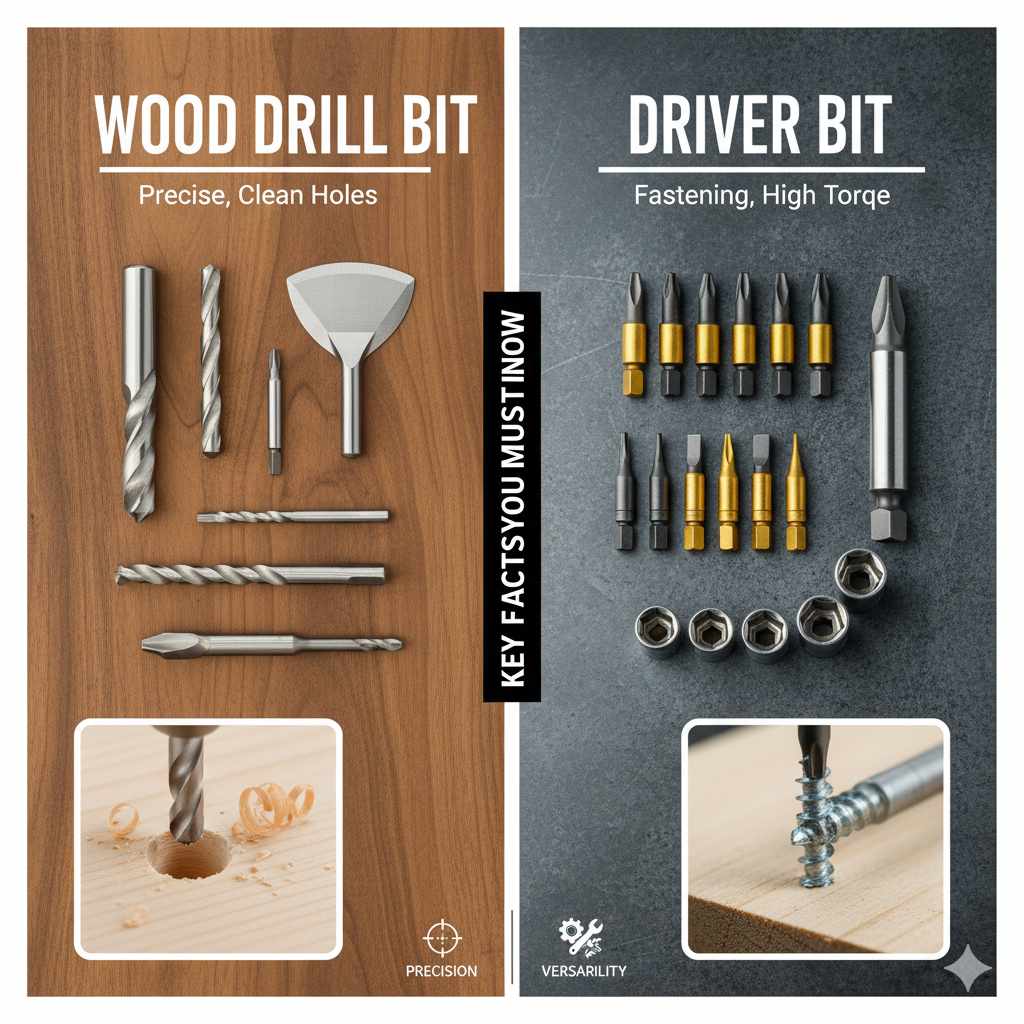
Difference between a Wood And a Driver: Key Facts You Must Know
Are you confused about when to use a wood or a driver on the golf course? You’re not alone.
Both clubs look similar, but they serve different purposes and can change the way you play your game. Understanding the difference between a wood and a driver can help you hit longer, straighter shots and lower your score. Keep reading to discover how these clubs work and which one you should reach for next time you tee off.
Wood Vs Driver
Wood and driver are two common clubs in golf. They look similar but serve different purposes on the course. Understanding their differences helps players choose the right club for each shot. Let’s explore what sets them apart.
Basic Design Differences
Woods usually have smaller heads than drivers. Their shapes vary more and are often rounder. Drivers have the largest clubheads in golf. The heads are designed to hit the ball far off the tee. Drivers also have longer shafts than woods. This design helps generate more speed and distance.
Material Composition
Modern woods often use a mix of metal and composite materials. This mix improves control and forgiveness. Drivers mainly use titanium or other light metals. These materials keep the club light and strong. The lightness helps swing the driver faster for longer shots.
Typical Uses On The Course
Woods are versatile and used for fairway shots and long approaches. They work well for shots from the ground or light rough. Drivers are mostly for tee shots. Their goal is to send the ball as far as possible down the fairway. Choosing between wood and driver depends on the shot’s distance and position.
Clubhead Size And Shape
The clubhead size and shape play a big role in golf clubs’ performance. These features affect how the ball travels and how easy the club is to use. Drivers and woods have different designs that suit their unique purposes. Understanding these differences helps golfers pick the right club for their needs.
Driver Clubhead Characteristics
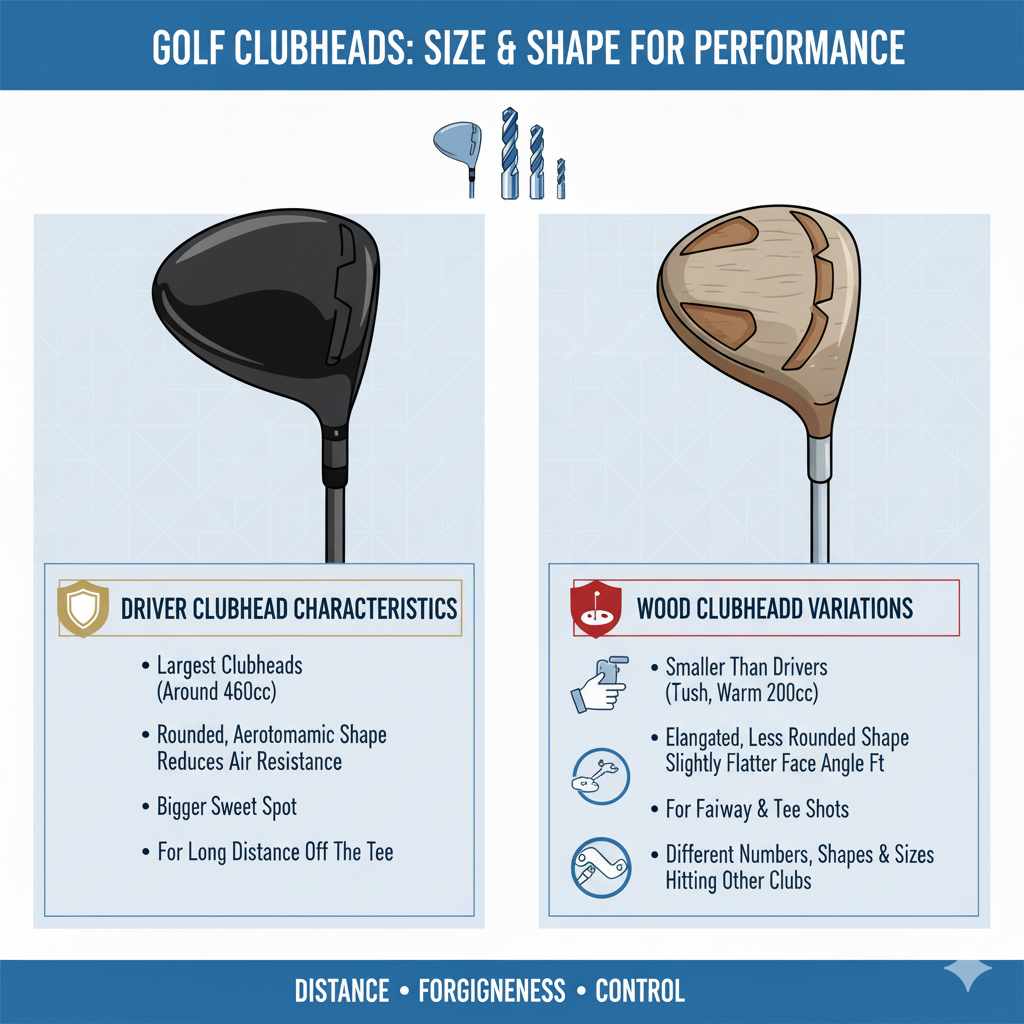
Driver clubheads are the largest among golf clubs. They often have a volume around 460 cubic centimeters. The shape is usually rounded and aerodynamic. This design helps reduce air resistance. The large size gives a bigger sweet spot. It makes hitting the ball easier and more forgiving. Drivers are made to hit the ball long distances off the tee.
Wood Clubhead Variations
Woods have smaller clubheads than drivers. Their size ranges from about 150 to 200 cubic centimeters. The shape is more elongated and less rounded. Some woods have a slightly flatter face angle. They are designed for both fairway and tee shots. The smaller size helps with better control and accuracy. Woods come in different numbers, each with specific shapes and sizes.
Loft Angle Impact
The loft angle plays a big role in how far and high the golf ball flies. It changes the ball’s path and speed. This makes loft angle a key difference between a wood and a driver. Understanding loft helps you pick the right club for your swing and course.
Driver Loft Range
Drivers usually have a loft between 8 and 13 degrees. Lower lofts, like 8 or 9 degrees, produce lower, longer shots. Higher lofts, near 12 or 13 degrees, help get the ball in the air easier. Beginners often choose higher loft drivers to improve their launch.
Wood Loft Range
Fairway woods have lofts ranging from 13 to 18 degrees or more. For example, a 3-wood typically has 15 degrees of loft. This loft helps create a balance of distance and control. Higher loft woods, like 5-woods, make it easier to hit the ball from the fairway or rough.
Shaft Length And Flex
The shaft length and flex play a big role in how a golf club performs. Shaft length affects the swing speed and control. Shaft flex determines how much the shaft bends during the swing. Both factors change between a wood and a driver. Understanding these differences helps improve your game and comfort.
Driver Shaft Features
Driver shafts are usually longer than wood shafts. This extra length helps increase swing speed for more distance. The typical driver shaft length is about 45 inches. This length can make the club harder to control.
Driver shafts come in different flex options. Flex choices include extra stiff, stiff, regular, and senior. The flex affects how the shaft bends when swinging. A stiffer shaft suits faster swings. Softer flex helps slower swings get more distance.
Wood Shaft Differences
Wood shafts are shorter than driver shafts. The length ranges from 41 to 43 inches. This shorter length gives better control and accuracy.
Wood shafts also have different flex options but usually are softer than driver shafts. Softer flex helps with better feel and control on longer shots. Woods need more precision than drivers, so shaft flex matters a lot.
Performance And Distance
Performance and distance are key factors in choosing between a wood and a driver. Both clubs serve different purposes on the golf course. Understanding how each affects your shot can improve your play. Distance matters for long shots, but control is just as important.
How Drivers Maximize Distance
Drivers are designed to hit the ball as far as possible. They have larger heads and longer shafts. This design helps create higher clubhead speed. The face of a driver is usually flat and wide. This allows the ball to launch at a high angle with low spin. Low spin helps the ball roll further after landing. Most players use drivers on the tee to gain maximum distance.
Wood’s Role In Accuracy And Control
Woods have smaller heads compared to drivers. This helps golfers control their shots better. Woods offer more accuracy for mid-range shots. They have a slightly higher loft than drivers. This loft helps get the ball airborne with more control. Woods are versatile for fairway shots and tricky lies. The balance between distance and accuracy makes woods reliable for many players.
Choosing The Right Club
Choosing the right golf club is key to playing well. Each club fits different shots and situations. Knowing when to pick a driver or a wood helps improve your play. The choice affects distance, control, and accuracy.
Understanding each club’s strengths guides better decisions on the course. Both driver and wood have unique uses that match specific needs. Learning these uses makes your shot more effective and enjoyable.
When To Use A Driver
Use a driver for the longest shots from the tee. It helps send the ball far down the fairway. The driver’s large head and low loft maximize distance. Choose it when you want to cover the most ground quickly.
Ideal for open holes with plenty of space ahead. The driver is less accurate but offers great distance. Use it when distance is your top priority and the risk is low.
When To Opt For A Wood
Woods are good for long shots but with more control. They work well from the fairway or rough. The loft on woods is higher than drivers, aiding accuracy.
Pick a wood when distance matters but you need better ball flight. Woods help you reach the green on long holes. Use them when you want a balance of distance and precision.
Maintenance And Durability
Maintenance and durability are key for both woods and drivers. Proper care keeps them in good shape. It helps improve performance and extends their life. Each type needs special attention because of different designs and materials. Understanding these needs helps golfers protect their clubs better.
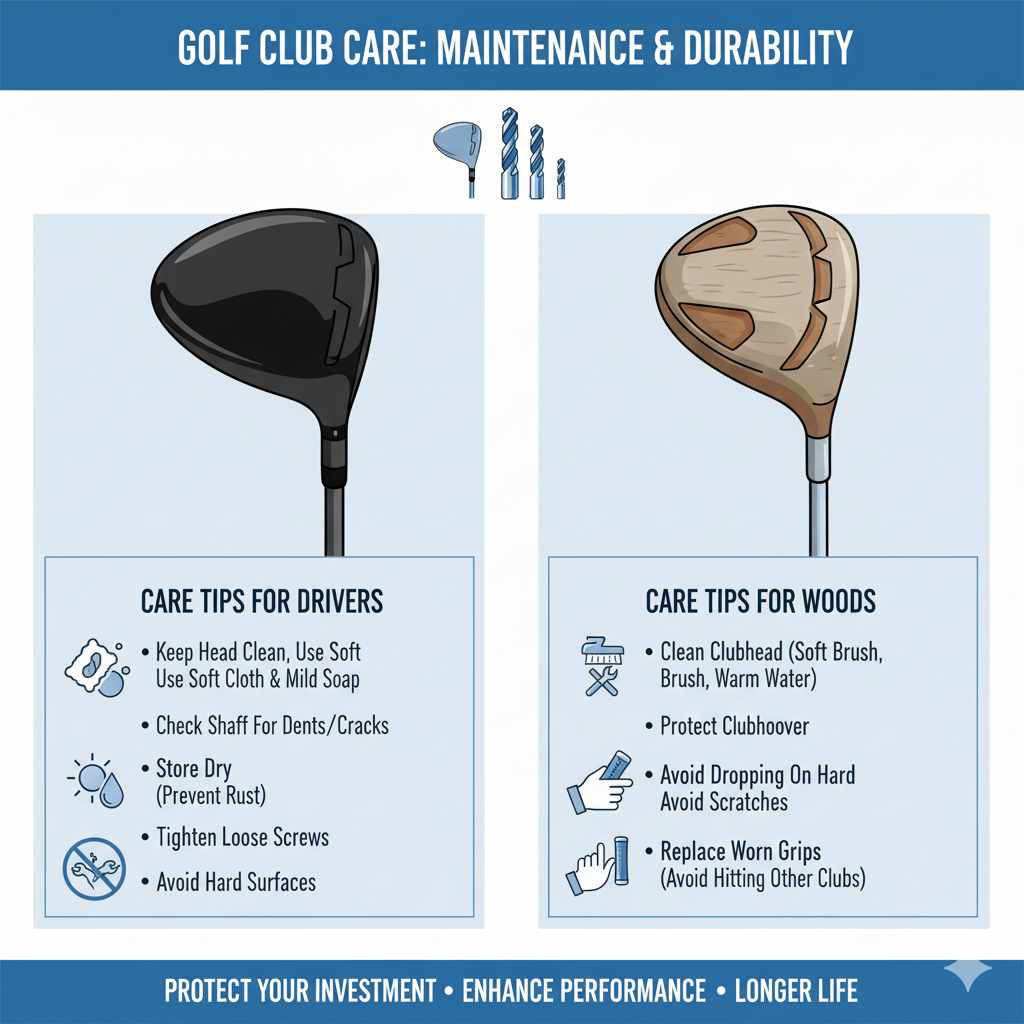
Care Tips For Drivers
Keep the driver head clean after every use. Use a soft cloth and mild soap to wipe dirt away. Avoid harsh chemicals that can damage the finish. Check the shaft for dents or cracks regularly. Store the driver in a dry place to prevent rust. Use headcovers during transport to avoid scratches. Tighten loose screws or parts to keep the club stable. Avoid hitting hard surfaces that can bend or break the shaft.
Care Tips For Woods
Clean the wood clubhead with a soft brush and warm water. Remove grass and dirt stuck around the face. Dry the club completely before storing it. Protect the wood surface with a headcover when not in use. Avoid dropping the wood on hard ground to prevent dents. Check the shaft and grip for wear and tear. Replace worn grips to maintain control. Store woods separately to avoid hitting other clubs.
Frequently Asked Questions
What Is The Main Difference Between A Wood And A Driver?
A driver is designed for maximum distance off the tee. Woods have smaller heads and are versatile for fairway shots. Drivers typically have a lower loft, making them ideal for long drives. Woods offer more control and accuracy for various lies.
Which Club Is Better For Beginners, Wood Or Driver?
Woods are generally better for beginners due to their forgiveness and versatility. Drivers require precise swing mechanics and timing. Beginners often find woods easier to hit consistently. Choosing woods helps improve confidence and control during early practice.
How Does Loft Affect Wood And Driver Performance?
Drivers usually have lofts between 8-13 degrees for long, low shots. Woods have higher lofts, typically 15-25 degrees, aiding in higher ball flight. Loft influences distance and trajectory. Higher lofts provide more control and accuracy, while lower lofts offer more roll.
Can Woods Be Used Off The Tee Like A Driver?
Yes, woods can be used off the tee for shorter or controlled drives. They provide better accuracy and easier contact on uneven lies. However, drivers are preferred for maximum distance. Using woods off the tee suits strategic play and course management.
Conclusion
Woods and drivers each have their own purpose on the golf course. Drivers are best for long, straight shots from the tee. Woods offer more control and work well for longer shots from the fairway. Choosing the right club depends on your shot type and distance.
Knowing these differences helps you play smarter golf. Practice with both to see what fits your style. Simple choices lead to better results and more fun playing golf.