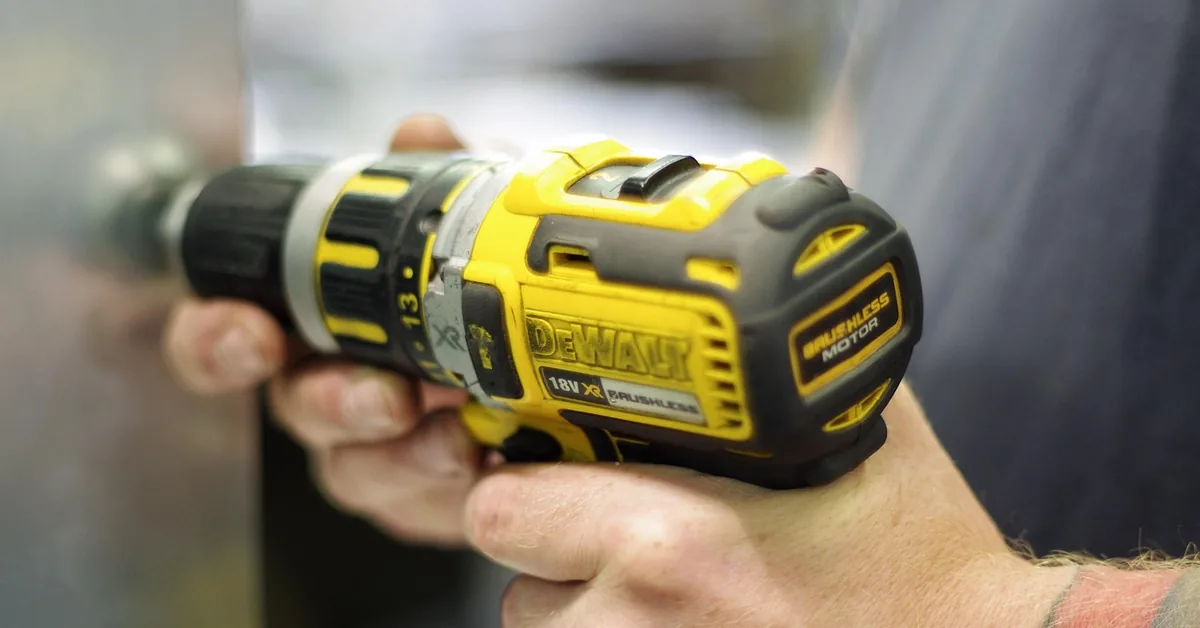
Can I Use a Wood Drill Bit on Plastic? (Yes, With a Fix)
Yes, you can drill plastic with a standard wood twist bit — but its stock 118–130° tip and aggressive rake are ground for wood, not thermoplastics, and will gouge, melt, or crack brittle plastics like acrylic and PVC. Skip that risk with one fix: regrind the tip to 60–90° and set your speed by bit diameter, not a flat number. This guide gives the exact regrind angles, a diameter-scaled RPM chart, and which plastics crack fastest.
Insert your Affiliate Disclosure reusable block here
Why a Stock Wood Bit Isn’t Actually Made for Plastic
Best Step Bit Pick for Plastic
ANGELSWORD 5-Pc Titanium Step Drill Bit Set for Plastic & Metal
A step bit shears sheet plastic in thin layers instead of gouging like a twist bit, and one bit covers dozens of hole sizes without a regrind.
- Best for: Repeated holes in acrylic, PVC, and thin sheet plastic without regrinding a bit
- Why we picked it: Titanium coating and a self-centering tip reduce walking on smooth plastic surfaces
- Main drawback: Not designed for holes deeper than the step height on thick plastic stock
Compare more step drill bit options
 Option 1 HSS Titanium Step Drill Bit Set, 50 Sizes, Aluminum Case
|
 Option 2 3-Pc Titanium Step Drill Bit Set for Plastic, Wood & Metal
|
 Option 3 5-Pc Titanium Step Bit, Split Point, Dual Spiral Flute
|
As an Amazon Associate we earn from qualifying purchases.
A standard wood or general-purpose twist bit ships with a steep 118–130° tip angle and an aggressive rake, built to bite deep and clear big wood chips fast. On plastic, that same aggressive geometry doesn’t cut cleanly — it gouges. Gouging generates localized friction heat (which melts thermoplastics like acrylic, PVC, and polystyrene at the hole wall) and creates stress concentrations at the cut edge that can propagate into a crack, especially in brittle sheet stock near an edge or corner.
📊 The stock tip angle on most wood and general-purpose bits is 118–130°. ACRYLITE’s official fabrication manual specifies this must be reground to 60–90° before the bit is safe for repeated use on acrylic sheet — Source: ACRYLITE Fabrication Manual, Drilling ACRYLITE Acrylic Sheet.
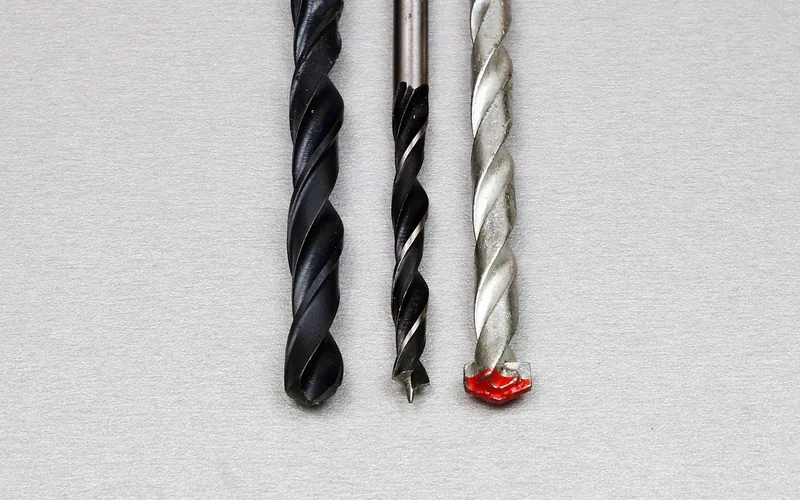
Wood Bit vs. a Plastic-Specific Bit: Which Should You Use?
If you already own a sharp wood or general-purpose bit and only need one or two holes, reground stock or a step bit will get you a clean result. For repeated drilling in acrylic or polycarbonate sheet, a dedicated bit pays for itself in fewer cracked pieces.
| Bit Type | Tip Angle | Best For | Crack/Melt Risk |
|---|---|---|---|
| Stock wood/twist bit (unmodified) | 118–130° | Wood; one-off plastic holes if you go slow | High — not designed for plastic |
| Reground wood bit (DIY fix) | 60–90° | Occasional acrylic, PVC, polycarbonate holes | Low, if reground and speed-matched |
| Step (unibit) drill bit | Self-limiting, shallow cut | Sheet plastic and thin metal, multiple hole sizes | Low — shears rather than gouges |
| Dedicated plastic/acrylic bit | 90° factory ground | Repeated production drilling | Lowest |
For the full walkthrough on drilling any plastic material cleanly — including hand drills, drill presses, and pipe — see our complete guide: Can You Drill Through Plastic? This page focuses specifically on the wood-bit question: can you get away with the bit already in your toolbox, and how.
How to Regrind a Wood Bit for Plastic
Regrinding is the single biggest fix. It takes a bench grinder or a hand-held grinding jig and about two minutes per bit.
| Feature | Stock Wood Bit | Reground for Plastic |
|---|---|---|
| Tip (point) angle | 118–130° | 60–90° (90° preferred — smaller chips, less melting) |
| Rake angle | Steep/aggressive | 0–4° flat — scrapes instead of gouging |
| Back relief (clearance) | Standard | 12–15° — cuts friction/heat at the cutting edge |
| Helix angle | Standard twist | 15–30° |
- Clamp the bit in a grinding jig or hold it at a shallow, consistent angle against a fine-grit bench grinder wheel.
- Flatten the tip to a 60–90° included angle — use 90° for most general work, drop to 60–90° range for larger holes (≥1/2 inch).
- Grind the leading edge nearly flat, 0–4° of rake, so the edge scrapes material away instead of biting into it.
- Relieve the area just behind the cutting edge to 12–15° so only the edge itself touches the plastic, not the whole bit face.
- Cool the bit in water between passes — overheating during grinding draws the temper and softens the steel.
No grinder on hand? A reground bit is the ideal fix, not the only option — a sharp, unmodified wood bit run at a low, diameter-matched speed with light pressure and a backing board (next section) will still get you a usable hole in most plastics for a one-off job.
Drill Speed for Plastic, by Bit Diameter
A flat “2000–3000 RPM” number shows up across a lot of drilling-plastic articles, but it ignores bit diameter entirely — and diameter is what actually drives cutting speed. The surface footage (SFM) at the bit’s edge climbs with diameter at a fixed RPM, so a wide bit spinning at the same RPM as a narrow one generates far more heat.
| Bit Diameter | Approx. RPM (60–90 SFM) |
|---|---|
| 1/8 in (0.125 in) | 1,800 – 2,750 |
| 1/4 in (0.25 in) | 900 – 1,375 |
| 3/8 in (0.375 in) | 600 – 900 |
| 1/2 in (0.5 in) | 450 – 700 |
| 3/4 in (0.75 in) | 300 – 450 |
These figures come from the standard shop-floor formula RPM = 3.82 × SFM ÷ bit diameter (in inches), using the 60–90 surface-feet-per-minute range fabrication guides recommend for rigid thermoplastics. A cordless drill’s low gear typically covers the smaller sizes; for anything over 3/8 inch, a drill press with speed control gives far more consistent results than a handheld drill.
Step-by-Step: Drilling Plastic Safely With a Wood Bit
- Mark the hole and tape over it. A strip of masking or painter’s tape over the mark keeps the bit from wandering (walking) on smooth plastic before it bites.
- Back the plastic with scrap wood or MDF. Clamp it tight to the plastic so the bit exits into solid material instead of blowing out unsupported plastic on the far side.
- Regrind the tip if you can (previous section), or accept the tradeoff and go slower and lighter with a stock bit.
- Set the drill to the diameter-matched RPM from the chart above, and start with a small pilot hole if the final hole is 3/8 inch or larger.
- Drill with light, steady pressure. Let the flutes do the cutting — forcing the bit is what cracks brittle sheet plastic.
- Peck drill on deep holes. Retract the bit every few seconds once hole depth exceeds the bit diameter, to clear chips and let heat dissipate.
- Add water or light coolant on holes 1/2 inch and larger, or on any hole drilled at high RPM, to keep the plastic from softening.
- Deburr the edge with fine sandpaper or a countersink bit if the rim shows any melt ridge or hairline stress marks.
Which Plastics Crack or Melt Fastest?
Not all plastics react the same way to a hot, aggressive bit. Brittle sheet plastics crack first; softer, more ductile plastics melt or gum up before they crack.
| Plastic | Melt Risk | Crack Risk | Notes |
|---|---|---|---|
| Acrylic (PMMA) | High | High | Brittle — the most common material cracked by a stock wood bit; see our plexiglass cutting guide for a no-drill option on thin sheet |
| Polystyrene (PS) | Moderate | High | Cracks readily near edges and corners |
| Rigid PVC | Moderate | Moderate | Softens before it cracks; slow speed matters most |
| Polycarbonate (PC) | Moderate | Low | Tough and impact-resistant, but melts/gums at high heat |
| HDPE / Polypropylene | Low | Low | Soft and ductile — most forgiving of a stock bit |
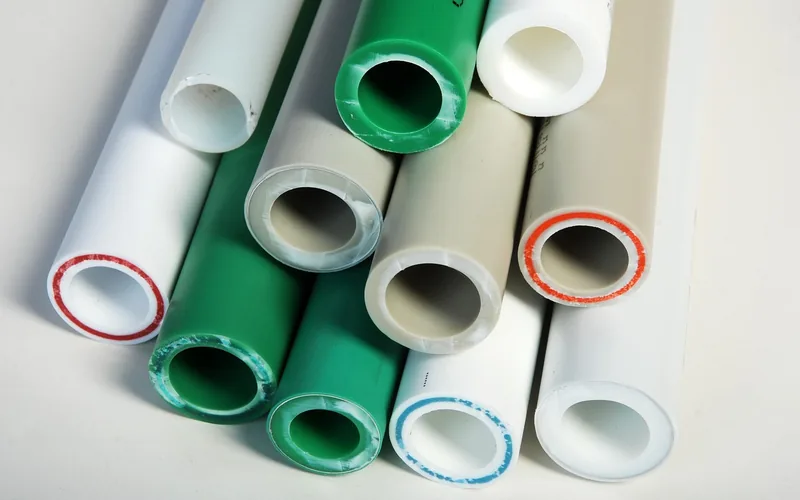
Common Mistakes When Drilling Plastic With a Wood Bit
- Running the drill at full speed. Full trigger on a cordless drill can exceed 1,500–2,000 RPM regardless of bit size — too fast for anything over 1/4 inch.
- Forcing the bit through. Extra downward pressure doesn’t cut faster on plastic — it just concentrates stress at the tip and starts a crack.
- Skipping the backing board. Without support underneath, the bit blows out a chunk of plastic the instant it breaks through.
- Drilling a large hole in one pass. Step up through a pilot hole first on anything 3/8 inch or larger — it’s far less likely to crack the surrounding material.
- Never clearing chips on deep holes. Packed chips trap heat against the hole wall and melt the surrounding plastic.
Frequently Asked Questions
Can wood drill bits damage plastic?
Yes. A stock wood bit’s steep 118–130° tip angle gouges rather than scrapes, which builds heat fast enough to melt thermoplastics and can crack brittle sheet plastic like acrylic or polystyrene. Regrinding the tip to 60–90° and slowing the RPM to match the bit diameter removes most of that risk.
Do I need to regrind a wood bit before using it on plastic?
Not for a single hole in forgiving plastic like HDPE or polypropylene — a sharp stock bit at low speed with light pressure works fine. For acrylic, polystyrene, or any repeated drilling, regrind the tip to a 60–90° angle with a flat 0–4° rake first; it’s the difference between a clean hole and a cracked sheet.
What type of drill bit is best for plastic?
A dedicated plastic/acrylic bit ground to a 90° tip, or a step (unibit) bit, gives the cleanest results with the least risk. Both shear material away instead of gouging it, which keeps heat and stress low even at higher RPM.
Can I use a regular drill on plastic?
Yes — any corded or cordless drill works on plastic as long as you control speed and pressure. The tool isn’t the limiting factor; the bit geometry and RPM are. A variable-speed trigger or a drill press with speed settings makes it easier to stay in the diameter-matched RPM range.
How do I prevent melting when drilling plastic?
Match RPM to bit diameter (smaller bits can run faster, larger bits need to run much slower), use light steady pressure, peck-drill to clear chips on deep holes, and add a drop of water or light coolant on holes 1/2 inch and larger. All four together control heat better than any one fix alone.
Conclusion
A wood bit can drill plastic — the geometry, not the bit itself, is the problem. Regrind the tip to 60–90°, match your RPM to the bit diameter, back the plastic, and drill with light pressure, and a bit already in your toolbox will get you a clean hole in most plastics without buying anything new.
For projects where you’ll be drilling plastic regularly, a dedicated step bit or plastic bit saves the regrinding step entirely and holds its edge longer.
Sponsored / affiliate links. As an Amazon Associate I earn from qualifying purchases. I may earn additional commission from eligible campaigns.