Difference between Wood Drill Bit And Metal: Key Features Explained
When you’re about to start a drilling project, choosing the right drill bit can make all the difference. But do you really know how a wood drill bit differs from a metal one?
Using the wrong bit can ruin your work, waste your time, and even damage your tools. You’ll discover the key differences between wood and metal drill bits, so you can pick the perfect one for your job every time. Keep reading, and you’ll never have to guess again which bit to use.
Wood Drill Bits
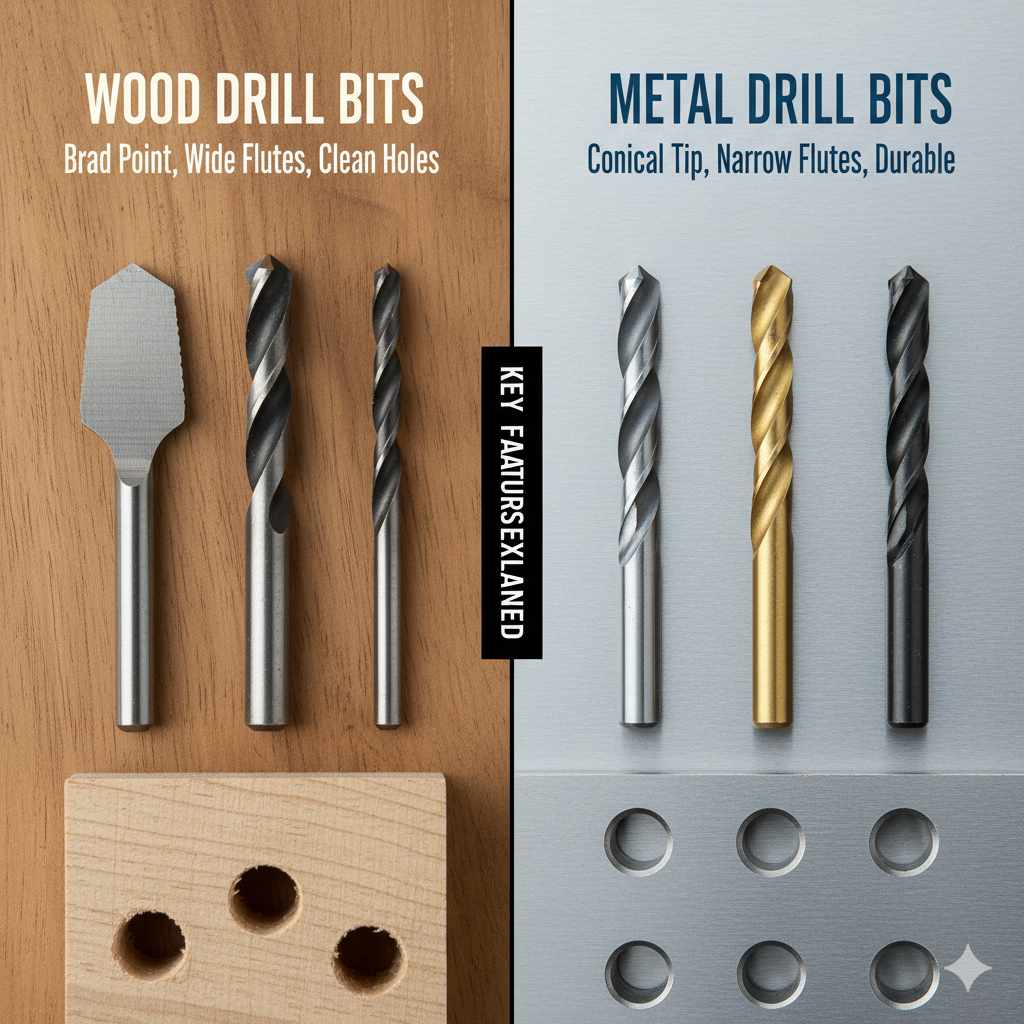
Wood drill bits are tools made specifically for drilling into wood. They differ from bits used for metal or other materials. Their design helps make clean, precise holes in wood without damaging the material.
Understanding how wood drill bits work can help you choose the right one for your project. Each part of the bit plays a role in making drilling easier and faster.
Design And Shape
Wood drill bits often have a pointed tip called a spur. This tip helps start the hole exactly where you want it. The bit’s edges are sharp to cut wood fibers smoothly. Some have a wider body to clear wood chips quickly.
Material And Coating
Most wood drill bits are made from high-speed steel. This material stays sharp longer and resists wear. Some bits have a coating like black oxide to protect from rust. The coating also helps the bit last longer.
Cutting Mechanism
The pointed tip pierces the wood first. Then, the sharp edges cut away wood fibers. The bit’s shape pushes wood chips out of the hole. This keeps the hole clean and prevents overheating.
Common Uses
Wood drill bits are used for making holes in soft and hard wood. They work well for furniture, cabinets, and framing. These bits also drill into plywood and other wood composites. They are perfect for woodworking projects requiring smooth holes.
Metal Drill Bits
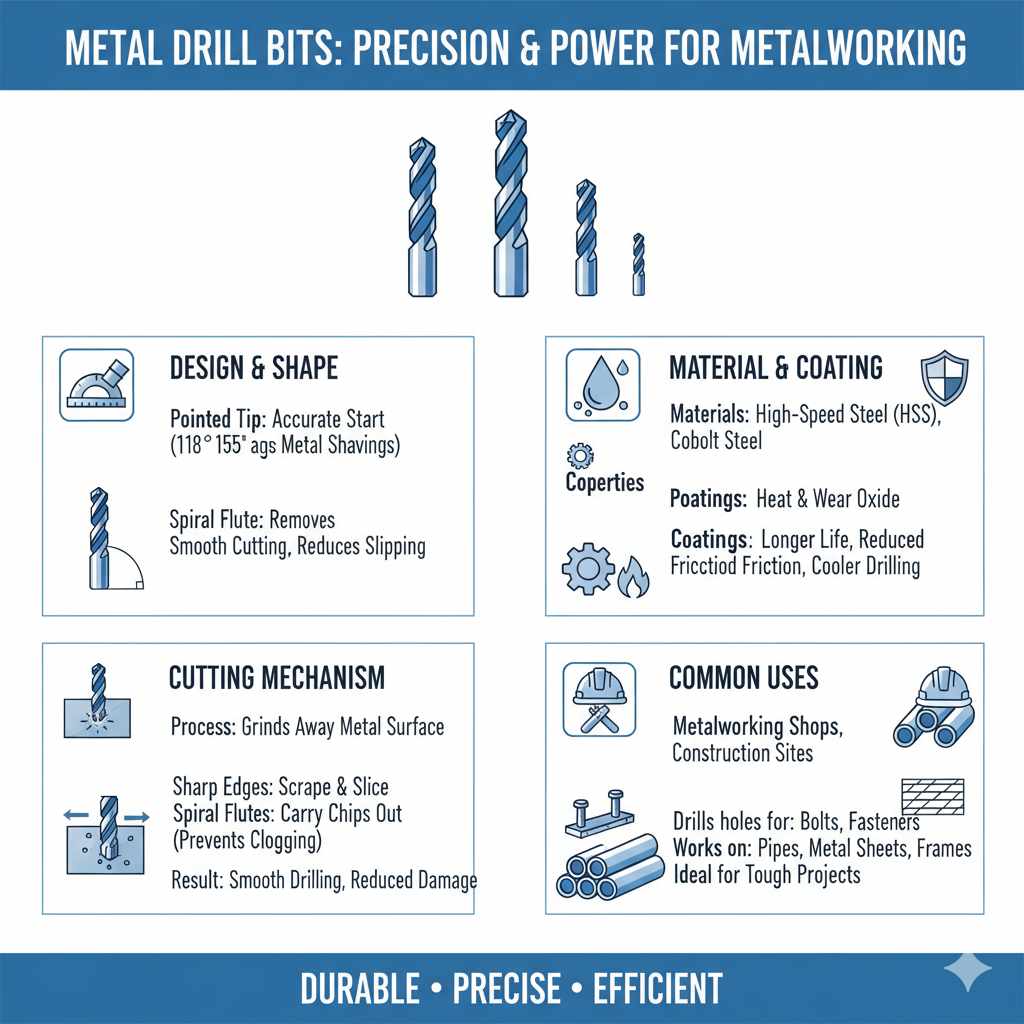
Metal drill bits are tools designed specifically to cut through hard materials like steel, aluminum, and other metals. They differ from wood drill bits in many ways. Metal bits need to be strong and durable to handle tough surfaces without breaking or dulling quickly.
Design And Shape
Metal drill bits usually have a pointed tip. This tip helps start the hole accurately. The shape often includes a spiral flute to remove metal shavings. The angle of the tip is sharper than wood bits, often around 118 to 135 degrees. This design helps the bit cut metal smoothly and reduces slipping.
Material And Coating
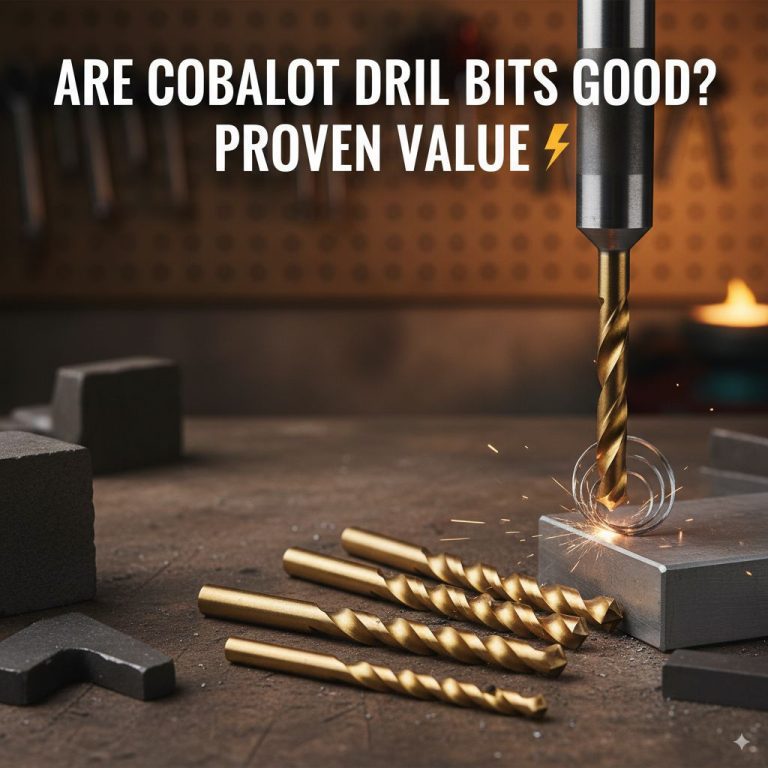
Metal drill bits are made from high-speed steel (HSS) or cobalt steel. These materials resist heat and wear during drilling. Many metal bits have coatings like titanium or black oxide. Coatings make the bits last longer and reduce friction. This means less heat and better performance.
Cutting Mechanism
Metal drill bits cut by grinding away the metal surface. The sharp edges on the tip scrape and slice through the metal. The spiral flutes carry the metal chips out of the hole. This prevents clogging and keeps drilling smooth. Proper cutting reduces damage to the bit and workpiece.
Common Uses
Metal drill bits are used in metalworking shops and construction sites. They drill holes for bolts, screws, and fasteners in metal parts. These bits also work on pipes, sheets, and metal frames. Their strength and precision make them ideal for tough projects.
Performance Comparison
Performance is key when choosing between wood and metal drill bits. Each type shows clear differences in speed, durability, and finish quality. Understanding these helps pick the right bit for your project.
Drilling Speed
Wood drill bits often work faster than metal bits. Wood is softer, so bits cut through easily. Metal bits cut slower to avoid overheating and damage. Speed depends on bit design and material hardness.
Durability And Wear
Metal drill bits last longer on hard materials. They are made to resist heat and wear. Wood bits wear out faster if used on metal. Using the wrong bit reduces its lifespan quickly.
Precision And Finish
Wood bits create cleaner holes with smooth edges. They often have special tips to prevent splintering. Metal bits need slower speeds for precise cuts. The finish on metal holes may need extra cleaning.
Choosing The Right Drill Bit
Choosing the right drill bit makes a big difference in your project’s success. Using the correct bit saves time and prevents damage. Wood and metal require different drill bits. Each type works best on certain materials and tasks. Understanding these differences helps you pick the perfect tool for your work.
Material Compatibility
Wood drill bits have sharp points to start holes easily. They clear wood chips fast. Metal drill bits are stronger and made for tough surfaces. They have a blunt tip to grind through metal without slipping. Using a wood bit on metal can dull it quickly. Using a metal bit on wood may cause splintering.
Project Requirements
Think about your project’s needs before choosing a bit. Wood projects often need clean, smooth holes. Metal projects require precise, strong holes. The drill bit’s shape and strength matter. Choose a bit that matches your project’s size and depth. This ensures better results and less effort.
Cost Considerations
Wood drill bits are usually less expensive than metal bits. Metal bits last longer because they are more durable. Buying cheap bits might cost more in the long run. Investing in good bits saves money by reducing replacements. Match your budget to the project’s demands for best value.
Maintenance Tips
Proper maintenance keeps wood and metal drill bits working well for longer. Caring for these tools helps avoid damage and saves money. Simple steps improve performance and safety.
Sharpening Techniques
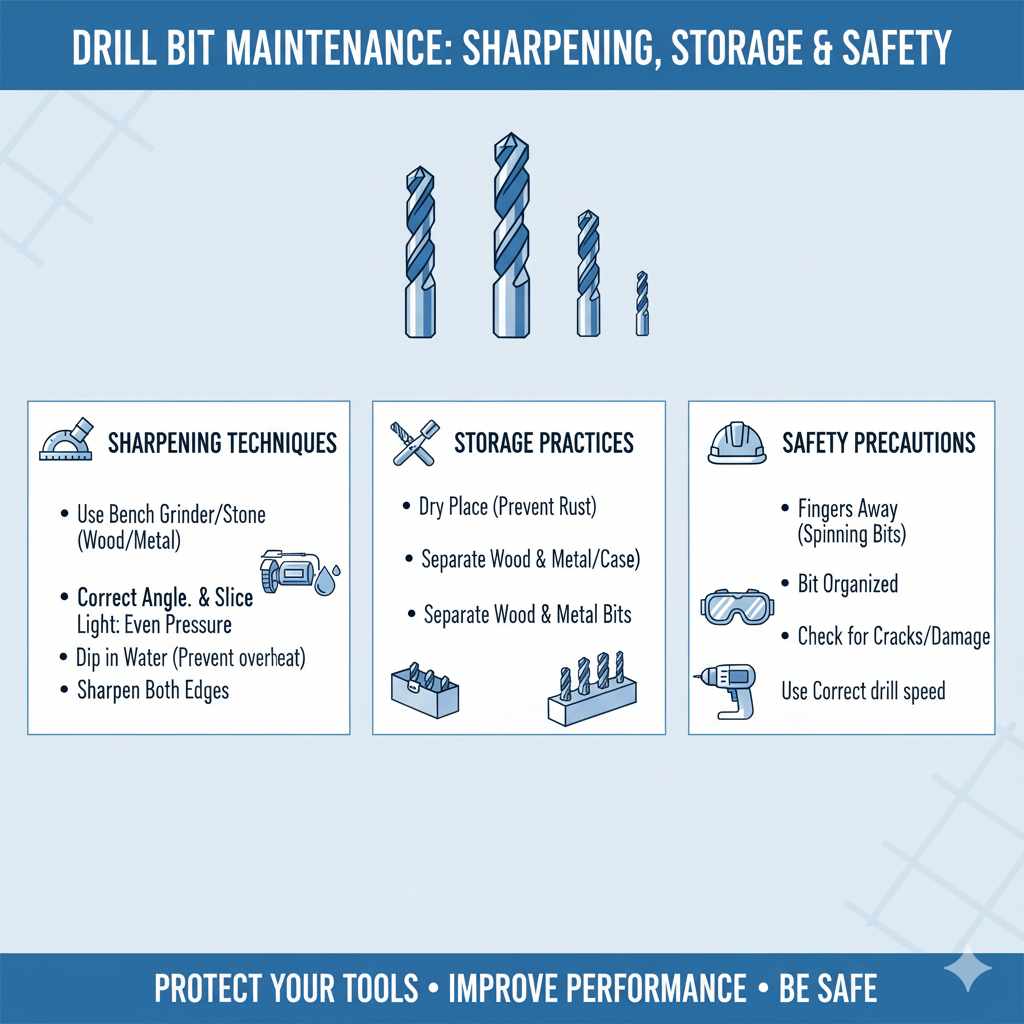
Use a bench grinder or sharpening stone to sharpen drill bits. Hold the bit at the correct angle for wood or metal. Light, even pressure works best. Avoid overheating the bit by dipping it in water. Sharpen both edges for a clean cut. Regular sharpening keeps bits sharp and efficient.
Storage Practices
Store drill bits in a dry place to prevent rust. Use a bit holder or case to keep them organized. Avoid mixing wood and metal bits to protect their edges. Label storage containers for easy access. Proper storage reduces wear and extends tool life.
Safety Precautions
Wear safety goggles when sharpening or using drill bits. Keep fingers away from spinning bits during use. Check bits for cracks or damage before drilling. Use the right drill speed for wood or metal. Proper safety prevents accidents and tool damage.
Frequently Asked Questions
What Is The Main Difference Between Wood And Metal Drill Bits?
Wood drill bits have a sharper point and wider flutes for chip removal. Metal drill bits are tougher, with a blunt tip and smaller flutes to handle harder surfaces.
Can I Use A Wood Drill Bit On Metal?
Using a wood drill bit on metal is not recommended. It can dull quickly and cause poor performance or damage.
Why Do Metal Drill Bits Have A Different Tip Angle?
Metal drill bits have a 135-degree tip angle for better penetration on hard surfaces. Wood bits usually have a 118-degree angle for cleaner holes in soft materials.
How Does Flute Design Differ In Wood And Metal Drill Bits?
Wood bits have wide, deep flutes to clear wood chips efficiently. Metal bits have narrower flutes to remove metal shavings and reduce heat buildup.
Conclusion
Wood drill bits and metal drill bits serve different purposes. Wood bits cut quickly and cleanly through soft material. Metal bits are stronger and designed to handle hard surfaces. Using the right bit saves time and prevents damage. Choose carefully to match your project needs.
This ensures better results and longer tool life. Understanding their differences helps you work smarter and safer. Simple tools, smart choices.