DIY Paint Remover: Effective Methods for a Clean Surface
Removing paint can be tricky and costly. Many people seek easy, affordable solutions.
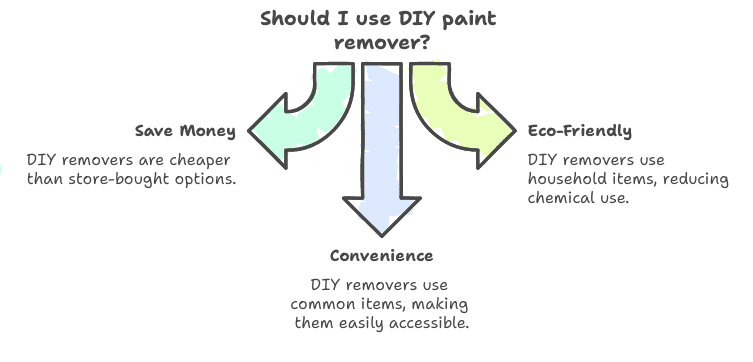
DIY paint removers offer a budget-friendly alternative to store-bought products. They can be made with common household items, which means less hassle and more savings. In this blog post, we’ll explore the benefits of making your own paint remover at home.
From saving money to using eco-friendly ingredients, there are many reasons to give DIY paint removers a try. You’ll learn how to create effective solutions without harmful chemicals. So, if you’re looking to tackle a paint project, stay tuned. Let’s dive into the world of DIY paint removers and discover how simple it can be to achieve great results.
Introduction To DIY Paint Remover
DIY paint remover methods are handy and cost-effective. You can use items from your home. These methods are usually safe. They avoid harsh chemicals. You have more control over the process. This can be fun and satisfying. You can work at your own pace. No need for special tools or skills. Just follow simple steps.
DIY paint removers are often cheaper. They use common items. This makes them easy to find. They are safer for you and the environment. No need to worry about strong fumes. You can avoid damage to the surface. This is because you control the pressure and method. You can reuse old furniture. Give it a new life.
Removing paint can be messy. It takes time and patience. Sometimes, paint does not come off easily. You may need to repeat steps. Some surfaces are delicate. You need to be careful not to damage them. DIY methods might not work on all types of paint. Testing a small area first can help.
Credit: homeworkspainting.com
Safety Precautions
Always wear gloves and goggles when using DIY paint remover. Ensure the area is well-ventilated to avoid inhaling fumes.
Protective Gear
Always wear protective gear to stay safe. Use gloves to protect your hands. Wear goggles to keep your eyes safe. A mask is important to avoid breathing in fumes. Long sleeves and pants protect your skin. Closed-toe shoes keep your feet safe. Safety first!
Proper Ventilation
Proper ventilation is crucial. Open all windows and doors. Use a fan to move air around. Work outside if possible. Avoid small, enclosed spaces. Good airflow reduces fume buildup. Safety matters.
Essential Tools And Materials
Gather some basic supplies first. You will need sandpaper. It helps to rub off paint layers. Old cloths are useful too. They clean up spills. Plastic sheets protect floors. Painter’s tape keeps areas safe. Do not forget gloves. They keep hands clean.
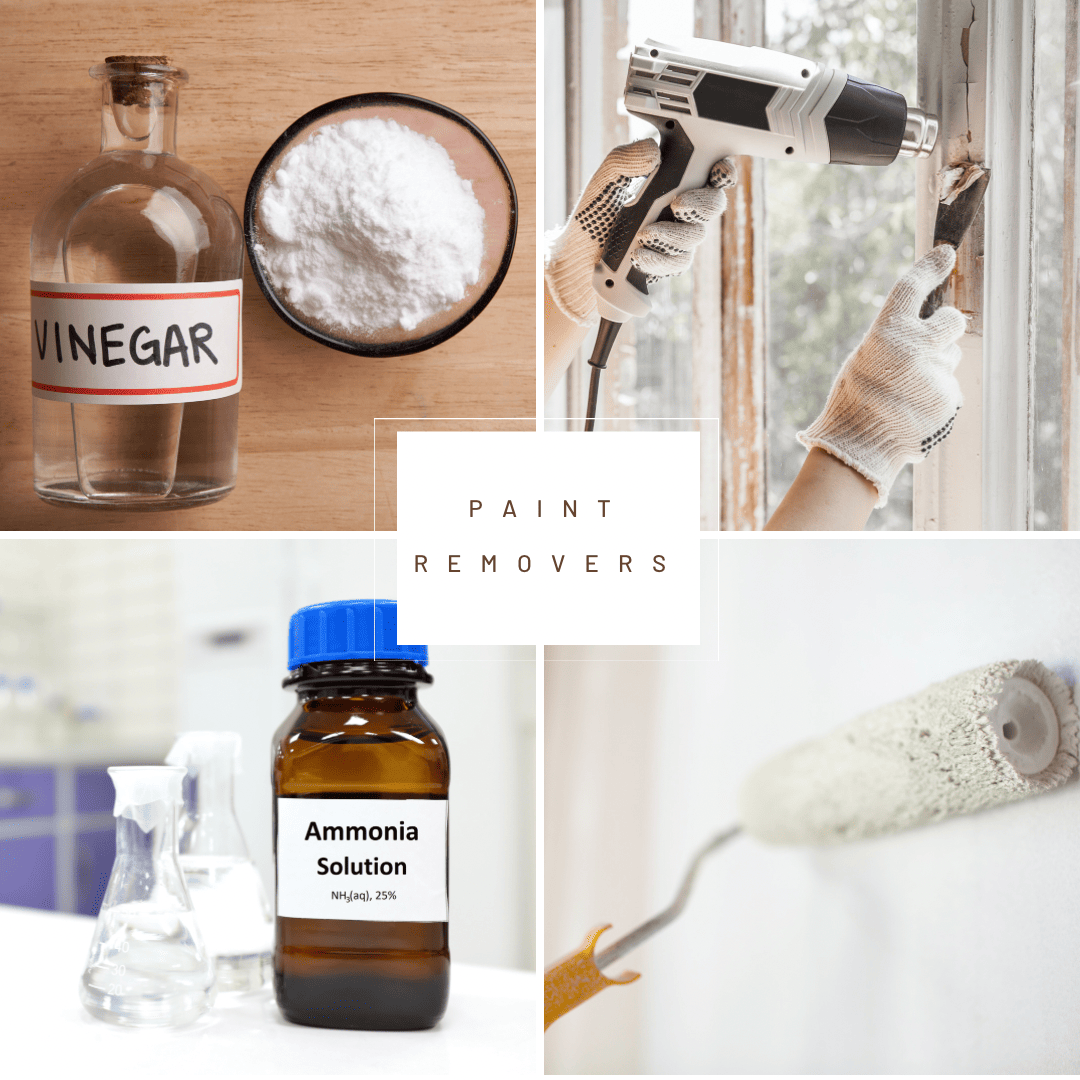
Some projects need special tools. Heat guns help remove tough paint. They soften paint quickly. Scrapers are good for peeling paint. Choose one with a strong blade. Chemical paint strippers work well. Follow instructions on the label. Respirators protect you from fumes. Always wear safety gear.
Chemical Paint Removers
There are different types of chemical paint removers. Solvent-based removers work fast. Caustic-based removers are strong and can remove many layers. Bio-based removers are safer for the environment. Each type has its own use.
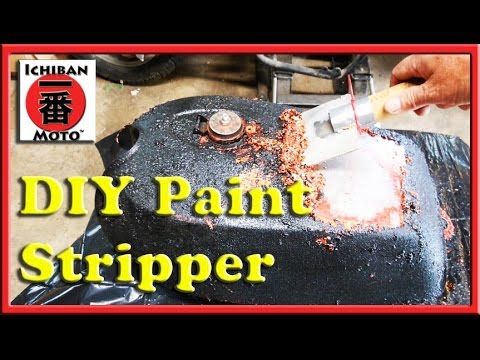
Apply the remover with a brush or a roller. Wait for the paint to bubble up. Use a scraper to take off the loose paint. Rinse the surface with water. Dry the surface before painting again.
Natural Paint Removal Methods
Vinegar and baking soda work well for removing paint. First, heat some vinegar until it is warm. Then, apply the warm vinegar to the painted area. Let it sit for a few minutes. The paint should start to loosen. Next, mix baking soda with water to make a paste. Use this paste to scrub the paint. The combination of vinegar and baking soda breaks down the paint.
Citrus-based solutions are another natural choice. These solutions contain citrus oils that help to remove paint. Apply the citrus-based solution to the paint. Let it sit for a few minutes. Then, use a cloth to wipe away the paint. The citrus oils make the paint soft and easy to remove. Always test on a small area first.
Credit: www.youtube.com
Mechanical Paint Removal
Sanding is a great way to remove paint. It involves rubbing sandpaper on the surface. This action removes layers of paint. Use different grits of sandpaper for best results. Start with coarse sandpaper to remove thick paint. Then, use finer sandpaper to smooth the surface. Always sand in the direction of the grain. This prevents scratches. Be sure to wear a mask. Sanding creates dust. This dust can be harmful.
Scraping is another method to remove paint. Use a paint scraper or putty knife. Scrape off the paint in small sections. Apply steady pressure for best results. Be careful not to gouge the surface. Scraping works well on flat surfaces. It is less effective on detailed areas. For those spots, use a smaller tool. Always wear safety glasses. Scraping can cause paint chips to fly off. Keep your workspace clean. This helps you see your progress better.
Heat-based Paint Removal
Heat guns can help remove paint. They blow hot air. This softens the paint. Then, you can scrape it off. Use a scraper or putty knife. Be careful with heat guns. They get very hot. Always wear gloves. Keep kids and pets away. Heat guns work on wood, metal, and bricks. Avoid using on plastic. It can melt.
Infrared devices use infrared rays. These rays heat the paint. The paint becomes soft. You can then scrape it off. Infrared devices are safer than heat guns. They do not get as hot. No risk of fire. Good for large areas. They work on all surfaces. Always wear safety glasses. Protect your hands with gloves.
Finishing The Surface
After removing the paint, the surface may have some residues. Use a damp cloth to clean these. Ensure all residue is gone for a clean surface. For tough spots, use a soft brush. Avoid using harsh chemicals as they might damage the surface.
Before repainting, the surface must be smooth and clean. Sand the area to remove any rough spots. This helps the new paint to stick better. Clean the dust with a dry cloth. A good prep makes the paint job look professional. Always check for holes or cracks and fill them.
Tips For Effective Paint Removal
Always start by testing on a small area. This helps you see if the paint remover works well without causing damage. Use a small brush or cloth to apply the remover. Wait for a few minutes. Then, gently scrub the area with a soft brush. Look closely to see if the paint comes off easily. If the surface is not damaged, you can proceed with the larger area. Testing first saves you from big mistakes.
Stubborn paint can be tricky. Sometimes, multiple applications are needed. Apply the paint remover and wait for a while. Use a scraper to remove the paint. If the paint doesn’t come off, apply more remover. Wait again and scrape. For very stubborn spots, use a fine sandpaper. Be gentle to avoid damaging the surface. Sometimes, a heat gun can help loosen tough paint. Be careful not to overheat the area.

Credit: www.aeropakproducts.com
Frequently Asked Questions
What Household Items Can Remove Paint?
Vinegar, baking soda, and rubbing alcohol can remove paint. Use a scraper or cloth for better results.
What Is The Easiest Way To Remove Paint Fast?
Use a paint stripper or heat gun to remove paint quickly. Scrape off softened paint with a putty knife.
Will Vinegar And Baking Soda Remove Paint From Wood?
Vinegar and baking soda can help loosen paint from wood. This method may require multiple applications and scrubbing. For best results, consider using commercial paint removers.
Why Does Baking Soda Remove Paint?
Baking soda removes paint due to its mild abrasive nature. It effectively breaks down paint particles without damaging surfaces.
Conclusion
Removing paint on your own can be simple and effective. DIY paint removers save money and reduce exposure to harsh chemicals. Always follow safety guidelines and test on a small area first. With patience and the right approach, you can achieve clean, paint-free surfaces.
Start your next project with confidence and enjoy the results of your hard work. Remember, practice makes perfect. Happy painting!