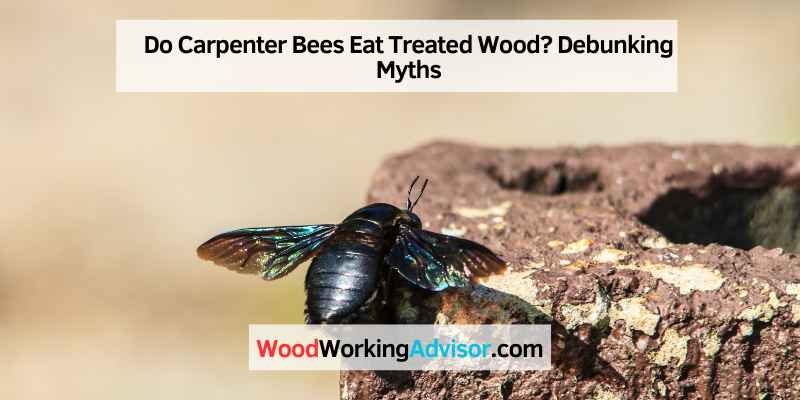
Do Carpenter Bees Eat Treated Wood? Debunking Myths
Carpenter bees do not eat treated wood; they only bore holes into it to lay eggs. Treated wood contains chemicals that repel carpenter bees, making it harder for them to drill through or chew on the wood.
Despite their name, carpenter bees do not eat wood. They bore holes into wood to create nests for their larvae, but they do not consume the wood as a food source. Treated wood, which contains chemicals that repel insects, is less attractive to carpenter bees for nesting and feeding.
If you have concerns about carpenter bees infesting your wood, treating it with appropriate chemicals can help deter them.
Carpenter Bees And Treated Wood: An Introduction
Carpenter bees are often associated with damage to wooden structures, leading to misconceptions about their behavior, especially in relation to treated wood. Understanding the relationship between carpenter bees and treated wood is crucial for effective pest management and preserving wooden structures.
The Common Misconception
There is a common misconception that carpenter bees consume treated wood, posing a threat to structures treated with preservatives. However, this is not the case, as carpenter bees do not feed on wood. Instead, they drill into the wood to create galleries for nesting and reproduction.
Carpenter Bees Defined
Carpenter bees, scientifically known as Xylocopa, are large, robust bees that are often mistaken for bumblebees due to their similar appearance. These solitary bees are known for their habit of boring into wood to create nests, making them a concern for homeowners and property managers.
The Diet Of Carpenter Bees
Carpenter bees are commonly associated with wood, but do they actually eat it? Let’s explore the diet of these fascinating insects.
Why They Don’t Actually Eat Wood
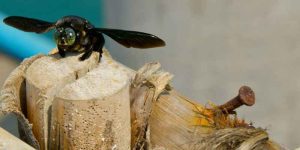
Carpenter bees do not consume wood; instead, they bore holes into it to create nests for their eggs. They use their mandibles to excavate the wood, but they do not ingest it.
What Attracts Them To Wood
Carpenter bees are attracted to unpainted, untreated wood. They prefer softwoods like cedar, pine, and cypress for nesting. The bees are drawn to the wood’s natural scent and texture for their reproductive activities.
The Impact Of Treated Wood
Carpenter bees do not eat treated wood; they bore into it to create nests. Pressure-treated wood can deter these bees, but they may still target untreated or unpainted wood for nesting. It’s important to protect your home from carpenter bee damage by using paint or varnish as a deterrent.
Does Treatment Deter Bees?
One of the most common questions people ask about carpenter bees is whether or not wood treatment deters them. The answer is yes and no. While pressure-treated wood is generally well protected against decay fungi and most insects that eat wood, it does not deter carpenter bees. These bees can still bore into pressure-treated wood and lay their eggs inside. However, some treatments, such as painting or varnishing the wood, can deter carpenter bees as they prefer untreated, unpainted wood.
Types Of Wood Treatments
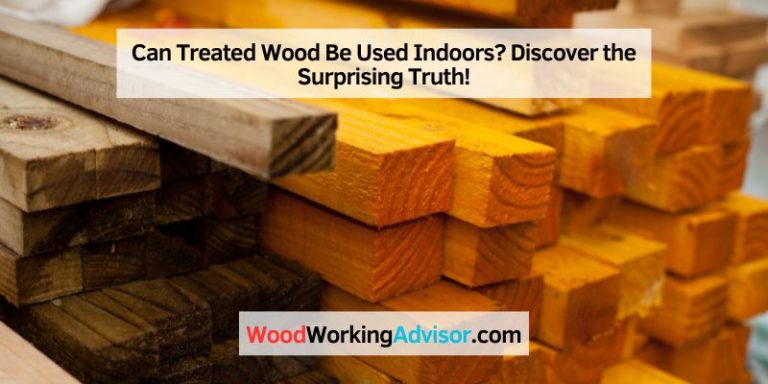
There are several types of wood treatments available, each with their own advantages and disadvantages. Some common treatments include:
| Treatment Type | Description |
|---|---|
| Pressure Treatment | This involves placing the wood in a vacuum chamber and forcing a preservative into the wood under high pressure. This type of treatment is effective against decay fungi and most insects that eat wood, but not carpenter bees. |
| Borate Treatment | Borate treatments are effective against decay fungi and most insects that eat wood, including carpenter bees. However, they are not effective against termites and may require reapplication over time. |
| Copper Naphthenate | This type of treatment is effective against decay fungi and most insects that eat wood, including carpenter bees. However, it can be expensive and may require reapplication over time. |
It is important to note that while these treatments may deter carpenter bees, they are not foolproof. If you suspect you have a carpenter bee infestation, it is best to consult a professional for effective removal and prevention.
Preferred Woods For Carpenter Bees
Carpenter bees are notorious for their ability to cause damage to wooden structures. While they do not actually consume the wood, they bore into it to create tunnels for nesting. However, not all types of wood are equally attractive to these bees. Understanding the preferred woods for carpenter bees can help you take appropriate measures to protect your property.
Softwoods Vs Hardwoods
When it comes to carpenter bee preferences, softwoods such as cedar, redwood, and cypress are their top choices. These woods are relatively easier for the bees to bore into due to their softer composition. However, this doesn’t mean that hardwoods are completely safe from carpenter bee infestations. They can still target hardwoods like pine and other species of wood if suitable softwoods are not available.
Natural Resistance Of Certain Woods
It’s worth noting that certain types of wood have natural characteristics that make them less appealing to carpenter bees. One such example is black locust, known for its hardness, strength, and insect-resistant properties. Carpenter bees are less likely to target black locust, making it a good choice for outdoor structures that are at risk of infestation.
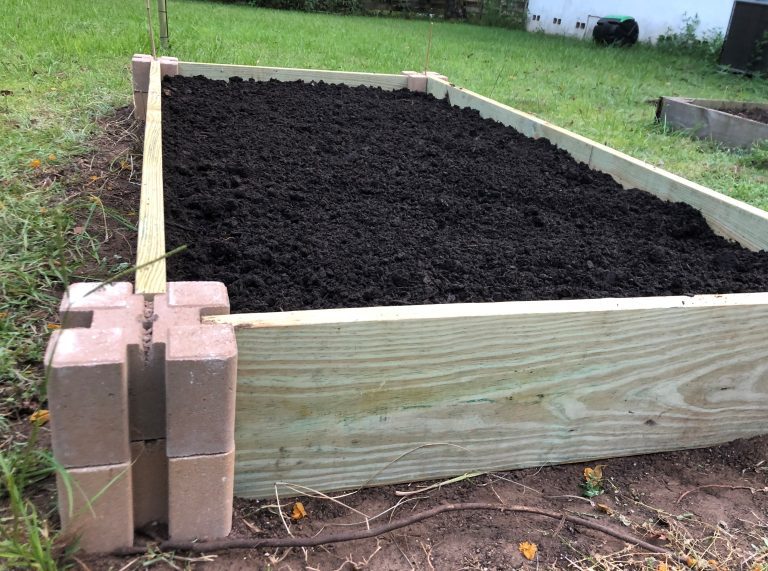
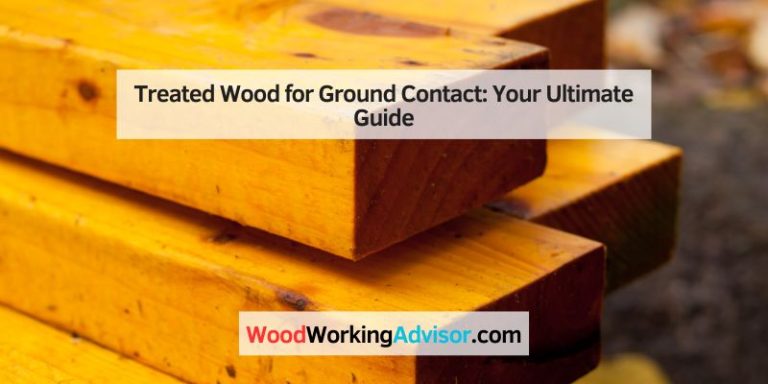
Another option is to choose pressure-treated wood, which has been chemically treated to resist decay fungi and insects. While pressure-treated wood can provide some level of protection against carpenter bees, it is not foolproof. The bees can still bore into the treated wood, especially if they cannot find their preferred softwoods.
To further deter carpenter bees, painting or varnishing the wood surfaces can be effective. The bees are less likely to drill into treated or painted wood, as these coatings create a barrier that discourages nesting.
In addition to choosing the right type of wood, it’s important to regularly inspect wooden structures for any signs of carpenter bee activity. Early detection and prompt action can help prevent significant damage.
Overall, understanding the preferred woods for carpenter bees and taking appropriate preventive measures can go a long way in protecting your property from these destructive pests.
Misunderstandings About Carpenter Bees And Treated Wood
When it comes to carpenter bees and treated wood, there are several common misunderstandings that need to be addressed. Many people believe that carpenter bees do not eat treated wood, or that the chemicals in treated wood deter them from boring into it. However, these beliefs are actually misconceptions.
Debunking Common Myths
One common myth is that carpenter bees do not nest in treated wood. The reality is that carpenter bees can bore into any type of wood, whether it is treated or untreated. The chemicals used in treated wood are primarily designed to protect against decay fungi and some insects that eat wood, but they do not deter carpenter bees.
Another myth is that carpenter bees do not eat wood. While it is true that carpenter bees do not consume the wood for nutrition, they do chew and manipulate the wood with their mandibles to create nesting sites. They then discard the chewed wood particles, which can often be found near their nesting areas.
Real Reasons Behind Wood Boring
The primary reason carpenter bees bore into wood is for nesting purposes. Female carpenter bees create tunnels within the wood to lay their eggs and provide shelter for their offspring. These tunnels can cause structural damage to wooden structures over time, making it important to address carpenter bee infestations promptly.
Carpenter bees are attracted to untreated, unpainted wood because it is softer and easier for them to excavate. However, this does not mean they will not target treated wood. If untreated wood is not available, carpenter bees will still bore into treated wood if it meets their requirements for nesting.
To protect your wood from carpenter bees, it is recommended to paint or varnish the surfaces. This acts as a deterrent by making the wood less appealing for nesting. Regular maintenance and inspections are also crucial in identifying and addressing carpenter bee activity before it causes significant damage.
Remember, while treated wood may provide some level of protection against other wood-eating insects, it does not guarantee immunity from carpenter bees. Taking proactive measures to deter carpenter bees and promptly addressing any infestations can help preserve the integrity of your wooden structures.
Preventive Measures Against Carpenter Bees
When it comes to preventing carpenter bees from causing damage to your wooden structures, taking proactive measures is crucial. By implementing effective preventive strategies, you can safeguard your property from the destructive activities of these wood-boring insects. One of the key aspects of preventing carpenter bee infestations is to understand the preventive measures and treatments that can be employed to deter these pests from targeting wood.
Effective Wood Treatments
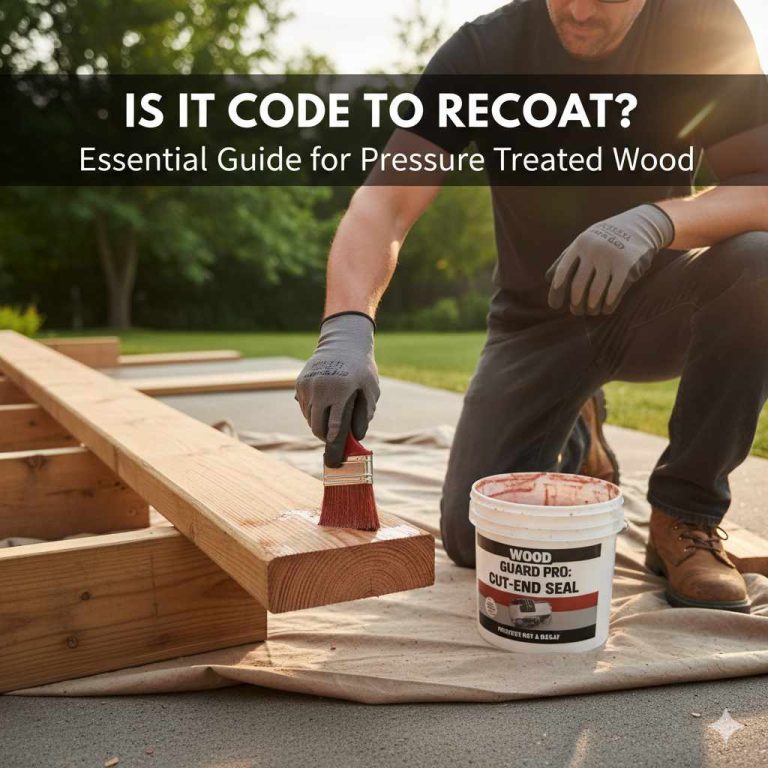
Utilizing effective wood treatments is a proactive approach to protect your wooden structures from carpenter bee infestations. Pressure-treated wood, which is impregnated with chemicals to resist decay and insect damage, is a viable option to deter carpenter bees. The treatment process involves subjecting the wood to high-pressure injections of preservatives, effectively enhancing its resistance to carpenter bees and other wood-boring pests.
Alternative Strategies
In addition to wood treatments, there are alternative strategies that can be employed to prevent carpenter bee infestations. Applying paint, varnish, or sealants to wooden surfaces acts as a deterrent for carpenter bees, making the wood less appealing for nesting and egg-laying. Moreover, using insecticidal dust and spray insecticides can provide long-term protection against carpenter bees, preventing infestations and inhibiting larvae reproduction.
The Role Of Chemicals In Repelling Carpenter Bees
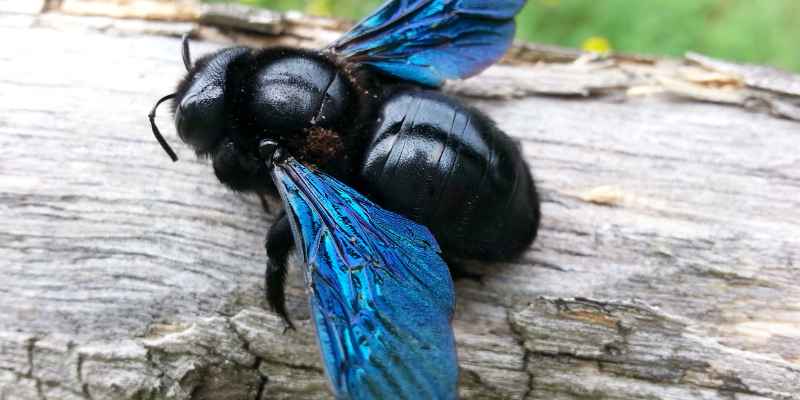
Carpenter bees do not eat treated wood, but they can still bore into it to lay eggs. To repel them, use paint or varnish as a deterrent. Using insecticides in early spring and throughout summer can also prevent infestations and protect the wood.
Chemicals play a crucial role in deterring carpenter bees from infesting and damaging wood structures. These bees are attracted to untreated, unpainted wood for nesting and reproduction. However, the use of certain chemicals can effectively repel them and protect the wood.
How Chemicals Affect Bees
Chemicals such as paint and varnish act as barriers that discourage carpenter bees from drilling into wood. They disrupt the bees’ nesting instincts and prevent them from laying eggs within the wood. Additionally, insecticides can be applied to the wood surface to deter carpenter bees from burrowing into it.
Safer Alternatives For Bee Deterrence
Instead of relying solely on chemical treatments, there are safer alternatives for deterring carpenter bees. Using insecticidal dust or natural repellents can be effective in preventing bee infestations without posing harm to the environment or other beneficial insects. Regular maintenance and inspection of wood structures can also help in early detection and prevention of carpenter bee damage.
In summary, by understanding how chemicals impact carpenter bees and exploring safer alternatives for bee deterrence, homeowners can effectively protect their wood structures from these destructive insects.
Conclusion: The Truth About Carpenter Bees And Treated Wood
Carpenter bees do not eat treated wood; they bore holes to lay eggs. They prefer untreated, unpainted wood. To protect wood from these bees, paint or varnish the surface to deter them from drilling. Additionally, applying insecticide in early spring can prevent infestation and treat regularly throughout the summer.
Summary Of Findings
Carpenter bees do not eat treated wood; they bore into it to create nests. Pressure-treated wood can deter bees due to chemicals in the wood.
Final Thoughts On Bee Prevention
To prevent carpenter bee infestations, consider painting or varnishing wood, using insecticides, or opting for naturally resistant woods like Black Locust.
Frequently Asked Questions
How Do You Protect Pressure Treated Wood From Carpenter Bees?
To protect pressure treated wood from carpenter bees, paint or varnish the wood surface. Carpenter bees prefer untreated and unpainted wood, so the added layer of protection will deter them from drilling into your home. Additionally, you can spray insecticide in early spring to prevent infestation and treat regularly throughout the summer.
Do Carpenter Bees Nest In Treated Wood?
Carpenter bees do not nest in treated wood. They prefer untreated, unpainted wood for nesting. Painting or varnishing the wood can deter them from drilling into your home. Treated wood, like varnished wood, contains chemicals that repel carpenter bees, making it harder for them to chew or drill through.
What Wood Do Carpenter Bees Not Eat?
Carpenter bees do not prefer Black Locust wood as it is one of the hardest, strongest, and most insect-resistant woods on Earth. Its natural characteristics make it impervious to Carpenter Bees, even without insecticides.
How Do You Stop Carpenter Bees From Eating Your Wood?
To prevent carpenter bees from damaging wood, paint or varnish the surface to deter them from nesting. Regularly apply insecticide early in spring and throughout summer to protect the wood.
Conclusion
To sum up, carpenter bees can bore holes in treated wood, but they do not eat it. They only use it as a nesting site. To prevent carpenter bees from infesting your treated wood, you can use varnish or paint to repel them.
Alternatively, you can use insecticides to kill them and prevent further infestation. Knowing these facts about carpenter bees and treated wood can help you protect your property from damage caused by these pests.