Do Creosote Logs Work in Wood Stoves? Unveil the Truth!
Creosote logs can help loosen creosote in wood stoves, but they don’t eliminate it entirely. While they may be beneficial, professional cleaning is still necessary to remove the loosened creosote effectively.
Wood stoves are a popular choice for heating homes, but they can also lead to the buildup of creosote in the chimney. Creosote logs are often used to mitigate this issue, but do they really work? We will explore the effectiveness of creosote logs in wood stoves and discuss their safety and potential drawbacks.
Understanding the role of creosote logs in maintaining a clean and safe wood stove is essential for any homeowner using this heating method. Let’s delve into the details to determine whether creosote logs are a worthwhile addition to your wood stove maintenance routine.
Introduction To Creosote Logs
Creosote logs are designed to help reduce and remove creosote buildup in wood stoves and fireplaces, minimizing the risk of chimney fires. Understanding the role of creosote logs in wood stoves is essential for maintaining a safe and efficient heating system.
What Are Creosote Logs?
Creosote logs, also known as creosote sweeping logs, are chemical products that are burned in wood stoves and fireplaces to break down and reduce the buildup of creosote. They are formulated to transform the sticky, tar-like creosote into a loose, powdery form, making it easier to clean and reducing the risk of chimney fires.
The Role Of Creosote Logs In Wood Stoves
When creosote logs are burned, the active ingredients release into the chimney, where they react with the creosote buildup, causing it to dry out and flake off. This process helps to prevent the creosote from accumulating and hardening inside the chimney, reducing the potential for chimney fires. It is important to note that while creosote logs can help reduce creosote buildup, they are not a substitute for professional chimney maintenance and cleaning.
How Creosote Logs Work
Creosote logs work by releasing special additives that help break down the creosote buildup inside your wood stove chimney.
The Science Behind Creosote Logs
- Special additives break down creosote buildup.
- Heat-activated chemicals aid in creosote removal.
Creosote Logs In Action
- When burned, logs release active ingredients.
- Active ingredients help reduce creosote buildup.
Benefits Of Using Creosote Logs
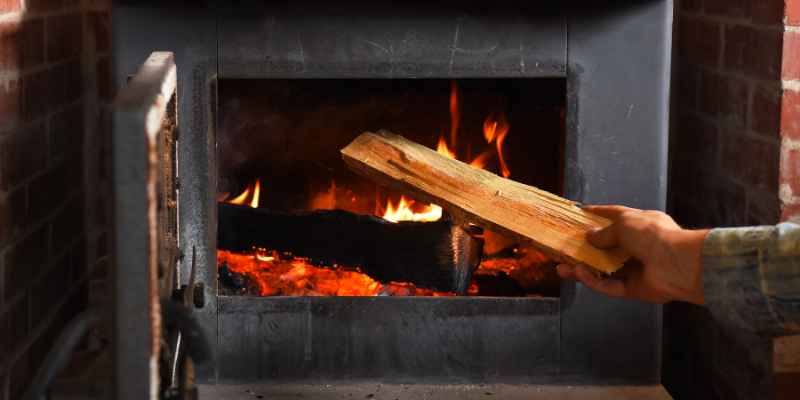
Utilizing Creosote Logs in wood stoves can help break down creosote buildup, reducing the risk of chimney fires. While they aid in maintenance, professional cleaning is still necessary for thorough removal. Regular use can enhance safety and efficiency of your wood stove.
Creosote buildup is a common problem that can result from burning wood in a stove or fireplace. However, using creosote logs can help reduce this buildup and enhance chimney safety. Let’s explore the benefits of using creosote logs in more detail.
Reducing Creosote Buildup
Creosote logs contain special additives that help break down and loosen creosote buildup in your chimney. As the log burns, the additives are released into the flue, where they react with the creosote to make it easier to remove. This can help reduce the risk of chimney fires and improve the efficiency of your stove or fireplace.
Enhancing Chimney Safety
By reducing creosote buildup, creosote logs can also help enhance chimney safety. When creosote builds up in your chimney, it can create a blockage that prevents smoke and gases from escaping. This can increase the risk of carbon monoxide poisoning and chimney fires. Using creosote logs regularly can help prevent these problems and ensure that your chimney is functioning safely and efficiently.
In conclusion, using creosote logs in your wood stove or fireplace can provide numerous benefits. Not only can they help reduce creosote buildup, but they can also enhance chimney safety and improve the performance of your heating system. It is important to remember, however, that creosote logs are not a substitute for regular chimney maintenance and cleaning. If you have any concerns about the safety or performance of your chimney, it is always best to consult a professional.
Limitations And Considerations
While creosote logs can be effective in reducing the buildup of creosote in wood stoves, it is important to understand their limitations and consider certain factors before using them as a solution. This section will discuss the key considerations and limitations associated with the use of creosote logs in wood stoves.
Not A Complete Solution
It is essential to note that creosote logs are not a complete solution for addressing creosote buildup in wood stoves. While these logs can help loosen the creosote, they do not eliminate it entirely. To ensure optimal safety and performance, it is recommended to still seek professional assistance for thorough chimney cleaning and inspection.
Frequency Of Use
The frequency of using creosote logs in wood stoves should be carefully considered. Burning these logs too frequently or in combination with other fuels like coal or wood pellets can increase the risk of chimney fires. Additionally, excessive use of creosote logs can lead to the accumulation of ash in the flue, potentially causing dangerous blockages and reducing ventilation. It is crucial to follow the manufacturer’s instructions and guidelines regarding the proper usage and frequency of creosote logs.
Overall, while creosote logs can provide some benefits in reducing creosote buildup in wood stoves, they should not be solely relied upon as a comprehensive solution. Regular professional chimney maintenance, including sweeping and inspection, remains crucial to ensure the safety and efficiency of wood stoves. It is advisable to consult with a chimney professional for personalized guidance based on your specific wood stove setup and usage.
Safety Concerns And Risks
When it comes to using creosote logs in wood stoves, it is important to be aware of the safety concerns and risks involved. While these logs can be effective in reducing creosote buildup, improper usage can potentially increase the risk of fire hazards. Understanding the potential risks and following proper usage guidelines is crucial for maintaining a safe and efficient wood stove.
Potential For Increased Fire Hazard
While creosote logs can help loosen creosote buildup in your wood stove, it is important to note that they do not eliminate it entirely. The flaked creosote in your firebox will still need to be swept up and carefully removed after burning a creosote log. Failure to do so can lead to an increased risk of chimney fires.
Proper Usage Guidelines:
- Only use creosote logs that are specifically designed for use in wood stoves.
- Follow the manufacturer’s instructions carefully, including the recommended frequency of use.
- Ensure proper ventilation in your wood stove to prevent the accumulation of ash and blockages in the flue.
- Do not burn creosote logs in combination with other fuels such as coal or wood pellets.
- Regularly inspect and clean your wood stove and chimney to remove any remaining creosote buildup.
By following these guidelines, you can minimize the potential fire hazards associated with using creosote logs in wood stoves.
In conclusion, while creosote logs can be a helpful tool in reducing creosote buildup in wood stoves, it is important to use them correctly and understand the potential risks involved. Regular maintenance, proper ventilation, and adherence to usage guidelines are essential for ensuring the safety and efficiency of your wood stove.
Professional Insight
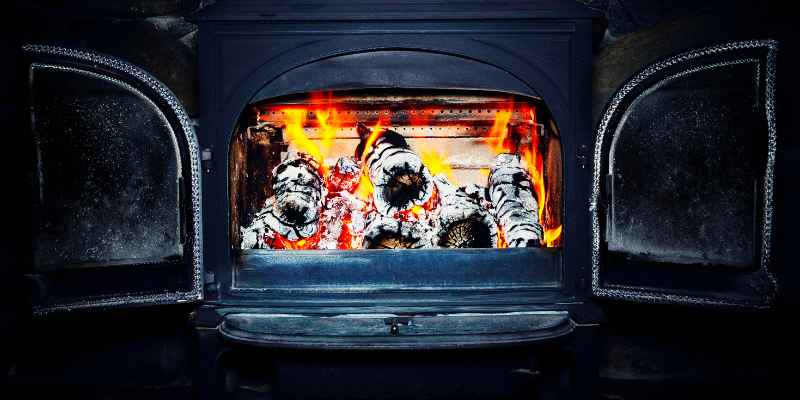
Professional insight indicates that while creosote logs can help loosen creosote, they do not eliminate it entirely. It is crucial to have a chimney professional inspect and clean the system for complete removal. Regular use of creosote logs in wood stoves can pose a risk of chimney fires if not used cautiously.
Expert Opinions On Creosote Logs
Creosote logs are designed to help reduce and remove the buildup of creosote in wood stoves and fireplaces. Creosote is a highly flammable substance that can accumulate in chimneys and poses a serious fire hazard if not properly managed. Professional chimney sweeps and experts weigh in on the effectiveness of creosote logs in addressing this issue.
Why Professional Chimney Cleaning Is Necessary
Professional chimney cleaning is essential to ensure the safe and efficient operation of wood stoves and fireplaces. While creosote logs can aid in reducing creosote buildup, they are not a substitute for thorough chimney maintenance by a certified professional. Regular chimney inspections and cleanings are crucial to prevent chimney fires and maintain indoor air quality.
Consumer Experiences
Consumer experiences with creosote logs in wood stoves vary widely. Let’s explore some firsthand accounts:
Success Stories
- Users reported reduced creosote buildup after regular use.
- Chimney inspections showed cleaner flues and improved airflow.
- Some users found creosote logs effective in preventing chimney fires.
Challenges Faced By Users
- Some users noted that creosote logs didn’t completely eliminate creosote.
- Excessive use of logs can lead to ash buildup and ventilation issues.
- Professional chimney sweeping is still recommended for thorough cleaning.
Final Verdict: Do Creosote Logs Work?
Creosote logs can help in reducing creosote buildup in wood stoves.
However, they may not completely eliminate creosote.
It is important to use them as a preventive measure alongside regular chimney cleaning.
- Use creosote logs as part of a maintenance plan, not as a sole solution.
- Follow manufacturer instructions for safe and effective use.
- Regularly inspect and clean your chimney to ensure safety.
Frequently Asked Questions
Can You Use A Creosote Log In A Wood Stove?
Yes, you can use a creosote log in a wood stove. It helps loosen creosote, but professional cleaning is still needed.
Do Creosote Sweeping Logs Actually Work?
Creosote sweeping logs can loosen creosote, but they don’t eliminate it completely. Professional cleaning is still necessary to remove the flaked creosote. Burning a creosote sweeping log in a wood stove or fireplace insert can help reduce creosote buildup. However, using too many logs or combining them with other fuels can increase the risk of chimney fires and blockages.
It’s important to follow the manufacturer’s instructions and not use them with certain appliances.
How Often Should You Burn A Creosote Log In A Wood Stove?
Creosote logs should be burned in a wood stove every 40 to 60 fires to help reduce creosote buildup. However, it is important to note that burning creosote logs alone will not completely eliminate creosote, and regular professional chimney cleaning is still necessary.
Using too many creosote logs or combining them with other fuels can increase the risk of chimney fires and blockages.
Can You Burn Too Many Creosote Logs?
Burning too many creosote logs can increase the risk of chimney fires and cause dangerous blockages in the flue due to ash buildup. While creosote logs can loosen creosote, they do not eliminate it completely, and professional cleaning may still be necessary.
It is important to follow the instructions and not use them with other fuels such as coal or wood pellets.
Conclusion
While creosote logs can help to loosen creosote in your wood stove, they do not completely eliminate it. It is still necessary to have a professional chimney sweep clean your system to ensure that all flaked creosote is removed. Additionally, it is important to use creosote logs correctly and not rely solely on them for chimney maintenance.
By properly using creosote logs and scheduling regular professional cleanings, you can help maintain a safe and efficient wood stove.