Do Gas Fireplaces Burn Wood? Understanding Fuel Types
If you’re wondering, Do Gas Fireplaces Burn Wood?, you’re not alone! It’s a common question, especially for those new to fireplaces. The answer isn’t always simple, and it’s easy to get confused. But don’t worry, we’ll break it down in a way that’s easy to grasp. We’ll explore the differences between gas and wood fireplaces, their fuel types, and how to stay safe. Get ready for a simple, step-by-step exploration of everything you need to know. Next, let’s explore fuel options.
Fueling Your Fireplace: Gas Versus Wood
The first step to answering, “Do Gas Fi
Gas Fireplaces: The Convenience of Clean Burning
Gas fi
- Easy Operation: Gas fireplaces are known for their ease of use. No chopping wood, no kindling, just a simple on/off switch or remote control.
- Clean Burning: Compared to wood, gas burns more cleanly, producing fewer pollutants and reducing the need for frequent chimney cleaning.
- Consistent Heat: Gas fireplaces often provide a more consistent heat output than wood-burning ones, which can fluctuate depending on the wood type and how it burns.
- Variety of Designs: Gas fireplaces come in many styles, from traditional to modern, allowing you to choose one that fits your home’s decor.
- Efficiency: Many gas fireplaces are designed to be energy-efficient, converting a high percentage of the fuel into heat for your home.
One common type of gas fireplace utilizes a pilot light. This small, continuous flame keeps the gas flowing, so the fireplace can ignite quickly. Modern gas fireplaces may use an electronic ignition system, increasing efficiency and eliminating the pilot light’s energy consumption. When it comes to cost, gas fireplaces can have varying operating expenses. The price depends on gas rates in your area. They also have installation costs, which depend on the unit and existing setup. However, the convenience and low maintenance can offset these costs.
Wood Fireplaces: The Classic Experience
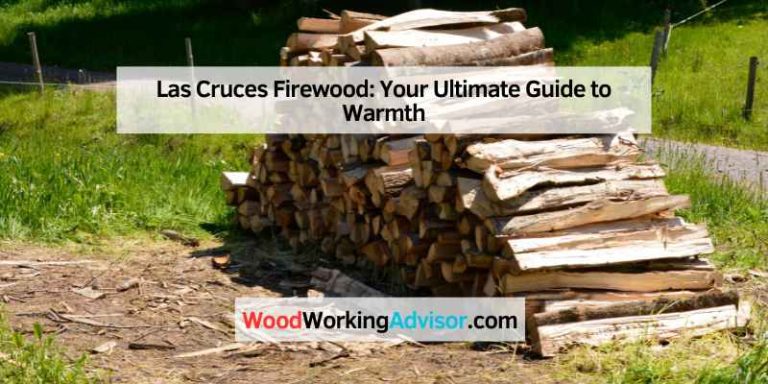
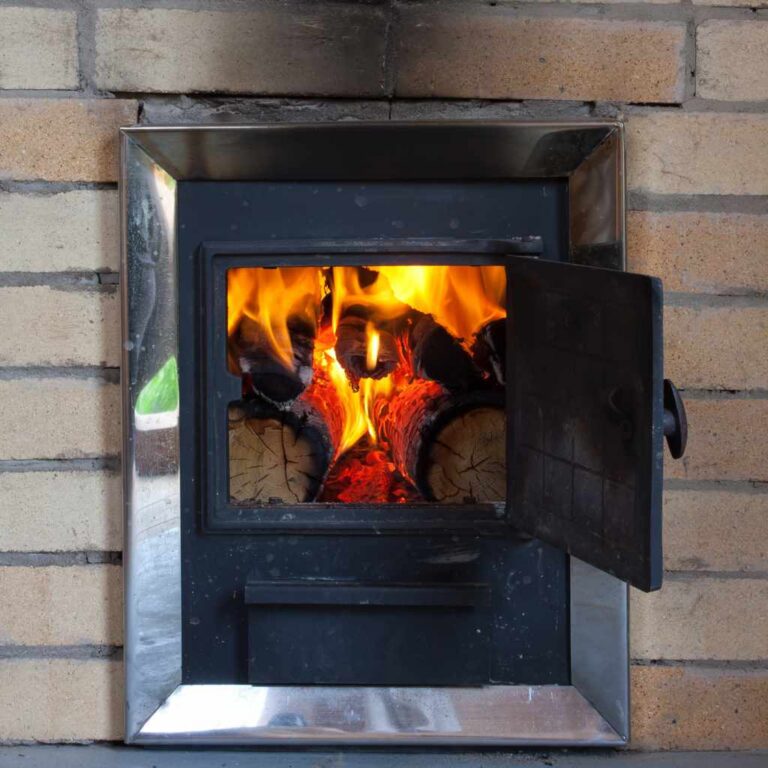
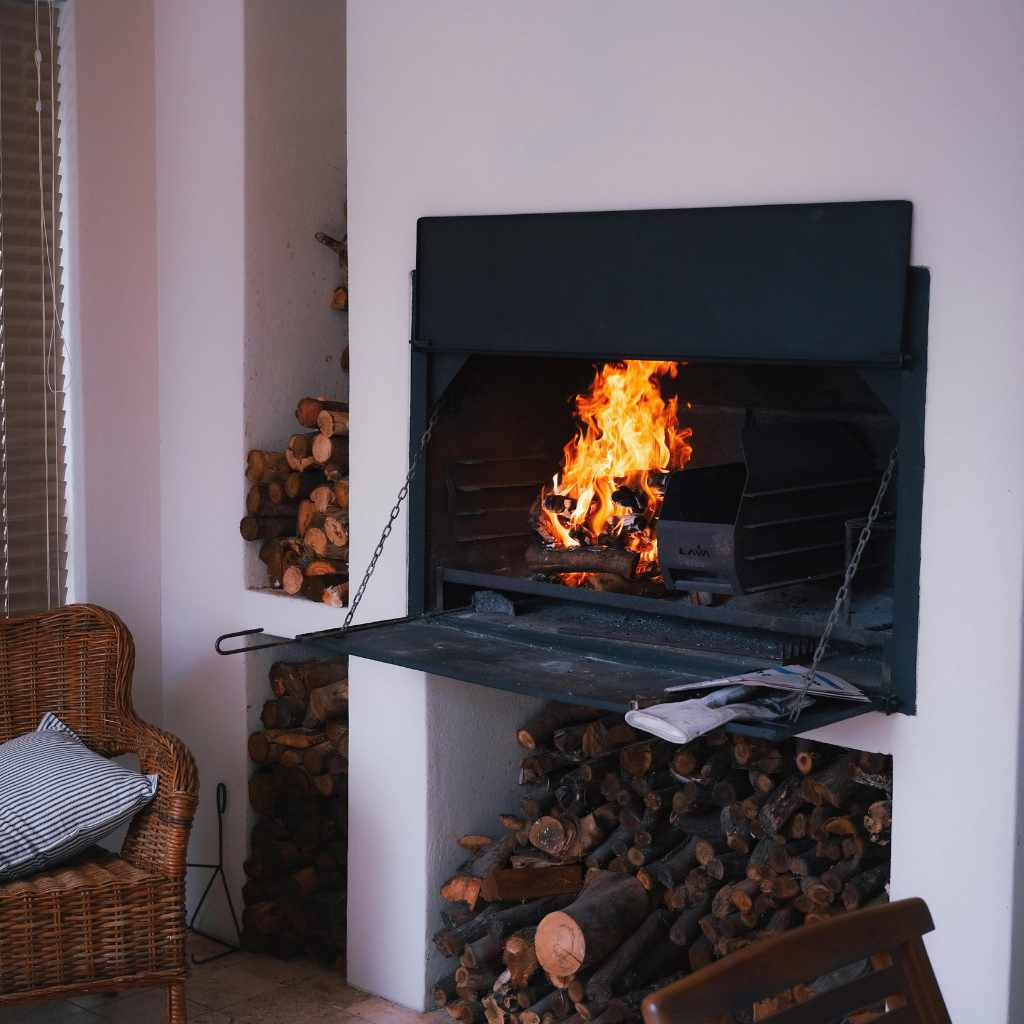
Wood fireplaces offer a classic ambiance. The crackling sounds, the smell of burning wood, and the natural look of the flames create a cozy atmosphere. They provide a radiant heat, which can feel quite comforting. However, wood fireplaces require more effort and maintenance. You need to chop or buy wood, stack it, and clean the ashes regularly. Wood-burning fireplaces produce more smoke and soot. These require periodic chimney cleaning. Safety is important; proper venting and following safety guidelines are crucial when using a wood fireplace. Wood fireplaces create a timeless experience, and people often choose them for the unique atmosphere they provide.
- Authentic Ambiance: The crackling sound, the smell of wood, and the view of a real fire create a cozy atmosphere that many people love.
- Radiant Heat: Wood fireplaces provide a comfortable, radiant heat that can warm a room quickly.
- No Reliance on Electricity: During a power outage, a wood fireplace can still provide heat if you have the means to safely start and maintain a fire.
- Variety of Wood Types: Different types of wood burn at different rates and produce varying levels of heat, allowing you to control the fire’s intensity and duration.
- Lower Initial Cost: Wood fireplaces can sometimes be less expensive to install than gas fireplaces, although this can vary depending on the model and any required renovations.
When selecting wood, hardwood such as oak, maple, and birch burn longer and hotter than softer woods. Seasoning, which means drying the wood for at least six months, is critical. Seasoned wood burns more efficiently and produces less smoke. The type of wood and how it is burned impacts air quality. Wood fireplaces can produce pollutants. These are important factors to consider when choosing a fireplace. Also, proper maintenance and regular chimney inspections are necessary to ensure safety.
Can You Put Wood in a Gas Fireplace? The Risks
The answer to the question “Do Gas Fi
Safety Hazards: Why Wood and Gas Don’t Mix
Combining wood and a gas fireplace presents several serious safety hazards. Gas fireplaces are made to burn gas; they are not equipped to handle the high heat, smoke, and ash produced by burning wood. This can lead to various dangerous situations. Using the wrong fuel is like trying to make a car run on the wrong fuel type. The potential for a house fire is very high if you put wood in a gas fireplace. It can also produce harmful gases, such as carbon monoxide, which is odorless and deadly. For example, a homeowner who put wood in their gas fireplace experienced a major house fire, resulting in significant property damage and putting the lives of family members at risk. Remember that safety always comes first.
- Fire Hazard: Gas fireplaces are not built to contain the flames and embers from burning wood. This can spread the fire to nearby materials and the structure of your home.
- Carbon Monoxide Poisoning: Burning wood in a gas fireplace can produce excessive amounts of carbon monoxide, a dangerous gas that is odorless and can cause serious health problems or even death.
- Chimney Damage: The smoke and soot produced by burning wood can quickly clog the chimney and may damage it.
- Appliance Damage: Burning wood can cause the gas fireplace components to overheat and malfunction, leading to costly repairs or replacement.
- Voiding Warranties: Using the wrong fuel in your fireplace will likely void the manufacturer’s warranty, leaving you responsible for any repair costs.
Gas fi
Understanding the Differences in Construction
Gas and wood fi
- Firebox Design: Wood fireplaces have a larger firebox and a grate to hold wood and allow for air circulation. Gas fireplaces have a smaller firebox designed for gas logs or media.
- Ventilation Systems: Wood fireplaces have a chimney system designed to exhaust smoke and ash. Gas fireplaces can use a direct vent system or a chimney, but these systems are optimized for gas combustion.
- Materials Used: Wood fi
- Burner Systems: Gas fireplaces have burners that distribute gas to create flames. Wood fireplaces rely on the natural combustion of wood.
- Safety Features: Wood fireplaces have features such as a damper to control airflow. Gas fireplaces have safety pilots and automatic shut-off valves.
The materials used in a gas fireplace can get damaged if exposed to the higher temperatures and different byproducts of burning wood. The venting systems will also struggle to manage the smoke and ash produced by wood. Any attempt to modify a gas fireplace for wood burning is unsafe and violates the design of the appliance. It is vital to use the correct appliance for each fuel type.
What If You Accidentally Put Wood in a Gas Fireplace?
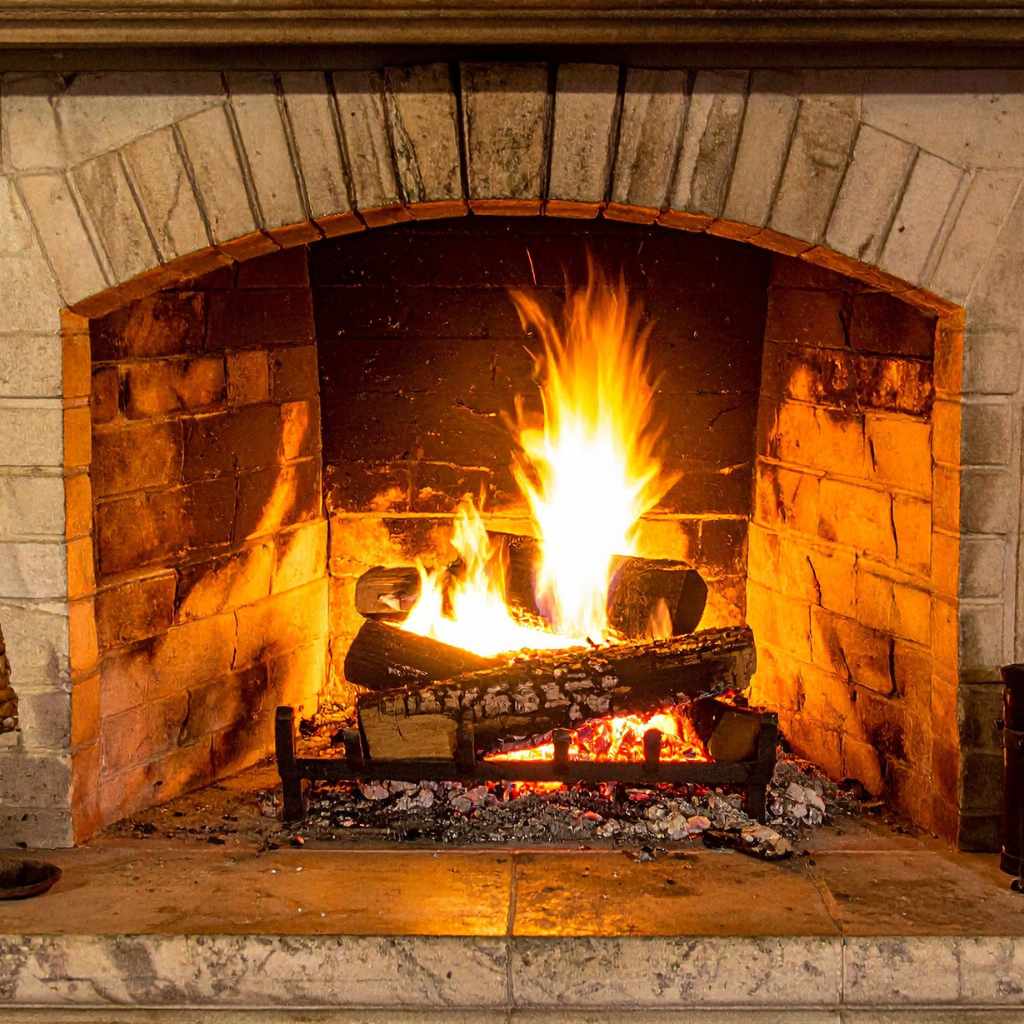
If you’ve made the mistake of putting wood in a gas fireplace, you need to act quickly and safely. The first step is to turn off the gas supply immediately. This action prevents the accidental flow of more gas into the system. Next, safely extinguish the fire using water or a fire extinguisher, if possible, and allow the fireplace to cool completely. Ensure the area around the fireplace is clear of flammable materials. Then, you should call a qualified technician to inspect the fireplace. They can assess any damage and make necessary repairs. Here are some scenarios for what to do.
- Immediate Action: Turn off the gas supply immediately to prevent further combustion.
- Extinguish the Fire: If the fire is small and safe to approach, use water or a fire extinguisher. Ensure all embers are completely extinguished.
- Ventilate the Room: Open windows and doors to let out smoke and any harmful gases.
- Inspection: Contact a qualified fireplace technician to examine the fireplace for damage.
- Do Not Use: Avoid using the gas fireplace until a professional has inspected and repaired it.
Attempting to remove the wood while the fire is active can be dangerous. Never touch the fireplace components until they have cooled down. The technician will check for damage to the burner system, the vent, and other parts of the fireplace. They will also make sure the chimney is clear of any obstructions. The inspection will identify any hazards and ensure that the fireplace can operate safely. Be sure that your home’s smoke and carbon monoxide detectors are working correctly.
Contacting a Professional for Inspection and Repair
When you have burned wood in a gas fireplace, getting it inspected by a professional is necessary. Qualified technicians have the expertise to assess any damage from the incident. They can also ensure the fireplace is safe to use. These technicians will check all the components of your fireplace. Their inspection will include the burners, the gas lines, the venting system, and the firebox. They can identify any potential hazards, such as gas leaks or structural problems. A technician will be able to make the appropriate repairs and advise on whether any parts need replacement. Professional inspections are an investment in your safety, preventing problems.
- Qualified Technicians: Look for certified fi
- Comprehensive Inspection: The inspection should cover all components, including burners, gas lines, venting, and the firebox.
- Damage Assessment: Technicians will assess any damage caused by burning wood, such as overheating or soot buildup.
- Safety Checks: Ensure all safety features, such as gas valves and pilot lights, are working correctly.
- Recommendations: Get advice about necessary repairs or replacements and how to prevent future issues.
Repair costs vary depending on the extent of the damage. Preventative maintenance is an important investment. Regular inspections of gas fireplaces by professionals can prevent many problems, including the accidental use of wood. They will be able to perform safety checks and give you advice about the correct operation. A regular inspection will allow you to enjoy your fireplace safely.
Alternatives: What To Do Instead of Burning Wood
If you enjoy the ambiance of a fire but have a gas fi
Using Realistic Gas Logs
Realistic gas logs are designed to mimic the appearance of a wood fire. They are made from ceramic or other heat-resistant materials and are shaped to look like real logs. When the gas fi
- Realistic Appearance: Gas logs are designed to look like real wood, providing the aesthetic of a wood-burning fire.
- Easy Installation: Most gas log sets are designed to be easily installed in your existing gas fireplace.
- Variety of Styles: Gas logs are available in many styles and sizes, allowing you to choose the best option for your fireplace.
- Convenience: Gas logs offer the convenience of a gas fi
- Clean Burning: Gas logs burn cleaner than wood, reducing emissions and keeping your fireplace cleaner.
Gas logs are available in different types: vented, vent-free, and direct-vent. Vented gas logs vent the combustion products through the chimney. Vent-free logs do not require a chimney, but they may produce more emissions. Direct-vent gas logs vent directly outside through a pipe, offering the most efficient and cleanest-burning option. Consider choosing a set with a remote control, which makes it easy to control the fire’s intensity. Gas logs offer a safe, convenient, and visually appealing way to enjoy a fire in your home. They can transform a gas fireplace into a warm and inviting space.
Exploring Electric Fireplace Options
Electric fi
- Easy Installation: Electric fireplaces are easy to install; simply plug them into an outlet.
- No Venting Required: Electric fireplaces don’t require venting or gas lines, providing more flexibility.
- Safe Operation: Electric fireplaces do not produce smoke, fumes, or embers, making them a safer choice.
- Energy Efficiency: Many electric fi
- Versatile Designs: Electric fireplaces come in a wide range of styles to suit any decor.
Electric fi
Considering Ethanol Fireplaces
Ethanol fi
- Clean Burning Fuel: Ethanol fireplaces use bioethanol, a renewable fuel that burns cleanly, producing only water vapor and carbon dioxide.
- No Venting: Because they burn clean, ethanol fireplaces do not require a chimney or venting system.
- Versatile Design: Ethanol fireplaces come in a range of designs, including portable units and built-in models.
- Easy to Use: Most ethanol fi
- Eco-Friendly: Ethanol is a renewable fuel source, making ethanol fireplaces a more environmentally-friendly choice.
Ethanol fi
Frequently Asked Questions
Question: Can I put wood in a gas fireplace?
Answer: No, it is dangerous and not recommended. Gas fireplaces are not designed to burn wood safely, which poses fire and health risks.
Question: What happens if I burn wood in my gas fireplace?
Answer: You risk a fire, the release of harmful gases, damage to your fireplace, and voiding your warranty. Professional inspection is necessary.
Question: What are some safe alternatives to wood in my gas fireplace?
Answer: Realistic gas logs, electric fi
Question: How do I know if my gas fireplace is safe?
Answer: Regular professional inspection and maintenance are essential for ensuring a gas fireplace’s safe operation.
Question: Where can I find realistic gas logs for my fireplace?
Answer: Gas logs are available at fi