Do Japanese Maples Have a Tap Root
Many gardeners wonder, Do Japanese Maples Have a Tap Root? This question often pops up when people are planning where to plant their beautiful trees or when they need to move an existing one. It can feel a bit tricky to figure out, especially if you’re new to gardening. But don’t worry, we’ll break it down super simply.
We’ll show you exactly what you need to know so you can plant and care for your Japanese maple with confidence. Let’s get started.
Japanese Maple Root Systems Explained
Understanding how Japanese maples grow their roots is key to keeping them healthy and happy. Unlike some trees that send a single, deep root straight down, Japanese maples have a different approach. This section will show you what makes their root structure unique.
Fibrous Root Networks
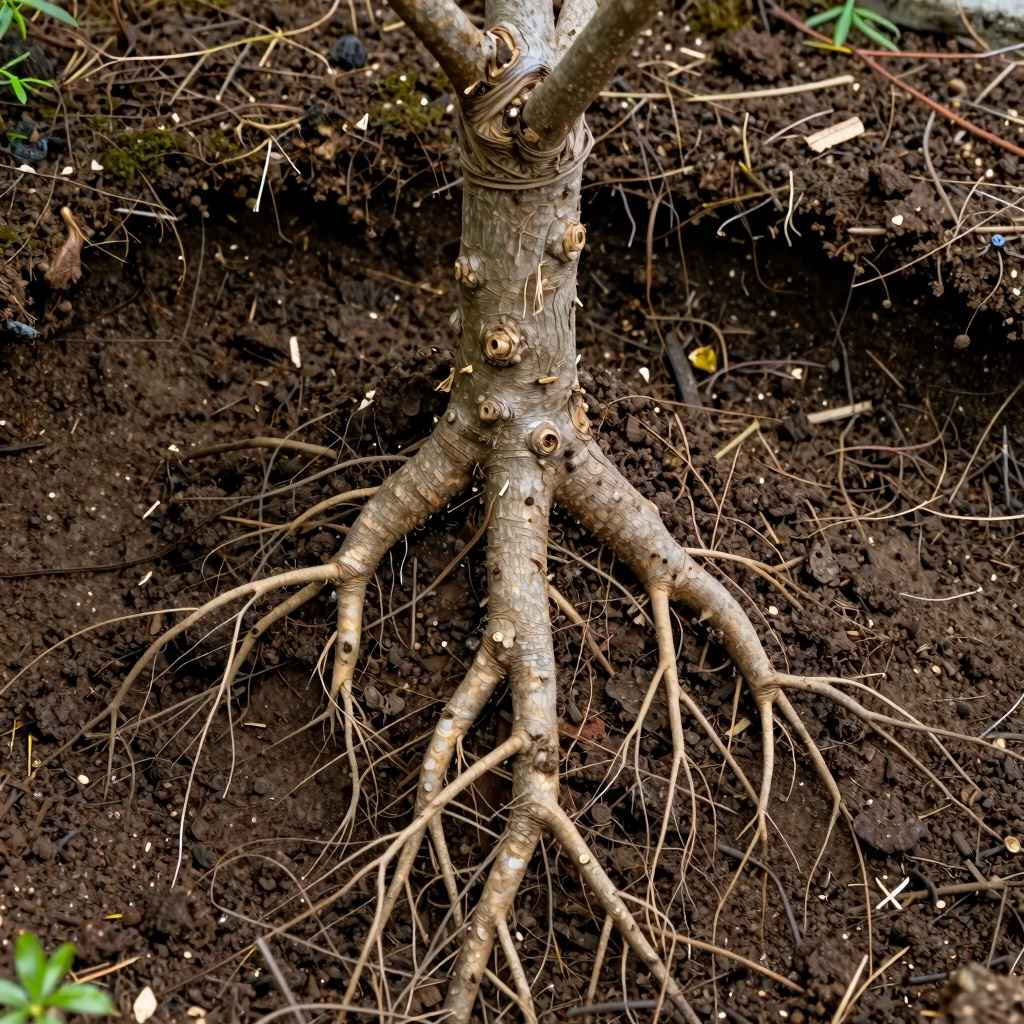
Japanese maples tend to develop a widespread, fibrous root system rather than a strong, central taproot. This means their roots spread out near the soil’s surface, searching for water and nutrients. This type of root system is great for stability in many soil types.
It also helps them absorb what they need from the upper layers of the ground.
A fibrous root system is characterized by many fine, hair-like roots that branch out extensively. Think of it like a net spreading through the soil. This allows the tree to capture moisture and nutrients from a broad area.
It’s a very efficient way for trees to survive and thrive, especially in environments where water might not be consistently deep.
- Extensive Surface Growth: The majority of Japanese maple roots stay relatively close to the soil surface, typically within the top 12 to 18 inches. This makes them sensitive to drought if the upper soil dries out.
- Nutrient Absorption Efficiency: This broad network is highly effective at gathering nutrients that are readily available in the topsoil. This is why good soil quality is so important for these trees.
- Adaptability to Soil Conditions: While they prefer well-drained soil, their fibrous roots can adapt to various soil textures. They do not struggle to penetrate compacted layers as a taproot might.
Absence of a Dominant Taproot
The main characteristic that sets Japanese maples apart is their lack of a prominent, deep taproot. A taproot is a large, central root that grows directly downward. Trees with taproots often use them for stability and to reach deep water sources.
Japanese maples, on the other hand, do not typically form such a dominant central root. Instead, their energy is directed towards developing a dense mat of shallower roots. This trait is fundamental to understanding their planting and care needs.
It means they are less likely to be damaged by surface disturbances.
- Shallow Rooting Habit: This means that over-watering can be as problematic as under-watering, as the roots don’t easily drain away excess moisture. Good drainage is therefore very important.
- Protection from Drought: While shallow roots are good for surface moisture, they can be vulnerable to prolonged dry spells. Mulching around the base of the tree helps retain soil moisture.
- Transplant Success: Because they lack a deep taproot, Japanese maples are generally easier to transplant successfully compared to trees with strong taproots. The root ball can be managed more effectively.
Why the Taproot Question Matters
Understanding whether Japanese maples have a taproot is crucial for several reasons. It directly impacts how you plant, water, fertilize, and even move these trees. For new gardeners, this can be a confusing point, leading to potential mistakes that harm the tree’s health.
When you know that Japanese maples don’t have a large taproot, you can adjust your care practices. This knowledge helps you avoid common pitfalls. We’ll explore the practical implications of this root structure.
Planting Considerations
The root system of a Japanese maple influences where and how you should plant it. Since their roots spread out near the surface, you need to consider what might grow or be placed around them.
When planting, it’s important to dig a hole that is wider than it is deep. This encourages the roots to spread outwards, mimicking their natural growth habit. Avoid planting too deep, as this can suffocate the roots and lead to problems down the line.
The goal is to give them space to grow horizontally.
- Hole Size and Shape: A hole that is two to three times the width of the root ball but only as deep as the root ball is ideal. This promotes outward growth and prevents the tree from settling too deep.
- Soil Amendments: Adding compost or other organic matter to the soil can improve drainage and aeration, which is beneficial for the shallow root system. Don’t overdo it; aim for a light, airy soil.
- Graft Union Placement: If your Japanese maple is grafted, ensure the graft union is visible above the soil line. Burying the graft can lead to the scion rooting and negating the benefits of the rootstock.
Watering and Fertilizing Strategies
The fibrous, shallow root system means you need to be mindful of how much and how often you water and fertilize. These trees don’t have a deep taproot to rely on during dry spells.
Watering should be consistent, especially in the first few years after planting. Aim to keep the soil moist but not waterlogged. Fertilizing should be done sparingly.
Too much fertilizer can burn the fine roots that are close to the surface. Organic compost is often a better choice than synthetic fertilizers.
- Consistent Moisture: For young trees, watering deeply a few times a week during dry periods is often necessary. Mature trees are more resilient but still benefit from occasional deep watering.
- Avoid Over-fertilizing: A light feeding in early spring with a balanced, slow-release fertilizer is usually sufficient. Excessive nitrogen can lead to weak, leggy growth and stress the root system.
- Mulching Benefits: Applying a 2-3 inch layer of mulch around the base of the tree, keeping it a few inches away from the trunk, helps conserve moisture, suppress weeds, and regulate soil temperature.
Transplanting and Root Damage
If you ever need to move a Japanese maple, knowing about its root system is a huge advantage. Because there isn’t a single, deep taproot to sever, the process can be less traumatic for the tree.
When transplanting, focus on digging a generous root ball that includes a wide area of the surface roots. This increases the chances of success. The less disturbance to the fine feeder roots, the better the tree will recover.
It’s often best to prune the tree slightly before transplanting to reduce water loss.
- Root Ball Size: Aim for a root ball that is at least 10-12 inches in diameter for every inch of trunk caliper at the base. For smaller trees, this might mean a ball 2-3 feet wide.
- Minimizing Root Loss: Carefully cut around the root ball with a sharp spade or saw. Avoid tearing or breaking roots unnecessarily. Try to keep as much of the soil around the roots intact as possible.
- Post-Transplant Care: Water the transplanted tree thoroughly and continue to provide consistent moisture. This helps the remaining roots establish in their new location.
Do Japanese Maples Have a Tap Root A Detailed Look
Let’s get into the specifics about the root structure of Japanese maples. While the general understanding is that they don’t have a taproot, it’s helpful to explore why this is the case and what forms instead.
The concept of a taproot is quite distinct. It’s a primary root that grows deep into the soil, often serving as the main anchor for the plant and a conduit for water from deeper soil layers. Many common trees, like oaks and pines, have a noticeable taproot when young.
Root Anatomy of Acer palmatum
The scientific classification for Japanese maples is Acer palmatum. In this genus, and particularly in Acer palmatum cultivars, the root development prioritizes spreading horizontally over vertical penetration. This evolutionary trait is often linked to their native woodland environments.
In their natural habitat, Japanese maples often grow in forests with rich, but not excessively deep, topsoil. They also compete with the root systems of larger trees. This has led to a root system that excels at capturing nutrients and moisture from the upper soil layers efficiently.
The absence of a strong taproot also makes them less vulnerable to root rot in consistently moist soils compared to trees with deep root systems.
- Primary vs. Secondary Roots: Japanese maples develop a primary root system that quickly diversifies into numerous secondary and tertiary roots. These finer roots are where most nutrient and water uptake occurs.
- Lateral Growth Emphasis: The energy that other trees might allocate to growing a deep taproot is instead channeled into developing a dense, spreading network of lateral roots. This makes the tree wider than it is tall in its root structure.
- Root Depth Variation: While generally shallow-rooted, some Japanese maples might develop a slightly thicker central root, but it rarely becomes a dominant, deeply penetrating taproot as seen in other species. It remains more of a primary lateral root.
Comparison with Other Tree Species
To fully appreciate the root structure of Japanese maples, it’s useful to compare them with trees known for having significant taproots. This contrast highlights why specific care is needed.
Consider an oak tree. As a young sapling, it will develop a strong taproot that can extend several feet into the ground. This taproot anchors the tree firmly and allows it to access water far below the surface, which is beneficial in drier climates or during droughts.
Japanese maples, by contrast, exhibit a much more modest primary root that quickly branches out.
| Tree Type | Primary Root System | Typical Root Depth | Water Access |
|---|---|---|---|
| Japanese Maple (Acer palmatum) | Fibrous, widespread lateral roots | Shallow (1-2 feet) | Surface moisture, benefits from regular watering |
| Oak Tree (Quercus spp.) | Strong taproot with lateral roots | Deep (can reach 10+ feet) | Deep water sources, more drought-tolerant |
| Pine Tree (Pinus spp.) | Combination of taproot and lateral roots | Deep and wide spread | Accesses deeper water, good anchorage |
Technical Term: Root Caliper
Root caliper refers to the diameter of a tree’s trunk measured at a specific point, typically a few inches above the ground (the root flare). This measurement is often used to estimate the overall size and maturity of a tree. It’s a practical indicator for gardeners when determining how large a root ball to excavate during transplanting.
For Japanese maples, understanding root caliper helps in transplanting. A larger caliper generally means a more extensive root system, even if it’s fibrous. This implies a need for a proportionately larger root ball to ensure the tree can re-establish itself.
It’s a key metric for success when moving these plants, helping to ensure that enough of the vital root system is preserved.
Technical Term: Root Flare
The root flare, also known as the root collar, is the area at the base of a tree where the trunk widens and transitions into the main structural roots. This is a critical zone for a tree’s health. It should ideally be visible at or just above the soil line.
When Japanese maples are planted too deeply, this crucial root flare can become buried. This restricts air circulation to the roots, leading to decay and disease. Ensuring the root flare is exposed is vital for preventing these issues and promoting healthy root development.
It’s a simple check that makes a big difference.
Impact on Tree Stability
The lack of a dominant taproot means Japanese maples rely more on the spread of their lateral root system for stability. This is generally sufficient for most garden settings but can be a factor in exposed locations or during severe weather.
While they may not have the deep anchor of a taproot, their widespread fibrous roots create a stable base. However, in extremely windy areas or if the soil is constantly saturated, they might be more prone to leaning or tipping over time. Proper planting and soil management are key to maximizing their natural stability.
- Wind Resistance: The broad, shallow root system offers good resistance to moderate winds. However, severe storms can still pose a risk, especially if the soil is waterlogged, reducing anchoring.
- Soil Type Influence: In well-draining soils, the fibrous roots can spread extensively, providing excellent stability. In heavy clay soils, drainage can be an issue, potentially impacting root spread and anchorage.
- Anchorage Mechanism: Instead of a deep anchor, Japanese maples gain stability from the sheer volume and spread of their lateral roots. This creates a wide base of support close to the surface.
Common Misconceptions and Realities
It’s easy to misunderstand how trees grow their roots, especially with so much variation among species. For Japanese maples, the idea of a taproot persists, but the reality is quite different and has important implications for their care.
The common misconception is that all trees, especially mature ones, develop a strong taproot. This isn’t true. Many trees, like many fruit trees and ornamental varieties, have fibrous root systems.
Let’s clear up the confusion.
Why the Taproot Idea Persists
The concept of a taproot is often taught in basic biology and botany. It’s a fundamental root type that many significant trees possess. When people learn about tree roots, the taproot is frequently highlighted as a primary example.
This generalized knowledge can lead to the assumption that it applies universally. Without specific knowledge about Japanese maples, it’s natural to assume they follow the same pattern as other well-known trees. This generalization can cause confusion when dealing with specific species like Acer palmatum.
- General Tree Education: Educational materials often simplify tree root structures, focusing on common examples like taproots. This creates a foundational understanding that might not cover all variations.
- Visual Cues: Some trees have very prominent main roots that look like taproots, even if they aren’t as deep as a true taproot. This visual resemblance can reinforce the idea.
- Horticultural Myths: Like many areas of gardening, certain ideas get passed down without much questioning, leading to persistent myths about plant care and biology.
What You See vs. What’s Below
The visible beauty of a Japanese maple—its delicate leaves and graceful branches—doesn’t always hint at its underground structure. What you see above ground doesn’t directly correlate with the presence or absence of a deep taproot.
A healthy, established Japanese maple can look very robust and stable. This might lead one to assume it has a deep anchoring system. However, this stability is achieved through a wide network of fibrous roots, not a single, deep taproot.
The strength comes from spread, not depth.
- Surface Root Systems: Many mature trees that appear very stable have extensive, shallow root systems that spread widely. This provides a broad base of support without needing deep anchorage.
- Importance of Soil Health: For shallow-rooted trees, the health of the topsoil is paramount. Rich, well-aerated soil supports a dense and strong fibrous root network.
- Seasonal Changes: The visible changes in a Japanese maple throughout the year, from vibrant spring colors to bare winter branches, are impressive. However, the root system is a constant, working diligently beneath the surface.
Example Scenario: Planting Near a Japanese Maple
Imagine you want to plant a small perennial garden near your Japanese maple. Because you know it has shallow, fibrous roots, you can plan your garden accordingly.
- Assess the Root Zone: Gently probe the soil around the base of the maple to get an idea of how far the roots extend. You’ll likely find many fine roots within the top foot of soil.
- Choose Plants Wisely: Select perennials that also prefer or tolerate shallow root zones and don’t require deep tilling or heavy fertilization. Plants like hostas, ferns, or certain groundcovers are good choices.
- Minimize Disturbance: When digging your planting holes, be careful not to sever too many of the maple’s roots. Dig small holes for each perennial, disturbing as little of the surrounding soil as possible.
This approach respects the maple’s root structure and allows both plants to coexist happily. It avoids the potential damage that could occur if you were working near a tree with a deep taproot that required significant excavation.
Scientific Evidence and Horticultural Consensus
Horticultural experts and scientific studies consistently confirm that Japanese maples do not develop a significant taproot. Their root morphology is well-documented.
The consensus among arborists, botanists, and experienced gardeners is that Acer palmatum and its cultivars are distinctly shallow-rooted trees. This understanding is fundamental to their successful cultivation and care. Resources like university extension services and reputable horticultural societies all align on this point.
- Botanical Descriptions: Standard botanical texts and plant databases describe the root system of Acer palmatum as fibrous and spreading, with a lack of a dominant taproot.
- Arborist Recommendations: Professional arborists rely on this knowledge for pruning, transplanting, and diagnosing issues with Japanese maples. Their advice reflects this specific root structure.
- Research Findings: Studies on Acer species’ root development often highlight variations within the genus, with Acer palmatum consistently categorized as having a shallow, widespread root system.
Practical Applications for Gardeners
Knowing that Japanese maples lack a taproot isn’t just trivia; it has real-world applications for anyone growing these trees. This knowledge helps you make better decisions in your garden.
From choosing the right location to providing ongoing care, understanding the root system is your best guide. We’ll look at how this information helps you avoid common problems and ensure your tree thrives.
Choosing the Right Location
When you’re selecting a spot for your new Japanese maple, consider its shallow root system. Avoid areas where roots might be easily damaged or where the soil conditions are unfavorable.
Areas that are frequently walked on, or where heavy machinery might operate, are not ideal. Also, think about drainage. Japanese maples dislike waterlogged soil, as their fine roots can easily rot in such conditions.
A location with good air circulation and moderate moisture is best.
- Avoid High Traffic Areas: Planting near sidewalks or patios where people walk frequently can lead to soil compaction, which harms shallow roots.
- Consider Drainage: Ensure the chosen spot allows water to drain away freely. Sloping areas or raised beds can be beneficial if your soil tends to hold water.
- Sunlight and Wind Exposure: While not directly root-related, remember that the leaves and branches are also sensitive. Protect them from harsh, drying winds and intense afternoon sun, especially in hotter climates.
Mulching Practices for Health
Mulching is a fantastic way to support the shallow root system of Japanese maples. It offers numerous benefits that directly address the needs of these trees.
A good layer of organic mulch helps retain soil moisture, keeping the roots hydrated, especially during dry spells. It also keeps the soil temperature more consistent, protecting roots from extreme heat and cold. Furthermore, it suppresses weeds that would compete for precious water and nutrients.
- Moisture Retention: A 2-3 inch layer of organic mulch, like bark chips or shredded wood, acts as a sponge, soaking up and holding water closer to the root zone. This reduces the need for frequent watering.
- Temperature Regulation: Mulch acts as an insulator. It keeps the soil cooler in summer and warmer in winter, protecting the sensitive fine roots from temperature extremes that can cause stress and damage.
- Weed Suppression: By blocking sunlight, mulch prevents many weed seeds from germinating. This reduces competition for water and nutrients that the Japanese maple needs.
Technical Term: Mycorrhizal Fungi
Mycorrhizal fungi are beneficial fungi that form a symbiotic relationship with plant roots. They extend the root system’s reach, helping plants absorb water and nutrients, especially phosphorus. Many tree species benefit greatly from these fungi.
Japanese maples can also benefit from mycorrhizal fungi. These fungi colonize the fine root hairs, creating an even larger surface area for nutrient and water uptake. This is particularly helpful for trees with shallow root systems, as it enhances their ability to gather resources from the soil.
Healthy soil rich in organic matter will naturally support these beneficial fungi.
Pruning and Root System Health
When you prune your Japanese maple, you’re influencing its overall health, which is directly tied to its root system. While pruning is mostly about shaping and removing dead or diseased branches, it has indirect effects on the roots.
Heavy pruning can sometimes stress a tree, as it reduces the amount of foliage available for photosynthesis. This, in turn, can impact how much energy the tree has to support root growth and health. Therefore, pruning should be done thoughtfully, keeping the tree’s overall balance in mind.
- Balance Between Canopy and Roots: Avoid excessive pruning of the canopy, as this can starve the root system of the energy it needs to thrive. A well-balanced tree has a healthy root system to support its growth.
- Timing is Key: Prune Japanese maples during their dormant season (late winter or early spring) to minimize stress and sap loss. This allows the tree to heal quickly.
- Removing Damaged Roots: If you are transplanting and encounter damaged roots, prune them cleanly. This helps prevent disease and encourages new, healthy growth from the cut ends.
Frequently Asked Questions
Question: Do Japanese Maples have a deep tap root?
Answer: No, Japanese Maples do not typically develop a deep tap root. They have a fibrous, widespread root system that grows closer to the surface.
Question: What kind of root system does a Japanese Maple have?
Answer: A Japanese Maple has a fibrous root system, meaning it has many fine, hair-like roots that spread out horizontally rather than one large central tap root.
Question: Is it safe to dig near a Japanese Maple?
Answer: It is generally safe to dig near a Japanese Maple as long as you are careful. Their shallow, fibrous roots spread widely, so avoid deep digging directly around the trunk. Digging gently and in a wider area is recommended.
Question: Why are Japanese Maples considered shallow-rooted?
Answer: They are considered shallow-rooted because their primary root growth is lateral, spreading out near the soil surface to capture moisture and nutrients efficiently. They do not focus energy on growing a deep, dominant taproot.
Question: Can I plant other plants around a Japanese Maple?
Answer: Yes, you can plant other plants around a Japanese Maple. Choose plants that also prefer well-drained soil and have similar light requirements. Be mindful of their root systems and avoid disturbing the maple’s roots too much when planting.
Wrap Up
Japanese Maples do not have a tap root. They grow a shallow, fibrous root system. This means they prefer well-drained soil and consistent moisture near the surface.
Understanding this helps you plant and care for your tree better, ensuring it thrives for years to come.