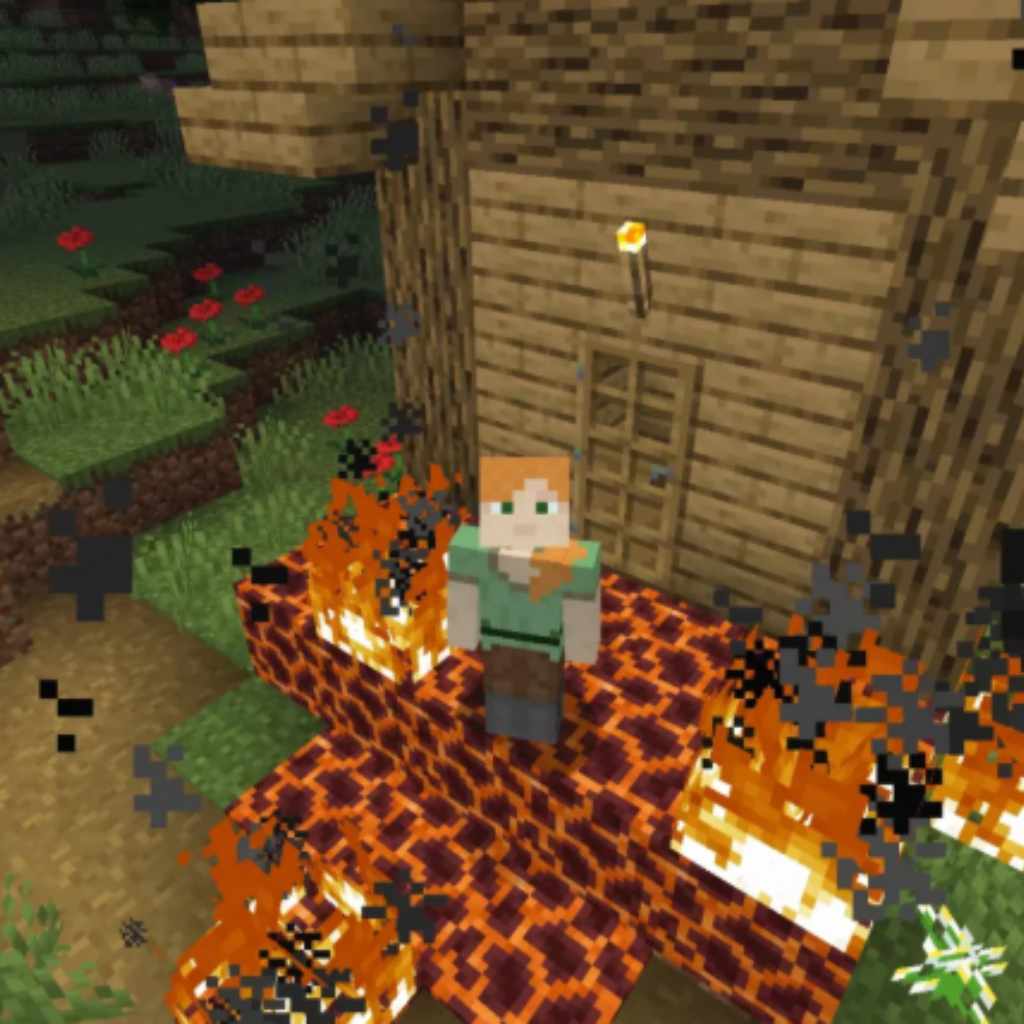
Do Magma Blocks Burn Wood in Minecraft? Everything You Need to Know
If you’re new to Minecraft, you might be asking yourself, Do Magma Blocks Burn Wood in Minecraft? It’s a question many players grapple with when designing their builds. Figuring out how fire and heat work in the game can feel confusing! Don’t worry, though; we’ll break down the answer in a simple, step-by-step way. Get ready to explore this important aspect of Minecraft, and learn how to keep your wooden structures safe from the fiery dangers of Magma Blocks. Let’s get started!
The Basics of Fire and Magma Blocks in Minecraft
Magma Blocks are a unique element in Minecraft. They are a solid block, found most commonly at the bottom of the ocean or in the Nether. Unlike torches or campfires, Magma Blocks don’t inherently produce a flame that spreads to nearby flammable materials. However, their nature does have a significant impact on wood and other flammable items within their vicinity. To truly understand, it’s key to explore their properties and interactions with other objects in the game. It is a critical aspect for every builder.
Magma Block Properties and Placement
Magma Blocks have unique properties that sets them apart from the regular fire. They’re a source of heat, and they cause damage to any player or mob that stands on top of them. However, they don’t work like traditional flames. Their primary function isn’t about setting things on fire, but rather, causing damage by heat and making the surrounding area appear visually different. They can also create bubbles in water, making them useful for specific situations like creating bubble elevators.
- Source of heat: Magma Blocks radiate heat, so anything that touches them gets damaged.
Magma Blocks emit a constant level of heat. This means anything directly on top of it, will be damaged over time. This is their primary function. This constant damage can quickly deplete the health of players and mobs alike. For this reason, players must be cautious when building near or using these blocks in their creations.
- Appearance: They have a distinctive, bubbling texture that sets them apart.
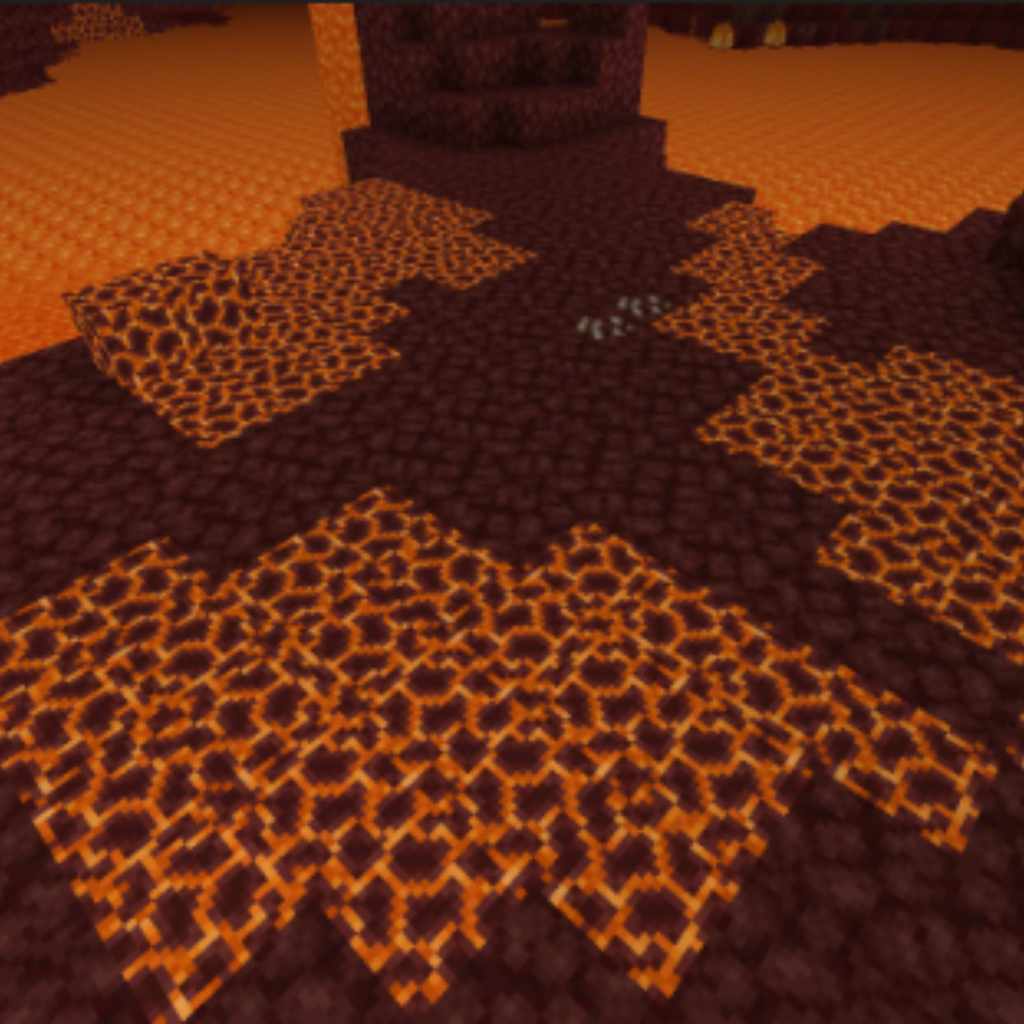
Magma Blocks have a visual representation that is unlike most other blocks. They have a bubbly animation that continuously moves. This appearance makes them easily identifiable. They have a dark, reddish-brown color that makes them easily identifiable. This visual difference is key, allowing you to quickly spot them in an environment and prepare accordingly.
- Placement: They can be placed anywhere.
Unlike some blocks, Magma Blocks are versatile in terms of placement. You can place them on the ground, on top of other blocks, or even underwater. You can also craft and place them, which gives you complete control over how they are used within your game. This allows for a variety of designs and gameplay mechanics.
The Impact of Heat on Flammable Materials
Flammable materials, like wood, can behave in a number of ways when close to a Magma Block. While the block doesn’t directly cause a fire to spread in the usual way, the heat generated can cause other problems. The primary concern is how close the wood is to the block, and how long it is exposed. Understanding this interaction is key to safe building in Minecraft. Builders often have to take this into account.
- Proximity Matters: The distance between the Magma Block and the wood plays a part.
The closer the wood is to the Magma Block, the more likely something negative will happen. If a wood block is immediately adjacent to a Magma Block, it is damaged. Even a small distance can lessen the effect. This suggests that the impact lessens with distance, so placement is key. Careful planning is needed to keep your wood safe.
- Direct Contact: Wood blocks touching Magma Blocks are damaged.
Direct contact will lead to damage over time. This interaction can cause the wood block to be destroyed. This means that direct contact with the Magma Block will ultimately break the wood. This is an important detail to keep in mind, because it sets the block apart from other fire sources. This helps to protect your build.
- Ambient Damage: In some cases, the heat can cause the wood to break.
In addition to direct damage, prolonged exposure to the heat from Magma Blocks can have an overall effect. Even if a wood block isn’t touching the Magma Block, the heat exposure can slowly cause degradation over time. This emphasizes the importance of careful design. It is all about planning.
Does Fire Spread From Magma Blocks?
The relationship between Magma Blocks and fire spread is an important topic. Magma Blocks don’t function in the same manner as sources of fire, such as torches or campfires. They do not have the same spreading behavior. This difference is important for understanding how to use them safely or to use them in more complex contraptions. This distinction affects how players can use and control this unique element.
Magma Blocks vs. Traditional Fire Sources
Comparing Magma Blocks to traditional fire sources helps highlight their different characteristics. Torches and campfires will start a fire and have the potential to spread that fire to any flammable blocks that are nearby. The Magma Block, however, does not work in this manner. It acts primarily as a source of constant heat. It can cause damage to any objects and mobs that come into contact with it. These differences mean that they should be used in different ways when designing or building.
- Spreading Behavior: Fire spreads while Magma Blocks do not.
The fundamental difference is in how the fire behaves. Traditional sources like fire, will spread. They can start a blaze that can grow quickly. Magma Blocks do not have this spreading ability. This distinction changes how they interact with surrounding blocks. Players can utilize this difference when it comes to controlling fire within structures.
- Damage Mechanisms: Fire burns, Magma Blocks cause heat damage.
Fire sources cause immediate burning. The fire will start to damage and consume anything flammable. Magma Blocks do not cause an immediate fire but generate a constant source of heat. They damage anything directly touching them or nearby. This means players have to think about different ways these can affect the world. This is especially true when it comes to the safety of structures.
- Design Implications: Build styles should reflect these differences.
This means builders have to adjust their strategies. When designing with fire, you need to think about how it will spread. With Magma Blocks, the focus is on constant heat and how to shield wood. This affects how you place blocks, and what materials you choose. This difference adds another layer of strategy to the building process.
Scenarios and Examples of Interaction
To better understand, let’s look at some examples of how Magma Blocks can interact with the environment. Let’s explore several possible scenarios and how they could affect players and their buildings. These scenarios are useful for demonstrating how to use Magma Blocks safely and effectively in Minecraft.
- Wooden Floor Near a Magma Block: If you place a wooden floor adjacent to a Magma Block, the floor tiles will be damaged. If you place a wooden floor adjacent to a Magma Block, the floor tiles will be slowly destroyed. If there’s direct contact, the wood will start to break down and disappear over time.
- Wood Structure Above a Magma Block: Imagine a wooden structure directly above a Magma Block. The constant heat could cause the lower portion of the wooden structure to break. The damage might not be immediate like with fire, but sustained exposure will take its toll.
- Wooden Bridge Over Magma: A wooden bridge that comes into contact with the Magma Block will break over time, even if it is built above it. This shows that the damage is ongoing.
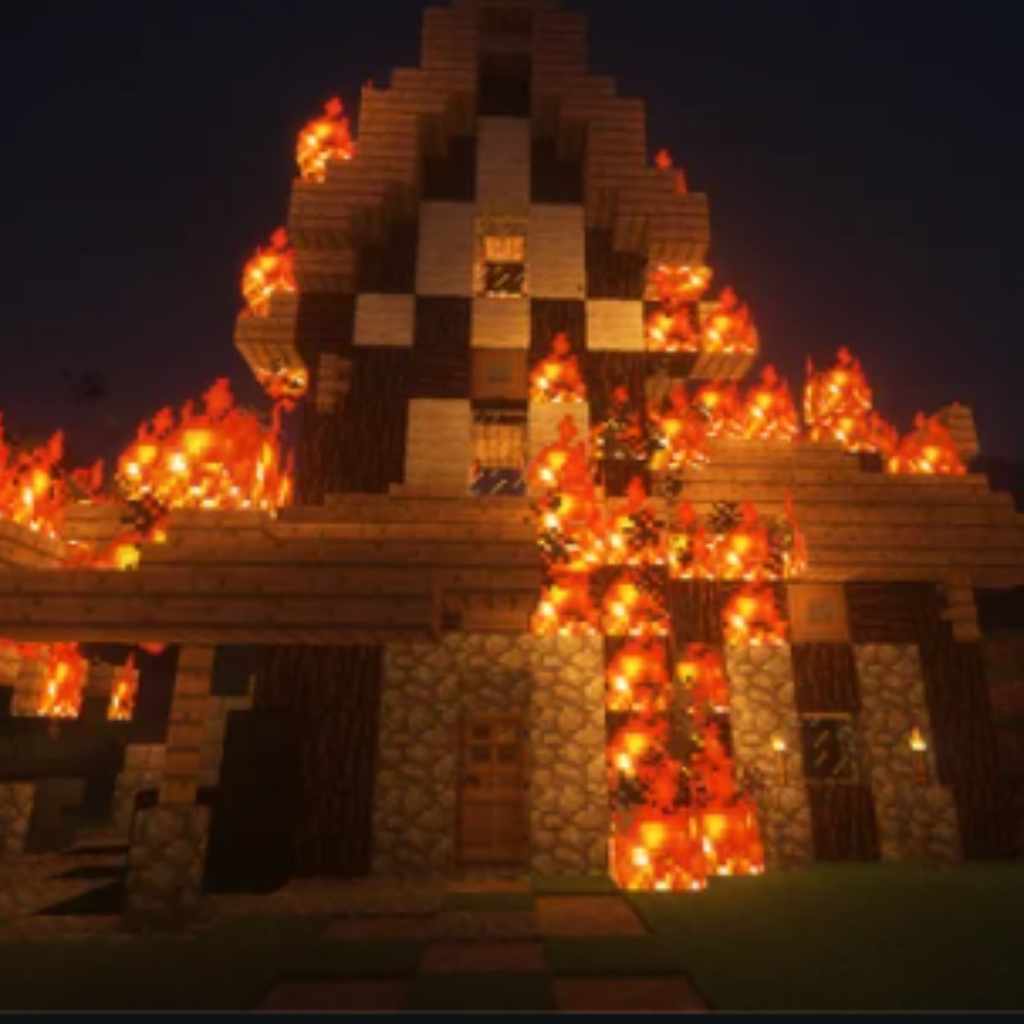
Building Safely Around Magma Blocks
While Magma Blocks don’t cause fire in the traditional sense, they do pose a risk to wooden structures. Keeping your wooden buildings safe means following some key guidelines when working with these blocks. Proper planning and material selection can keep your structures looking great for a long time. These steps allow you to enjoy the unique characteristics of Magma Blocks without the risk.
Material Selection and Design Choices
The materials you use and your building design are key to safe builds around Magma Blocks. Certain materials can withstand the effects of heat better than others. Thoughtful design can keep your wooden elements away from the heat. This is an important way to make sure your structures stay safe. This combination of material and design will help ensure a long-lasting and safe environment.
- Use Fire-Resistant Materials: Use materials that don’t burn to protect your builds.
The best way to protect your wooden structures is by using materials that are not flammable. Materials such as stone, iron, or obsidian can act as good alternatives. These materials don’t catch fire and can withstand the heat from Magma Blocks. Using these materials where they are exposed can make your structures safer and longer-lasting.
- Create Barriers: Build physical barriers to reduce the contact between wood and heat.
Build barriers to block direct contact and shield your wooden components. Walls, floors, or decorative features made from non-flammable materials act as a protective layer. Place these barriers between the Magma Blocks and your wooden components to protect them. These barriers effectively protect the wooden elements of the build.
- Elevate Wooden Structures: Raise wooden elements away from the heat source.
Elevate your wooden structures to keep them out of direct contact with the heat. Raising the wooden components will reduce the intensity of the heat. This will also make sure the wooden components are further away. This simple step can greatly reduce the risk of damage. You can use platforms or supports to increase the distance.
Practical Building Techniques
With careful planning and a few easy techniques, you can still use Magma Blocks in your projects without risking your wooden components. These methods will let you use the advantages of Magma Blocks. They also help you keep your structures safe and sturdy. This makes it possible to keep the visual appeal of these elements while minimizing any problems.
- Spacing and Separation: Maintain distance between wood and Magma Blocks.
Keeping a safe distance between the wooden elements and the Magma Blocks will reduce heat exposure. If you ensure that the wooden components are not touching them, you can prevent damage. This approach means that you can control the level of exposure. This will help make sure that your build remains visually pleasing.
- Protective Layering: Use multiple layers of fire-resistant materials.
Use multiple layers of materials that cannot burn to shield the wooden components. Constructing walls, or floors made of fire-resistant materials like stone can create a shield. This offers an additional degree of safety. Multiple layers provide multiple lines of protection, making your builds more durable.
- Decorative Placement: Integrate Magma Blocks safely as decor.
Magma Blocks can be incorporated as decoration, but it is important to place them carefully. Use them in areas where they will not come into contact with the wooden components. You can surround the Magma Blocks with non-flammable blocks to prevent any damage. This way, you can achieve the desired look.
Alternative Building Strategies and Uses
Magma Blocks offer more than just a potential risk. They also present unique opportunities for creative builders. When you combine them with other elements, you can achieve unique and dynamic results. Here are some of the ways Magma Blocks can enhance your gameplay experience. You can use them to create visual effects and interactive builds.
Creative Applications and Aesthetic Effects
Magma Blocks can do a lot more than just damage things. They can be used to make visually interesting designs. Here are a few ways that you can change your designs using these unique blocks. They bring a new dimension to your creations. These aesthetic effects can elevate the visual quality of your builds.
- Underwater Effects: Magma Blocks create bubbles in water.
Use Magma Blocks underwater to create bubble columns. This effect is great for making bubble elevators or adding dynamic movement to your aquatic designs. Place the Magma Blocks at the bottom of a column of water, and watch as the bubbles rise to the surface. This is a very creative and fun way to add depth to your creations.
- Themed Builds: Integrate them into Nether-themed structures.
Magma Blocks are perfect for Nether-themed builds due to their texture. Use them to mimic the fiery, hellish environment. They can be part of floors, walls, and decorative elements. This helps to create a visually consistent theme. This enhances the overall immersion of the build.
- Light and Shadow Play: Create interesting light patterns.
The texture of the Magma Blocks has a strong visual texture that has a relationship to light. These patterns can create unique visual effects, such as casting shadows on nearby blocks. This helps to enhance the atmosphere of your build, and add complexity.
Functional Uses and Gameplay Mechanics
Beyond looks, Magma Blocks have functional uses that can add a whole new dimension to your gameplay. From traps to interactive features, these blocks can enhance a wide array of activities. Here are some of the ways you can use Magma Blocks to create fun and engaging gameplay experiences. These features will take your gameplay and creativity to a new level.
- Traps: Use them to create traps.
Magma Blocks can be used as a part of traps due to their damage-dealing properties. Place Magma Blocks in areas that are intended to be dangerous. This is useful for safeguarding a base or adding an element of danger to a specific area. This offers an interactive layer of gameplay.
- Automated Farms: Magma Blocks can be used in some farm designs.
Magma Blocks can be used as a part of some farms. They can damage specific items to activate certain mechanisms. You can use them for item collection. This offers an automated way to collect resources. This offers a new level of efficiency to your gameplay.
- Interactive Features: They can trigger events or other functions.
Magma Blocks can be used to trigger certain events or functions. When triggered, the blocks can initiate a series of events, like opening doors or activating specific mechanisms. This can make the gaming experience more interactive. This adds an element of excitement.
Frequently Asked Questions
Question: Do Magma Blocks start a fire?
Answer: No, Magma Blocks do not start fires in the same way that torches or campfires do. However, they do cause heat damage to entities and blocks.
Question: What happens if wood touches a Magma Block?
Answer: If wood comes into direct contact with a Magma Block, it will be damaged and eventually break. Over time, the wood will be destroyed.
Question: Can Magma Blocks damage other blocks?
Answer: Yes, Magma Blocks can damage any block that comes into contact with them over time. The damage is a result of the heat emitted.
Question: Where can I find Magma Blocks?
Answer: Magma Blocks are naturally found in the Nether and at the bottom of the ocean. They can also be crafted.
Question: How can I protect wooden builds from Magma Blocks?
Answer: To protect wooden builds, use fire-resistant materials, create barriers, and make sure that wooden elements are not touching the Magma Blocks.
Final Thoughts
So, Do Magma Blocks Burn Wood in Minecraft? The short answer is, not in the traditional sense. While Magma Blocks don’t cause the spread of flames like fire, their heat can still damage and destroy wooden structures over time. That means you should always plan how to use Magma Blocks. If you keep them separate and use other fire-resistant materials, you can still incorporate them into your creations. Now you’re all set to build amazing structures, adding a layer of style to your gameplay. Keep exploring, keep creating, and enjoy the endless possibilities of Minecraft!