Do Maple Trees Have Nuts: The Surprising, Best Answer
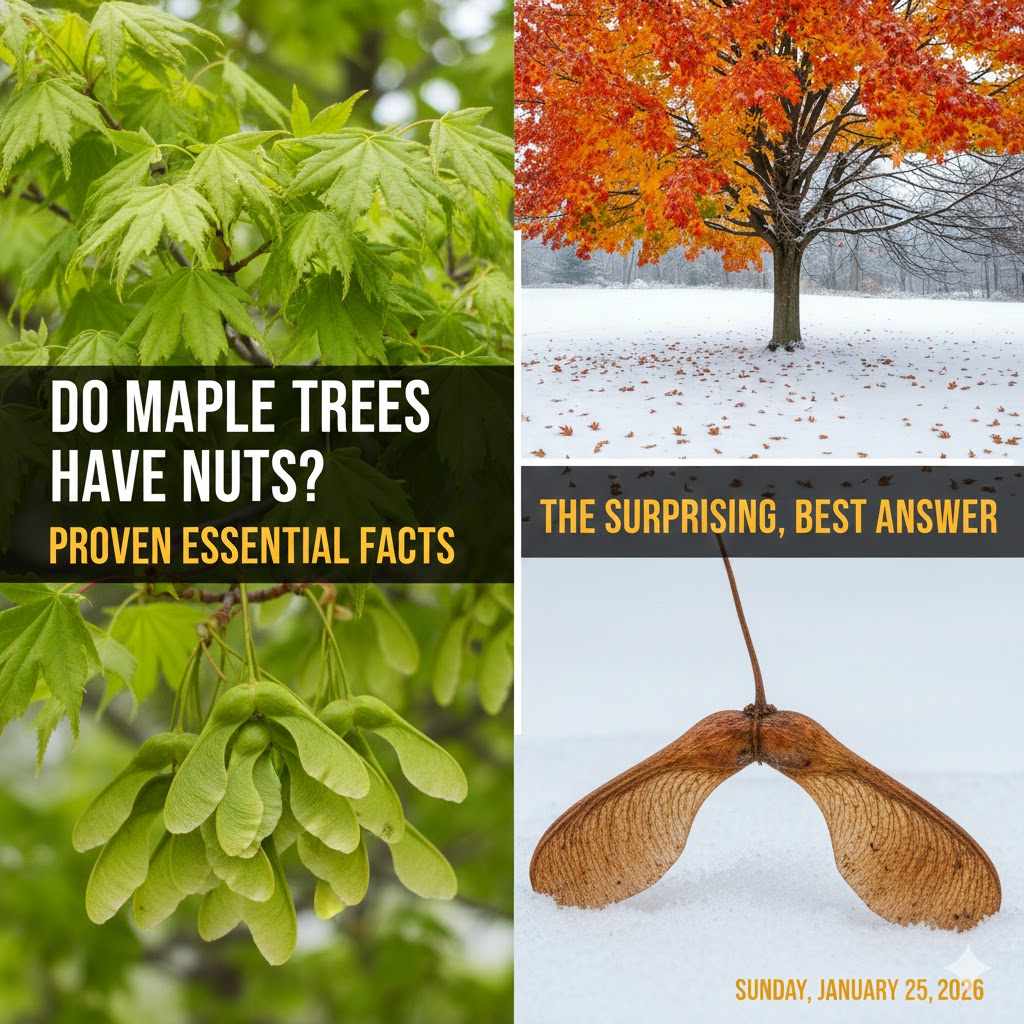
No, maple trees do not have nuts. Instead, they produce winged seeds called “samaras,” which are famously known as “helicopters” or “whirlybirds.” While the small seed pod inside the wing is sometimes called a nutlet, it is not a true botanical nut like an acorn or a chestnut.
Hello there! It’s Md Meraj, your friend in the workshop. Today, we’re stepping outside to tackle a question I hear all the time. You see a beautiful maple tree, you admire its fantastic wood, but then you see those little things spinning to the ground. You might wonder, “Are those nuts?” It’s a perfectly good question, and the answer is surprisingly simple, yet very interesting. It can even help you become a better woodworker and homeowner. Don’t worry, I’m here to clear up all the confusion. Let’s get to the bottom of this together!
The Straight Answer: Maple Trees Don’t Have Nuts
Let’s get right to it. In the strict, botanical sense of the word, maple trees do not produce nuts. This might be surprising, especially since we see squirrels and other animals nibbling on what falls from the tree. But the little spinners you see are actually a very special kind of seed, designed for travel.
The confusion is understandable. We tend to call any hard-shelled seed or fruit a “nut” in everyday conversation. But in the world of plants and trees, the definitions are much more specific. Understanding this little detail helps you appreciate the cleverness of nature and makes you more knowledgeable about the trees you work with or see in your backyard.
Meet the Samara: The Maple Tree’s “Helicopter” Seed
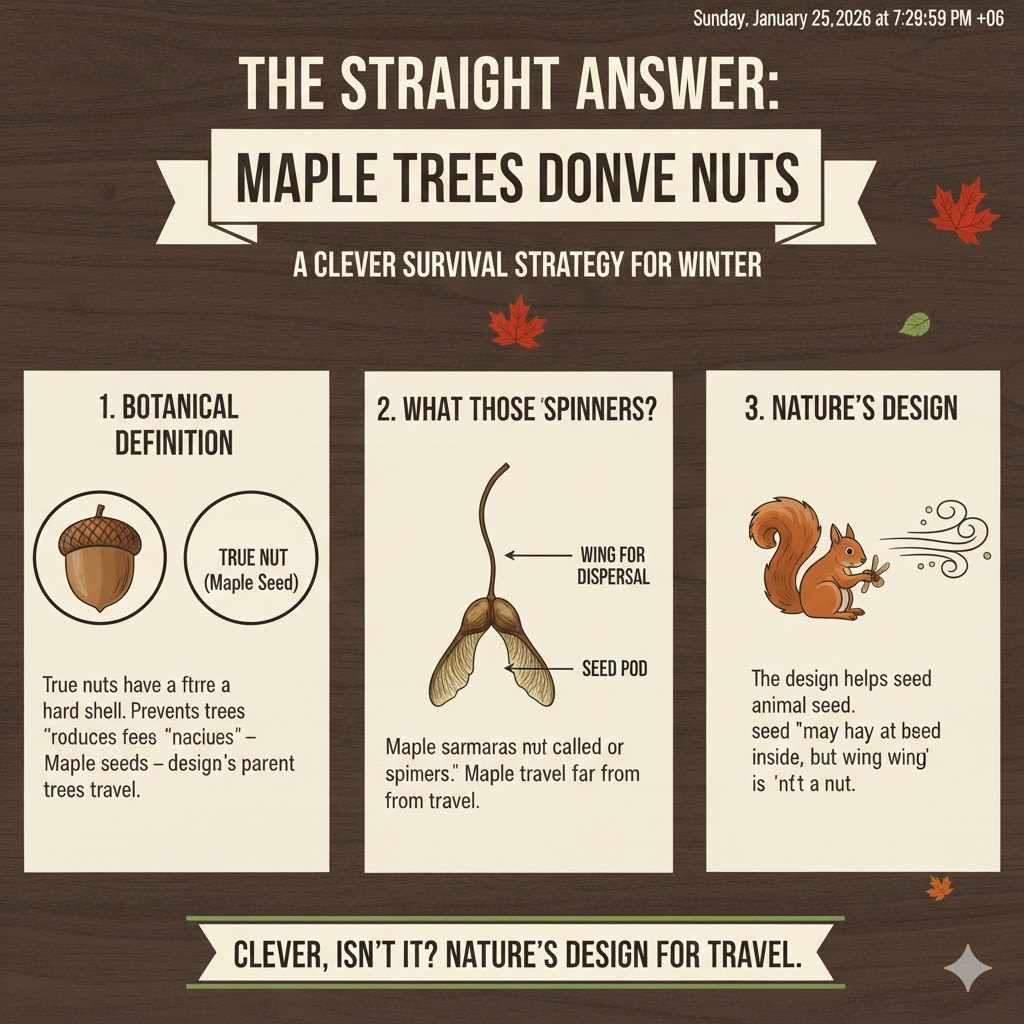
So, if it’s not a nut, what is it? The spinning seed from a maple tree is called a samara. You probably know it by a more fun name, like a “helicopter,” “whirlybird,” “whirlygig,” or “spinner.” This name comes from the way it gracefully spins to the ground, almost like a single-blade propeller.
A samara is a type of dry fruit where a flattened, papery wing develops from the wall of the seed’s ovary. This wing is a brilliant piece of natural engineering. Its purpose is to help the seed travel far away from the parent tree. When the samara falls, the wind catches the wing, causing it to autorotate. This spinning motion slows its descent, allowing the breeze to carry it a much greater distance. This gives the new seedling a better chance of finding sunlight and soil without competing with its parent.
Parts of a Maple Samara
A samara is simple but effective, made up of just two main parts:
- The Wing: This is the flat, papery part that catches the wind. It’s light but rigid enough to create lift and spin.
- The Seed: Tucked away at the base of the wing is a small, rounded pod that contains the actual seed. This part is sometimes referred to as a “nutlet,” but it’s botanically part of the overall samara fruit.
This design is so efficient that it has allowed maple trees to spread across vast regions. It’s one of nature’s simple and beautiful solutions to a big problem: how to give your kids a good start in life away from home!
What Is a “True Nut”? The Botanical Definition
To really understand why a samara isn’t a nut, it helps to know what a true nut is. According to botanists, a true nut is a dry fruit with a single seed and a very hard shell (the pericarp) that does not split open on its own to release the seed. The shell is often enclosed in a protective husk or cup.
Classic examples of true nuts include:
- Acorns from oak trees
- Chestnuts from chestnut trees
- Hazelnuts (filberts) from hazel shrubs
- Hickory Nuts from hickory trees
Many things we call nuts in the kitchen, like almonds, pecans, walnuts, cashews, and pistachios, are not true nuts botanically. They are technically “drupes”—a type of fruit with a fleshy outer layer and a hard shell containing a seed. The key difference is the structure of the fruit and shell.
So, a maple seed doesn’t qualify as a true nut because it doesn’t have that hard, indehiscent (non-splitting) shell that defines one. Its casing is a papery wing attached to a small seed pod.
Why This Matters for Woodworkers and Homeowners
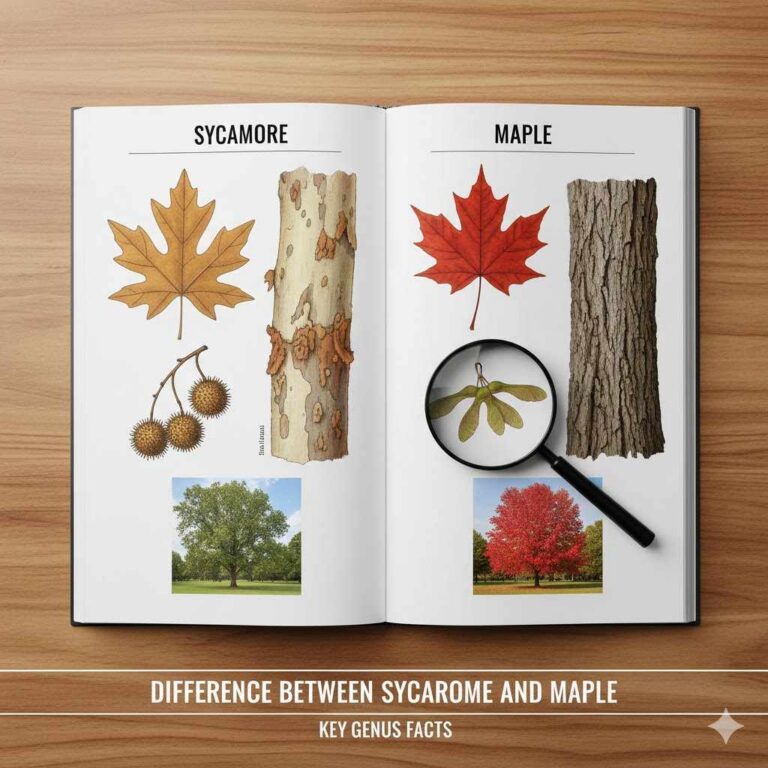
Knowing this isn’t just for trivia night! As a woodworker, identifying trees correctly is a key skill. Understanding the difference between a maple’s samara and an oak’s acorn helps you positively identify the tree you’re working with, which is critical for knowing the wood’s properties. For homeowners, it helps you understand your landscape better.
| Feature | Maple Seed (Samara) | True Nut (e.g., Acorn) |
|---|---|---|
| Common Name | Helicopter, whirlybird | Acorn, nut |
| Botanical Name | Samara | Nut |
| Seed Enclosure | A thin, papery wing attached to a small seed pod. | A very hard, woody shell that does not split open. |
| Dispersal Method | Wind (autorotation) | Gravity and animals (like squirrels burying them) |
| Number of Seeds | One seed per samara. | One seed per nut. |
Can You Eat Maple Seeds? A Tasty Surprise
Now for a question I get asked out of pure curiosity: are those little “helicopter” seeds edible? The answer is a surprising yes! The seeds inside the samara pods of most maple species are edible and quite nutritious.
When harvested early in the spring, while they are still green and tender, maple seeds taste a bit like a cross between peas and edamame. As they mature and turn brown, they become more bitter and require more preparation. However, with the right steps, they can be a tasty and unique wild edible.
How to Safely Prepare and Eat Maple Seeds
If you’re feeling adventurous, here’s how you can try them. Remember to only forage from trees you are certain are maples and are in an area free from pesticides or pollution.
- Harvest at the Right Time: Collect the samaras in the late spring when the seed pods are plump and green but before the wings have started to dry out and turn brown.
- Remove the Wings: The papery wings are not edible, so tear or snip them off. You’ll be left with the small, bean-shaped pods.
- Shell the Seeds: The seed is inside another thin, protective layer. You can peel this away with your thumbnail to get to the tender seed (the cotyledon) inside. It’s a bit of work, but worth it!
- Cook Them: While you can eat them raw in small quantities, it’s best to cook them to improve their flavor and digestibility. You can boil them for a few minutes until tender, steam them, or roast them in an oven with a little salt and oil until they are slightly toasted.
Safety first! As with any wild food, be 100% positive about your plant identification. A great resource for learning more about tree identification is the U.S. Forest Service, which offers regional guides and resources. When in doubt, leave it out.
Identifying Maple Trees by Their Seeds
For woodworkers, DIYers, and homeowners, the samara is a fantastic clue for identifying the exact species of maple tree you’re looking at. Different maples have distinctly different samaras, particularly in the angle between the two paired wings.
Observing the samaras can help you distinguish between a Sugar Maple, prized for its hard wood, and a Silver Maple, which is much softer. This knowledge is incredibly useful whether you’re planning a woodworking project or choosing a tree for your yard.
| Maple Species | Samara Angle | Key Features |
|---|---|---|
| Sugar Maple (Acer saccharum) | Forms a “U” shape (about 60-90 degrees) | Seeds ripen in late fall. Wings are nearly parallel. The wood is hard, heavy, and great for furniture. |
| Red Maple (Acer rubrum) | Forms a “V” shape (about 50-60 degrees) | Seeds ripen in late spring. Samaras are smaller than Sugar Maple’s. Wood is softer than Sugar Maple. |
| Silver Maple (Acer saccharinum) | Wide “V” shape (nearly 180 degrees) | Seeds ripen in late spring. The samaras are very large. Wood is soft and brittle, not ideal for fine furniture. |
| Norway Maple (Acer platanoides) | Forms a horizontal line (nearly 180 degrees) | Seeds are large and ripen in late fall. Often considered an invasive species in North America. |
Maple Seeds and Your Workshop: What to Know
While the samaras themselves don’t affect the quality of maple wood, they can be a bit of a nuisance around the home and workshop. Every few years, maple trees have a “mast year,” where they produce an enormous number of seeds. During these years, you can find a thick carpet of samaras everywhere!
These lightweight helicopters can clog gutters, cover patios, and find their way into every nook and cranny of your workshop. They can also sprout into hundreds of tiny maple seedlings in your flower beds and lawn if you don’t clean them up.
Tips for Managing Maple “Helicopters”
- Use a Leaf Blower: A leaf blower is the easiest way to gather the massive amount of samaras into piles for easy disposal.
- Install Gutter Guards: To prevent your gutters from becoming a sprouting ground for maple seedlings, install simple guards to keep the samaras out.
- Compost Them: Samaras are organic material and break down wonderfully in a compost pile, adding valuable nutrients to your future garden soil.
- Stay on Top of Weeding: Be vigilant about pulling up the tiny maple seedlings that will inevitably sprout in your yard after a heavy seed fall. They are easy to pull when they are small.
It’s a small bit of seasonal cleanup, but it’s well worth the effort to enjoy the shade and beauty of a mature maple tree.
Trees That Actually Have Nuts
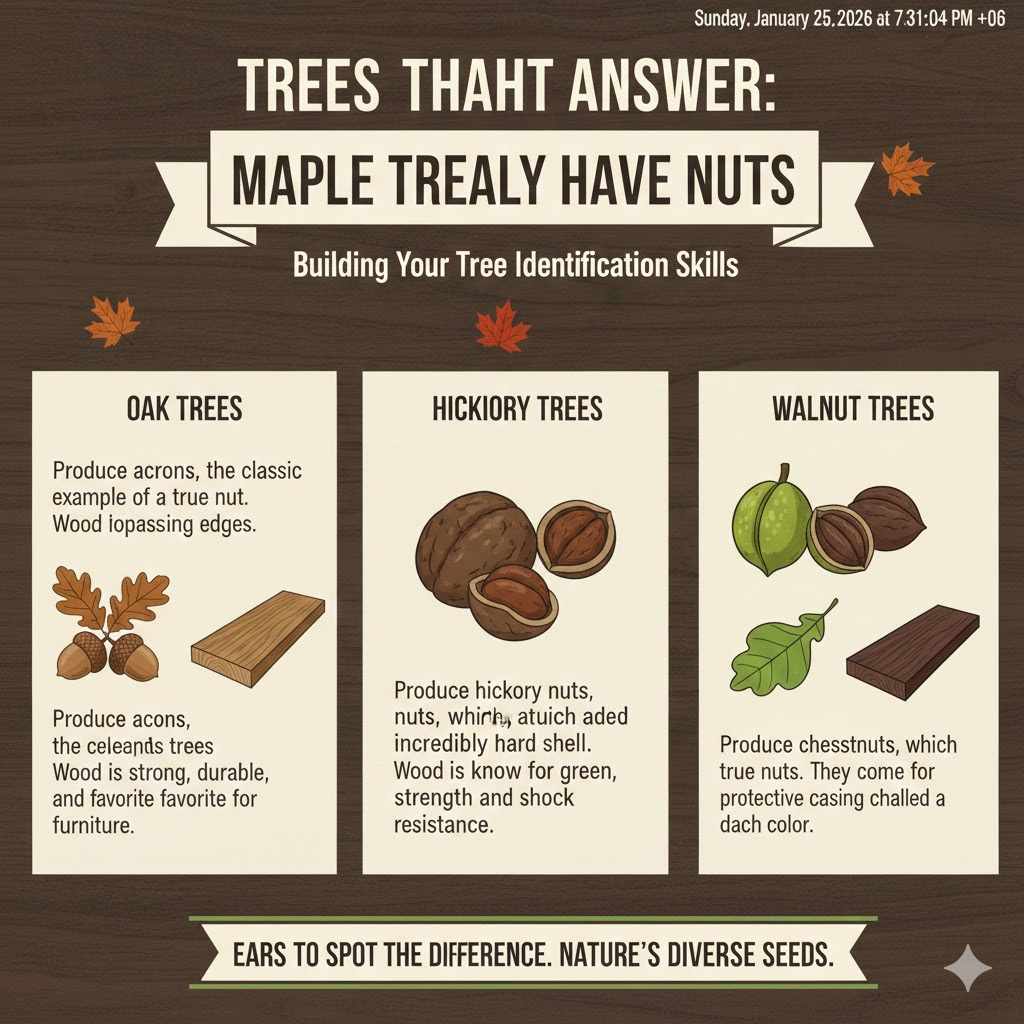
To really cement the idea, let’s quickly look at some common trees you’ll find that do produce true nuts or what we commonly refer to as nuts. This helps build your tree identification skills.
- Oak Trees: Produce acorns, the classic example of a true nut. The cap on the acorn is a dead giveaway. The wood is strong, durable, and a favorite for furniture.
- Hickory Trees: Produce hickory nuts, which have an incredibly hard shell. The wood is known for its strength and shock resistance, making it perfect for tool handles.
- Walnut Trees: The black walnuts you see are actually the seeds of a drupe. The nut is inside a green, fleshy husk that stains everything it touches! Walnut wood is prized for its rich, dark color.
- Chestnut Trees: Produce chestnuts, which are true nuts. They come in a very spiny, protective casing called a burr.
Learning to spot the difference between the “fruit” of these trees and a maple’s samara is a great skill. For a trustworthy online tree identification guide, the Arbor Day Foundation has an excellent interactive tool.
Frequently Asked Questions (FAQ)
What are the little helicopter things from maple trees called?
They are called “samaras.” Common nicknames include helicopters, whirlybirds, spinners, and keys. A samara is a type of dry fruit with a wing that helps the seed travel on the wind.
Are maple keys and maple helicopters the same thing?
Yes, they are just different names for the same thing: the samara. The term “key” is more common in some regions, possibly because the shape resembles an old-fashioned skeleton key.
Can you grow a maple tree from a helicopter seed?
Absolutely! If the seed is viable, you can plant it and grow a new maple tree. Plant it in soil just under the surface (about half an inch deep) and keep it moist. Many will sprout readily if given the right conditions.
Do all maple trees produce these seeds?
Yes, all species of maple trees (in the genus Acer) produce samaras as their method of reproduction. However, the size, shape, and angle of the wings vary between species, which is a great way to tell them apart.
Why do some years have more maple seeds than others?
This is a natural phenomenon called “masting” or a “mast year.” Trees coordinate to produce a massive number of seeds every 2-5 years. The theory is that this overwhelms seed predators (like squirrels), ensuring that some seeds will survive to germinate.
Are maple seeds poisonous to dogs?
The seeds of most common maple species, like Sugar and Silver maples, are generally not considered toxic to dogs. However, the seeds of the Red Maple (Acer rubrum) can be toxic to horses, and its leaves are highly toxic if eaten when wilted. It’s always best to prevent your pets from eating large quantities of any plant material. When in doubt, contact your vet.
What is the difference between a nut and a seed?
A seed is an embryonic plant enclosed in a protective outer covering. A nut is a specific type of fruit that contains a seed. The key distinction is that a true nut has a hard, woody shell that does not split open on its own. All nuts contain seeds, but not all seeds come from nuts.
Conclusion: A Simple Answer to a Common Question
So, there you have it. Maple trees do not have nuts. They have cleverly designed winged seeds called samaras. These “helicopters” are a perfect example of nature’s ingenuity, using the wind to spread and grow new trees far and wide.
Understanding this small fact not only makes you a more knowledgeable homeowner but also a better woodworker. It sharpens your eye for detail and connects you more deeply to the materials you work with. Now, the next time you see those whirlybirds spinning down from the sky, you can smile and know exactly what you’re looking at. You can even point them out to your friends and family and share what you’ve learned.
Keep asking questions, stay curious, and as always, happy woodworking!