Do Mdf Baseboards Need to Be Painted: Essential Guide
Have you ever looked at your home’s baseboards and wondered if they really need that extra layer of paint? If your baseboards are made of MDF, you’re not alone in this curiosity.
MDF, or Medium Density Fiberboard, is a popular choice for baseboards due to its smooth surface and affordability. But the big question is: do MDF baseboards need to be painted? Imagine walking into a room where everything looks polished and complete, but the baseboards tell a different story.
They might seem like a minor detail, but they play a huge role in the overall aesthetic of your home. Without paint, MDF baseboards can stand out for all the wrong reasons, disrupting the harmony of your carefully curated spaces. We’ll unravel the mystery behind painting MDF baseboards. By understanding the benefits and potential pitfalls, you’ll make informed decisions that enhance your home’s beauty and longevity. Ready to discover how a simple coat of paint can transform your living space? Keep reading to find out!

Credit: www.lowes.com
Mdf Baseboards Explained
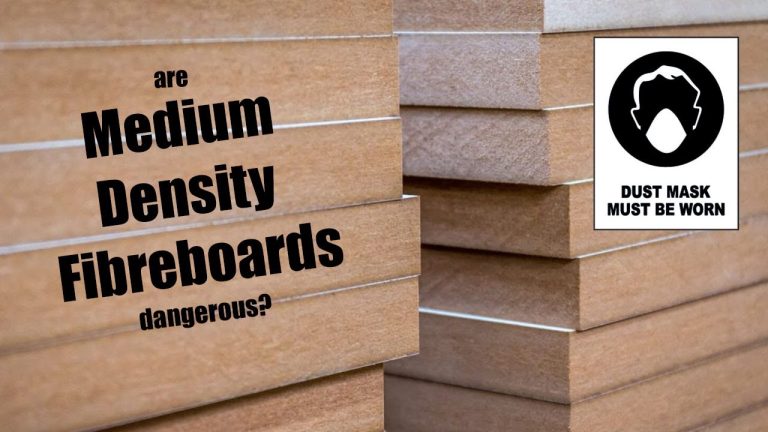
MDF stands for Medium-Density Fiberboard. It is a popular choice for baseboards.
Made from wood fibers and resin, it is smooth and dense. This makes it easy to cut and shape.
Many like MDF because it is less expensive than solid wood. It is also easy to paint.
MDF baseboards come in many styles and sizes. They fit many home designs.
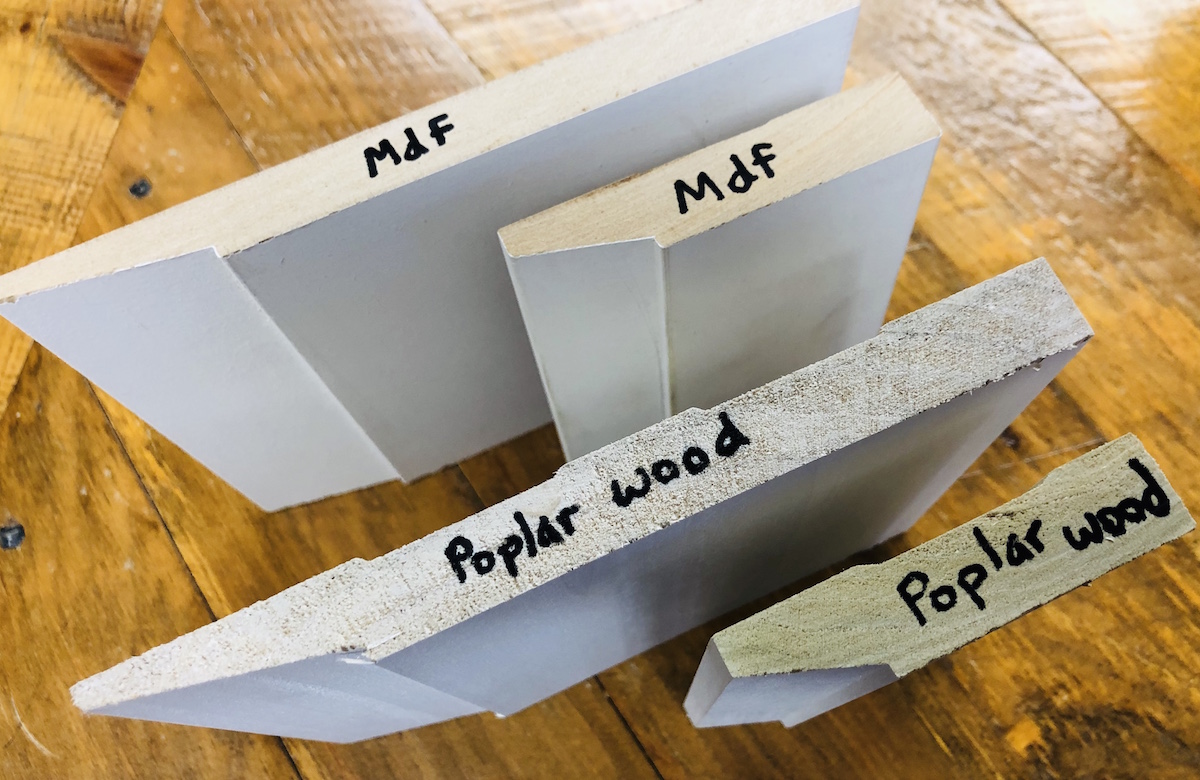
Unlike real wood, MDF does not have a grain. This gives it a clean and uniform look.
It is important to seal MDF before painting. This stops it from soaking up too much paint.
Proper sealing ensures a smooth finish. This makes the baseboards look their best.
Credit: www.royalwoodshop.com
Benefits Of Painting Mdf Baseboards
Painting MDF baseboards makes them last longer. Paint gives a strong layer. This layer protects them from damage. Without paint, they can absorb water. Water makes them swell and bend. Paint keeps them safe from this problem.
Painted baseboards look nicer. They match the room better. A neat look makes the room feel clean. This is important for home style. Paint lets you pick any color you want. Create a fun or calm mood. Choose to fit your style.
Dirt can stick to baseboards. Painted ones are easy to clean. Wipe with a cloth, and they look new again. Unpainted ones show every mark. Paint saves time when cleaning. Keep them fresh and tidy.
Potential Drawbacks
MDF baseboards have some drawbacks. Moisture can damage them. Water exposure makes them swell. Paint helps protect them. It seals the surface. Scratches are common. They show easily. Paint can hide these marks. Dust sticks to them. Unpainted boards look dirty. Paint keeps them clean. Heat can warp MDF. It changes shape. Paint adds strength and resistance. Termites might attack MDF. Paint deters bugs. Cost is a factor. Painting adds to expenses. Some people skip it. Style matters too. Painted boards look better. They fit the room’s design.
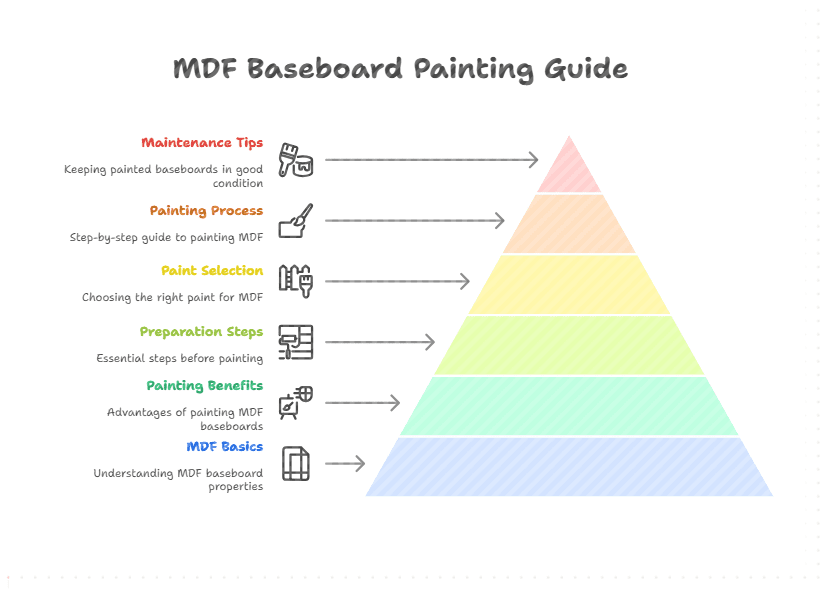
Preparation For Painting
Dirt and dust can stick to baseboards. Use a soft cloth or a vacuum cleaner. This removes all particles. A clean surface helps paint stick better. Avoid using water. Water can damage MDF. Instead, use a dry cloth. If stains are present, gently scrub them away. Clean surfaces make painting easier and neater.
Primer helps paint stick well. Use a good quality primer. Apply one coat and let it dry. This step prevents paint from soaking into the MDF. MDF can absorb paint quickly. Priming saves paint and ensures even color. Check for spots you might have missed. Reapply primer if needed. Once dry, the surface is ready for paint.
Choosing The Right Paint
Acrylic paint is good for MDF baseboards. It dries fast. Oil-based paint is strong. It lasts longer on baseboards. Latex paint is also a good choice. It is easy to clean. Primer helps paint stick better. Use primer before painting.
Light colors make rooms look big. Dark colors make rooms cozy. White is a safe choice. It matches everything. Gray is modern. It looks clean. Bright colors add fun. They make rooms lively. Think about the room’s style. Match the color to the walls. Choose colors that make you happy.
Step-by-step Painting Process
Start with a list of essential supplies. You’ll need a paintbrush or roller, sandpaper, primer, and paint. Choose a drop cloth to protect the floor. Get some tape to keep paint off the walls. Don’t forget a stir stick for the paint. Have a clean cloth ready for any spills.
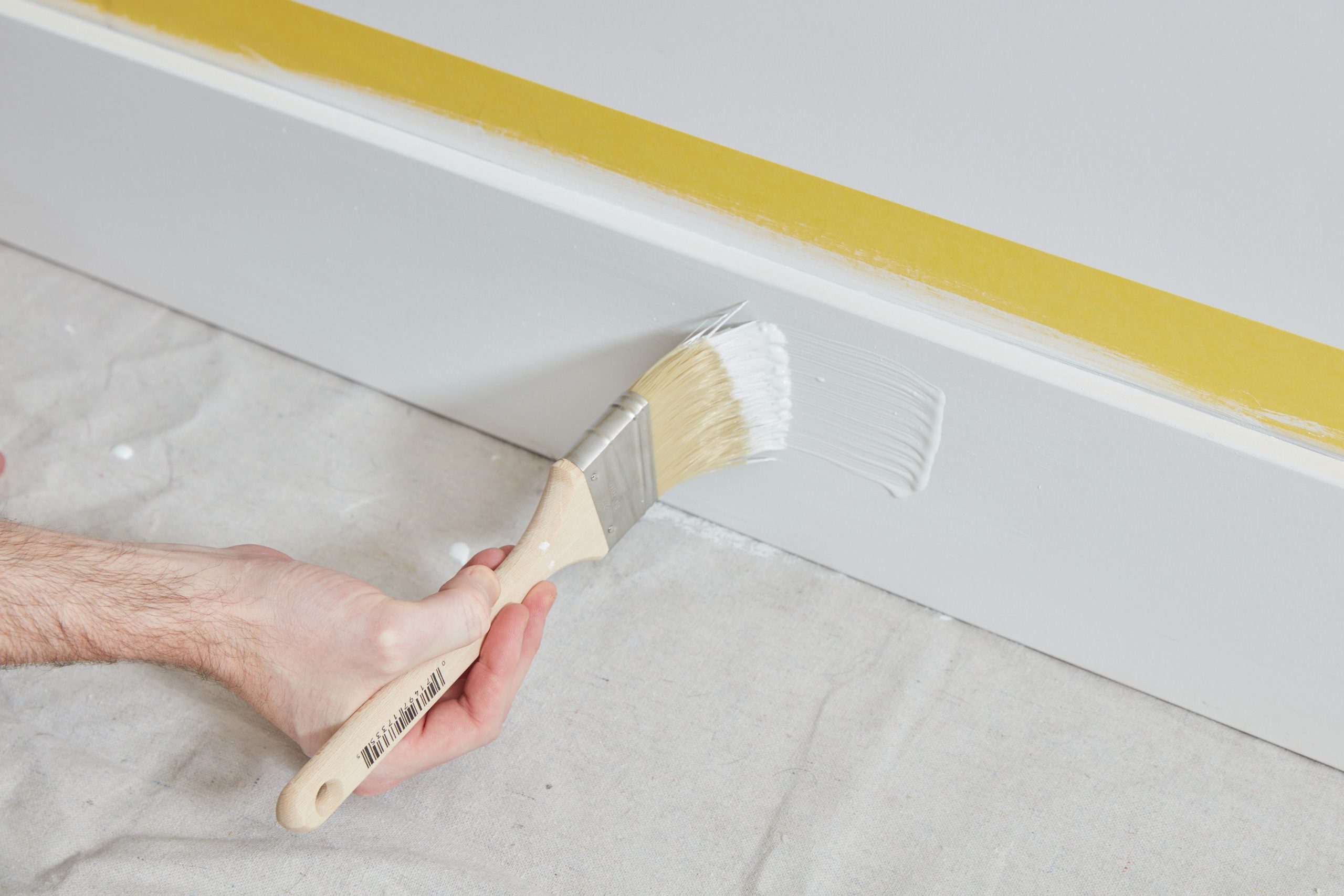
First, sand the baseboards to make them smooth. Use a primer before painting. It helps the paint stick better. Apply the primer evenly. Let it dry completely. Now, use a brush for corners and edges. A roller works well for flat areas. Paint in long, even strokes. This avoids drips and uneven spots. Let the paint dry before adding another coat. This gives a nice, smooth finish.
Maintenance Tips
MDF baseboards need regular cleaning to stay nice. Dust them often. Use a soft cloth or a vacuum. This helps keep them clean. Painting them makes them last longer. It protects from water and damage. Choose good paint for better results. Glossy paint is easier to clean. Inspect for scratches or chips. Fix them quickly. Repair kits are available. Keep them dry to avoid damage. Wet baseboards can swell. Ventilate rooms to control moisture. Avoid harsh cleaners. They can hurt the paint. Mild soap works well. Regular care keeps baseboards strong.
Alternatives To Painting
MDF baseboards can look good without paint. Staining is one option. It gives a natural wood look. Varnishing can make them shine. It protects the surface too.
Wallpaper is another choice. It adds color and texture. Easy to change if needed. Vinyl wrapping is also popular. It offers many styles and designs. Easy to clean and very durable.
Decorative tape can be used. It is quick and fun. Many patterns are available. Laminate sheets can cover baseboards. They look modern and sleek. Easy to stick and remove.
Wood panels can be glued on. They give a classic feel. Tiles can be applied for a unique look. Many shapes and colors are available. Fabric covers add a soft touch. They can be colorful or plain.
:max_bytes(150000):strip_icc()/SPR-mdf-for-molding-and-trim-1822780-hero-a2e61aa2b726423d8181406ea9410ee3.jpg)
Credit: www.thespruce.com
Frequently Asked Questions
What Are The Disadvantages Of Mdf Baseboards?
MDF baseboards are prone to water damage and swelling. They lack the natural look of wood. They can chip or crack easily during installation. Painting and finishing may require extra effort. Their durability is generally lower than solid wood options.
How To Protect Mdf Baseboards?
Seal MDF baseboards with primer to prevent moisture damage. Apply a coat of durable paint for protection. Regular cleaning avoids dirt buildup. Use corner guards to prevent physical damage. Ensure proper installation to minimize exposure to potential threats.
Does Mdf Need To Be Sealed?
Yes, MDF needs sealing to prevent moisture damage. Sealing enhances durability and prepares surfaces for painting. Use primer or sealant for effective results. Proper sealing ensures longevity and maintains MDF quality. Always seal edges, as they’re more prone to absorbing moisture.
Does Mdf Trim Need To Be Primed?
Yes, MDF trim should be primed. Priming protects it from moisture and improves paint adhesion. Use a quality primer for better results.
Conclusion
Painting MDF baseboards adds protection and style. Painted surfaces resist moisture and scratches. They last longer and look fresh. A coat of paint can match any room decor. It’s a simple way to enhance your home’s look. Bare MDF can absorb moisture, which may cause damage.
So, painting is not just for aesthetics, it’s practical too. It seals the surface, making it more durable. With some effort, your baseboards can look great and stay strong. Choosing to paint MDF baseboards is a wise decision. It brings both beauty and longevity to your home.