Is MDF Better Than Solid Wood? It Depends on the Project
MDF beats solid wood for smooth, paintable indoor pieces like cabinets, shelving, and trim, but solid wood wins wherever real structural strength, moisture exposure, or decades of use matter. Unsealed MDF edges swelling in a humid bathroom or under a sustained load are the two failure modes that send most MDF projects back to the shop. This guide compares density, real 2026 sheet pricing, durability, and the exact project types where each material wins — using both MDF and the full range of solid wood species as the baseline.
Quick Answer
MDF is better for smooth, paintable, indoor projects that won’t get wet or bear heavy structural loads — think cabinet doors, shelving, wainscoting, and trim. Solid wood is better wherever the piece will be exposed to moisture, refinished someday, or needs to bear real structural weight, such as furniture legs, stair treads, or outdoor builds.
MDF vs Solid Wood: Key Differences at a Glance
Best MDF Edge Sealer Pick
Zinsser Bulls Eye SealCoat Universal Sanding Sealer
A dewaxed shellac sealer that dries in minutes and seals raw MDF edges before primer — the single fix for the swelling failure covered above.
- Best for: sealing cut MDF edges and faces before painting
- Why we picked it: dries fast enough to seal, sand, and prime in one session; won’t yellow under paint
- Main drawback: shellac-based, so cleanup needs alcohol rather than water
Compare more MDF finishing & repair options
 Option 1 Rustins Quick Drying MDF Clear Sealer
|
 Option 2 Edge Supply Iron-On Wood Veneer Edge Banding
|
 Option 3 Bondo Wood Filler with Hardener
|
As an Amazon Associate we earn from qualifying purchases.
MDF (medium-density fiberboard) is made by pressing wood fibers and resin under heat into a single uniform sheet, so it has no grain, knots, or voids. Solid wood is cut directly from a log, which is why it carries a visible grain pattern and natural strength along that grain that no engineered panel fully replicates. The table below uses real sheet-good numbers rather than vague “MDF is cheaper” claims — most comparisons skip the actual density and pricing data that decide which material survives a given project.
| Property | MDF | Solid Wood | Best For |
|---|---|---|---|
| Density / weight | ~700–800 kg/m³ — a 3/4″ 4×8 sheet weighs 95–100 lb | Pine ~450–500 kg/m³ (lighter than MDF); oak ~700–750 kg/m³ (close to MDF) | Pine for lightweight builds; oak when weight-bearing strength matters |
| Cost per sheet (2026) | 3/4″ 4×8 sheet: $45–60. 1/2″: $25–40 | Comparable hardwood boards or oak plywood often run $70–120+ per sheet-equivalent | MDF for budget-driven builds |
| Moisture behavior | Cut edges swell and crumble if left unsealed; standard MDF is not waterproof | Swells or warps but doesn’t crumble; can dry out and be sanded back | Neither belongs in a shower; oak tolerates occasional splashes better |
| Workability | Routs and cuts cleanly with zero tear-out, but dulls blades faster and won’t hold screws without pilot holes and glue | Grain can tear out on curves, but holds screws and joinery far better | MDF for flat painted panels; wood for anything screwed or joined structurally |
| Refinishing | Can’t be sanded back to bare material or re-stained — sanding through the surface exposes raw fiber | Can be sanded, re-stained, and refinished multiple times over decades | Solid wood for heirloom or resale-value furniture |
Durability and Strength
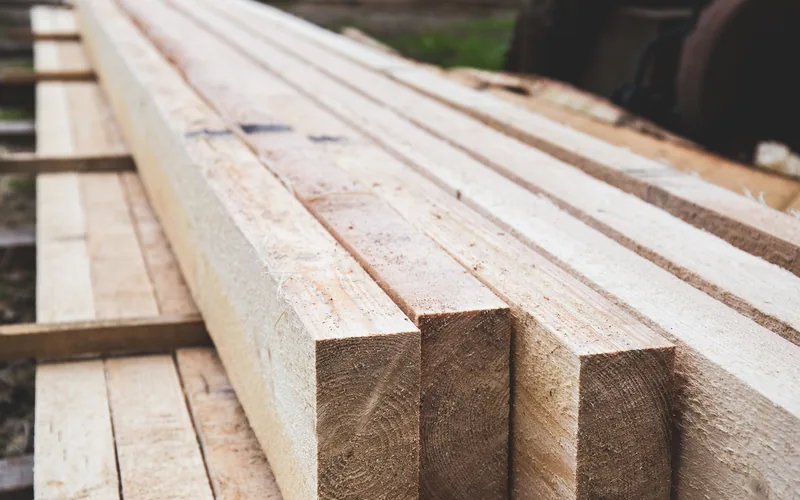
Solid wood wins on raw structural strength because its fiber runs continuously along the grain, letting it flex slightly under load instead of snapping. MDF has no grain to lean on — it resists moisture swelling better than raw, unsealed wood in stable indoor conditions, but a hard impact or dropped corner is more likely to chip or crack clean through rather than dent and hold together the way wood does.
For anything that gets moved, stacked on, or bumped regularly — dining chairs, workbenches, shipping crates — solid wood tolerates the abuse better. MDF is the stronger choice for stationary pieces in a controlled environment: cabinet carcasses, wall panels, and shelving that won’t take repeated impact. Kept dry and unstressed, MDF furniture holds up fine for years; solid wood furniture, maintained properly, is the piece that gets handed down for generations.
Cost and Real-World Pricing
MDF is the cheaper material in almost every comparison: a 3/4″ 4×8 sheet typically runs $45–60 in 2026, and a thinner 1/2″ sheet drops to $25–40. Comparable hardwood boards or oak plywood sheets often land in the $70–120+ range for the same coverage, which is why MDF dominates budget cabinetry, painted furniture, and shelving where the finished look matters more than the material underneath.
The gap narrows on total project cost once you factor in finishing: MDF needs a sealed edge and at least one extra primer coat to look right, while paint-grade pine often needs the same prep anyway. For a natural, unpainted finish, solid wood remains the only real option — MDF simply has no grain to show.
Aesthetic Appeal and Finishing
MDF’s uniform, grain-free surface is genuinely the easier material to paint: it takes paint and veneer evenly with no grain telegraphing through the finish, which is why it dominates painted cabinet doors and trim. Solid wood needs more sanding and sealing to get an even finish, but rewards that extra work with a natural grain pattern, color variation, and depth that no painted MDF surface can fake.
MDF also shapes into tight curves and detailed router profiles more predictably than wood, since there’s no grain direction to fight. If the design calls for intricate molding profiles or curved panel work, MDF is usually the more forgiving material to cut.
Environmental Impact
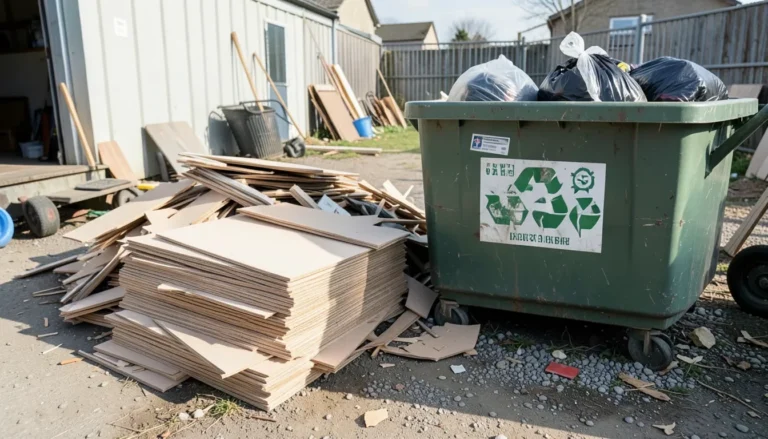
MDF is manufactured from recycled wood fibers and sawmill waste, which means it doesn’t require cutting new trees the way solid lumber does. Its production is more energy-intensive per pound than simply milling a board, and because MDF is bonded with resin, it can’t be composted or easily recycled at end of life — it goes to landfill or gets burned. Solid wood, by contrast, biodegrades naturally and can often be repurposed, refinished, or burned as fuel without the resin and formaldehyde concerns MDF disposal raises.
Best Uses for MDF vs Solid Wood
MDF is the better call for painted cabinet doors, interior wall panels, closet shelving, speaker box enclosures, and any flat panel that will be primed and painted rather than stained. Its dimensional stability also makes it popular for interior door frames and window sills in dry rooms.
Solid wood is the better call for anything load-bearing, exposed to weather, or intended to last decades: furniture legs, stair treads, deck framing, and outdoor builds. It’s also the only sensible choice when the piece will eventually need repair or refinishing rather than replacement — MDF can be patched, but it can’t be sanded back to bare material the way solid wood can. For a related engineered-panel comparison, see how MDF stacks up against OSB board and how the two compare on weight against plywood.
Maintenance and Care
MDF only needs a dry or barely-damp cloth for regular cleaning — standing water and harsh chemicals are what cause the swelling and delamination MDF is known for. Small chips sand out and fill easily, but any prep work should start with a compatible primer to seal the repair before repainting.
“The failure we see most on MDF furniture builds is always the same: an edge that wasn’t sealed before paint, and it swells the first time it gets wiped down with a wet cloth. A coat of shellac-based sanding sealer on every cut edge, before primer, fixes this permanently.”
Solid wood tolerates more day-to-day wear but still needs periodic conditioning: an occasional coat of oil or wax on unfinished pieces, and prompt wipe-ups to prevent water rings on finished surfaces. Unlike MDF, a scratched or dulled wood surface can be sanded and refinished rather than replaced.
Pros and Cons
MDF Pros and Cons
- Pros: cheaper per sheet, paints smoothly with no visible grain, resists warping in stable conditions, cuts and routes without tear-out, no knots or splinters
- Cons: swells and crumbles at unsealed edges, weaker than solid wood under load, can’t be refinished, heavier than plywood of the same thickness, some grades emit formaldehyde
Solid Wood Pros and Cons
- Pros: strong along the grain, can be refinished repeatedly, ages and develops character over decades, tolerates outdoor use when properly sealed, repairable rather than disposable
- Cons: costs more per board foot, expands and contracts with humidity, natural knots and grain can complicate a flawless painted finish, heavier upfront cost for large flat panels
Frequently Asked Questions
What are the disadvantages of MDF?
MDF is susceptible to moisture, leading to swelling and damage at unsealed edges. It lacks the structural strength of solid wood, can emit formaldehyde from some resins, and is prone to chipping or splitting during cutting or nailing without pilot holes. It’s also heavier than plywood of the same thickness.
Should I use MDF or wood?
Choose MDF for smooth, paintable, indoor surfaces where budget matters — cabinet doors, shelving, and trim. Choose solid wood for anything load-bearing, exposed to moisture, or that you want to refinish rather than replace down the road.
When should you not use MDF?
Avoid MDF in high-moisture areas like bathrooms, kitchens near sinks, or anywhere it could sit in standing water — it swells and breaks down when wet. It’s also unsuitable for outdoor use, heavy structural loads, or load-bearing shelving without additional support.
Does MDF last as long as wood?
No. Solid wood withstands wear, moisture, and repeated refinishing far better over a multi-decade lifespan. MDF is more affordable and dimensionally stable short-term but needs careful handling and sealed edges to hold up even for 10–15 years.
Is MDF or solid wood better for outdoor projects?
Neither is a good default choice outdoors without extra protection. Standard MDF breaks down quickly in weather even when painted; moisture-resistant MR-MDF holds up slightly better but still isn’t exterior-rated. Solid wood, sealed and maintained, is the more realistic outdoor material — pressure-treated lumber or naturally rot-resistant species like cedar are the standard choice for exterior builds.
Conclusion
Neither material is universally “better” — MDF wins on cost, paintability, and dimensional stability for indoor, non-structural pieces, while solid wood wins on strength, refinishability, and lifespan wherever the project faces moisture, load, or the test of time. Match the material to the specific job rather than picking a default, and seal every cut MDF edge before it ever sees primer.
Sponsored / affiliate links. As an Amazon Associate I earn from qualifying purchases. I may earn additional commission from eligible campaigns.