How to Fix MDF Wood: Repair Scratches, Swelling & Water Damage
Fix MDF wood with wood filler and sandpaper for scratches and small dents, but use a fast-curing filler like Bondo rather than standard wood putty for anything near a water-damaged area — regular fillers can swell right along with wet MDF. Severe swelling from water exposure often can’t be fully reversed once the fibers have expanded.
This guide covers repairing scratches, chipped edges, and swollen or warped sections, plus which fillers and sealants actually hold up on MDF instead of making the problem worse.
Identifying MDF Damage
Best MDF Repair Filler Pick
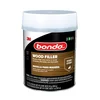
3M Bondo Wood Filler, 30 oz. with Hardener
A fast-curing, two-part filler that won’t re-swell the way standard water-based putty can on damp MDF.
- Best for: Repairs near previously water-damaged or swollen MDF sections.
- Why we picked it: Cures hard and sandable in minutes, and doesn’t absorb moisture like standard fillers.
- Main drawback: Requires mixing hardener correctly — small batches only, it sets fast.
Compare more MDF repair supplies
 Option 1 Zinsser Cover-Stain Oil-Based Primer
|
 Option 2 Gorilla Wood Glue, 8 oz.
|
As an Amazon Associate we earn from qualifying purchases.
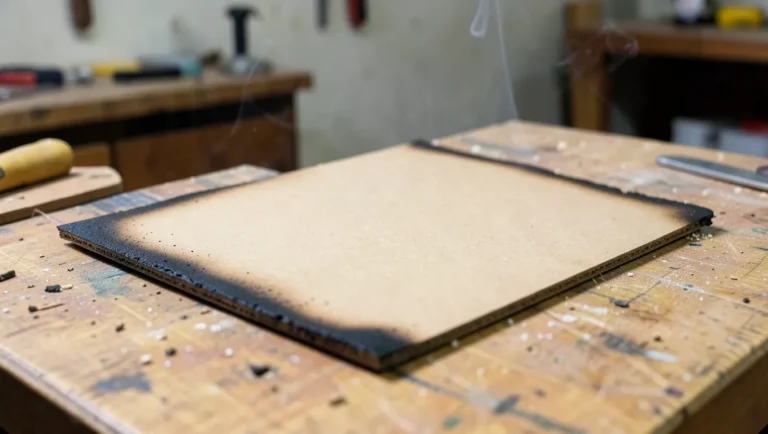
MDF often shows signs of damage. Scratches are common. They can make the surface rough. Dents occur from bumps. They leave small holes. Water damage is serious. It can cause swelling and discoloration. Cracks may appear over time. They weaken the wood.
Wear and tear show in different ways. Edges might become rough. Corners may break or chip. Surface finish could fade. Stains are hard to remove. They make the wood look old. Swelling is a big problem. It happens when MDF gets wet. Peeling occurs on the surface. It affects the look of the wood.
Essential Tools And Materials
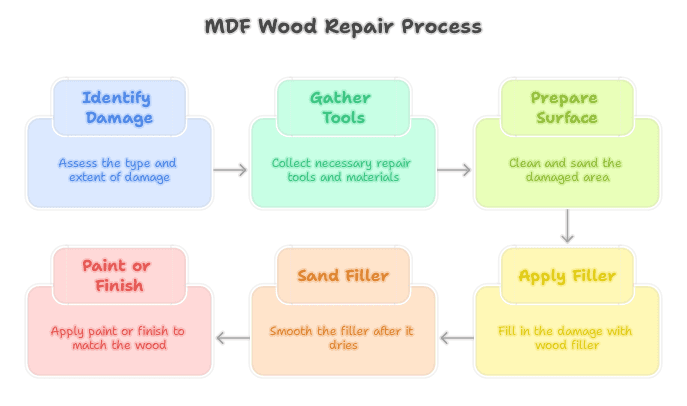
To fix MDF wood, essential tools include sandpaper, wood filler, and a putty knife. Materials like primer and paint help restore its appearance. Proper tools ensure smooth repair and lasting results. For more on this material generally, see our full MDF category.
Basic Repair Kit
A basic repair kit for MDF wood is easy to gather. You need sandpaper, wood filler, and a small saw. Sandpaper smooths rough edges. Wood filler covers cracks or holes. The small saw trims uneven parts. A screwdriver helps with loose screws. These tools fix minor MDF issues quickly.
Choosing The Right Adhesives
Adhesives are essential in fixing MDF wood. Wood glue is common. It bonds surfaces well. Epoxy glue is very strong. It’s for heavy-duty repairs. Some glues dry clear. Others leave marks. Read labels to choose right. Proper adhesive choice ensures lasting repair.
Repairing Surface Scratches
Minor scratches on MDF can be fixed easily. First, clean the area with a damp cloth. This removes dust and dirt. Next, use wood filler to fill the scratch. Choose a filler that matches the color of your MDF. Apply the filler with a putty knife. Smooth it evenly over the scratch. Let it dry for a few hours. Once dry, sand the area lightly. Sanding makes the surface smooth. Now, the scratch is less visible.
Sanding is important for a smooth finish. Use sandpaper to sand the repaired area. Start with coarse sandpaper. Then use fine sandpaper for a smooth result. Wipe off dust with a clean cloth. Now, apply a coat of paint or varnish. Choose a color that matches your MDF. Let it dry completely. Repeat sanding if needed for perfect results. This process makes MDF look new again.
Fixing Edge And Corner Damage
Damaged edges on MDF wood need special care. First, clean the edge. Use a soft cloth to remove dust. Apply wood filler to the damaged part. Let it dry for a few hours. Once dry, sand the area. Use fine sandpaper. Make the surface smooth. Paint or seal the edge for protection. Choose a color that matches. This helps the edge look new again.
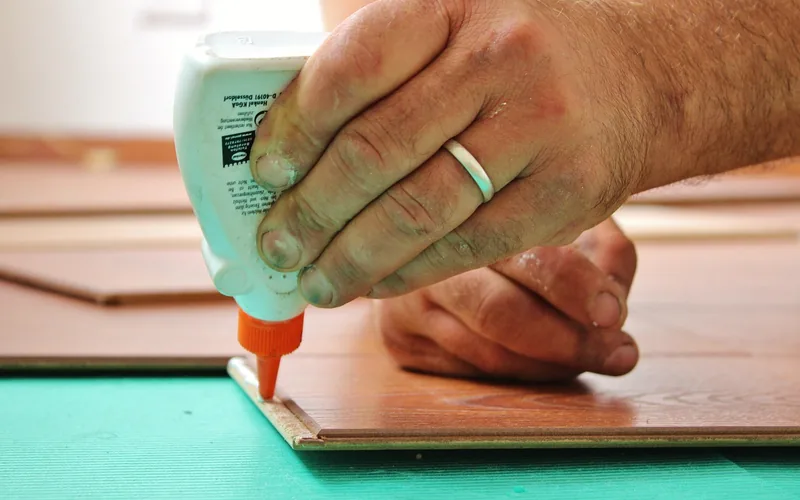
Loose corners can make the wood weak. First, press the corner gently. Apply glue to the loose spot. Use wood glue for best results. Hold the corner tightly until the glue dries. A clamp can help here. Check the corner for strength. If it feels firm, the job is done. Paint over the corner to match the rest. This keeps the wood safe and strong.
Dealing With Swelling And Warping
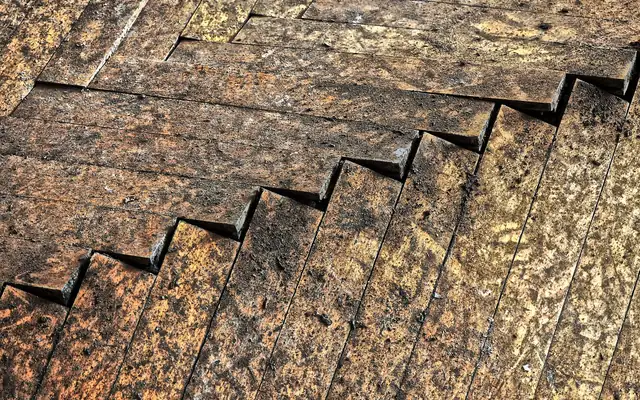
Swelling in MDF wood happens when it gets wet. Dry the wood slowly. Use a fan or heater for better results. Keep the room warm and dry. Do not rush the process. Quick drying can harm the wood. Check the wood often. Look for cracks or breaks. A hairdryer can help with small areas. Keep it on low heat. This helps prevent damage. Minor swelling can be sanded down and stabilized, but once MDF fibers have fully expanded from soaking, they won’t shrink back completely — in that case, cutting out and replacing the swollen section is more reliable than trying to sand it flush. Standard water-based wood fillers can also swell right along with wet MDF, so use a fast-curing filler like Bondo or a water-free filler on any repair near a previously wet area.
Seal MDF wood to keep moisture away. Use a good sealant for long-lasting protection. Apply sealant on all sides. This stops water from getting in. Store MDF in dry places. Humidity harms the wood. Keep it off wet floors. Use furniture pads for safety. Regular checks are important. Look for signs of swelling. Fix issues early to save the wood.
Restoring MDF Surfaces
MDF can look rough. Sanding helps smooth it. Use sandpaper gently. Dust off the surface. Prime before painting. Choose a good primer. It stops moisture. Paint evenly. Choose a suitable paint. Acrylic works well. Let it dry. This gives a neat finish.
Coatings protect MDF. Choose a water-resistant coating. It keeps MDF safe. Apply thin layers. Let each layer dry. Inspect for bubbles. Sand if needed. Finish with a top coat. This seals the surface. It adds durability. Your MDF will last longer.
Preventive Maintenance Tips
MDF wood needs regular checking. Look for cracks or scratches. These can damage the wood. Use a soft cloth to clean it. Dust can harm MDF wood. Inspect corners and edges carefully. They can be weak spots. Check for moisture. Wet MDF can swell. Dry it quickly if wet. Use a fan or heater to help.
Keep MDF wood away from water. Water can ruin it. Humidity is bad for MDF. Use a dehumidifier in damp rooms. Temperature changes are harmful. Keep rooms at steady temperatures. Avoid putting MDF near windows. Sunlight can fade the color. Cover MDF with cloth to protect it. Air flow is important. Good air keeps MDF safe.
Frequently Asked Questions
Can MDF Wood Be Repaired?
Yes, MDF wood can be repaired. Use wood filler for small scratches or dents. For larger damages, replace the affected section. Sand and repaint for a smooth finish. Regular maintenance helps in prolonging its life.
Can I Put Wood Filler On MDF?
Yes, you can apply wood filler to MDF. Ensure the surface is clean and dry before application. Wood filler helps smooth imperfections and can be sanded for a polished finish. Choose a filler compatible with MDF for best results.
How To Fix MDF Wood Water Damage?
Dry the MDF completely using fans or a dehumidifier. Sand the damaged area gently to remove swelling. Apply wood filler to cracks or holes, then sand smooth. Prime and repaint the surface to seal and protect. Ensure proper ventilation to prevent future moisture issues.
How To Fix MDF Together?
Use wood glue to bond MDF pieces securely. Apply glue evenly on surfaces. Clamp tightly for a strong hold. Predrill holes to prevent splitting when using screws. Use screws specifically designed for MDF. Sand edges smoothly for a perfect finish.
Conclusion
Fixing MDF wood is straightforward with the right steps. Gather tools and materials before starting. Clean and sand the damaged area carefully. Use wood filler for gaps and cracks. Let it dry fully. Sand again for a smooth finish. Apply primer and paint to seal.
Protect it from moisture. Regular maintenance keeps MDF looking new. These simple steps help extend its lifespan. You can handle repairs confidently. Enjoy your MDF projects with these easy fixes.
Sponsored / affiliate links. As an Amazon Associate I earn from qualifying purchases. I may earn additional commission from eligible campaigns.