How to Strengthen MDF Boards (Boost Screw Hold by 50%)
MDF boards gain real strength from three fixes: PVA wood glue in every pilot hole (boosts screw-holding power 30-50%), thin CA glue on stripped or exposed edges, and a plywood or frame backer on any span over 24 inches. Skip these and MDF splits at screws, sags under load, and swells if water reaches an unsealed edge. This guide covers screw-hole reinforcement, edge sealing, lamination, and which method to use where.
Insert your Affiliate Disclosure reusable block here.
What Is MDF and Why Does It Need Reinforcing?
Best MDF Reinforcement Pick
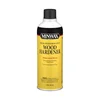
Minwax High Performance Wood Hardener, 1 Pint – $18.35
Hardens soft or damaged MDF edges in 2-4 hours before filling — the wood hardener fix covered in the durability section above.
- Best for: soft, chipped, or water-softened MDF edges before repair
- Why we picked it: penetrates and hardens in 2-4 hours per the manufacturer’s own data sheet
- Main drawback: only fixes soft/damaged spots — it does not add strength to solid, undamaged MDF
Compare more MDF reinforcement supplies
 Option 1 Thin CA Wood Glue, 60g – $9.99
|
 Option 2 Birch Iron-On Edge Banding, 3/4in x 50ft – $15.99
|
 Option 3 Stainless L Bracket Corner Braces, 40-Pack – $6.99
|
As an Amazon Associate we earn from qualifying purchases.
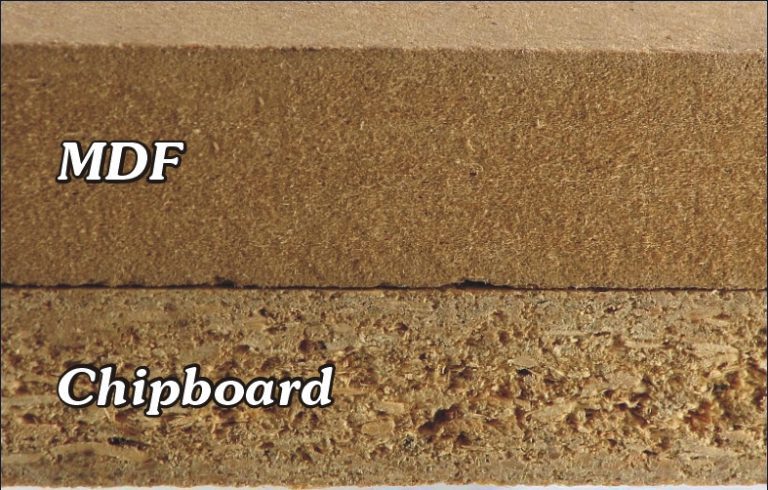
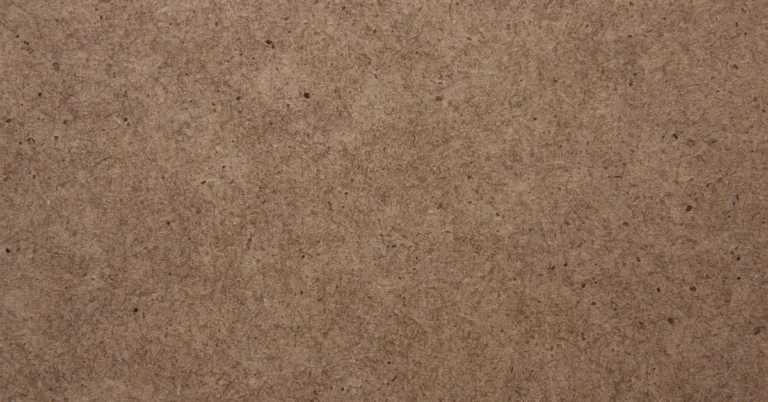
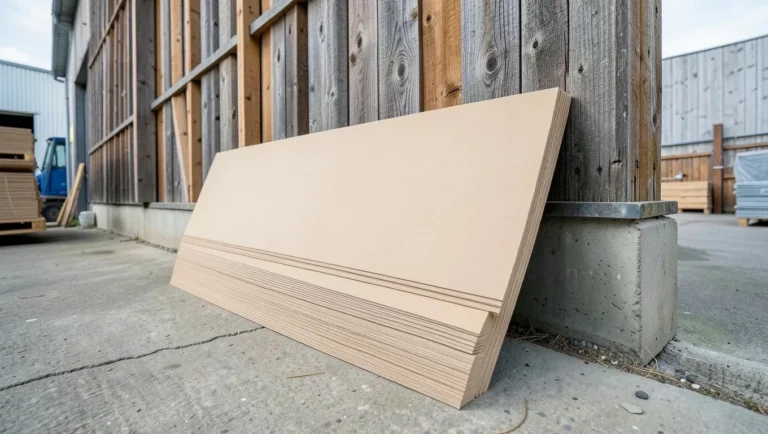
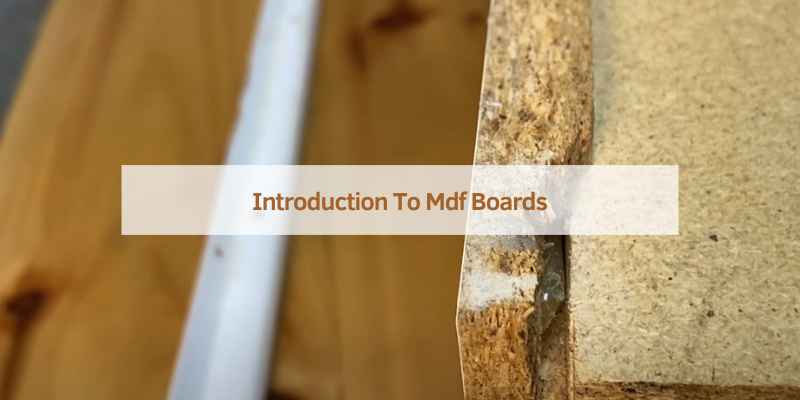
MDF (medium-density fiberboard) is wood fiber and resin pressed under heat into a dense, uniform panel — no grain, no knots, and easy to cut without chipping. That density is exactly why it’s popular for MDF cabinet boxes, shelving, and speaker enclosures, and exactly why it needs help at the two places solid wood doesn’t struggle: screw holes and cut edges.
What Makes MDF Different From Plywood or Solid Wood
MDF has no long wood fibers running through it, so a screw threading into MDF grips loose fiber dust instead of grain — that’s the actual mechanical reason MDF strips out more easily than plywood. MDF vs. solid wood comes down to that trade-off: MDF is smoother, flatter, and cheaper; solid wood holds fasteners natively without help.
Where MDF Is Used (and Where It Needs Reinforcement Most)
MDF shows up in cabinet doors, interior trim, shelving, and speaker boxes because its density deadens vibration and its surface takes paint evenly. Every one of those uses eventually puts stress on a screw, a cut edge, or a load-bearing span — the three weak points this guide reinforces.
Why MDF Struggles With Durability
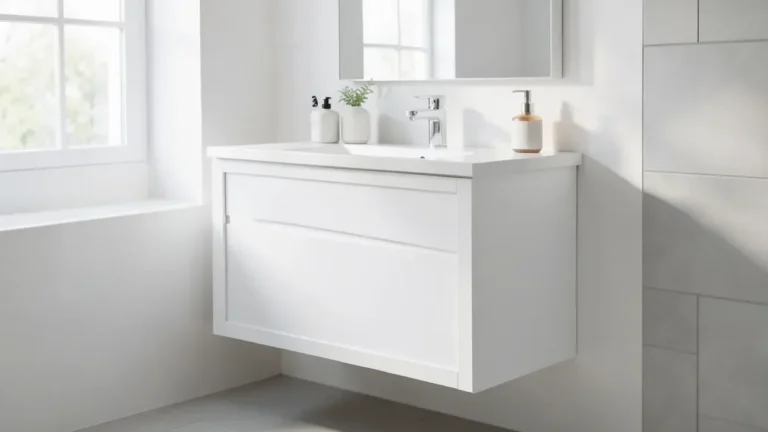
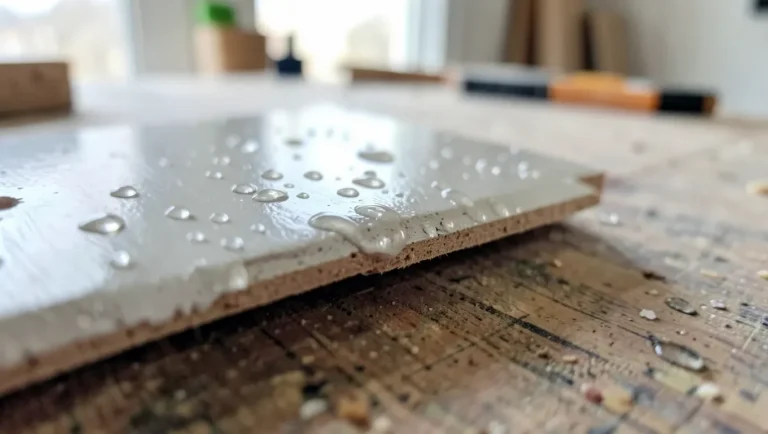
Moisture is MDF’s real weak point. Because the material is compressed wood dust, it wicks water along a cut edge and swells permanently — sanding it back down doesn’t undo that swelling. Is MDF strong enough for a given project comes down almost entirely to how well its edges are protected, not the panel itself. Keep MDF projects out of direct-splash zones like sink cabinets and bathroom vanities unless every edge is sealed first.
Impact damage is the second issue. MDF dents and chips at corners more easily than plywood because there’s no long fiber running along the edge to resist a knock. Furniture pads on legs, a sealed edge, and a coat of primer before paint cut most of that risk.
Comparing MDF Reinforcement Methods: Cost, Strength & Difficulty
No single fix works for every MDF weak point — screw holes, edges, and spans each need a different reinforcement. Here’s how six real methods compare, based on typical retail pricing and the sources cited throughout this guide.
| Method | Best For | Added Strength | Cost | Difficulty |
|---|---|---|---|---|
| PVA glue in pilot hole | Any screw connection | +30-50% screw hold | $5–8 | Easy |
| Thin CA glue | Stripped holes, edges | Hardens torn fibers fast | $8–15 | Easy |
| Wood hardener | Soft or damaged edges before filling | Rock-hard surface in 2–4 hrs | $15–20 | Easy |
| Iron-on edge banding | Exposed cut edges | Blocks moisture, resists chipping | $10–20/roll | Moderate |
| Plywood/laminate lamination | Large panels, shelving spans | Major stiffness increase | $30–60/sheet | Advanced |
| Frame + corner brackets | Tabletops, cabinet carcasses | Prevents warping and racking | $10–25 | Moderate |
Preparation For Strengthening MDF
Gather PVA wood glue, clamps, 150-grit sandpaper, a clean cloth, safety glasses, and gloves before starting any of the methods above — working through this list first saves a second trip to the shop mid-project.
Clean the MDF surface with a dry cloth, then sand lightly with 150-grit sandpaper to open the surface fibers — this is what lets glue and sealer actually bond instead of sitting on top. Wipe away all dust before applying anything.
Reinforcing MDF Screw Holes and Joints
Screw holes are where MDF fails first, because the material has no long grain fibers to grip — a screw threading straight into MDF tears loose fiber dust instead of biting into solid wood.
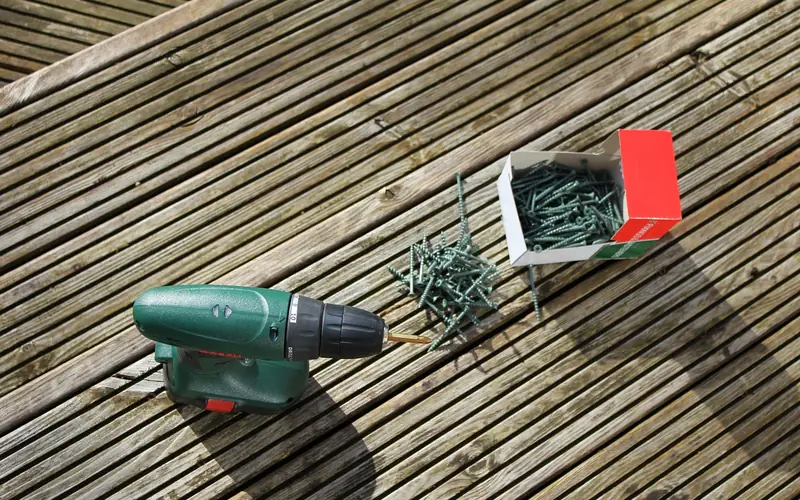
Drill a pilot hole sized to the screw’s minor diameter, then add a few drops of PVA wood glue into the hole before driving the screw.
📊 PVA wood glue in a pilot hole increases MDF’s screw-holding power by 30-50% compared to a dry screw. — Source: VIRMDF Screw Holding Guide
For a screw hole that’s already stripped, back the screw out, drip in thin CA glue — not the thick gel kind, it needs to wick into the fiber — let it cure for about a minute, then re-drive the same screw. The CA glue hardens the torn fibers around the hole into a solid mass the threads can actually grip.
“I add glue to every MDF pilot hole out of habit now — it’s a 10-second step, and it’s the difference between a shelf bracket that’s still tight in five years and one that’s wobbling in five months.”
Sealing MDF Surfaces
Sealant matters more on MDF than on solid wood because it’s the only thing standing between the fiber core and moisture. Polyurethane, shellac, and lacquer all work — polyurethane is the most water-resistant of the three, shellac dries fastest, and lacquer sprays the smoothest finish.
Apply a thin, even coat with a brush, roller, or spray gun on a clean, dust-free surface. Let each coat dry fully, then sand lightly with 220-grit before the next one — that’s what keeps the final surface smooth instead of textured.
Reinforcing With Laminates and Plywood Lamination
Gluing a layer of laminate or thin plywood to an MDF panel adds real stiffness, not just surface protection — this is the method to reach for on shelves or tabletops that flex under load. Moisture-resistant laminate is worth the extra cost in kitchens and bathrooms; a standard grade holds up fine everywhere else.
Contact cement bonds laminate instantly and holds under load-bearing shelves. PVA glue works better for plywood-to-MDF lamination and gives more time to reposition before it sets. Spread a thin, even layer on both surfaces, press together firmly with a roller to clear air bubbles, and clamp or weight the panel while it cures — at least 24 hours before you put any load on it.
Edge Banding For Enhanced Durability
Edge banding does double duty on MDF: it hides the fibrous cut edge and blocks the moisture path that causes swelling. 3mm edge banding is the standard choice for most furniture-grade panels.
Types Of Edge Bands
Plastic (PVC) edge bands are the most affordable and moisture-resistant option. Wood veneer edge bands give a natural look you can paint or stain to match. Melamine bands come pre-finished to match manufactured cabinet colors out of the box. Pick based on whether the piece gets painted, stained, or matched to existing cabinetry.
Attachment Process
- Cut the band to length: Cut the edge band a little longer than the edge it will cover.
- Heat the adhesive: Run a household iron over the band to melt the pre-applied hot-melt adhesive.
- Press and hold: Press the band firmly against the MDF edge while it’s still warm, and hold for a few seconds as it cools.
- Trim the overhang: Trim any extra band with a sharp utility knife.
- Sand flush: Sand the edges smooth so the band sits flush with the face of the panel.
Using Frame Supports and Corner Brackets
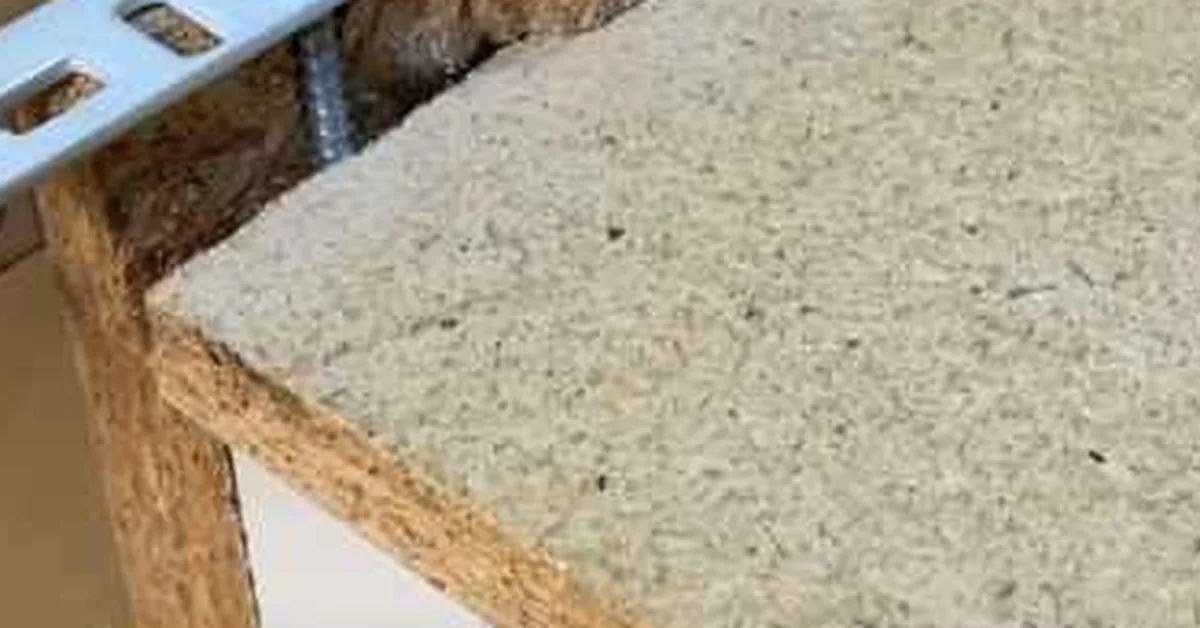
A frame built from hardwood or metal around the perimeter of an MDF panel stops the bending and warping MDF is prone to on its own — standard practice on tabletops and cabinet carcasses wider than about 24 inches. Crossbars spaced evenly through the frame spread the load further and keep a large panel from sagging in the middle.
Corner brackets and gussets reinforce the joints themselves rather than the span. Screw brackets into pre-drilled, glue-reinforced pilot holes (see the screw-hole section above) at every corner, and use gussets at any joint that takes regular stress, like a chair rail or a drawer front.
Maintenance Tips For Longevity
Dust MDF furniture with a soft, dry cloth and wipe up spills immediately — standing water is what actually causes swelling, not routine cleaning. A barely damp cloth and mild soap handle most stains; skip ammonia-based or abrasive cleaners, which can dull the finish.
Fix small dents with wood filler and sand flush once it’s dry; for a stripped screw hole, use the CA-glue fix above rather than just re-driving a bigger screw. Reseal or repaint any area you sand or repair so the fix doesn’t become a new weak point.
Frequently Asked Questions
How To Make MDF Board Stiffer?
Laminate a sheet of 1/4-inch plywood to the MDF face with PVA glue and clamp it for 24 hours, or build a hardwood frame around the panel’s edge — both add real stiffness, not just surface hardness.
How Do You Reinforce MDF?
Add PVA glue to every screw pilot hole (boosts hold 30-50%), seal cut edges with edge banding or wood hardener, and use corner brackets at load-bearing joints.
How To Make MDF Furniture Stronger?
Glue and screw joints rather than screwing alone, seal every exposed edge against moisture, and add a hardwood or metal frame around large panels like tabletops and cabinet tops.
Can MDF Be Made Waterproof?
Not fully — MDF can only be made water-resistant, not waterproof. Sealing every cut edge with polyurethane, wood hardener, or edge banding blocks most moisture, but MDF that’s submerged or constantly wet will eventually swell no matter what sealant is used.
Does Epoxy Make MDF Stronger?
Yes, for gap-filling and edge repair. Epoxy cures to a hard, sandable solid that resists moisture better than the surrounding MDF, which is why it’s the standard fix for chipped corners and larger voids — mix and apply it per the product’s stated cure time, typically around 24 hours before sanding.
How Long Does Wood Hardener Need To Cure On MDF?
Minwax High Performance Wood Hardener hardens in 2-4 hours before you can fill over it, per the manufacturer’s technical data sheet — cooler or more humid shop conditions can extend that window.
Conclusion
MDF gains real strength from targeted fixes, not a single product: glue in the pilot holes, a sealed or banded edge, and a frame or laminate backer on anything that spans or bears weight. Match the method to the actual weak point — screw, edge, or span — and an MDF project holds up as long as one built from solid wood.
Sponsored / affiliate links. As an Amazon Associate I earn from qualifying purchases. I may earn additional commission from eligible campaigns.