Does Butcher Block Oil Seal Wood Properly?
Many people ask, Does Butcher Block Oil Seal Wood Properly? It’s a common question, especially if you’re new to caring for your wooden kitchen surfaces. You want your beautiful butcher block to look its best and last for years. Sometimes, it’s hard to know if you’re doing the right thing. Don’t worry, this guide will show you simple steps to make sure your wood is protected. We’ll explain everything clearly so you can feel confident. Let’s find out how to keep your butcher block in great shape.
How Butcher Block Oil Works to Seal Wood
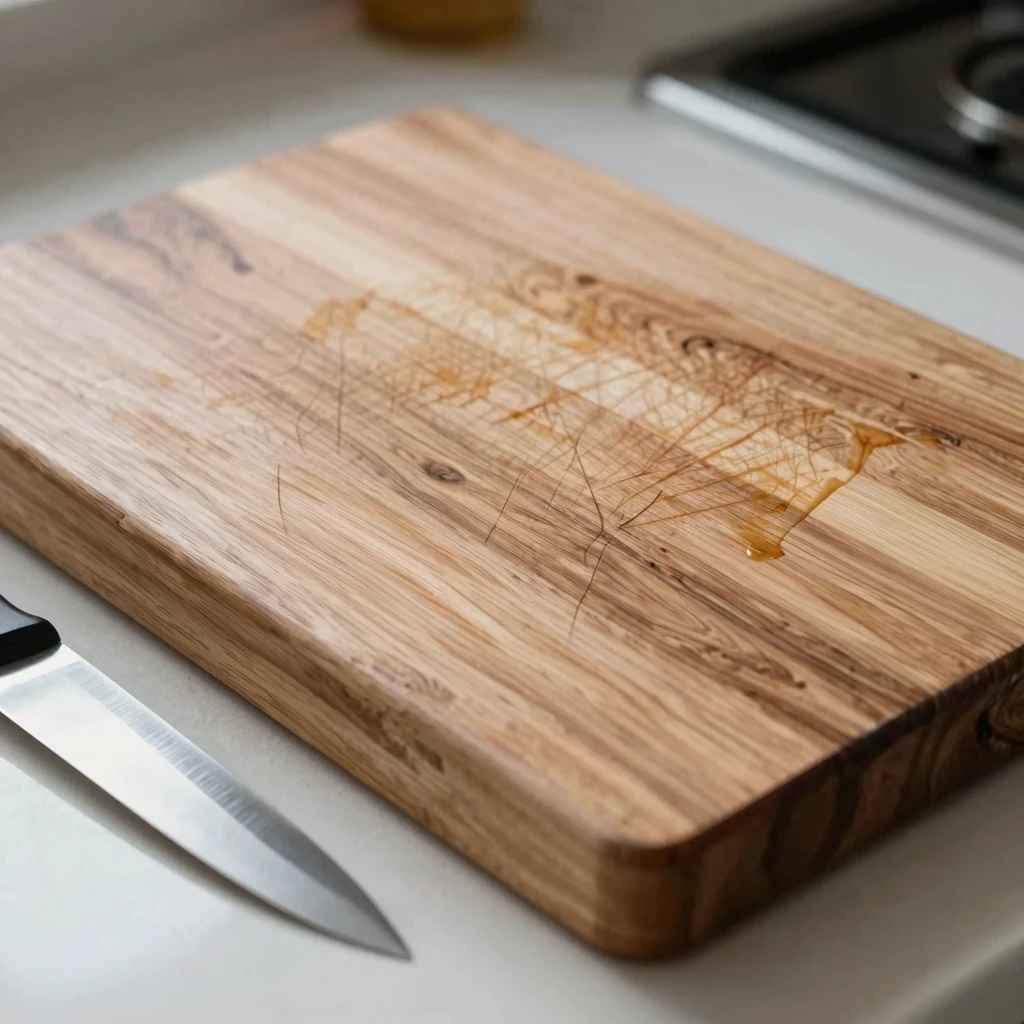
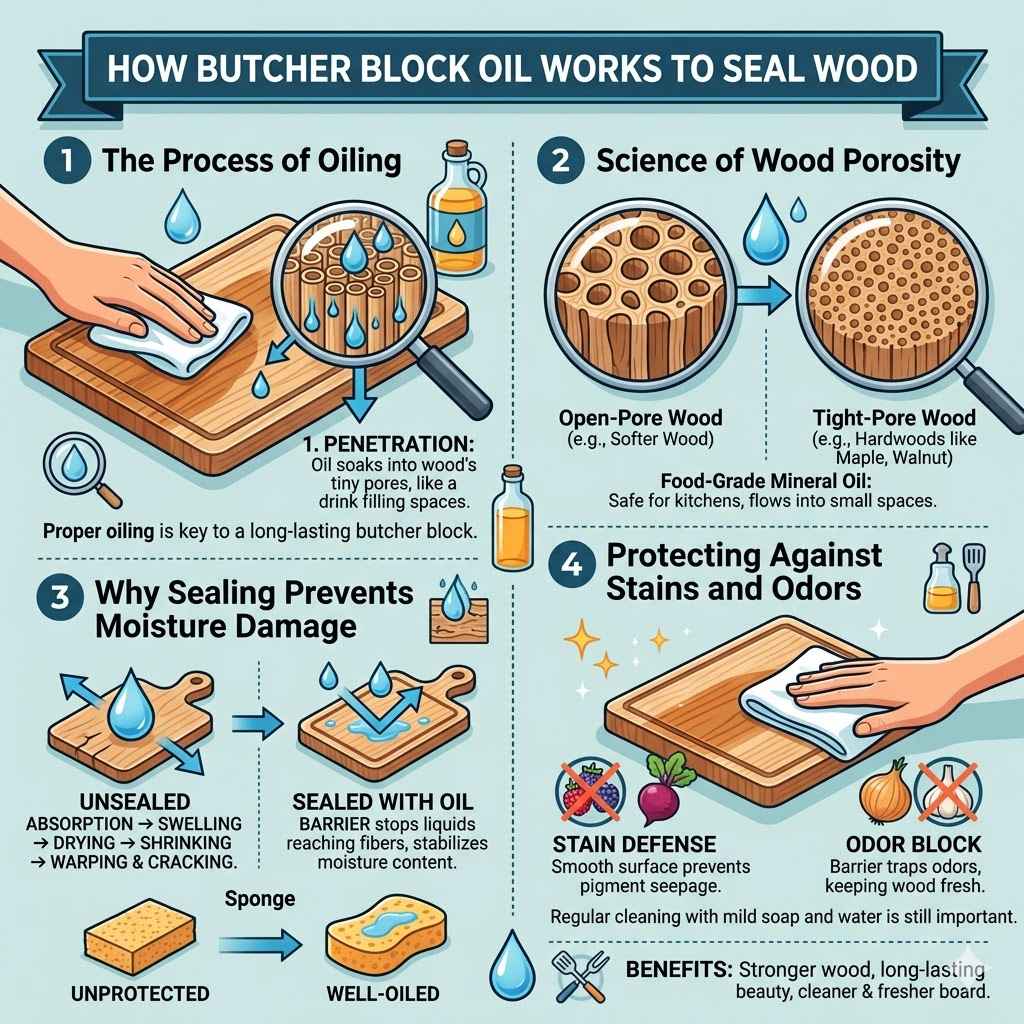
When you oil your butcher block, you’re not just making it shiny. You’re actually helping it in a big way. The oil soaks into the wood’s tiny pores. Think of it like giving the wood a drink. This drink fills up the spaces, making it harder for water and stains to get in. It also stops the wood from drying out and cracking. This keeps your cutting board strong and looking good. Proper oiling is key to a long-lasting butcher block.
The Science Behind Wood Porosity
Wood is made up of many small tubes and fibers. These create tiny holes, or pores, throughout the wood. The size and density of these pores can change depending on the type of wood. For example, hardwoods like maple and walnut have tighter pores than softer woods.
When you apply oil, it’s a liquid that’s thinner than water. This allows it to flow into these small spaces. The oil molecules spread out and fill the pores. This process is called penetration. The deeper the oil can penetrate, the better the seal.
Some oils are better at penetrating than others. Food-grade mineral oil is often recommended because it’s safe for kitchen use and has good penetration. Other oils, like linseed oil, can also work but might require more care in application and curing.
Why Sealing Prevents Moisture Damage
Moisture is the enemy of wood. When wood gets wet, it swells up. If it dries out too quickly, it shrinks. This constant swelling and shrinking can cause wood to warp, crack, and even split.
By filling the pores with oil, you create a barrier. This barrier stops liquids, like water from washing dishes or spills from food, from reaching the wood fibers. It also slows down how quickly moisture can escape from the wood. This helps keep the wood’s moisture content more stable.
Imagine a sponge. If it’s dry, it’s stiff. If it gets wet, it expands. If it dries out again, it can become brittle. A well-oiled butcher block is like a sponge that’s always slightly damp and flexible, rather than dry and stiff.
Protecting Against Stains and Odors
Beyond moisture, oil also helps prevent stains and odors from setting into the wood. Many foods, especially colorful ones like berries or beets, can leave permanent marks on unfinished wood. Likewise, strong-smelling foods like onions or garlic can leave their scent behind.
The oil creates a smooth, sealed surface. This makes it harder for pigment from food to seep into the wood and cause a stain. It also creates a barrier that traps odors, preventing them from lingering.
Regular cleaning with mild soap and water is still important. However, a good oil seal provides an extra layer of defense. This means your butcher block will stay cleaner and smell fresher for longer.
Types of Butcher Block Oils and Their Effectiveness
Not all oils are created equal when it comes to protecting your butcher block. Some are specifically designed for wood, while others might be unsafe or ineffective. Choosing the right oil is crucial for getting the best seal.
Mineral oil is a popular choice for good reason. It’s food-safe, odorless, and tasteless, making it ideal for kitchen surfaces. It penetrates well and provides a decent barrier. However, it doesn’t harden. This means you need to reapply it regularly to maintain the seal.
Tung oil and linseed oil are other options. They are natural oils that can polymerize, meaning they harden and form a more durable finish. However, these can be more complex to use and may not be food-safe in their pure forms without specific curing. Often, specially formulated butcher block conditioners that combine mineral oil with beeswax or carnauba wax are used. These add an extra layer of protection and a nice sheen.
Food-Grade Mineral Oil
Food-grade mineral oil is a petroleum distillate. It’s highly refined to be safe for consumption. This is why it’s a top pick for butcher blocks and cutting boards.
When you apply mineral oil to wood, it seeps into the grain. It moisturizes the wood, preventing it from drying out and cracking. It also fills the microscopic pores, creating a barrier against liquids.
The biggest benefit is its safety. If you accidentally cut into an oiled surface, there’s no harm if a tiny bit of oil is transferred to your food. It doesn’t go rancid, so it won’t spoil or develop bad smells.
However, mineral oil does not cure or harden. This means it wears off over time, especially with frequent use and washing. You’ll need to reapply it regularly, perhaps every month or as needed, to keep the wood protected and looking its best.
Tung Oil and Linseed Oil
Tung oil comes from the nut of the tung tree. It’s known for its ability to penetrate wood and create a hard, water-resistant finish. Pure tung oil is food-safe once it has fully cured.
Linseed oil is pressed from flax seeds. It’s also a good penetrating oil. Like tung oil, it can polymerize, meaning it dries and hardens to form a protective layer.
Both tung oil and linseed oil need to cure properly. This means they need time and sometimes heat or special additives to harden. During the curing process, they can give off fumes and are not food-safe. It can take days or even weeks for them to fully cure, depending on the product and conditions.
While they offer a more durable finish than mineral oil, they are also more demanding to apply. They can also yellow wood over time. For a butcher block where frequent, easy reapplication and food safety are paramount, mineral oil or a dedicated butcher block conditioner is usually a better choice.
Specialized Butcher Block Conditioners
Many companies make products specifically for butcher blocks and cutting boards. These are often called “butcher block conditioners” or “wood finishes.”
These conditioners typically contain a blend of food-grade mineral oil mixed with beeswax or carnauba wax. The mineral oil penetrates the wood to moisturize and fill pores, similar to how plain mineral oil works. The waxes are added to provide an extra layer of surface protection.
The wax sits on top of the wood, creating a smoother, more water-repellent surface. It also gives the wood a nice sheen. This wax layer can help extend the time between oiling sessions.
These conditioners are designed for ease of use and safety. They are formulated to be food-safe once applied. They offer a good balance between penetration, protection, and a pleasant finish. They are often the easiest and most effective choice for regular maintenance of butcher block surfaces.
Does Butcher Block Oil Seal Wood Properly Step by Step
Applying oil to your butcher block properly is not difficult. By following a few simple steps, you can ensure your wood is well-protected and looks great. This process helps your butcher block last for many years.
First, make sure your butcher block is clean and dry. Any dirt or moisture left behind can get trapped by the oil. This can lead to problems later on.
Next, you’ll apply the oil. Use a clean, lint-free cloth. Apply the oil generously. You want to cover the entire surface. Don’t be shy with the oil.
Let the oil soak in. This is a very important step. Wood needs time to absorb the oil. The longer you let it soak, the deeper the oil will go.
After the soaking time, wipe off any excess oil. You don’t want a sticky surface. You just want the wood to have absorbed what it needs.
For the best protection, you might need to apply multiple coats. This is especially true when you first get a new butcher block or if it’s been a while since it was last oiled.
Preparation Before Oiling
Before you start oiling, the most important thing is a clean surface. If your butcher block has food residue, grease, or dirt, the oil will trap it. This can lead to stains and an unpleasant smell.
Use a mild dish soap and warm water. Gently scrub the butcher block. You can use a soft cloth or a nylon scrub brush. For stubborn spots, you can use a little baking soda mixed with water to make a paste.
After scrubbing, rinse the surface thoroughly with clean water. Make sure no soap residue remains.
The next critical step is drying. Wood must be completely dry before you apply oil. If it’s still wet, the oil won’t penetrate properly. It can also trap moisture, which is bad for the wood.
Use a clean, dry towel to wipe down the butcher block. Let it air dry for at least a few hours, or even overnight. You can also use a fan to speed up the drying process. Ensure all surfaces, including the sides and bottom, are dry.
Applying the Oil
Once your butcher block is clean and bone dry, it’s time to apply the oil. Grab a clean, lint-free cloth. A soft cotton rag works very well.
Pour a generous amount of your chosen oil onto the cloth. You don’t need to soak the cloth, but you want enough to spread easily.
Start applying the oil to the butcher block. Work in the direction of the wood grain. This helps the oil penetrate more effectively.
Cover the entire surface. Don’t forget the edges and ends of the butcher block. These areas can dry out quickly.
Use a back-and-forth motion, much like you’re waxing a car. Apply even pressure. You want to make sure the oil is spread uniformly across the wood.
You should be able to see the oil start to soak into the wood almost immediately. Some areas might darken slightly as they absorb the oil. This is a good sign that the oil is working.
Letting the Oil Penetrate
After you’ve applied the oil, the wood needs time to drink it in. This is often called “soaking” or “penetration” time. This step is crucial for effective sealing.
Leave the oiled butcher block undisturbed for at least 30 minutes. For best results, let it soak for several hours, or even overnight. The longer you let it soak, the deeper the oil will penetrate the wood’s pores.
During this time, the oil is working its way into the wood fibers. It’s filling the microscopic spaces and hydrating the wood. This process is what makes the wood more resistant to moisture and stains.
You might notice that some areas of the butcher block absorb more oil than others. This is normal. Wood is not uniform, and some parts may have more open pores.
If you see oil pooling on the surface after some time, it means the wood has absorbed all it can in that spot. This is fine. The goal is for the wood to absorb the oil, not for it to sit on top.
Wiping Off Excess Oil
Once the soaking period is over, it’s time to remove any oil that the wood hasn’t absorbed. Leaving excess oil on the surface can make it feel sticky and attract dust.
Take a clean, dry, lint-free cloth. Gently wipe away any oil that is sitting on top of the wood. Again, work in the direction of the wood grain.
You might need to use a few clean cloths to get all the excess off. The surface should feel smooth and slightly satin, not oily or greasy.
The wood should look rich and vibrant. If it looks very dark and wet, you may have applied too much oil or not let it soak long enough. However, a bit of darkening is normal as the wood becomes conditioned.
This final wipe-down is important for a clean finish and to prevent a sticky residue from forming. It ensures the oil has done its job of penetrating and conditioning the wood.
Applying Multiple Coats
For the best protection, especially when a butcher block is new or has been stripped and is dry, applying multiple coats of oil is highly recommended. This builds up a stronger barrier and ensures complete saturation of the wood.
Start with the first coat as described above. Let it soak, then wipe off excess. After this initial treatment, wait for the wood to fully absorb the oil. Sometimes it’s best to let it sit for 24 hours between coats if possible.
Apply a second coat of oil. Let it soak for a shorter period, perhaps 30 minutes to an hour. Wipe off any excess.
You can apply a third coat if you wish. For very dry wood, up to five coats can be beneficial. Each coat adds another layer of protection and nourishment to the wood.
The number of coats you apply will depend on how dry the wood is and the type of oil you are using. You’ll know you’ve applied enough when the wood no longer seems to be absorbing oil readily, and the surface has a nice, smooth feel. Regular maintenance will involve reapplication, but this initial thorough oiling sets a strong foundation.
Does Butcher Block Oil Properly Seal Wood Against Water and Stains?
Yes, when applied correctly, butcher block oil does properly seal wood against water and stains. The oil penetrates the wood’s pores, creating a barrier that repels liquids. This is crucial for preventing water damage, such as swelling and cracking, and for stopping food stains from becoming permanent.
However, it’s important to understand the limits of oil sealing. Oil creates a protective layer, but it is not a completely waterproof coating like varnish or epoxy. Regular maintenance is still necessary.
The effectiveness of the seal depends on several factors:
Type of oil: Food-grade mineral oil, tung oil, or specialized conditioners are best.
Application method: Thorough saturation and allowing adequate soak time are key.
Number of coats: Multiple coats build a stronger barrier.
Wood type: Denser woods may require more effort to penetrate.
Maintenance: Regular reapplication is needed as the oil wears off.
If these steps are followed, your butcher block will be significantly more resistant to water and stains. It will help keep your beautiful wood surface looking its best for a long time.
Water Resistance Testing on Oiled Butcher Block
To see how well butcher block oil seals wood against water, you can do a simple test. After you’ve oiled your butcher block and let it cure or sit for a while, place a few drops of water on the surface.
Observe what happens. If the oil has sealed the wood properly, the water will bead up. It will form little spheres that sit on the surface. You can easily wipe these beads away with a cloth.
This beading action shows that the oil has created a barrier. The water is not being absorbed into the wood. It’s sitting on top of the oiled surface.
If the water soaks into the wood, it will start to darken the wood and spread out. This means the oil seal is not effective in that spot. You would need to reapply oil to that area.
This test is a good way to check the effectiveness of your oiling. It also helps you know when it’s time to reapply oil. If the water no longer beads up, it’s time to oil again.
How Oil Prevents Common Kitchen Stains
Imagine you’re chopping tomatoes, berries, or turmeric. These vibrant ingredients can easily stain unfinished wood. However, a well-oiled butcher block provides a strong defense.
The oil fills the tiny pores in the wood. These pores are like little pockets where pigments from food can get trapped. When the pores are filled with oil, there’s less space for these pigments to enter.
Also, the oil creates a smoother surface. This smoothness makes it harder for pigments to stick. Instead of seeping into the wood, they tend to sit on top of the oiled surface.
When you wipe away the food after chopping, you’re more likely to remove the color entirely. If a slight mark remains, it will be much easier to clean with mild soap and water compared to an unsealed surface.
It’s not a magical shield, but the oil significantly reduces the risk of permanent stains. For example, beetroot juice, which is notoriously difficult to remove from many surfaces, will likely bead up and wipe clean from a properly oiled butcher block.
The Importance of Regular Maintenance
Butcher block oiling is not a one-time job. It’s an ongoing process to keep your wood protected and looking its best. Regular maintenance is the key to long-lasting beauty and functionality.
Over time, the oil that penetrates the wood will wear away. This happens through regular use, washing, and exposure to air. As the oil diminishes, the wood becomes more vulnerable.
When you notice the water no longer beads up on the surface, or the wood starts to look dry and dull, it’s time to reapply oil. This might be once a month, or it could be every few months, depending on how much you use your butcher block and how you clean it.
Consistent reapplication ensures that the wood remains hydrated and that the protective barrier is always present. It prevents minor issues from becoming major problems, like deep cracks or stubborn stains. Think of it like tending a garden; regular care yields the best results.
When Does Butcher Block Oil Seal Wood Properly for Durability
Butcher block oil properly seals wood for durability when it creates a consistent, protective barrier that withstands daily kitchen use. This means the oil has saturated the wood, preventing it from drying out, cracking, or absorbing moisture and stains. A durable seal is achieved through proper application, regular reapplication, and by using appropriate oils.
The wood’s ability to resist damage over time is a direct result of this sealing. When the pores are filled, the wood fibers are less exposed to air and moisture, which are the primary causes of deterioration. A properly sealed butcher block will feel smooth, look rich, and repel water effectively.
The durability isn’t just about resisting water. It’s also about maintaining the structural integrity of the wood. Properly oiled wood is less likely to warp or splinter, which is essential for a surface that is used for chopping and food preparation.
Consider a well-maintained butcher block after five years. If it was regularly oiled, it will likely look much closer to its original condition than a butcher block that was neglected. This longevity is the true measure of a proper oil seal for durability.
Longevity of an Oiled Butcher Block Surface
A properly oiled butcher block can last for many years, often decades, with good care. The longevity is directly tied to how well the wood is protected from its enemies: moisture, dryness, and damage.
When you oil your butcher block, you’re essentially extending its life. You are preventing the wood fibers from becoming brittle or swollen. This keeps the structure of the wood strong and stable.
Think of it this way: a tree needs water to survive and stay healthy. Wood, after it’s cut, still has a moisture content that needs to be maintained. Oil acts as an internal moisturizer for the wood.
A butcher block that is regularly oiled and cared for will not easily develop deep cracks. It will remain smooth and hygienic. It will continue to serve its purpose effectively without showing significant wear and tear.
This makes an oiled butcher block a very durable and long-lasting investment for any kitchen. It’s a material that can age gracefully and remain a beautiful, functional part of your home.
Case Study: A Well-Maintained Butcher Block Countertop
Sarah, a home cook, installed a beautiful maple butcher block countertop in her kitchen five years ago. From day one, she committed to a regular oiling schedule. Every month, she would clean the countertop thoroughly, let it dry, and then apply a generous coat of food-grade mineral oil mixed with beeswax.
She would let the conditioner soak in for several hours before wiping off any excess. This routine took her about 30 minutes each month.
Today, her countertop looks almost as good as new. It has a warm, inviting sheen. Water beads up instantly on the surface. Even after chopping colorful fruits and vegetables, she has experienced no permanent stains.
The wood feels smooth and solid. She has not had to deal with any warping or cracking. She attributes the countertop’s excellent condition to her consistent maintenance. This demonstrates how proper oiling directly leads to long-term durability and aesthetic appeal for butcher block surfaces.
Preventing Warping and Cracking Over Time
Wood naturally expands and contracts based on changes in humidity and temperature. In a kitchen, butcher block surfaces are exposed to a lot of moisture from cooking, washing dishes, and even just the air. They are also exposed to dry air from heating systems.
Without a proper oil seal, these changes can cause the wood to swell unevenly and then shrink. This repeated movement puts stress on the wood fibers. Over time, this stress leads to warping, where the wood becomes bent or twisted, and cracking, where the wood splits.
The oil penetrates the wood and fills its pores. This slows down the rate at which the wood absorbs moisture from the air and also slows down how quickly it loses moisture. By keeping the wood’s moisture content more stable and uniform throughout, the oil helps to minimize the expansion and contraction.
This stability reduces the internal stresses within the wood. Consequently, the butcher block is much less likely to warp or develop cracks. A consistent oiling routine is the best defense against these common wood issues.
How Often Should You Oil Your Butcher Block?
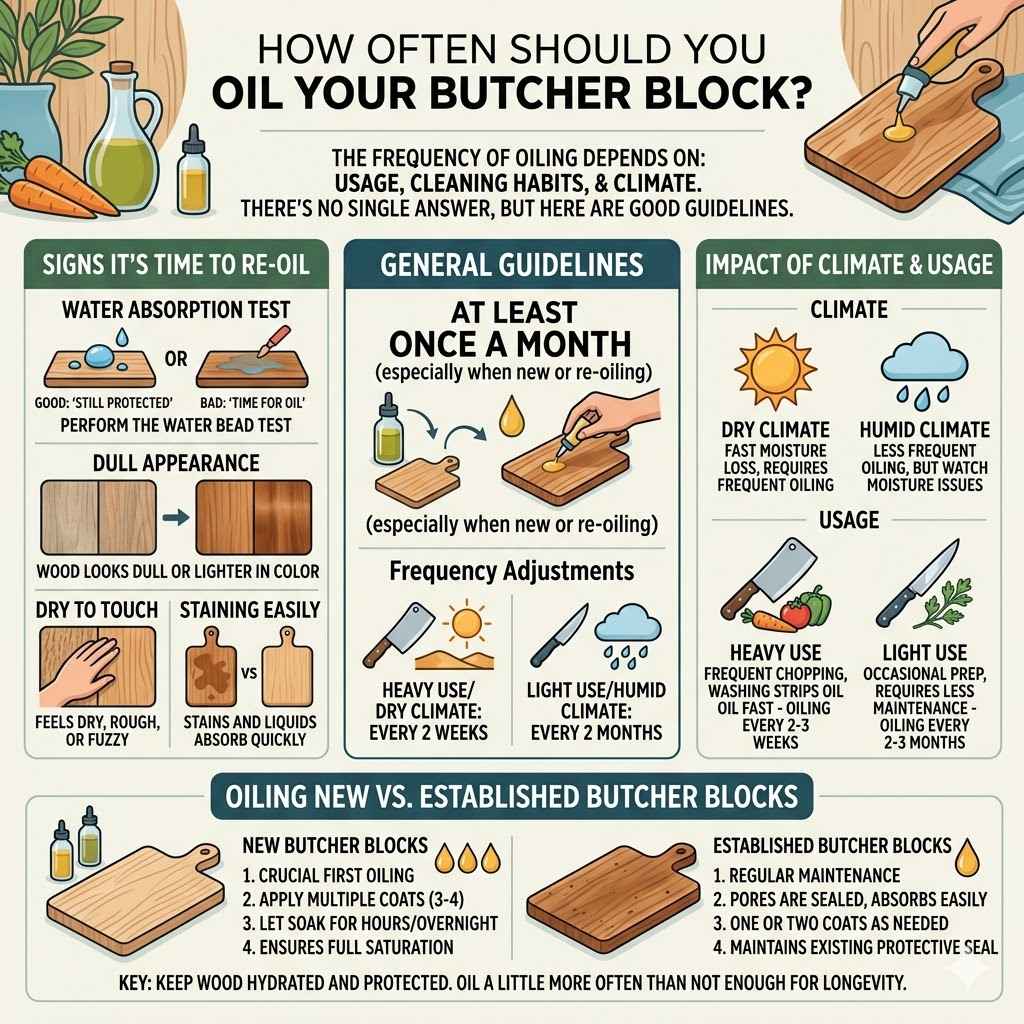
The frequency of oiling your butcher block depends on a few things. How often you use it, how you clean it, and the climate you live in all play a role. There’s no single answer, but there are good guidelines.
A good rule of thumb is to oil your butcher block at least once a month. This is especially important when it’s new or if you’ve just stripped and re-oiled it. Multiple initial coats are important here.
You can also tell when it’s time to oil by looking at the wood. If the water you spill on it no longer beads up and starts to soak in, it’s time for more oil. The wood might also start to look dull or feel dry to the touch.
In very dry climates, or if you use your butcher block very heavily for chopping, you might need to oil it more often, perhaps every two weeks. In less demanding situations, every two months might be sufficient.
The goal is to keep the wood hydrated and protected. It’s better to oil a little more often than not enough. This ensures your butcher block stays in good condition for years to come.
Signs It’s Time to Re-Oil
Your butcher block will tell you when it needs more oil. You just need to know what to look for. The most obvious sign is water absorption.
Perform the water bead test. Place a few drops of water on the surface. If the water beads up and sits on top, your seal is still good. If the water starts to spread out and darken the wood, the oil barrier is wearing thin.
Another sign is the appearance of the wood. Oiled wood has a rich, slightly satin sheen. If the surface starts to look dull, chalky, or lighter in color, the oil has likely evaporated, and the wood is becoming exposed.
You can also feel the wood. A well-oiled surface feels smooth and slightly slick. If the wood starts to feel dry, rough, or even slightly fuzzy, it’s a strong indicator that it needs oil.
Finally, consider its performance. If you notice that stains are starting to appear more easily, or if the wood is absorbing liquids more quickly than before, it’s definitely time to re-oil.
Impact of Climate and Usage on Oiling Frequency
The environment your butcher block is in significantly affects how often you need to oil it. Dry climates, for instance, will cause wood to lose moisture faster. If you live in a place with very low humidity, especially during winter when heating systems are running, you’ll likely need to oil your butcher block more frequently.
Conversely, very humid environments might mean you can oil less often, as the wood will naturally absorb more moisture from the air. However, this can also lead to issues if not managed with proper sealing, as too much moisture can still cause damage.
Usage is also a major factor. A butcher block that is used daily for heavy chopping, slicing, and as a general workspace will be exposed to more wear and tear than one used only occasionally for light prep work. Frequent washing and drying cycles also strip away oil more quickly.
A butcher block used as a primary cutting surface may need oiling every two to three weeks. One used more lightly might only need oiling once every two to three months. Pay attention to the signs your wood is giving you rather than sticking strictly to a calendar.
Oiling New Butcher Blocks vs. Established Ones
When you get a new butcher block, it’s usually dry and ready for its first good oiling. It’s crucial to oil it thoroughly before you start using it. This initial oiling sets the stage for its entire lifespan.
For a new butcher block, you should apply multiple coats of oil. Let the first coat soak for at least several hours, or overnight. Wipe off any excess, and then apply a second coat. Repeat this process for at least three to four coats. This ensures the wood is fully saturated and protected from the start.
Established butcher blocks that have been regularly maintained will require less frequent, but still necessary, oiling. Their pores are already sealed, so they absorb oil more readily. You’ll likely only need one or two coats when you notice the signs that reapplication is needed.
The key difference is that new wood needs a deep, foundational conditioning, while established wood needs regular touch-ups to maintain that existing seal. Both are vital for the health and longevity of the butcher block.
Frequently Asked Questions
Question: Does butcher block oil seal wood properly if it is a food-grade mineral oil
Answer: Yes, food-grade mineral oil properly seals wood by penetrating its pores, preventing moisture absorption and protecting against stains. It is a safe and effective choice for butcher blocks.
Question: How long does it take for butcher block oil to seal the wood
Answer: The oil begins to seal the wood as soon as it is applied and starts to penetrate. However, for a full, effective seal, it’s best to let the oil soak for several hours or overnight, especially with multiple coats.
Question: Can I use vegetable oil to seal my butcher block
Answer: It is generally not recommended to use vegetable oil to seal your butcher block. Vegetable oils can go rancid over time, leading to unpleasant smells and sticky residues on your cutting board.
Question: What is the difference between oiling and waxing a butcher block
Answer: Oiling penetrates the wood to condition and seal it from within. Waxing, often used with oils, creates a protective layer on the surface that adds water resistance and a smooth finish.
Question: How often should I oil my butcher block if it is used daily
Answer: If your butcher block is used daily, you should aim to oil it at least once a month. You may need to oil it more often, possibly every two weeks, if you notice water soaking in or the wood looking dry.
Summary
Properly oiled butcher block seals wood effectively against water and stains. By choosing the right oil, preparing the wood, applying it generously, and allowing for adequate soak time, you create a protective barrier. Regular maintenance, watching for signs like water absorption, ensures this seal remains strong, keeping your butcher block durable and beautiful for years.