How to Prevent Ash Tree Disease: Stopping the Emerald Ash Borer
If your ash tree is struggling, the culprit almost certainly isn’t a generic “disease” – it’s the emerald ash borer (EAB), an invasive beetle that has killed hundreds of millions of ash trees across North America since it was first found near Detroit in 2002. Real fungal ash diseases exist, but the one most people mean when they search “ash dieback” (Hymenoscyphus fraxineus) is mainly a European problem. In the US and Canada, EAB is responsible for the overwhelming majority of ash tree deaths, and it kills through a completely different mechanism than rot or mildew.
This guide skips the vague “watch for yellowing leaves” advice and walks through what’s actually killing ash trees, how to tell if yours can still be saved, and which treatments and sanitation steps genuinely slow the spread.
Sanitation Pruning: The One Habit That Actually Slows the Spread
Best for Removing Infected Branches
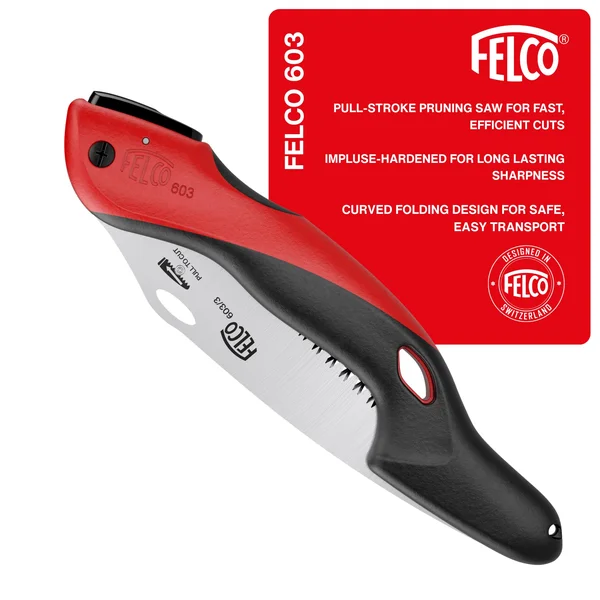 |
FELCO 603 Folding Pruning Saw – $40.33 Removes dead and infested ash branches with a clean pull-stroke cut, so wounds close faster and you’re not spreading sawdust and larvae around with a dull tool.
|
Before treatment or removal decisions, one practice matters more than anything else you’ll read below: pruning out dead, cracked, or clearly infested wood with a clean tool, and never moving that wood off-site as firewood. EAB larvae travel inside bark and wood, so a pruned branch dragged to a new property can start a new infestation half a mile or more away – far beyond the roughly half-mile per year the beetle covers on its own wings.
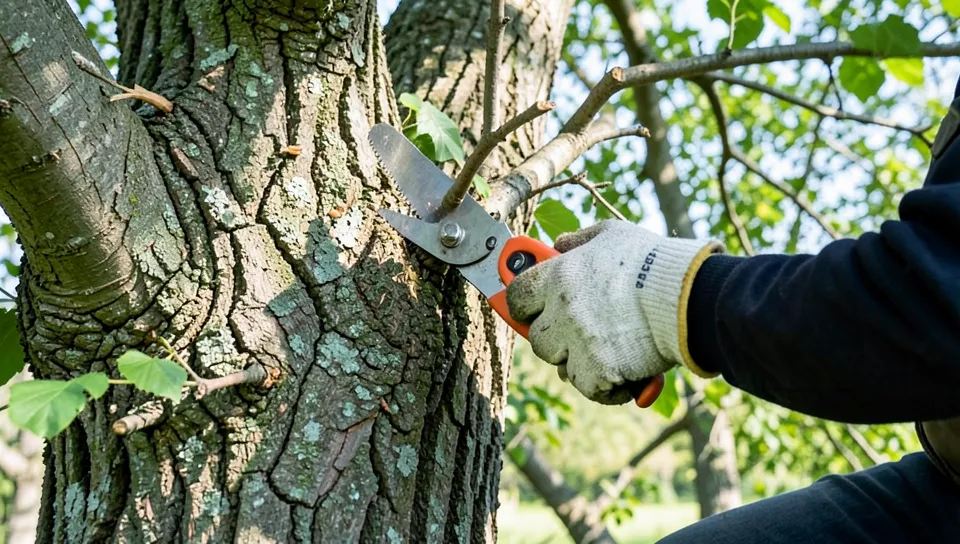
A dedicated pruning saw makes this safer and cleaner than trying to force a bow saw or hand pruners through diseased branches, and a clean cut heals faster than a torn one, which matters because open wounds are exactly where secondary rot and additional borers get in.
Signs You Can Actually See From the Ground
EAB damage looks different from the vague “yellow leaves and spots” checklist that gets copy-pasted across generic tree-care sites. Look specifically for:
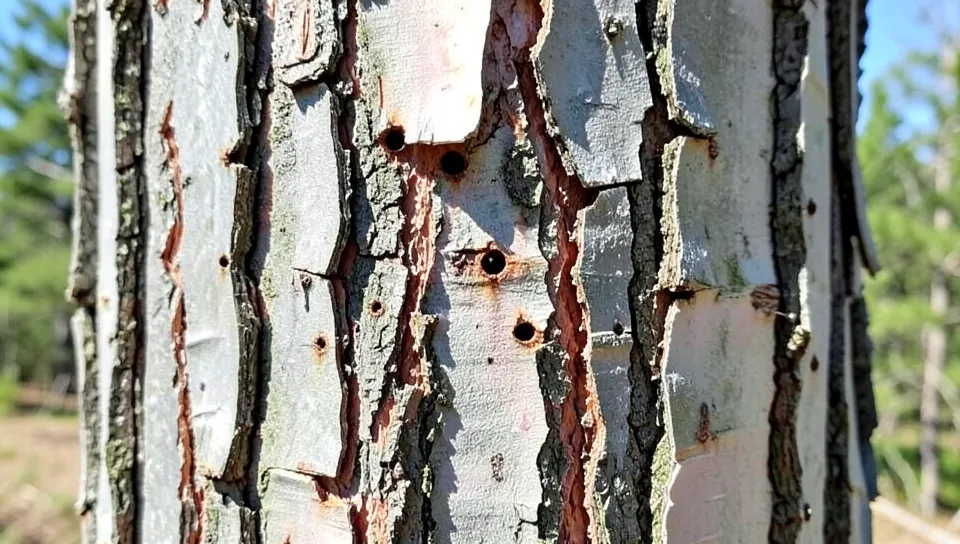
- D-shaped exit holes about 1/8 inch wide in the bark – roughly the width of a pencil eraser, and the single most diagnostic sign of EAB specifically (native borers leave round holes).
- Canopy dieback starting at the top and working down over one to three growing seasons, rather than dying all at once.
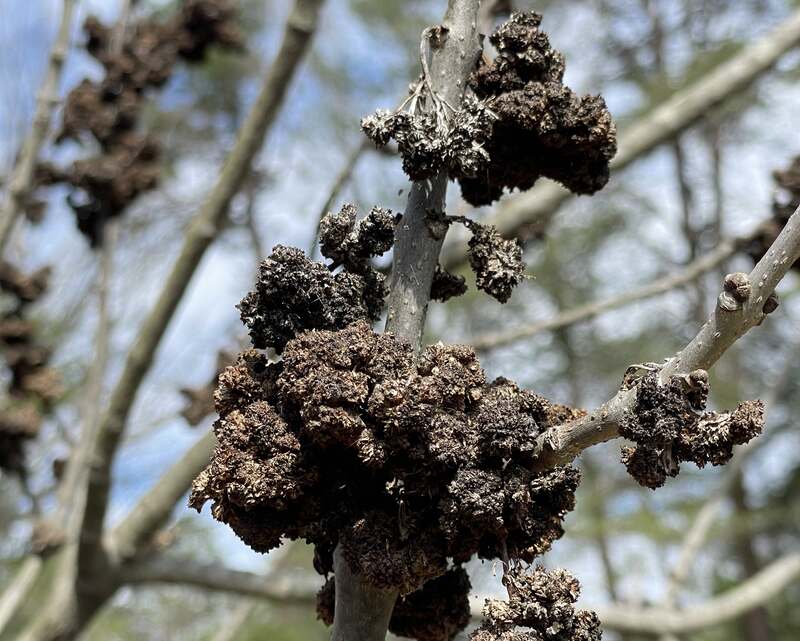
- Epicormic sprouting – clumps of small shoots growing directly out of the trunk or root flare, which is the tree’s panic response to losing its upper canopy.
- Bark splitting vertically to reveal S-shaped tunnels (galleries) underneath, packed with fine sawdust-like frass.
- Increased woodpecker activity, sometimes called “blonding,” where woodpeckers strip small patches of outer bark to get at larvae, leaving lighter-colored wood exposed.
The mechanism matters for why these signs appear: EAB larvae tunnel through the phloem, the thin living layer just under the bark that moves sugars from leaves down to the roots. Enough tunneling girdles that layer the same way stripping bark all the way around a trunk would, so the tree effectively starves from the top down. That’s a mechanical injury, not an infection, which is why fungicides do nothing against it – only insecticides that kill the larvae or adult beetles help.
Treat It or Remove It? A Real Decision Framework
Arborists generally use canopy loss as the deciding factor, and it’s a more useful number than anything about leaf color:
- Under 30% canopy loss: Treatment has a strong success rate. This is the window where systemic insecticide actually works.
- 30–50% canopy loss: Treatment can still work but success rates drop, and it becomes a cost/risk judgment call, ideally with an arborist looking at the specific tree.
- Over 50% canopy loss: Most arborists recommend removal rather than treatment. A tree this far gone rarely recovers, and a dead or dying ash near a house or driveway becomes a genuine safety hazard as the wood dries and the branches weaken.
For trees worth treating, there are two systemic insecticide approaches homeowners and arborists use: soil-applied imidacloprid (absorbed through the roots, needs yearly reapplication, works best on smaller-diameter trees) and trunk-injected emamectin benzoate (applied by a licensed arborist, roughly 95%+ effective in university trials, and lasts about two years per treatment). Trunk injection costs more upfront but is generally the better choice for a large, established shade tree you actually want to keep.
If you’re within roughly 15 miles of a confirmed EAB infestation – which by now covers most of the eastern half of the US and large parts of Canada – preventive treatment on a healthy, high-value ash is worth discussing with an arborist before symptoms even appear, since treating early is far more effective than treating a tree that’s already lost a third of its canopy.
Stopping Spread to Other Trees
Three things actually slow EAB spread at the neighborhood level, and none of them are the vague “share information with neighbors” advice you’ll see elsewhere:
- Never transport ash firewood. Nearly every state and federal quarantine on ash movement exists because of this exact behavior – a camper who brings infested firewood 200 miles for a weekend trip can start an infestation that would have taken the beetle itself over a century to reach naturally on its own wings.
- Diversify new plantings. If ash makes up a large share of the trees on a property or street, losing all of them at once is both an ecological and a financial problem. Mixing species limits how much damage any single pest or disease can do.
- Support biological control where it’s already established. USDA APHIS has released several parasitoid wasp species (including Tetrastichus planipennisi and Oobius agrili) that specifically attack EAB eggs and larvae. They won’t save an individual tree fast enough to matter, but in areas where they’ve established, they’re measurably reducing EAB populations over the long term – avoid broad-spectrum insecticide use near release sites if you’re in one of those areas.
What Happens to the Wood After an Ash Tree Dies
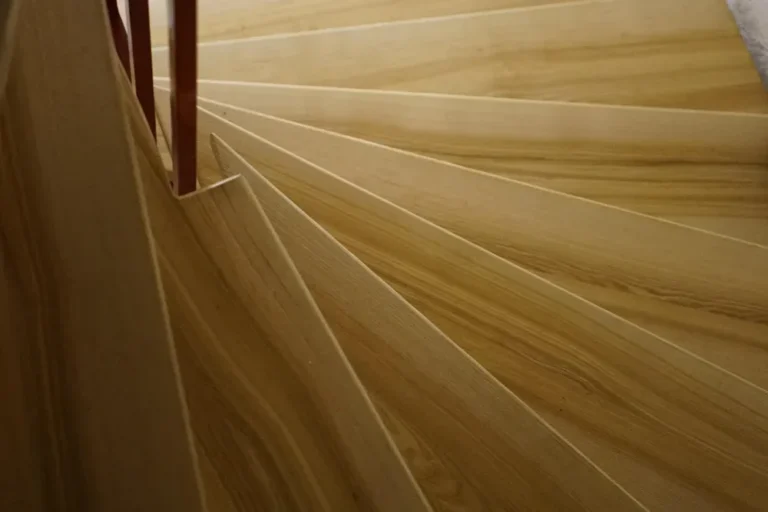
One side effect of the EAB epidemic worth knowing: the sheer number of dead ash trees being removed has made salvaged ash lumber unusually common and affordable in many regions compared to a decade ago. If a tree can’t be saved, milling it rather than chipping it is a genuinely good option – ash is a strong, attractive hardwood traditionally used for tool handles and baseball bats, and it machines and finishes well. If you’re weighing that option, our guide to ash wood cost by type breaks down current pricing for firewood, sawlogs, and milled lumber.
Frequently Asked Questions
How do I protect my ash tree?
If the tree has less than 30% canopy loss, a systemic insecticide – either a yearly soil-applied imidacloprid drench or a longer-lasting emamectin benzoate trunk injection from a licensed arborist – is the only treatment shown to actually stop emerald ash borer. Sanitation pruning of dead wood and never moving ash firewood off the property help limit further damage and spread, but they don’t replace insecticide treatment for a tree that’s already infested.
Can a diseased ash tree be saved?
Yes, if canopy loss is under roughly 30%. Trunk-injected emamectin benzoate has shown success rates above 95% in university trials on trees caught early. Once a tree has lost more than half its canopy, most arborists recommend removal instead, since treatment success drops sharply and a dead ash near structures becomes a falling-limb hazard.
How do I keep my ash tree healthy?
Water during drought, avoid soil compaction and trunk injuries near the base, and inspect the trunk and canopy each spring for D-shaped exit holes, canopy thinning, or epicormic sprouts. In a region with confirmed EAB activity within about 15 miles, preventive insecticide treatment before symptoms appear is far more effective than waiting until the tree is visibly declining.
Is it possible to stop the emerald ash borer from getting to more trees?
You can’t stop EAB’s natural spread entirely, but you can slow it dramatically: never transport ash firewood (this is how most long-distance jumps happen), report suspected infestations to your state’s agriculture department so quarantine zones stay accurate, and support biological control programs releasing parasitoid wasps in your region. Combined with treating high-value trees early, these steps meaningfully reduce how fast EAB moves through a given area.
Conclusion
Most “ash tree disease” searches turn out to be emerald ash borer, a mechanical injury from beetle larvae rather than a fungal or bacterial infection – which is exactly why generic disease advice so often misses the mark. Catch it early (D-shaped holes, top-down dieback, epicormic sprouts), get an honest canopy-loss assessment before deciding to treat or remove, and never move ash firewood off the property. Those three things do more than any spray-and-hope approach.
Sponsored / affiliate links. As an Amazon Associate I earn from qualifying purchases. I may earn additional commission from eligible campaigns.