Why Is Trapped Moisture in a Table Bad? Warping, Mold, Rot
Quick Answer
Trapped moisture in a table is bad because it swells wood fibers from the inside, which breaks glued joints, warps and cracks the surface, and feeds mold – often before any damage is visible. Test with a moisture meter (aim for 6-8% MC indoors); if a reading comes back above 15-20%, dry the piece out and re-glue any loose joints before the damage spreads.
Trapped moisture in a table is bad because it swells the wood fibers from the inside, breaking glued joints and warping the surface long before any damage is visible. Wood is hygroscopic – it constantly absorbs and releases moisture from the surrounding air – and when that moisture gets sealed in under a finish or trapped in a humid room, it has nowhere to go.
Below, we break down exactly what trapped moisture does to a wooden table, how to test for it before it becomes a costly repair, and which real tools actually fix the problem.
The Science Of Moisture In Wood
Understanding moisture in wood is crucial for maintaining wooden tables. Wood is a natural material that interacts with its environment. Trapped moisture can lead to various problems, affecting the table’s appearance and durability.
How Wood Absorbs Moisture
Wood has tiny pores that absorb moisture from the air. These pores are called cellular structures. When humidity increases, wood draws in moisture.
Here are some key points about moisture absorption:
- Porosity: Wood is porous, allowing moisture to enter.
- Equilibrium Moisture Content (EMC): Wood seeks balance with its environment.
- Temperature Effects: Higher temperatures can increase moisture absorption.
Effects Of Humidity On Wooden Tables
Humidity can significantly impact wooden tables. High humidity causes wood to swell. Low humidity can lead to shrinkage. Both conditions can damage the table.
Consider these effects:
| Humidity Level | Impact on Wood |
|---|---|
| High Humidity | Swelling, warping, and mold growth |
| Low Humidity | Shrinkage, cracking, and splitting |
Maintaining a stable humidity level is essential. Consider using a dehumidifier or humidifier. Regularly check your wooden table’s condition to prevent damage. Indoor furniture-grade wood is generally happiest between 6-8% moisture content (MC), according to wood moisture meter manufacturers who test this daily – see the testing section below for exactly how to check your own table.
Hidden Dangers Of Trapped Moisture
Trapped moisture in a table can lead to serious problems. It creates a perfect environment for damage. Understanding these hidden dangers helps protect your furniture.
Structural Damage Risks
Moisture can weaken the structure of a table. Over time, wood absorbs water. This can cause:
- Warping: Wood may bend or twist.
- Cracking: Excess moisture can lead to splits.
- Weakening: Joints may loosen and fail.
These issues make the table less safe to use. Repairing structural damage can be expensive and time-consuming.
Why Joints Fail First
Table joints are usually the first thing to go, and there’s a mechanical reason why. Moisture meter manufacturer Delmhorst Instrument Co. explains it plainly in its guide to moisture-related woodworking damage:
“Joints where multiple pieces of wood that are swollen connect can become broken by the pressure caused by the swelling, essentially breaking that piece of furniture.”
That’s why a table can feel wobbly or develop gaps at the leg joints long before you notice any staining or visible warping on top – the swelling is happening inside the joint first.
Mold And Mildew Growth
Trapped moisture encourages mold and mildew growth. These fungi thrive in damp conditions. Mold can cause health problems for your family.
Common effects of mold exposure include:
- Allergic reactions
- Respiratory issues
- Skin irritation
Removing mold requires special cleaning. It is best to prevent it from forming.
Keep tables dry and well-ventilated. Regular cleaning can help maintain a safe environment.
How To Test A Table For Trapped Moisture
You can’t see trapped moisture until it’s already caused damage, which is why testing beats guessing. Wagner Meters, a moisture meter manufacturer, defines the exact problem this way in its technical guide to wood moisture:
“Trapped moisture in wood refers to the moisture trapped within the wood fibers, leading to potential issues and damage. When wood is not properly dried or sealed, it can absorb moisture from its environment, causing it to swell, warp, or even rot. Trapped moisture can also affect the performance of adhesives and lead to joint failure.”
There are two practical ways to check a table yourself:
- Pin-type meters (like the General Tools MMD4E) push two small probes into the wood and measure resistance. They’re accurate but leave two tiny holes, so use them on the underside of the table.
- Pinless meters scan through the finish using electromagnetic waves and leave no marks – better for a finished tabletop you don’t want to puncture.
Either way, aim for a reading in the 6-8% MC range for indoor furniture. A reading creeping up toward 15% is a warning sign, and readings above 20% mean the wood already has enough trapped moisture to actively support mold growth.
Tools to Test and Stop Trapped Moisture
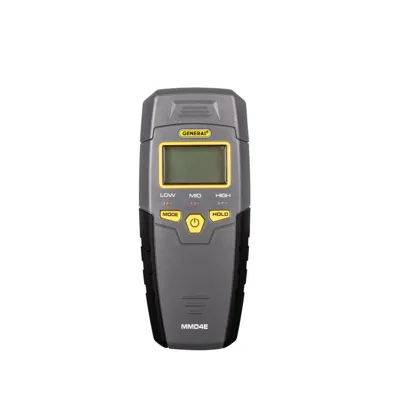
General Tools MMD4E Pin-Type Moisture Meter
Priced around $38 at The Home Depot; gives a direct MC% reading with color-coded LED zones so you know instantly if your table is in the safe 6-8% range.
Check Price on Amazon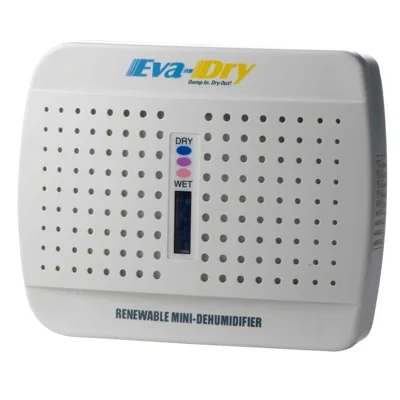
Eva-Dry E-333 Renewable Mini Dehumidifier
Priced around $15-25 at The Home Depot; cordless silica-gel dehumidifier good for drawers, cabinets, and enclosed table storage – no electricity needed.
Check Price on AmazonAesthetic Impacts On Wooden Tables
Trapped moisture in wooden tables can cause serious aesthetic issues. These problems affect the beauty and charm of your furniture. The impacts can be both visible and damaging over time. Understanding these impacts helps in maintaining your tables.
Discoloration And Staining
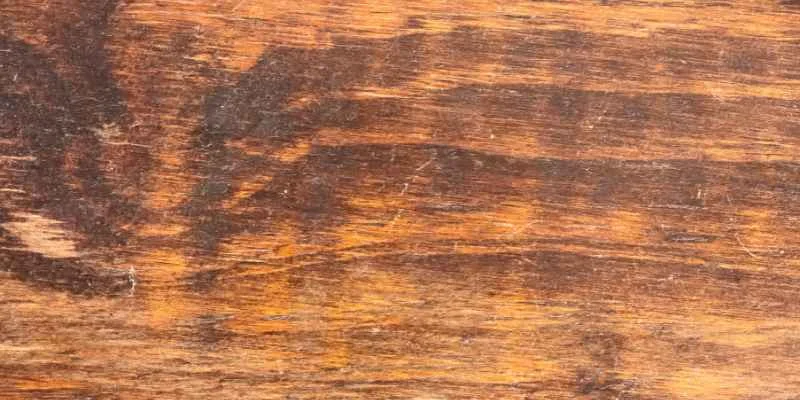
Trapped moisture leads to discoloration and staining. This can ruin the appearance of your table.
- Moisture can create dark spots.
- These spots may spread and worsen over time.
- Stains can be permanent and hard to remove.
Different types of wood react differently to moisture. Some woods darken quickly, while others may develop uneven patches.
| Type of Wood | Reaction to Moisture |
|---|---|
| Oak | May darken and develop spots |
| Maple | Can stain easily, causing discoloration |
| Pine | May swell and change color |
Warping And Swelling
Moisture can cause warping and swelling. This damages the wood’s structure.
- Warped tables may have uneven surfaces.
- Swelling can lead to cracks and splits.
- These changes can affect usability and appearance.
Warping can make a table look unbalanced. Swollen areas may create bumps that are hard to ignore. For tabletops specifically, see our guide on how to keep a wood table from warping for room-by-room prevention steps.
Regular maintenance prevents moisture buildup. Keep your table dry to protect its beauty.
Health Implications Of Moisture Buildup
Trapped moisture in a table can lead to serious health problems. It creates a perfect environment for mold and bacteria. This can affect your home and your health. Understanding these implications is crucial for maintaining a safe space.
Allergies And Respiratory Issues
Moisture buildup can trigger allergic reactions. Common symptoms include:
- Itchy eyes
- Runny nose
- Coughing
- Wheezing
People with asthma are particularly at risk. Moist environments can worsen symptoms. Mold spores can easily spread in humid air. The Asthma and Allergy Foundation of America recommends keeping indoor humidity between 30% and 50% specifically to control mold growth and reduce allergy/asthma symptoms – the same humidity range that protects your table’s joints and finish.
The Spread Of Bacteria And Insects
Moisture attracts bacteria and insects. These can multiply quickly in damp areas. Common problems include:
- Unpleasant odors
- Food contamination
- Insect infestations
Common bacteria found in moist environments include:
| Bacteria Type | Health Risks |
|---|---|
| Salmonella | Food poisoning |
| E. coli | Severe stomach issues |
Insects like cockroaches and termites are drawn to moisture-rich wood; a large trapped pocket of moisture is enough to attract an infestation. Keeping your table dry is essential for health.
Preventing Moisture Damage
Moisture can harm your table in many ways. It can warp, crack, or grow mold. Preventing moisture damage is essential to keep your furniture safe.
Proper Table Placement
Where you place your table affects moisture levels. Choose locations wisely to minimize risk.
- Keep tables away from windows.
- Avoid placing tables near heaters.
- Do not position tables in damp basements.
Use these tips to find the best spot:
| Location | Risk Level | Recommendation |
|---|---|---|
| Near Windows | High | Use curtains or blinds |
| Near Heaters | Medium | Maintain distance |
| Damp Basements | High | Consider another room |
Use Of Dehumidifiers And Moisture Absorbers
Dehumidifiers and moisture absorbers help keep the air dry. They are effective tools for preventing moisture damage.
- Dehumidifiers: These devices reduce humidity levels.
- Moisture Absorbers: Products like silica gel can absorb excess moisture.
Follow these steps to use them:
- Place a dehumidifier in the room.
- Check humidity levels regularly.
- Use moisture absorbers in drawers and cabinets.
Using these tools can save your table from moisture damage. If the wood has already absorbed excess moisture, our guide on how to draw moisture out of wood walks through the drying process step by step.
Maintenance Tips For Wooden Tables
Proper maintenance helps keep wooden tables beautiful and durable. Trapped moisture can lead to damage. Follow these tips to prevent issues.
Regular Cleaning Techniques
Cleaning your wooden table is essential. Use the right methods to avoid damage.
- Dust Regularly: Use a soft, dry cloth. This removes dirt and dust.
- Avoid Water: Never soak the wood. Use minimal moisture.
- Use Mild Cleaners: Choose a gentle cleaner. Avoid harsh chemicals.
- Wipe Spills Immediately: Clean any spills right away. This prevents stains and damage.
Seasonal Care For Wood Furniture
Seasons change, and so should your care routine. Follow these tips for seasonal maintenance.
| Season | Care Tips |
|---|---|
| Spring | Check for moisture. Clean and polish surfaces. |
| Summer | Avoid direct sunlight. Use coasters for drinks. |
| Fall | Inspect for scratches. Apply a protective finish. |
| Winter | Use a humidifier. Prevent dryness and cracking. |
Regular care prevents trapped moisture and keeps your table safe. Follow these tips to enjoy your wooden furniture for years.
Restoration Strategies For Moisture-damaged Tables
Moisture can harm wooden tables. It can cause warping, staining, and mold. Effective restoration strategies can help revive your table. Understanding the extent of the damage is crucial before deciding on repairs.
Assessing The Extent Of Damage
Start by examining your table closely. Look for signs of moisture damage:
- Warping: Check if the surface is uneven.
- Stains: Look for dark spots or discoloration.
- Mold: Inspect corners and crevices for growth.
Use a moisture meter for precise readings. This tool measures moisture levels in wood. A reading above 20% indicates serious moisture damage.
Professional Repair Vs. DIY
Choose between professional help or DIY repairs. Both options have benefits.
| Option | Benefits | Drawbacks |
|---|---|---|
| Professional Repair | Expertise and quality results. | Higher costs and time-consuming. |
| DIY Repair | Cost-effective and flexible. | Risk of improper repairs. |
If you opt for DIY, follow these steps:
- Remove moisture with a dehumidifier.
- Sand down damaged areas gently.
- Apply wood filler to deep dents.
- Refinish the surface with varnish.
Assess your skills before starting. If unsure, consider hiring a professional.
The Economic Cost Of Neglect
Ignoring trapped moisture in a table can lead to serious financial losses. Over time, moisture can damage furniture. This damage reduces the overall value of your investment. Understanding the economic cost helps you make better choices.
Depreciation In Furniture Value
Moisture causes wood to warp and crack. This affects the table’s appearance and function. As a result, the furniture’s market value decreases. Here are some reasons why:
- Visible Damage: Warping and stains make furniture less appealing.
- Structural Integrity: Weakness leads to a shorter lifespan.
- Repair Costs: Fixing moisture damage can be expensive.
Many buyers will pay less for damaged furniture. This depreciation can be significant over time.
Long-term Financial Savings From Proper Care
Taking care of your table saves money in the long run. Regular maintenance prevents moisture issues. Here are a few tips:
- Use coasters to protect surfaces.
- Keep furniture in a climate-controlled room.
- Wipe spills immediately to prevent moisture buildup.
Investing time in care leads to:
| Benefit | Long-Term Savings |
|---|---|
| Less Repair Work | Reduces costs over time |
| Higher Resale Value | Attracts more buyers |
| Increased Lifespan | Delays replacement costs |
Proper care is an investment. It protects your furniture and your wallet.
Frequently Asked Questions
What Causes Trapped Moisture In A Table?
Trapped moisture in a table typically arises from humidity, spills, or improper drying after cleaning. Wood absorbs moisture, causing it to swell and warp. This can weaken the table’s structure over time. Understanding the causes helps in preventing further damage and maintaining your furniture.
How Does Moisture Damage Wooden Tables?
Moisture can lead to several issues in wooden tables. It can cause warping, cracking, and splitting of the wood. Additionally, trapped moisture promotes mold growth, which is harmful to both the furniture and health. Regular maintenance can help avoid these damaging effects.
Can Trapped Moisture Be Fixed?
Yes, trapped moisture can often be fixed. Start by drying the area thoroughly with a soft cloth. For deeper issues, consider using a dehumidifier or placing the table in a dry environment. In severe cases, professional restoration may be necessary to prevent further damage.
How To Prevent Moisture Buildup In Tables?
Preventing moisture buildup involves regular maintenance and care. Use coasters to protect surfaces from spills. Ensure proper ventilation in the room where the table is located. Additionally, avoid placing hot items directly on the table to minimize the risk of moisture retention.
What Moisture Meter Reading Means My Table Is At Risk?
Indoor furniture-grade wood should read 6-8% moisture content (MC) on a pin or pinless moisture meter. A reading near 15% is a warning sign, and anything above 20% means the table already has enough trapped moisture to actively support mold and joint damage.
Conclusion
Trapped moisture in a table is bad because it swells wood fibers, breaks glued joints, and feeds mold – all before you notice obvious damage. Test with a moisture meter, keep the room’s humidity between 30-50%, and address any reading above 15% right away.
Sponsored / affiliate links. As an Amazon Associate I earn from qualifying purchases. I may earn additional commission from eligible campaigns.