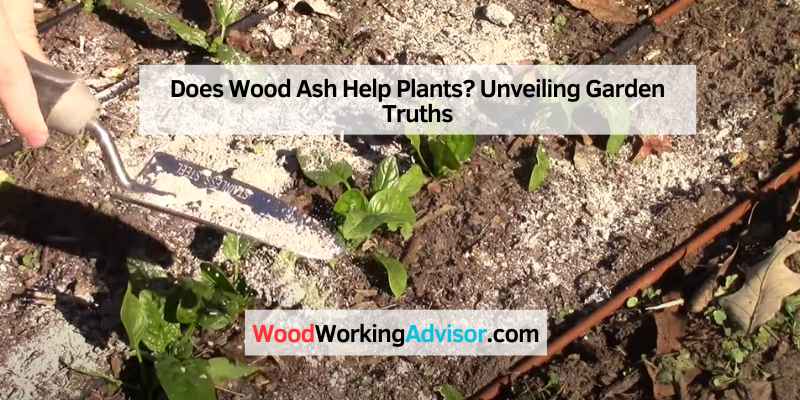
Does Wood Ash Help Plants? Unveiling Garden Truths
Wood ash can benefit plants by providing potassium and trace elements while also liming the soil. However, it may not be suitable for acid-loving plants like blueberries and azaleas.
Wood ash can be used as a natural soil amendment, especially for garlic, chives, and stone-fruit trees. When considering using wood ash in your garden, it’s essential to understand its effects on different plant types. While some plants benefit from the nutrients in ash, others may suffer due to the increase in soil pH.
In this blog, we will explore the impact of wood ash on plants and provide insights on how to use it effectively in your gardening practices. Let’s delve deeper into the question: Does wood ash help plants?
Introduction To Wood Ash In Gardening
Wood ash can be beneficial for plants as it provides potassium and trace elements, acts as a natural soil amendment, and helps to remedy excessively acidic soils. However, it should not be used around acid-loving plants like blueberries, strawberries, and azaleas.
The Allure Of Natural Remedies
Wood ash has long been revered for its natural benefits in gardening.
A Brief History Of Wood Ash Use
Wood ash has been utilized for centuries as a valuable resource in gardening practices.

What Is Wood Ash?
Wood ash is the residue that remains after burning natural wood, and it has been used for centuries as a soil amendment in gardens and farms. It is rich in nutrients and minerals that can benefit plant growth when used appropriately. Understanding the composition and properties of wood ash is crucial in determining its potential impact on plant health.
Composition And Properties
Wood ash is primarily composed of calcium carbonate, which raises soil pH, making it less acidic. Additionally, it contains essential plant nutrients such as potassium, phosphorus, and magnesium. The composition of wood ash can vary based on the type of wood burned and the combustion temperature.
Comparing Bonfire And Stove Ash
When comparing bonfire and stove ash, it’s important to note that bonfire ash may contain a higher concentration of contaminants such as metal fragments and charcoal residue due to incomplete combustion. On the other hand, stove ash is typically cleaner and contains a higher proportion of finely powdered minerals, making it more suitable for use as a soil amendment.
The Science Behind Wood Ash And Soil Health
Wood ash can be beneficial for plants as it contains potassium and trace elements that promote soil health. However, it’s important to use it sparingly, as excessive amounts can raise the soil pH, potentially harming certain plants. Regular soil testing is crucial to ensure the right balance for optimal plant growth.
Understanding Ph Balance
Wood ash is a common soil amendment that has been used for centuries by gardeners to improve soil health and plant growth. One of the main benefits of wood ash is its ability to raise the pH of acidic soils. When wood is burned, it produces ash that contains alkaline minerals such as calcium carbonate, which can neutralize acidic soils. This is important because soil pH affects the availability of nutrients to plants. Most plants prefer a slightly acidic soil with a pH of 6.0 to 7.0. If the soil is too acidic or too alkaline, plants may not be able to absorb essential nutrients, which can lead to stunted growth and poor yields.
Potash And Potassium: Essential Nutrients
In addition to raising soil pH, wood ash also contains essential nutrients that plants need to grow. One of the most important nutrients found in wood ash is potash, which is a form of potassium. Potassium is essential for plant growth and plays a key role in many physiological processes, including photosynthesis, water regulation, and disease resistance. Potassium also helps plants to absorb other nutrients such as nitrogen and phosphorus.
Using Wood Ash In The Garden
When using wood ash in the garden, it’s important to keep in mind that too much of a good thing can be harmful. While wood ash can be beneficial for plants, it should be used in moderation. Excessive use of wood ash can raise soil pH too high and lead to nutrient imbalances. As a general rule, no more than 20 pounds of wood ash should be applied per 1,000 square feet of soil per year.
It’s also important to note that not all plants are suitable for wood ash. Some plants, such as blueberries, strawberries, and potatoes, prefer acidic soils and may not benefit from wood ash. On the other hand, plants that prefer alkaline soils, such as asparagus and stone-fruit trees, may benefit from wood ash.
In conclusion, wood ash can be a useful soil amendment for gardeners looking to improve soil health and plant growth. By understanding the science behind wood ash and soil health, gardeners can make informed decisions about how to use this valuable resource in their gardens.
Benefits Of Wood Ash For Specific Plants
Wood ash can provide various benefits to specific plants, boosting their growth and improving fruit quality. Let’s explore the advantages of using wood ash for different types of plants.
Boosting Growth For Garlic, Chives, And Leeks
Wood ash can be particularly beneficial for garlic, chives, and leeks due to its high potassium content. Potassium is essential for plant growth and plays a crucial role in root development, disease resistance, and overall plant vigor. When applied in moderation, wood ash can help these plants thrive and produce healthy yields.
Improving Fruit Quality In Stone-fruit Trees
Stone-fruit trees, such as peach, plum, and cherry trees, can benefit from the application of wood ash. The potassium present in wood ash promotes fruit development and enhances the quality of the harvest. Additionally, wood ash can help regulate soil pH levels, creating a favorable environment for stone-fruit trees to flourish.
Potential Drawbacks And Plants To Avoid
While wood ash can be beneficial for plants, there are potential drawbacks to be aware of. Some plants, such as blueberries and potatoes, are sensitive to the alkaline properties of wood ash and should be avoided. Always use ash from natural wood and be cautious not to overuse it in your garden.
Risks For Acid-loving Plants
While wood ash can provide several benefits to plants, it is important to note that there are potential drawbacks and certain plants to avoid when using wood ash as a soil amendment. Acid-loving plants, such as blueberries, strawberries, azaleas, rhododendrons, camellias, holly, potatoes, and parsley, do not thrive with a dressing of wood ash. These plants prefer acidic soil conditions, and the alkaline nature of wood ash can disrupt their growth and nutrient absorption.
The Problem With Wood Ash And Potato Scab
Another drawback of using wood ash in the garden is its association with potato scab. Wood ash contains high levels of potassium, which can increase the pH of the soil. This alkaline environment can favor the development of the bacteria responsible for potato scab, a disease that affects the tubers and causes unsightly scabs or lesions on their surface.
To prevent potato scab, it is advisable to avoid using wood ash as a soil amendment when growing potatoes. Instead, opt for other organic materials that promote a more acidic soil environment, such as compost or well-rotted manure.
It is essential to carefully consider the specific needs of the plants you are growing before incorporating wood ash into your garden. Some plants may benefit from a dressing of wood ash, while others can suffer from its use. Understanding these potential drawbacks and plants to avoid can help you make informed decisions and create the optimal growing conditions for your garden.
Plants That Don’t Like Wood Ash
- Apple, peach, and pear trees
- Sweet corn, peppers, eggplant, rhubarb, parsley, sweet potatoes
- Potatoes (Wood ash can lead to potato scab)
- Blueberries, raspberries, and most other berries
- Roses, azaleas, rhododendron, and hydrangea
- Birch trees, red maples, and pin oaks
These plants are sensitive to the alkaline properties of wood ash and may experience nutrient imbalances or other adverse effects when exposed to it. It is best to avoid using wood ash near these plants or consider alternative soil amendments that are more suitable for their specific needs.
Practical Application Tips
How To Apply Wood Ash Correctly
When applying wood ash to your garden, ensure it is from natural wood sources only to avoid contaminants.
Spread a thin, even layer of wood ash around plants, avoiding direct contact with stems and foliage.
- Apply wood ash in moderation to prevent over-fertilization and potential harm to plants.
- Use a pH meter to monitor soil acidity levels when applying wood ash to maintain a balanced pH.
Creating Wood Ash Tea For Your Garden
Wood ash tea can be a beneficial soil amendment when used correctly in your garden.
To create wood ash tea, mix a small amount of ash with water in a container and let it steep for a few days.
- Strain the mixture to remove any solid particles before applying the tea to your plants.
- Water your plants with wood ash tea to provide them with essential nutrients and minerals.
The Importance Of Soil Testing Before Application
Before applying wood ash to your garden, it is crucial to understand the current state of your soil. Soil testing provides valuable insights into the pH level, nutrient composition, and overall health of your soil. By conducting a soil test, you can determine your garden’s specific needs and make informed decisions regarding the application of wood ash.
Determining Your Garden’s Needs
Soil testing allows you to identify any existing imbalances or deficiencies in your soil. Through this process, you can ascertain the pH level, which is crucial in determining whether your soil is acidic, neutral, or alkaline. Additionally, soil testing reveals the nutrient levels present in the soil, including potassium, phosphorus, and nitrogen. This information is essential for understanding how wood ash may impact your soil and plants.
Adjusting Wood Ash Application Based On Results
Based on the results of the soil test, you can make informed adjustments to the application of wood ash. If the soil test indicates that your soil is already alkaline, adding wood ash may further elevate the pH level, potentially causing harm to acid-loving plants. Conversely, if the soil test reveals low potassium levels, the application of wood ash can help boost potassium content in the soil, benefiting certain plants.
Myths Vs. Reality: Debunking Common Misconceptions
Wood ash has long been believed to benefit plants, but it’s important to separate myths from reality. While wood ash can provide potassium and trace elements to the soil, it can also increase soil alkalinity, which may harm certain plants.
It’s crucial to understand the specific needs of your plants before using wood ash in the garden.
Can Wood Ash Make Plants Grow Faster?
Many gardeners believe that wood ash can accelerate plant growth, but this is a myth. While wood ash does provide certain nutrients to the soil, it doesn’t directly promote faster plant growth. The primary benefit of wood ash lies in its ability to improve soil pH and add essential minerals to the soil, which indirectly supports healthier plant growth.
The Overestimation Of Wood Ash’s Liming Effect
One common misconception is the overestimation of wood ash’s liming effect. While wood ash does contain high levels of calcium carbonate, it should not be solely relied upon as a substitute for traditional lime. The rapid alkalinity spike from wood ash can be detrimental to certain plants, especially in soils with naturally high pH levels.
Sustainable Gardening Practices With Wood Ash
Wood ash can be a valuable resource in sustainable gardening practices, offering benefits to your plants and soil. However, it is essential to understand how to use wood ash effectively while considering environmental impacts.
Balancing Wood Ash Use With Environmental Considerations
When using wood ash in your garden, it’s crucial to strike a balance between its benefits and potential environmental considerations. Avoid overapplication to prevent soil alkalinity and ensure you are using ash from natural wood sources to minimize chemical contamination.
Alternative Uses For Wood Ash In The Garden
- Compost: Mix wood ash into your compost pile to add nutrients and balance pH levels.
- Potting Soil Amendment: Incorporate wood ash into potting soil mixes for container plants.
- Topdressing Existing Crops: Sprinkle a thin layer of wood ash around existing crops for added potassium.

Frequently Asked Questions
Which Plants Do Not Like Wood Ash?
Avoid using wood ash around apple, peach, pear trees, sweet corn, peppers, eggplant, and blueberries. Also, roses, azaleas, and birch trees are sensitive to wood ash.
What Plants Would Benefit From Wood Ash?
Wood ash can benefit plants like garlic, chives, leeks, lettuces, and stone-fruit trees. However, it should not be spread around acid-loving plants such as blueberries, strawberries, azaleas, rhododendrons, camellias, holly, potatoes, or parsley. Wood ash can provide potassium and trace elements, and it can also help remedy excessively acidic soils.
Can You Put Too Much Wood Ash In Your Garden?
Yes, you can put too much wood ash in your garden. Wood ash contains high levels of potassium and other nutrients that can help plants grow, but excessive application can cause soil pH levels to rise too high, leading to nutrient deficiencies and potentially harming plants.
It’s important to carefully monitor and limit the amount of wood ash you use in your garden.
Does Ash Make Plants Grow Faster?
Wood ash can help plants grow faster by providing potassium and trace elements, as well as balancing soil pH.
Conclusion
Wood ash can be a useful addition to your garden soil when used correctly. It contains beneficial nutrients like potassium and trace elements that can enhance plant growth. However, it’s important to be cautious as it can also increase soil pH, which may harm acid-loving plants.
Always test your soil pH before using wood ash and avoid using it around plants that don’t tolerate alkaline soil. With careful application, wood ash can be a helpful tool for promoting plant health and vigor.