Douglas Fir Vs Whitewood: Choosing the Right Timber
When it comes to selecting the perfect wood for your next project, you face a critical choice: Douglas Fir or Whitewood? You might wonder which is the best fit for your needs.
Both have their unique qualities, and understanding these differences can save you time and money. Imagine the satisfaction of knowing you’ve made the right choice, ensuring your project not only stands the test of time but also looks fantastic. You’ll discover the key characteristics of Douglas Fir and Whitewood, helping you make an informed decision.
Let’s dive into the details that will transform your project into a masterpiece.
Key Characteristics
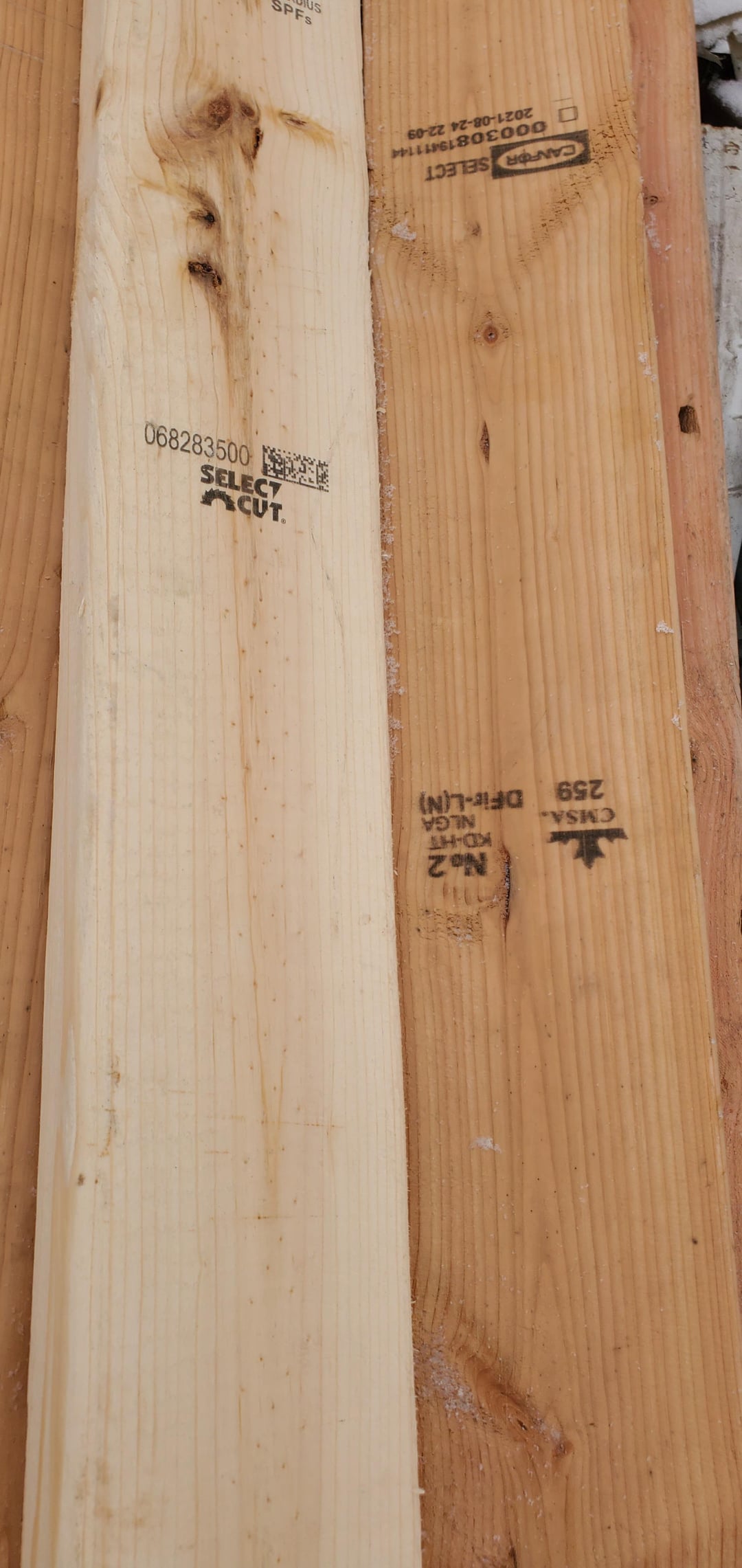
Douglas Fir is known for its strength. It can hold heavy loads. This wood is often used in construction. It has a reddish-brown color. This gives it a unique look. The texture is coarse. It feels rough to touch. It’s resistant to decay. This makes it last longer. Douglas Fir is easy to cut. This helps in shaping it. It is strong and durable.
Whitewood is lighter in color. It has a pale appearance. This wood is softer. It is easier to shape. It is not as strong as Douglas Fir. It is less durable. But it is cheaper. This makes it a good choice for projects. Whitewood is often used for furniture. It is easy to paint. It is smooth to touch. It is affordable and versatile.
Strength And Durability
Douglas Fir is known for its strong load-bearing capacity. It can hold heavy weights without bending. Builders trust it for making houses and bridges. Whitewood, on the other hand, is lighter. It is not as strong as Douglas Fir. But it is still used for small projects. It works well for furniture and shelves. Choose Douglas Fir for big projects needing extra strength.
Douglas Fir has a high resistance to wear. It lasts a long time even when used a lot. Its surface stays smooth and strong. Whitewood can wear down faster. It might get scratches or marks easily. It needs more care to stay nice. Douglas Fir is better for areas with heavy use. Whitewood is fine for places with less use. Durability matters for choosing wood.
Appearance And Aesthetics
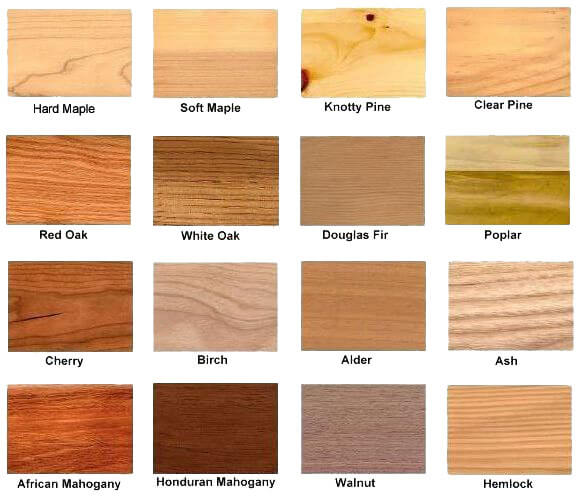
Douglas Fir has a warm, reddish-brown color. Its grain is tight and straight. It looks smooth and clean. This makes it great for furniture. Whitewood is pale and light. Its grain can be varied. Some parts may look wild. It’s often used in crafts. Both woods have unique beauty. Each offers its own charm.
Douglas Fir takes stain well. It can be polished to shine. Paint sticks easily on it. Whitewood is good for paint. Stains may need extra coats. It can be sanded smoothly. Both woods allow many finishes. Choose based on your project needs.
Credit: www.woodstairs.com
Workability
Douglas Fir is easy to cut and shape. It holds its form well. Whitewood is also easy to cut. But it may need more care. It sometimes chips or splinters. Both woods are light and easy to handle. This makes them a good choice for many projects.
Douglas Fir allows nails and screws to go in easily. It holds them well. Whitewood is softer, so nails and screws may loosen. It is important to use the right size and type. Both woods work well with basic tools. But Douglas Fir is often preferred for strong joints.
Environmental Impact
Douglas Fir and Whitewood are two types of wood. Both are popular for building. Douglas Fir grows faster than Whitewood. This makes it easier to replace. Whitewood needs more time to grow back. People use them for different reasons. Some like the look of Douglas Fir. Others choose Whitewood for its price. Both woods can be grown in a sustainable way. This means planting new trees when others are cut down.
The carbon footprint of wood is important. It tells us how much carbon is released. Douglas Fir has a smaller footprint. This is because it grows quickly. Whitewood releases more carbon. This is due to its longer growth period. Using wood instead of metal or plastic is better. Wood helps in storing carbon, keeping the air clean.

Credit: reliancetimber.com
Cost Considerations
Douglas Fir usually costs more than Whitewood. This is because it is stronger. People often choose it for heavy-duty jobs. Whitewood is cheaper. It is good for basic projects. Its cost makes it a favorite for many. Builders find it useful for simple tasks.
Douglas Fir lasts longer. It resists rot and insects. Many believe it is a good investment. Whitewood may need replacing sooner. It is not as tough. Over time, it might cost more due to repairs. Douglas Fir remains strong for many years. It saves money in the long run.
Common Uses
Douglas Fir is strong and reliable. Builders use it for framework and beams. It holds nails well. Whitewood is lighter. It is easy to cut. People use it for small projects. It is often used for temporary structures. Both are popular in construction.
Douglas Fir is used for sturdy furniture. Its grain looks nice. It is perfect for tables and chairs. Whitewood is budget-friendly. It is used for shelves and cabinets. It takes paint well. Both woods have their unique charm. Many choose Whitewood for a modern look. Douglas Fir is for a classic touch.

Credit: reliancetimber.com
Frequently Asked Questions
What Are The Disadvantages Of Douglas Fir Wood?
Douglas fir wood is prone to warping and cracking under extreme conditions. It requires regular maintenance for durability. This wood can be susceptible to insect attacks. It may not withstand prolonged exposure to moisture. Its softness can lead to dents and scratches easily.
What Wood Is Comparable To Douglas Fir?
Southern Yellow Pine and Hemlock are comparable to Douglas fir. Both offer similar strength, durability, and workability. They are commonly used in construction and woodworking projects.
What Kind Of Wood Is Lowes Whitewood?
Lowes Whitewood typically refers to softwoods like pine, spruce, or fir. These woods are versatile and affordable. They are commonly used for furniture, shelving, and basic construction projects. Whitewood is known for its light color and smooth texture, making it easy to paint or stain.
Is Whitewood A Good Wood?
Whitewood is affordable and versatile, ideal for furniture and crafts. It offers moderate durability and easy workability. Suitable for indoor use, it requires proper treatment for outdoor projects. Its light color can be stained or painted to match various styles.
Overall, it’s a good choice for budget-friendly woodworking.
Conclusion
Choosing between Douglas Fir and Whitewood depends on your needs. Douglas Fir offers strength and durability. Ideal for construction projects. Whitewood is versatile and budget-friendly. Great for indoor use and crafts. Both have unique benefits. Consider the project requirements carefully.
Think about budget, strength, and appearance. Each wood serves different purposes effectively. Whether building or crafting, choose wisely. Your decision impacts the final outcome. Evaluate pros and cons before purchasing. This ensures satisfaction and long-term success. Remember, the right choice enhances your project.
Make an informed decision for best results.