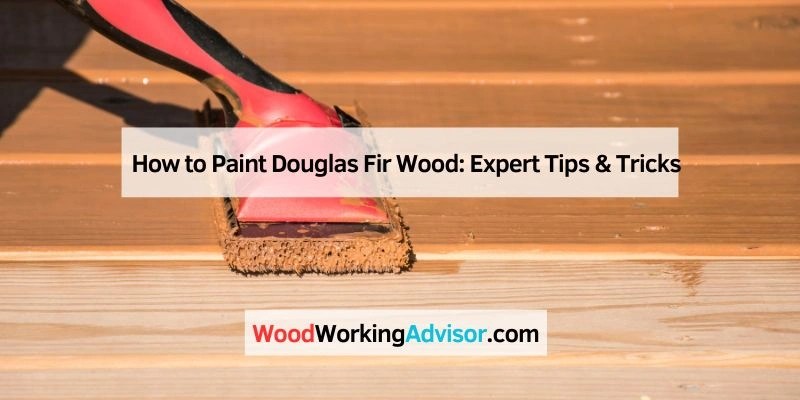
How to Paint Douglas Fir Wood: Expert Tips & Tricks
Sand Douglas fir smooth, prime any sappy streaks with a stain-blocking primer, then apply two thin coats of latex or oil-based paint for a finish that holds up outdoors.
Skip the primer and natural resin can bleed through, staining your topcoat within weeks even after a full 24-hour cure. This guide covers surface prep, primer and paint selection, brush-vs-spray application, and cure times for each coat. Still deciding on species? See how Douglas Fir wood compares to redwood first.
Introduction To Douglas Fir Wood
Best Wood Primer Pick
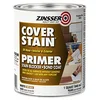
Zinsser Cover-Stain Stain-Blocking Primer, Quart – $18.98
Blocks the resin bleed-through this guide warns about and seals Douglas fir before you paint, so the topcoat does not stain or peel early.
- Best for: Sealing sappy or resin-heavy Douglas fir boards before painting
- Why we picked it: Oil-based formula stops tannin and resin bleed that a water-based primer alone can miss
- Main drawback: Stronger odor than a latex primer; needs good ventilation while drying
Compare more Douglas fir paint & primer options
 Option 1 – Latex Paint Rust-Oleum Painter’s Touch Latex Paint, Flat White – $16.98
|
 Option 2 – Oil-Based Paint EVOLVE Alkyd Enamel Oil-Based Paint, 1 Quart – $20.99
|
 Option 3 – Chalk Paint FolkArt Chalk Furniture Paint, White – $11.65
|
As an Amazon Associate we earn from qualifying purchases.
Douglas fir wood is known for its strength and durability. It has a beautiful, straight grain that adds to its charm. The wood is light in color, often with a hint of red or brown. This makes it appealing for many projects.
Commonly, Douglas fir is used in construction, furniture making, and cabinetry. It is also popular for decking and flooring due to its resistance to wear. Many people appreciate its ability to hold paint and stain well.
Because of its characteristics, Douglas fir wood is a great choice for both indoor and outdoor projects. It combines beauty with functionality, making it a favorite among woodworkers.
Preparing Douglas Fir For Painting
Cleaning the surface of Douglas Fir is very important. Start by removing any dirt or dust. Use a damp cloth to wipe down the wood. Make sure the surface is completely dry before moving on.
Sanding techniques help create a smooth surface. Begin with coarse sandpaper to remove rough spots. Gradually switch to finer sandpaper for a polished finish. Always sand in the direction of the grain. This prevents scratches and keeps the wood looking nice.
Choosing The Right Paint
Choosing the right paint for Douglas Fir wood is important. Here are some common types of paint:
- Latex Paint: Easy to clean and quick-drying.
- Oil-Based Paint: Offers a smooth finish and durability.
- Chalk Paint: Ideal for a matte, vintage look.
Color selection plays a big role in the overall look. Consider these tips:
- Light Colors: Make a space feel larger and brighter.
- Dark Colors: Add warmth and richness to the wood.
- Neutral Tones: Provide a timeless and versatile look.
Priming Douglas Fir Wood
Priming Douglas fir wood offers many benefits. It helps to seal the wood, preventing moisture damage. A good primer also enhances adhesion of the paint, ensuring a smooth finish. Priming reduces the chances of bleeding from the wood’s natural oils.
Using a primer can also improve the color and vibrancy of the topcoat. It creates an even surface, making the final paint job look more professional. Proper priming can even extend the life of your paint job.
For best results, choose a high-quality primer designed for wood. Apply it in thin, even coats. Allow each coat to dry completely before adding the next. Always sand lightly between coats for a smoother finish.
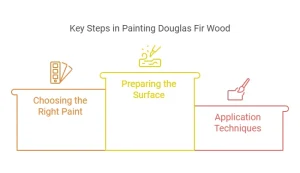
Paint Application Techniques
Choosing between brush and spray techniques is important for painting Douglas Fir wood. A brush offers better control, allowing for precise application. It is ideal for detailed work and corners. On the other hand, a sprayer covers large areas quickly. This method is perfect for achieving a smooth finish on flat surfaces.
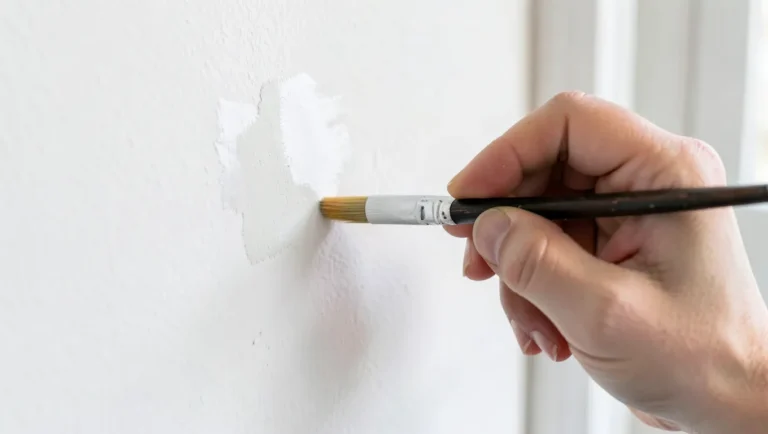
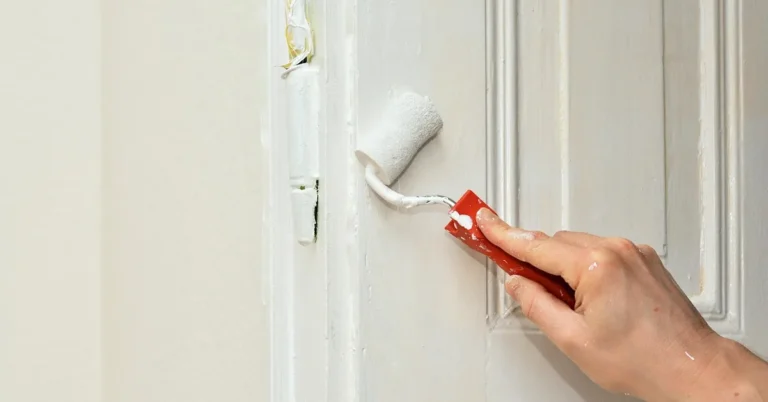
Applying even coats is crucial for a great finish. Start with a thin layer of paint. This helps prevent drips and uneven spots. Wait for the first coat to dry completely before applying the next one. Use a light hand with the brush or spray to avoid thick layers. This technique ensures a professional look that lasts.
Drying And Curing Process
Drying time for Douglas Fir wood depends on the thickness. Thin boards dry faster than thick ones. Generally, expect around 1 to 3 days for thinner pieces. Thicker pieces may take up to 2 weeks. Always check for moisture with a meter.
Curing conditions play a vital role in the process. Keep wood in a dry, well-ventilated area. Avoid direct sunlight and extreme heat. Ideal temperatures are between 65°F to 75°F. Humidity should be around 30% to 50% for best results.
Finishing Touches
Sealing the paint on Douglas Fir wood is essential for long-lasting results. Choose a high-quality sealant to protect your work. Apply it after the paint has dried completely. Use a clean brush for even application.
Adding protective coats enhances durability. A minimum of two coats is recommended. Lightly sand between coats for a smooth finish. Allow adequate drying time as per the product instructions. Check for any imperfections and fix them before the final coat.
Using a polyurethane finish can provide extra protection. This finish helps resist scratches and stains. Always follow the manufacturer’s directions for the best results. Regular maintenance will keep the wood looking great.
Maintenance And Care
Regular cleaning of Douglas fir wood keeps it looking great. Use a soft cloth to remove dust. Mild soap mixed with water is ideal for deep cleaning. Avoid harsh chemicals that can damage the finish. Rinse well with clean water after washing. Dry the wood with a soft towel to prevent water spots.
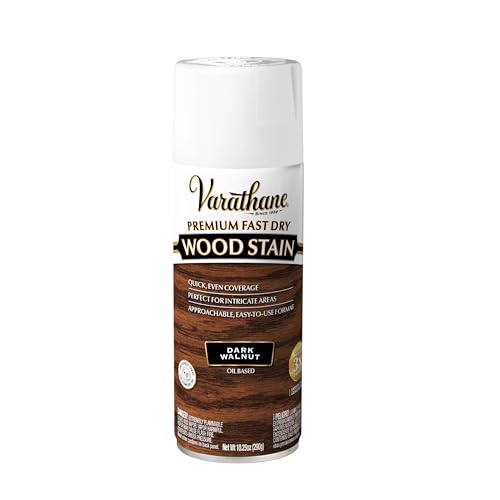
For touch-ups, inspect the wood regularly. Look for scratches or dents. Use a matching wood stain to cover imperfections. A small brush helps apply the stain precisely. Allow the stain to dry completely before applying a protective finish. This keeps the wood looking fresh and beautiful.
Frequently Asked Questions
How Do I Prepare Douglas Fir Wood For Painting?
Preparing Douglas fir wood involves cleaning, sanding, and priming. Start by removing dirt and debris with a damp cloth. Sand the surface to create a smooth finish. Finally, apply a wood primer to ensure better paint adhesion and a more even color.
What Type Of Paint Is Best For Douglas Fir?
The best paint for Douglas fir is acrylic latex paint. It provides excellent durability and flexibility. Oil-based paints can also be used, but they require longer drying times. Choose a paint specifically designed for wood surfaces to achieve the best results.
Can I Paint Over Existing Paint On Douglas Fir?
Yes, you can paint over existing paint on Douglas fir. Ensure the surface is clean and free from peeling paint. Lightly sand the area to promote adhesion. Use a suitable primer before applying the new paint for a smooth finish.
How Long Does Paint Take To Dry On Douglas Fir?
Paint typically takes about 1-2 hours to dry on Douglas fir. However, drying time can vary based on humidity and temperature. For best results, allow the paint to cure for 24 hours before applying a second coat. Always follow the manufacturer’s recommendations for drying times.
Conclusion
Successfully painting Douglas fir wood enhances its natural beauty and durability. Following the right techniques ensures a smooth finish and long-lasting results. Always prioritize proper preparation and choose quality materials. With patience and care, your painted wood will transform any space.
Enjoy your project and the stunning results that follow!
Sponsored / affiliate links. As an Amazon Associate I earn from qualifying purchases. I may earn additional commission from eligible campaigns.