Early Stage Signs of Termites in Ceiling: Spotting Infestation
Imagine relaxing in your cozy living room, only to notice an unusual sagging in your ceiling or faint clicking sounds above you. Before you dismiss these signs, consider this: they might be the early stage warnings of a termite invasion.
Termites are crafty little invaders that can cause significant damage to your home before you even realize they’re there. But don’t worry; by learning what to look for, you can save yourself from costly repairs and stress. You’ll discover the telltale signs of termites in your ceiling and how to act swiftly to protect your home.
Read on to ensure your sanctuary remains safe and intact.

Credit: pestgnome.com
Signs Of Termites In The Ceiling
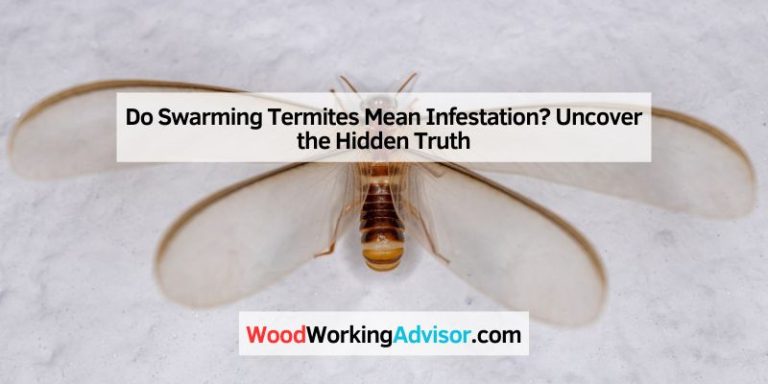
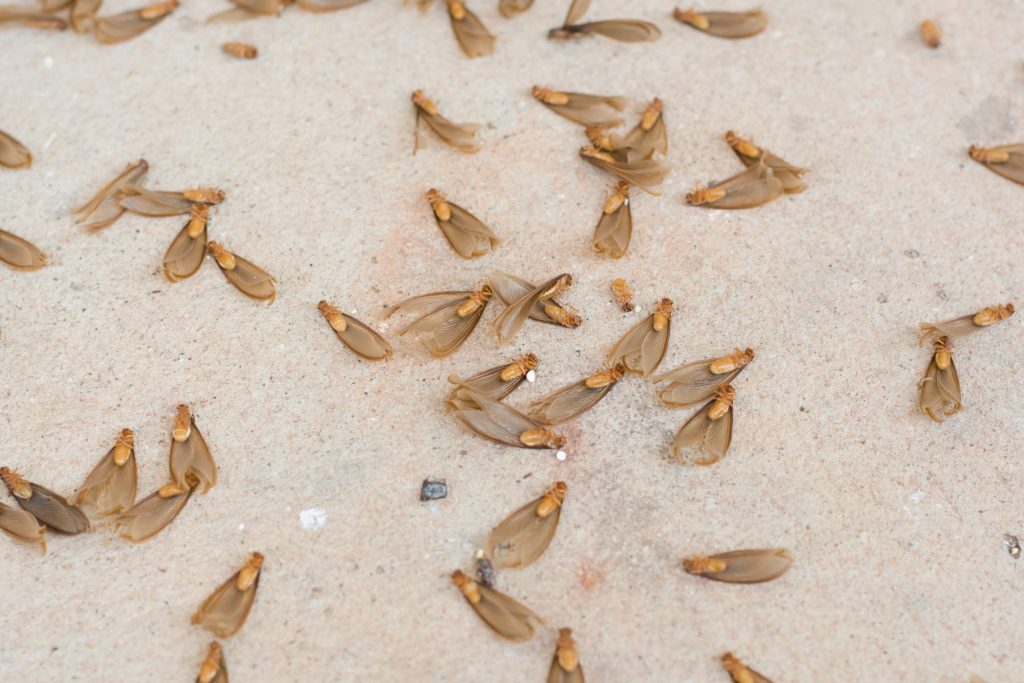
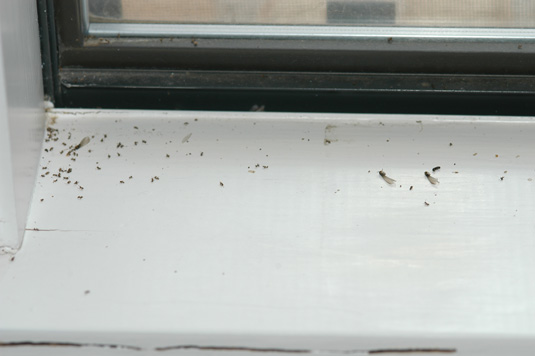
Termites can cause serious damage to ceilings. Small holes might appear. Droppings or what looks like sawdust can be seen. Bubbling or peeling paint is a warning sign. Tap the ceiling; it might sound hollow. Mud tubes might hang from the ceiling. Soft spots in the ceiling can be found. Listen for faint clicking sounds. This might be termites eating wood. Swarmers or flying termites might be seen. They are searching for new places to live. Discarded wings might be on the floor. Wood might crack easily. Termites might cause moisture problems. Check for water stains or damp spots.
Ceiling might sag or bend. This is not good. Termite nests can be found nearby. Keep an eye out. Strange smells might be present. Wood might smell musty. Professional help is needed for termite problems.
Common Causes Of Ceiling Infestation
Termites often invade homes due to moisture issues. Leaky roofs can create dampness. This attracts termites quickly. Wooden ceilings are a favorite. Termites love cellulose in wood. Poor ventilation can worsen problems. Humidity builds up inside. This makes ceilings vulnerable. Termites seek entry points. Cracks and holes are easy targets. They find small spaces to enter. Old houses are at greater risk. Age weakens structures. Termites can easily damage them. Regular checks can help. Prevent infestations early.
Identifying Subtle Indicators
Check for cracks or sagging areas in the ceiling. These may signal termite damage. Look for hollow sounds when tapping on the ceiling. Termites eat wood, leaving empty spaces. Small bubbles or blisters can also be signs. Paint may look odd or uneven.
Termites build mud tubes to travel. These tubes are often brown and narrow. They can be found near the ceiling or walls. Inspect corners and edges. Destroy them if found. It can help stop termites.
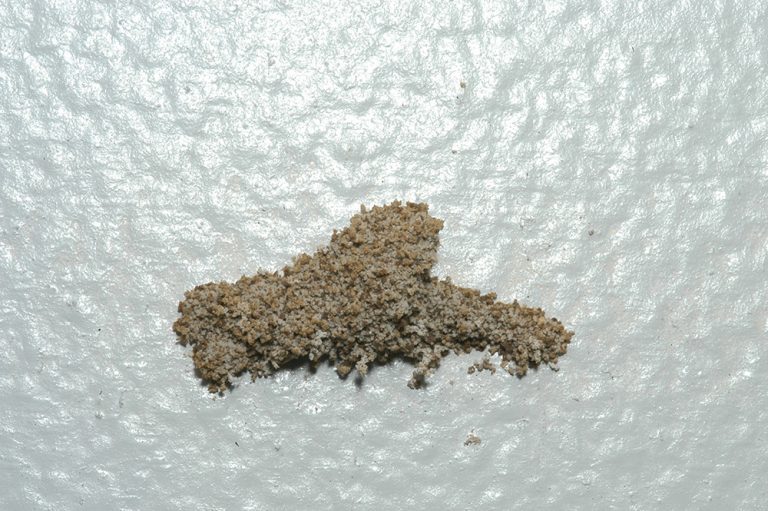
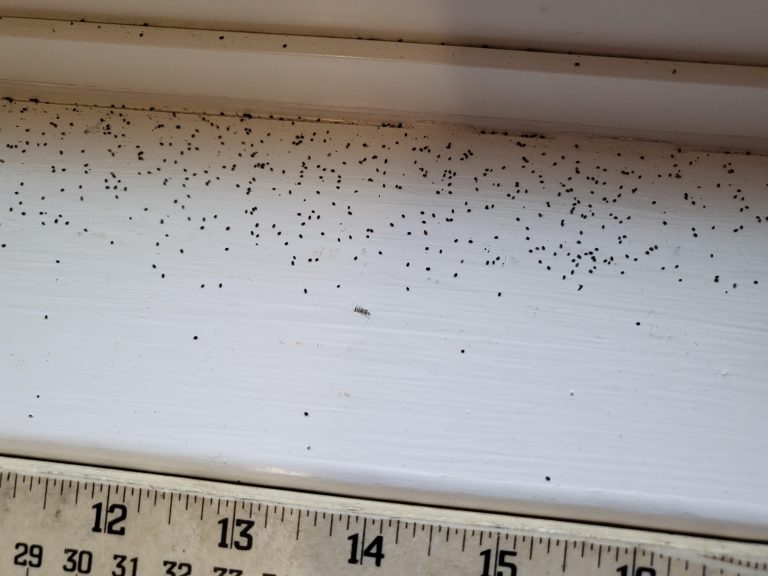
Termites leave behind droppings called frass. Frass looks like tiny wood pellets. It may appear on the floor or ceiling. Check for small piles or dust. Clear signs of termite activity. Keep an eye on these areas.
Sound Clues Of Infestation
Hollow sounds in wood might mean termites. Tap the ceiling with a stick. If it sounds empty, termites might be inside. They eat wood from the inside out. This makes the wood weak and hollow.
Soft clicking noises can also be a sign. Termites make tiny sounds while eating. Put your ear close to the ceiling. Listen carefully in a quiet room. You might hear them munching away. These sounds are very soft. Only listen when it’s very quiet.
Environmental Factors To Watch
Signs of termites in the ceiling include small holes and faint cracking sounds. Watch for sagging areas or discoloration, indicating termite damage. Early detection helps prevent structural issues and costly repairs.
Moisture Levels
Moisture is a big problem for ceilings. Termites love wet places. High moisture makes wood soft. Soft wood is easy for termites to eat. Look for water leaks or stains. These are signs of moisture. Check the roof for leaks. Fix leaks fast. Keep the ceiling dry. Dry places do not attract termites.
Wood Type And Quality
Wood type matters. Hardwoods are strong. Termites find them hard to chew. Softwoods are easy for termites to eat. Check the quality of wood in the ceiling. Good quality wood lasts longer. Bad quality wood breaks easily. Use treated wood. Treated wood keeps termites away. Inspect the wood often. Look for holes or cracks. Fix any problems quickly.
Credit: www.hometermitecontrolsydney.com.au
When To Seek Professional Help
Extensive damage in the ceiling can be a worrying sign. Termites eat wood. They cause it to weaken and crumble. If you notice sagging or cracks, it might be serious. Professionals can assess the damage. They know what to do to fix it.
Recurring infestations indicate a persistent problem. If termites return after treatment, it’s time to call experts. They have tools and knowledge. They find the source of the problem. Solving it can prevent future infestations. Seeking help early can save money and protect your home.
Preventive Measures
Regular inspections help find termites early. Look for tiny holes in the ceiling. Check for wood dust on the floor. This can mean termites are near. Professional inspections are important. They know what to look for. They can spot problems quickly. They help keep your home safe.
Termites love humid places. Keep your home dry. Use a dehumidifier. Fix any leaks fast. Check around windows and doors. Make sure they are sealed well. This stops moisture from getting in. Keeping humidity low helps stop termites.
Credit: extension.msstate.edu
Frequently Asked Questions
How To Tell If Termites Are In The Ceiling?
Check for small holes, droppings, or sagging areas in the ceiling. Listen for faint clicking sounds. Notice any bubbling or peeling paint. Inspect for mud tubes or visible termites. Look for damaged wood or hollow sounds when tapped.
How Do You Treat Termites In The Ceiling?
To treat termites in the ceiling, inspect for signs of infestation. Apply termite-specific pesticides or hire professionals for effective control. Ensure regular maintenance and use preventative measures like treated wood or termite barriers to avoid future issues. Prompt action is crucial to prevent structural damage and costly repairs.
How Do You Tell If Termites Are Behind Drywall?
Listen for faint clicking sounds from walls. Check for hollow sounds by tapping the drywall. Look for small, pinholes or discolored spots. Examine for peeling paint or bubbling wallpaper. Inspect for mud tubes near walls or foundations. Seek professional inspection for certainty.
How Long Can You Have Termites And Not Know?
Termites can remain hidden for years without detection. Damage becomes visible once infestation grows. Regular inspections help identify them early. Keep an eye out for mud tubes, discarded wings, and hollow wood. Early detection prevents severe damage, saving costs on repairs.
Act quickly if signs appear to ensure protection.
Conclusion
Spotting early termite signs saves your ceiling. Listen for unusual sounds. Watch for small holes or cracks. Check for droppings or mud tubes. Act quickly to prevent damage. Regular inspection helps. Professional help can protect your home. Keep your ceiling safe from termites.
Awareness is your best tool. Protect your investment and peace of mind. Stay alert and proactive. Your ceiling depends on it. Simple steps can make a big difference. Don’t wait for damage to occur. Early action is the key. Keep your home termite-free and secure.