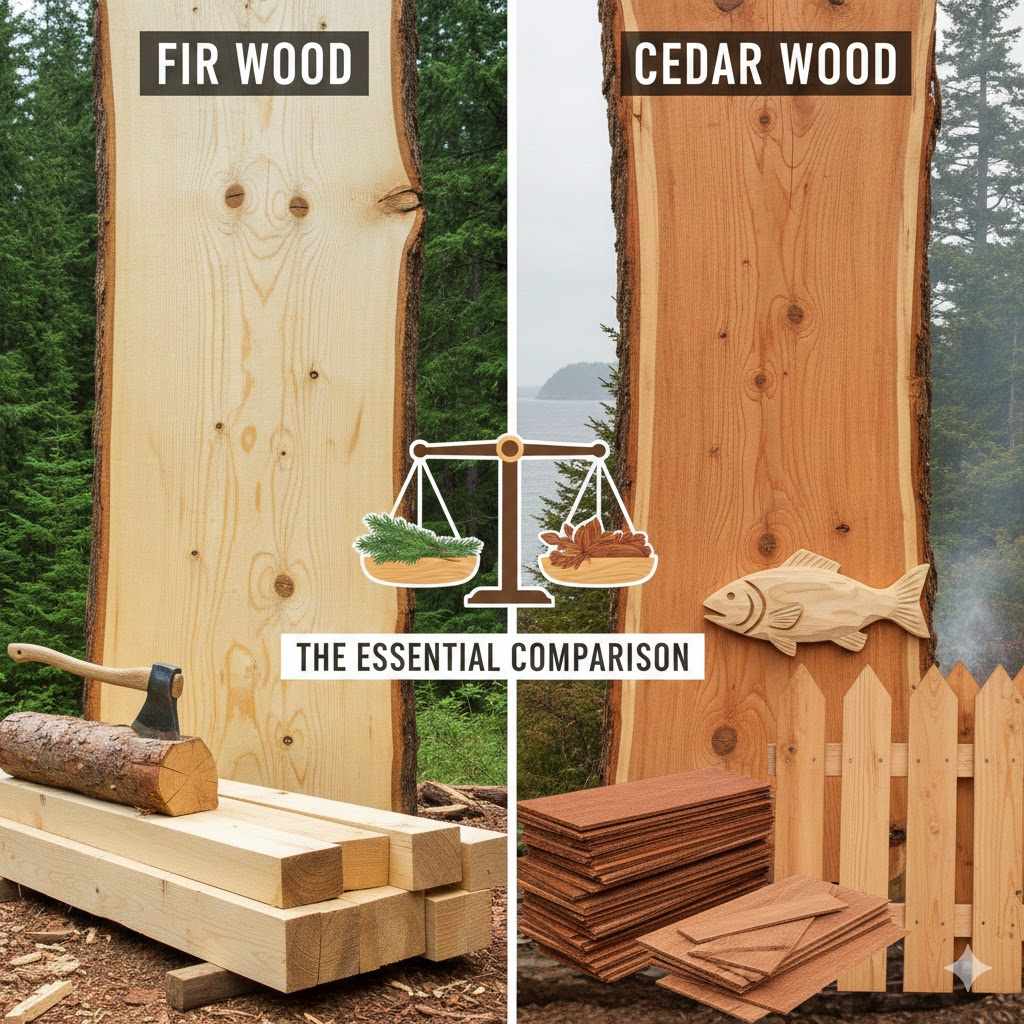
Fir Wood vs Cedar: The Essential Comparison
Choosing between fir and cedar? For indoor structural projects like framing, fir is the stronger, more affordable choice. For outdoor projects like decks, fences, and siding, cedar’s natural resistance to rot, moisture, and insects makes it the superior, longer-lasting option, despite its higher cost. Your project’s location (indoors vs. outdoors) is the most important factor.
Hello there! I’m Md Meraj, and I’m so glad you’re here. Walking into a lumber yard can feel overwhelming. You see stacks of wood, and two common names pop up again and again: fir and cedar. They both look great, but you wonder, “Which one is right for my project?” It’s a question I hear all the time, and it’s a great one to ask.
Choosing the wrong wood can lead to frustration. A beautiful outdoor table made from the wrong material might warp or rot in just a season. An indoor frame built with expensive, unnecessary wood can hurt your budget. Don’t worry. We’re going to clear up all the confusion today. Together, we will look at fir and cedar side-by-side, so you can pick the perfect wood with total confidence.
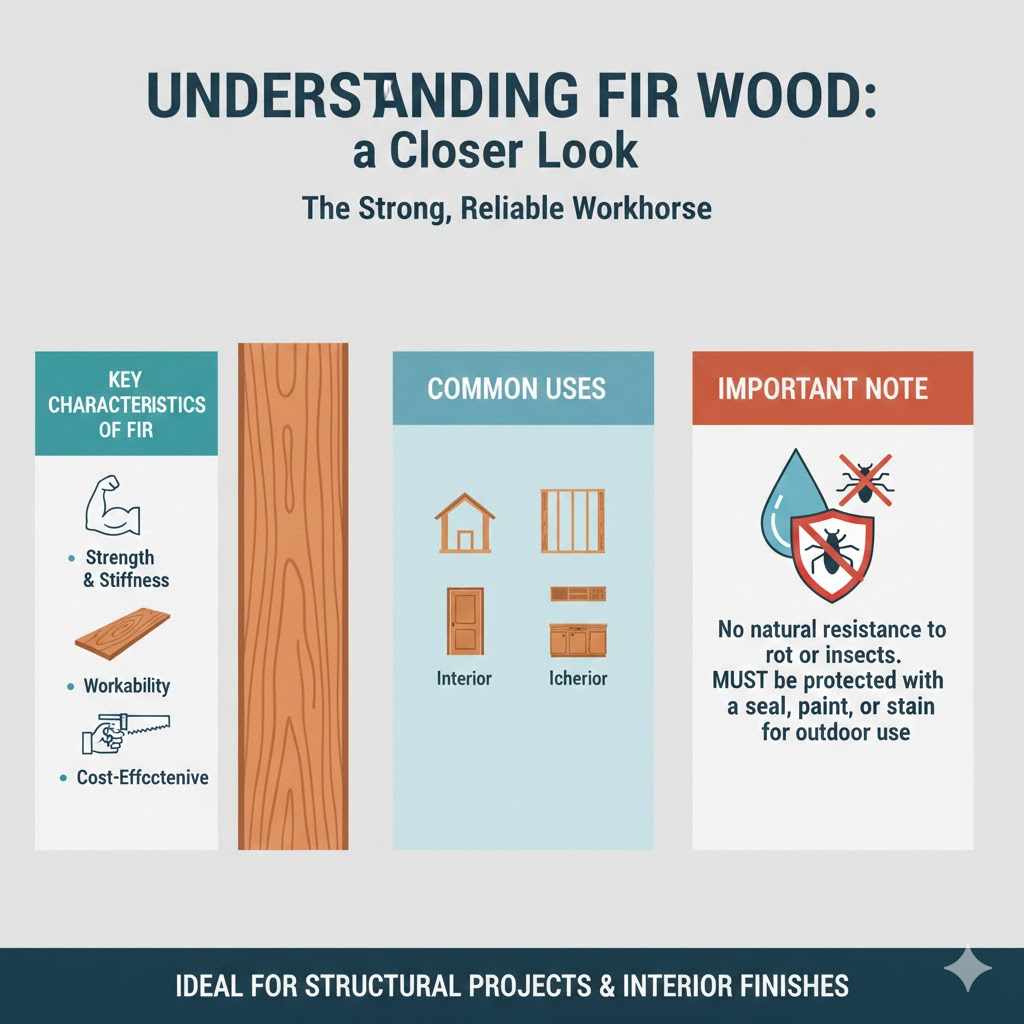
Understanding Fir Wood: A Closer Look
When most people talk about fir, they are usually talking about Douglas Fir. It’s one of the most popular and widely used softwoods in North America, and for good reason. Think of fir as the strong, reliable workhorse of the wood world.
Key Characteristics of Fir
- Strength and Stiffness: Fir is incredibly strong for its weight. This is why it’s a top choice for building the bones of a house, like wall studs, beams, and floor joists. It can handle heavy loads without bending or breaking.
- Appearance: Fir has a straight, consistent grain that is very pleasing to the eye. Its color ranges from a light reddish-brown to a yellowish-tan. This clean look makes it a great choice for indoor trim, doors, and cabinets.
- Workability: Fir is generally easy to work with. It cuts cleanly and holds nails and screws well. However, it can sometimes splinter if your tools are not sharp, so always take your time and use good equipment.
- Cost-Effectiveness: One of the biggest advantages of fir is its price. It is often much more affordable than cedar, making it an excellent choice for large projects or when you’re working on a budget.
The main thing to remember about fir is that it does not have a natural resistance to rot or insects. It needs to be protected if used outdoors. Without a proper seal, paint, or stain, it will quickly absorb water and begin to decay.
Understanding Cedar Wood: Nature’s Outdoor Champion
Now, let’s talk about cedar. When you think of the lovely, rich smell of a wooden chest or a classic backyard deck, you’re probably thinking of cedar. Cedar is famous for its beauty, aroma, and amazing durability outdoors.
Key Characteristics of Cedar
- Natural Rot and Insect Resistance: This is cedar’s superpower. The wood contains natural oils and compounds called tannins that make it resistant to decay, moisture, and insects like termites and carpenter ants. This is why you see it used so often for decks, fences, siding, and outdoor furniture.
- Appearance: Cedar is beautiful. Western Red Cedar, a very common type, has rich red and brown tones with a lovely, straight grain. It can also be left unfinished to weather into a beautiful silvery-gray color over time.
- Aroma: Cedar has a distinct, pleasant, and aromatic smell. This is why it’s traditionally used for closet linings and chests, as the scent naturally repels moths.
- Lightweight and Stable: Cedar is much lighter than fir. This makes it easier to handle and install, especially for siding or roofing. It’s also very stable, meaning it doesn’t tend to shrink, swell, or warp as much as other woods when exposed to changes in moisture and temperature.
While cedar is fantastic, its amazing qualities come at a higher price. It is a premium wood, and its cost reflects that. It is also softer than fir, so it can dent or scratch more easily.
Fir Wood vs. Cedar: The Head-to-Head Showdown
Now that we know a little about each wood, let’s put them side-by-side. This direct comparison will help you see exactly where each one shines, making your decision simple and clear.
| Feature | Fir Wood (Douglas Fir) | Cedar Wood (Western Red Cedar) |
|---|---|---|
| Best For | Indoor structural uses (framing, beams), trim, flooring | Outdoor projects (decks, fences, siding, furniture) |
| Rot Resistance | Low (Must be treated for outdoor use) | High (Naturally resistant due to oils) |
| Insect Resistance | Low | High (Naturally repels insects) |
| Strength & Hardness | Very high (Excellent strength-to-weight ratio) | Lower (Softer and can dent more easily) |
| Cost | Lower (More affordable) | Higher (A premium material) |
| Weight | Heavier and denser | Lighter and easier to handle |
| Appearance | Light tan/reddish-brown, straight uniform grain | Rich reddish-brown tones, varied and beautiful grain |
| Aroma | Mild, woody scent | Strong, distinct, aromatic scent |
Durability and Strength
When it comes to pure strength, fir is the winner. Its hardness is measured on something called the Janka scale. Douglas Fir has a Janka rating of around 660 lbf (pounds-force), while Western Red Cedar comes in at a much softer 350 lbf. You can see more details on wood hardness at the USDA’s Forest Products Laboratory site. This means fir can withstand more impact, making it ideal for flooring or the structural frame of a building that needs to bear a lot of weight.
However, durability isn’t just about hardness. For outdoor projects, durability means resisting the elements. In this area, cedar is the undisputed champion. Its natural ability to fight off rot and pests means a cedar deck will outlast a fir deck by many years, even with minimal maintenance.
Cost and Value
Budget is a huge factor for any project, and this is where the difference between fir and cedar becomes very clear. Fir is a commodity lumber product, grown and harvested in huge quantities for the construction industry. This makes it widely available and very affordable.
Cedar, on the other hand, is considered a premium wood. It grows more slowly, and its desirable properties make it more valuable. You can expect to pay significantly more for cedar boards than for fir boards of the same size. But remember to think about long-term value. While a fir fence might be cheaper to build initially, the cost of sealing it every few years and eventually replacing it might make a cedar fence a better value over 15 or 20 years.
Workability and Finishing
Both fir and cedar are fairly easy to work with for a beginner. They are softwoods, so they cut and drill without much effort. Fir’s tight, straight grain allows it to hold screws and nails very well, which is great for construction. However, you need to be careful, as it can be prone to splintering. Always wear safety glasses!
Cedar is softer and lighter, which can make it a joy to work with. It cuts beautifully and is less likely to split. When it comes to finishing, both woods accept paint and stain well. However, many people choose cedar specifically for its natural color. A clear sealant or a semi-transparent stain can protect the wood while letting its beautiful red and brown tones shine through. Fir, with its less dramatic grain, is more often painted or given a solid stain.
When to Choose Fir Wood: Projects and Uses
Fir is your go-to wood when strength and budget are your top priorities, especially for projects that will stay protected from the weather. Think of it as the strong foundation of your work.
Best Projects for Fir:
- Home Framing: This is fir’s number one job. Wall studs, floor joists, roof rafters—fir provides the strength needed to hold up a house.
- Indoor Trim and Millwork: Baseboards, door casings, and window frames made from fir are durable and look fantastic when painted.
- Furniture and Cabinetry: If you plan on painting your final piece, fir is an affordable and strong option for bookshelves, simple tables, and cabinet frames.
- Sheds or Workshops (with protection): You can frame a shed with fir, but make sure the exterior siding and roof will completely protect the fir frame from rain and snow.
- Subflooring: Fir plywood is an excellent, strong material to lay down before you install your final hardwood, tile, or carpet flooring.
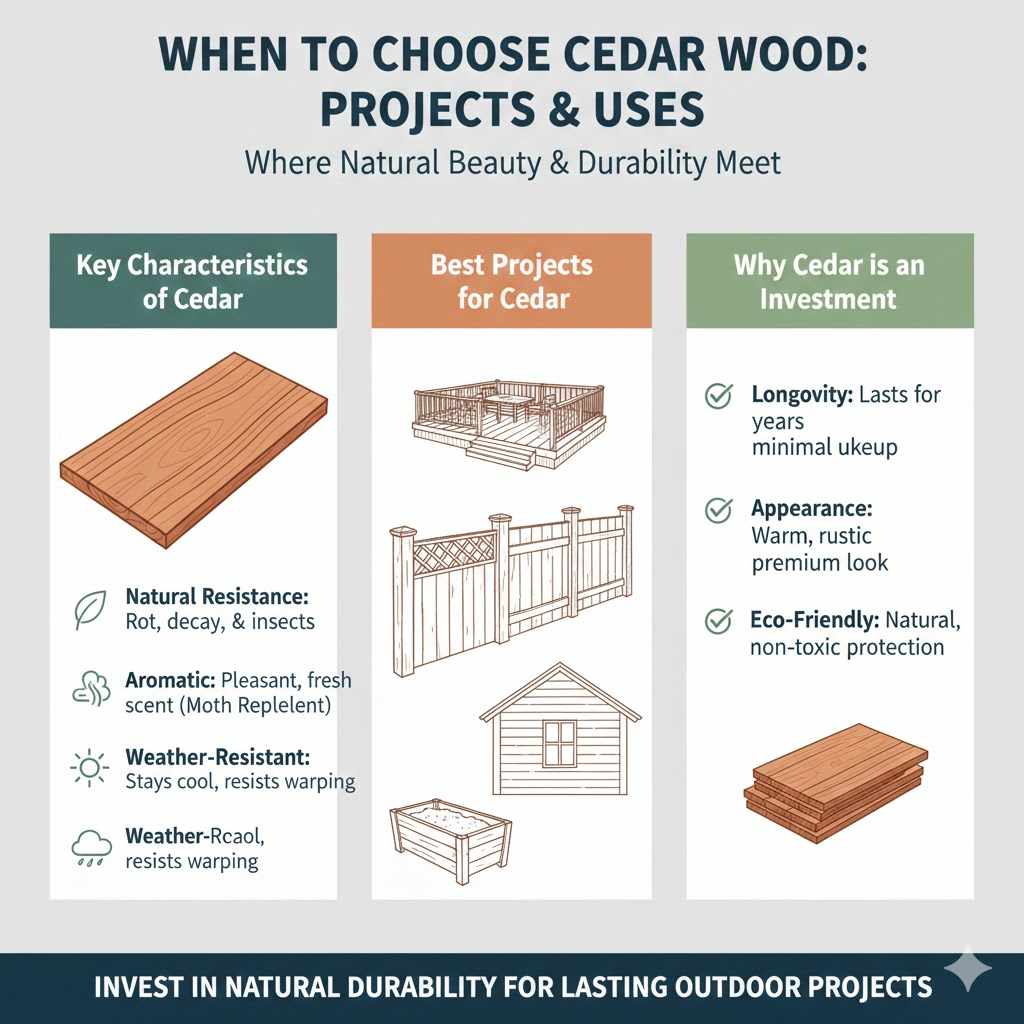
When to Choose Cedar Wood: Projects and Uses
Choose cedar when your project will live outdoors or in a high-moisture area. Its natural defenses and stunning looks make it worth the investment for any project you want to last for years to come.
Best Projects for Cedar:
- Decks and Patios: Cedar is a classic choice for decking. It stays cooler in the sun than composite materials, feels great underfoot, and lasts for years.
- Fences and Pergolas: A cedar fence not only looks beautiful but will also stand up to rain, sun, and insects without needing constant chemical treatments.
- Outdoor Furniture: Picnic tables, garden benches, and Adirondack chairs made from cedar are lightweight, beautiful, and naturally weather-resistant.
- Siding: Cedar siding gives a home a warm, rustic, and premium look while protecting it from the elements.
- Planter Boxes and Garden Beds: Because it’s naturally rot-resistant, you don’t have to worry about the wood breaking down from contact with damp soil.
- Closet and Chest Lining: Thin planks of Aromatic Cedar can be used to line closets to protect clothing and give off that wonderful, fresh scent.
Frequently Asked Questions (FAQ)
Let’s tackle some of the most common questions I get from fellow woodworkers when they are trying to decide between fir and cedar.
Is fir good for outdoor furniture?
Generally, no. Fir is not a good choice for outdoor furniture unless you are committed to maintaining a very high-quality, protective finish like marine varnish or multiple coats of outdoor paint. Without that protection, it will absorb moisture and begin to rot quickly. Cedar is a much better choice.
Does cedar need to be sealed?
Cedar does not need to be sealed to prevent rot. It can be left to weather naturally to a silvery-gray color. However, sealing it will help it retain its rich red and brown colors. A sealant with UV protection can prevent fading from the sun and also helps reduce minor cracks or checking as the wood ages.
Which is stronger, fir or cedar?
Fir is significantly stronger and harder than cedar. This is why fir is used for structural applications like house frames, while cedar is not. Fir can handle heavy loads, while cedar is softer and can dent or scratch more easily.
Can I use fir for a deck?
You can, but it requires pressure-treated fir. Standard fir lumber from the hardware store is not suitable for a deck. Pressure-treated fir has been chemically treated to resist rot and insects. Even so, many builders prefer cedar for its natural resistance, stability, and premium look.
Is cedar waterproof?
Cedar is not waterproof, but it is highly water-resistant. Its natural oils help repel water, preventing it from soaking deep into the wood. This is what helps it resist rot so well in damp environments. Over time, it can still absorb some moisture, which is why it’s good to allow for proper drainage in projects like decks.
Why is my cedar fence turning gray? Is that bad?
A cedar fence turning gray is completely normal and is not a sign of damage or rot. It is a natural process caused by exposure to sun and rain. Many people love this classic, weathered silver-gray look. If you prefer to keep the original reddish color, you will need to clean and apply a protective UV-blocking stain or sealer every few years.
Which wood is easier for a beginner to work with?
Both are good for beginners, but cedar is often a bit more forgiving. It’s lighter, softer, and less prone to splitting than fir. Fir’s tendency to splinter means you need to be more careful and ensure your saw blades are sharp. For a first-time project, cedar can provide a more pleasant and smooth experience.
Conclusion: Making the Right Choice for Your Project
So, there you have it. The choice between fir and cedar isn’t about which wood is “better” overall, but which one is perfectly suited for the job you have in mind. It really is that simple.
Let’s boil it down one last time. If your project is indoors and needs to be strong and affordable—think framing, indoor trim, or a simple painted bookshelf—fir is your loyal and hardworking friend. It gives you incredible strength without breaking the bank.
But if your project is going to live outside, exposed to sun, rain, and insects—like a beautiful deck, a sturdy fence, or a comfortable garden bench—cedar is the clear winner. Its natural defenses, gorgeous appearance, and longevity make it a worthwhile investment that you will be proud of for years to come.
Now you have the knowledge to walk into that lumber yard with confidence. You can look at those stacks of wood, see your project in your mind, and know exactly which one to choose. Happy building!