Fix Scratch in Hardwood Floor: Quick & Easy Solutions
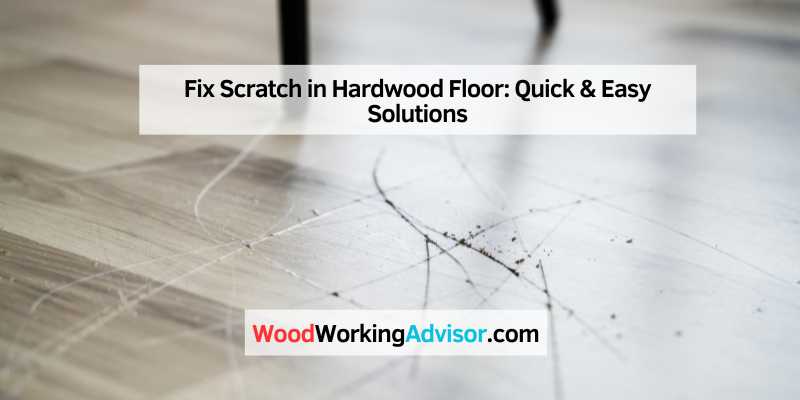
To fix a scratch in a hardwood floor, start by cleaning the area with a damp rag. Then, apply a polyurethane sealer and a waterborne finish to the scratched area.
These steps will help to conceal and protect the scratch, restoring the floor’s appearance and integrity. Hardwood floors add a touch of elegance and warmth to any space, but scratches can detract from their beauty. Whether the scratches are minor or more substantial, addressing them promptly is essential for preserving the floor’s aesthetic appeal and structural integrity.
Fortunately, there are various methods and products available to effectively repair scratches in hardwood floors. From simple DIY solutions to professional-grade treatments, finding the right approach for your specific needs can help you restore your hardwood floor to its original luster.
Introduction To Hardwood Floor Care
Hardwood floors are a beautiful and timeless addition to any home. They add warmth and elegance to the space, but they can also be prone to scratches and damage over time. Proper care and maintenance are essential to keep your hardwood floors looking their best for years to come. In this blog post, we will explore some effective ways to fix scratches in hardwood floors and discuss preventative measures to protect your floors from future damage.
Identifying Types Of Scratches
Before we delve into the solutions for fixing scratches, it’s important to understand the different types of scratches that can occur on hardwood floors. By identifying the type of scratch, you can choose the most appropriate method for repair.
Here are some common types of scratches:
- Surface Scratches: These are light scratches that only affect the top protective layer of the hardwood floor. They are usually shallow and can be easily fixed.
- Deep Scratches: These are more severe scratches that penetrate the surface and may expose the bare wood. They require a bit more effort to repair.
- Gouges: Gouges are deep and wide scratches that can be challenging to fix. They often require more extensive repair work.
Preventative Measures For Hardwood Floors
Prevention is key when it comes to maintaining the beauty and integrity of your hardwood floors. By implementing some simple preventative measures, you can minimize the risk of scratches and damage.
Here are some preventative measures to consider:
- Use Protective Pads: Attach felt or rubber pads to the bottom of furniture legs to prevent scratches when moving or rearranging furniture.
- Remove Shoes: Encourage family members and guests to remove their shoes when entering your home to prevent dirt, debris, and sharp objects from scratching the floor.
- Regular Cleaning: Sweep or vacuum your hardwood floors regularly to remove dirt and grit that can cause scratches. Use a soft-bristle brush or a microfiber mop for gentle cleaning.
- Use Area Rugs and Mats: Place area rugs and mats in high-traffic areas to protect the floor from scratches caused by foot traffic and accidental spills.
- Trim Pet Nails: Keep your pet’s nails trimmed to prevent them from scratching the hardwood floors.
By following these preventative measures, you can significantly reduce the risk of scratches and maintain the beauty of your hardwood floors.
Now that we’ve covered the basics of hardwood floor care and preventative measures, let’s dive into the specific methods for fixing scratches in hardwood floors in our upcoming blog posts.
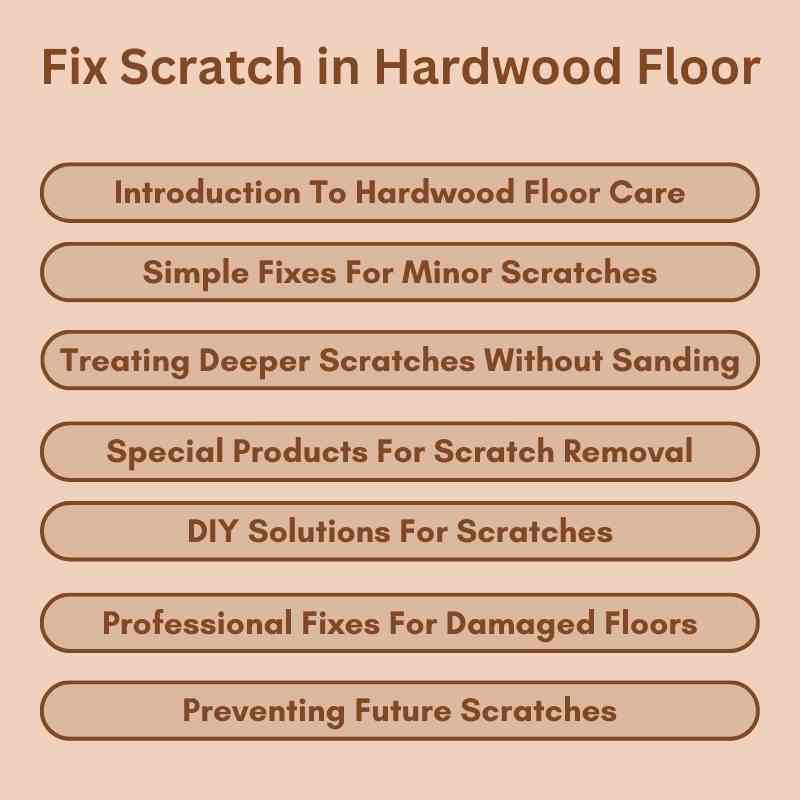
Simple Fixes For Minor Scratches
Hardwood floors add a touch of elegance and warmth to any home. However, over time, they may develop minor scratches that can mar their beauty. The good news is that you don’t have to spend a fortune or hire a professional to fix these scratches. With a few simple methods and kitchen staples, you can restore the shine and smoothness of your hardwood floors.
Using Kitchen Staples: Vinegar And Olive Oil Method
If the scratches on your hardwood floor are small and the finish is relatively new, you can try the vinegar and olive oil method to remove them. Here’s how:
- Mix equal parts apple cider vinegar and olive oil in a small cup.
- Carefully dab the solution onto the scratches using a clean cloth.
- Leave the solution on the scratches for a day to allow it to penetrate the wood.
- After a day, gently rub the area with a clean, soft cloth to remove the solution and reveal the repaired surface.
This method works by using the vinegar to clean and disinfect the scratches while the olive oil helps to moisturize and restore the wood’s natural shine. Remember to test the solution on a small, inconspicuous area of the floor before applying it to the scratches to ensure compatibility with your specific hardwood finish.
The Magic Of Wood Markers And Crayons
If you’re dealing with slightly deeper scratches or want a quick and easy fix, wood markers and crayons can work wonders. Follow these steps:
- Choose a wood marker or crayon that matches the color of your hardwood floor.
- Gently color over the scratches with the marker or crayon, filling them in.
- Use a soft cloth to buff the area and blend the color into the surrounding wood.
Wood markers and crayons are specially formulated to mimic the natural color of wood, making them ideal for covering up minor scratches and imperfections. They are easy to use and provide a quick fix that can make a noticeable difference in the appearance of your hardwood floor.
Remember, these simple fixes are suitable for minor scratches only. If your hardwood floor has deeper or extensive damage, it’s best to consult a professional for proper repair and restoration. Regular maintenance and preventive measures, such as using furniture pads and area rugs, can also help minimize the occurrence of scratches and keep your hardwood floor looking its best for years to come.
Treating Deeper Scratches Without Sanding
If your hardwood floor has deeper scratches that need treatment but you want to avoid sanding, there are alternative methods you can use to address the issue. These methods involve using wood fillers and stains to effectively conceal and repair the scratches without the need for extensive sanding.
The Role Of Wood Fillers
Wood fillers play a crucial role in treating deeper scratches in hardwood floors without the need for sanding. These fillers are designed to effectively fill in the gaps and crevices created by the scratches, providing a smooth and consistent surface for further treatment. When selecting a wood filler, ensure that it closely matches the color of your hardwood floor to achieve a seamless and natural look.
Applying Stain For Consistency
After using wood fillers to address the deeper scratches, the next step involves applying stain to ensure consistency and uniformity across the treated areas. The stain helps blend the filled-in scratches with the rest of the floor, creating a cohesive appearance. When applying the stain, ensure that it complements the existing color of your hardwood floor and allows for seamless integration of the repaired areas.
Special Products For Scratch Removal
When it comes to fixing scratches on hardwood floors, special products can be incredibly effective. Let’s explore some of the top options for scratch removal.
The Effectiveness Of Murphy’s Oil Soap
Murphy’s Oil Soap is renowned for its ability to remove scratches, stains, marks, and other imperfections from hardwood floors. This versatile product can work wonders on waxed floors, offering a simple yet highly effective solution for addressing common issues.
Exploring Finish Restorers
Finish restorers are ideal for treating minor scratches across a wide area of the floor. These products can help restore the original finish, effectively concealing scratches and revitalizing the overall appearance of the hardwood surface.
DIY Solutions For Scratches
Easily fix scratches in hardwood floors with DIY solutions. Use markers or blending pencils, apply wood stain, or use finish restorers to cover and treat minor scratches. For deeper scratches, clean the area, apply polyurethane sealer, and a waterborne finish to restore the floor’s appearance without sanding.
Hardwood floors are a beautiful addition to any home, but they are also susceptible to scratches. Thankfully, there are several DIY solutions to fix minor scratches without having to call in a professional. Here are two effective methods you can try at home:
Homemade Mixtures: Baking Soda And Olive Oil
One of the easiest ways to fix minor scratches on your hardwood floors is by using a homemade mixture of baking soda and olive oil. Simply mix one part baking soda with one part olive oil until it forms a paste. Apply the mixture to the scratched area and gently rub it in with a soft cloth. Leave the mixture on for about 10 minutes before wiping it away with a clean cloth. The scratches should be less noticeable, and your hardwood floors will be left looking shiny and new.
The Nut Method: Using Walnuts On Scratches
Another simple solution is to use walnuts to fix scratches on your hardwood floors. Walnuts contain natural oils that can help to hide scratches and restore shine to your floors. All you need to do is rub a shelled walnut over the scratched area, using circular motions to work the oils into the wood. Once you have rubbed the walnut over the scratch, use a soft cloth to buff the area until it shines. This method is quick, easy, and can be done with items you may already have in your pantry.
In conclusion, minor scratches on your hardwood floors can be fixed using simple DIY methods such as baking soda and olive oil mixture or using walnuts to rub over the scratches. These methods are easy, effective, and can save you money on professional repairs.
Professional Fixes For Damaged Floors
Looking for professional fixes for damaged floors? Learn how to fix scratches in hardwood floors with these expert tips. From using markers or blending pencils to applying wood stain or finish restorers, there are various methods to restore the beauty of your hardwood floors without sanding.
When To Call The Professionals
If your hardwood floor has deep scratches, dents, or discoloration, it may be time to call in a professional. A flooring specialist can assess the damage and recommend the best course of action. Attempting to fix extensive damage on your own can lead to further problems and costly mistakes.
Overview Of Sanding And Refinishing
Sanding and refinishing is a common method used by professionals to fix damaged hardwood floors. This process involves removing the top layer of the floor to get rid of scratches, stains, and other imperfections. After sanding, the floor is refinished with a new stain and a protective coating. This method is effective for restoring the natural beauty of your hardwood floor, but it can be time-consuming and expensive.
Other Professional Fixes
In addition to sanding and refinishing, there are other professional fixes for damaged hardwood floors. For minor scratches and dents, a flooring specialist may be able to fill the affected area with wood filler and then sand and refinish the entire floor. For more extensive damage, such as warped or broken boards, a flooring specialist can replace the damaged boards with new ones.
Overall, while some minor scratches and dents can be repaired with DIY methods, it’s best to call in a professional for extensive damage. They have the tools and expertise to fix your damaged hardwood floor and restore it to its former glory.
Preventing Future Scratches
Prevent future scratches on your hardwood floor by using markers or blending pencils to cover minor scratches, applying wood stain to penetrate raw wood, or using finish restorers for wider areas. You can also mix apple cider vinegar and olive oil to dab on small scratches and rub them out with a soft cloth.
Remember, superficial damage can be repaired by sanding, refinishing, or patching.
The Importance Of Regular Maintenance
Regular maintenance of hardwood floors is essential to prevent future scratches. By keeping the floors clean and well-maintained, you can minimize the risk of scratches caused by dirt, debris, and other abrasive materials. Sweeping, vacuuming, and using a damp mop with a gentle hardwood floor cleaner can help to maintain the floor’s finish and reduce the likelihood of scratches.
Choosing The Right Floor Protectors
Investing in high-quality floor protectors is crucial for preventing scratches on hardwood floors. Felt or rubber protectors should be placed under furniture legs to prevent them from scratching the floor when moved. Additionally, using area rugs in high-traffic areas and entryways can provide an extra layer of protection against scratches. Ensure that the floor protectors are regularly checked and replaced to maintain their effectiveness.

Frequently Asked Questions
Can You Fix Scratches In Hardwood Floors?
Yes, scratches in hardwood floors can be fixed. For minor scratches, you can use markers or blending pencils, rub wood stain over the area, or use finish restorers. For deeper scratches, clean the area with a damp rag, apply polyurethane sealer, and a waterborne finish.
You can also mix equal parts apple cider vinegar and olive oil for small scratches. For major damage, it’s best to call a flooring professional.
How Do You Get Scratches Out Of Hardwood Floors Without Sanding?
To remove scratches from hardwood floors without sanding, you can try this method: Mix equal parts apple cider vinegar and olive oil in a small cup. Dab the solution into the scratches and leave it for a day. Then, rub it out with a clean, soft cloth.
This method works best for small scratches on floors with a relatively new finish.
Does Murphy’s Oil Soap Remove Scratches?
Murphy’s Oil Soap doesn’t remove scratches from wood floors. It’s effective for cleaning, not repairing.
Can You Fix Damaged Hardwood Floor?
Yes, damaged hardwood floors can be fixed through sanding, refinishing, patching, and other repair methods by professionals or DIY enthusiasts.
Conclusion
Fixing scratches in hardwood floors doesn’t have to be a daunting task. By following the right techniques and using the appropriate materials, you can restore the beauty of your floors. Whether it’s using markers or blending pencils for minor scratches or using a DIY solution of apple cider vinegar and olive oil for deeper scratches, there are various methods to choose from.
Remember to clean the area before applying any solutions and always test them in a small, inconspicuous area first. With a little effort and care, you can have your hardwood floors looking as good as new.